










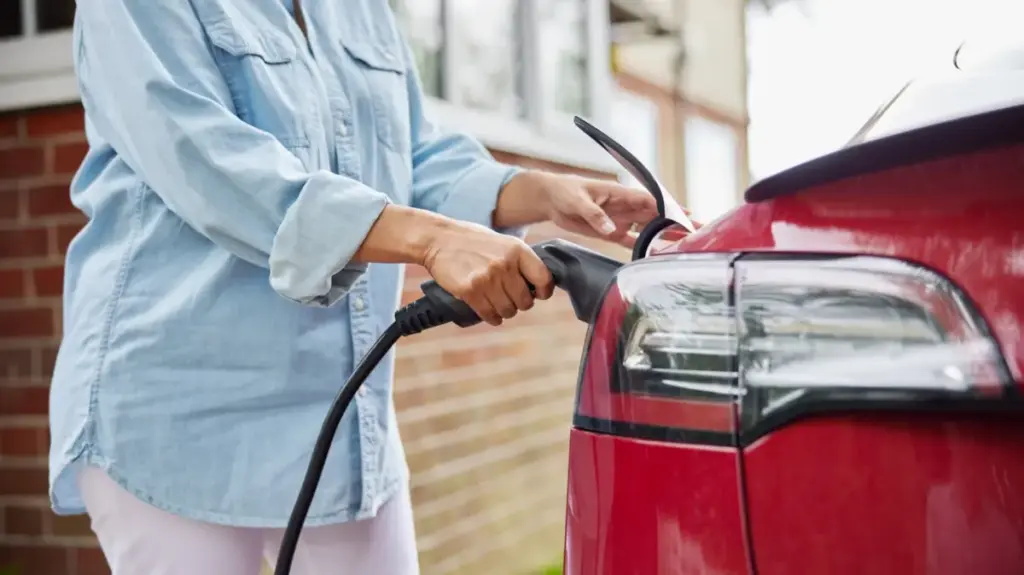
For the growing number of drivers transitioning to electric vehicles (EVs), the shift involves more than just learning to drive a car without an internal combustion engine; it requires a fundamental change in how one approaches "refueling." Unlike gas-powered vehicles, which rely on a network of ubiquitous filling stations, the EV ownership experience is inextricably linked to the charging infrastructure available at home and in the wild. As new owners quickly discover, the terminology—Level 1, Level 2, and Level 3—can be opaque, and the decision to invest in a home installation often comes with a hefty price tag. Understanding these distinctions is not merely a technical exercise; it is a vital step in ensuring that your vehicle fits seamlessly into your daily life.
The disparity between these charging tiers is vast. While a basic Level 1 charger might take upwards of 40 hours to bring a depleted battery to a full state of charge, a high-powered Level 3 station can inject hundreds of miles of range into a vehicle in less than an hour. However, the assumption that faster is always better is a common pitfall. Selecting the right charging solution requires a nuanced assessment of your specific driving habits, the electrical capabilities of your home, and the regional costs of electricity.
Defining the Hierarchy of Charging Speeds
At the foundation of the charging ecosystem is Level 1 charging. This method relies on the standard 120-volt household outlets found in every home across North America. Because these circuits were never designed to handle the heavy load of a vehicle battery, they are limited to approximately 1.4kW of power. For the average consumer, this translates to a slow, steady trickle of energy that is often sufficient for commuters who travel short distances but insufficient for those who cover significant ground daily.

Stepping up to Level 2 charging significantly changes the equation. These systems utilize 240-volt circuits—the same type of electrical connection required for heavy-duty appliances like clothes dryers or electric ovens. By drawing higher currents, these chargers can deliver substantially more power. A typical 40-amp Level 2 charger installed on a 50-amp circuit can output roughly 9.6kW. For homeowners with the electrical panel capacity to support it, units reaching 80 amps are available, capable of delivering up to 19.2kW.
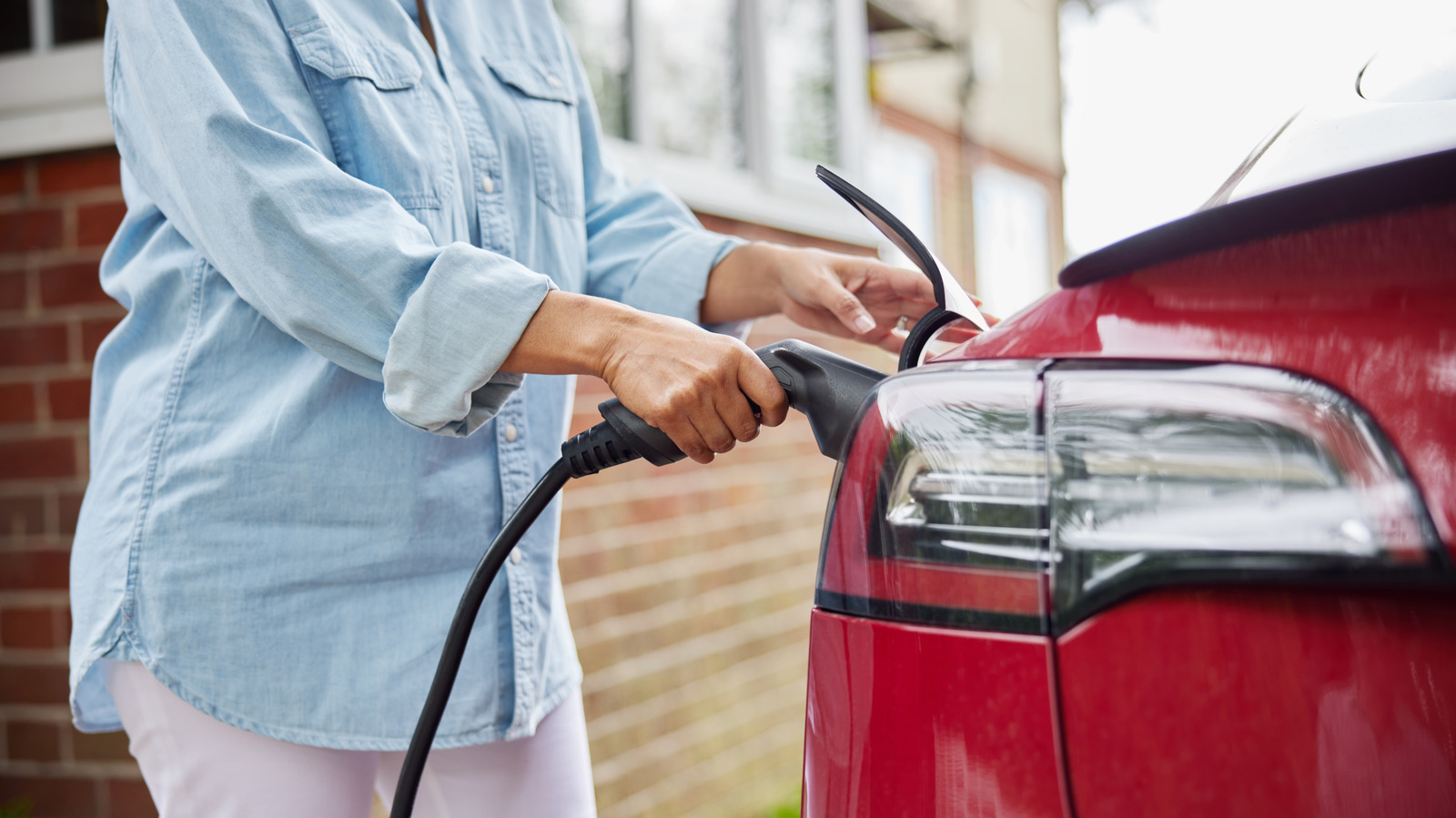
Both Level 1 and Level 2 charging share a common technical characteristic: they deliver alternating current (AC) from the electrical grid to the vehicle. Because an EV battery stores energy as direct current (DC), the car must employ an onboard charger to convert the power. This process is inherently limited by the efficiency of the vehicle’s hardware and the heat generated during the conversion.
Level 3 charging, often referred to as DC Fast Charging, circumvents these limitations entirely. In this configuration, the conversion from AC to DC happens within the charging station itself, allowing high-voltage power to be delivered directly to the battery. This bypasses the onboard charger’s constraints, enabling the system to push between 50kW and 500kW of power into the vehicle. This is the technology that makes long-distance travel viable, as it allows a driver to recharge a near-empty battery in roughly the time it takes to grab a meal. However, it is important to note that charging curves are not linear; as a battery approaches full capacity, the system automatically slows the rate of intake to protect the battery’s health, meaning you rarely experience peak charging speeds for the entire duration of a session.
Assessing Your Home Charging Needs
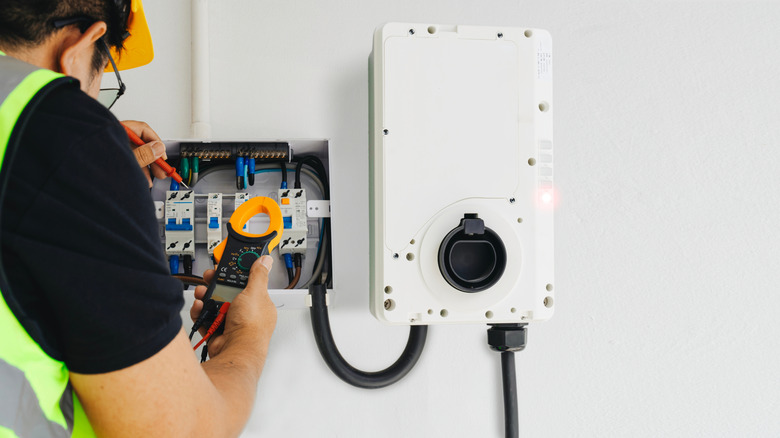
The question of whether to install a dedicated Level 2 charger at home is perhaps the most significant decision for a new EV owner. If your daily driving routine consists of short trips to the office or the grocery store, a Level 1 charger may be more than adequate. By taking advantage of off-peak electricity rates through a smart scheduling feature, you can ensure your car is charged and ready for the next morning without the significant capital investment of an electrical service upgrade. The EPA estimates that Level 1 charging adds approximately 5 miles of range per hour; even an overnight charge of eight hours nets you roughly 40 miles of driving, which covers the daily commute for a large portion of the population.
However, the argument for a Level 2 charger becomes much stronger for drivers with longer commutes or those who frequently run errands throughout the week. A 40-amp Level 2 setup can add upwards of 30 miles of range per hour, essentially ensuring that the vehicle is fully topped off every single morning. This utility effectively eliminates the "range anxiety" that often plagues new EV owners. Furthermore, for households with multiple electric vehicles or those living in colder climates, the decision becomes even more pragmatic. Cold weather significantly reduces an EV’s effective range as the battery management system works to maintain optimal operating temperatures. A Level 1 charger may struggle to simultaneously heat the battery and deliver a meaningful charge, whereas a Level 2 unit provides the necessary headroom to handle both tasks efficiently.
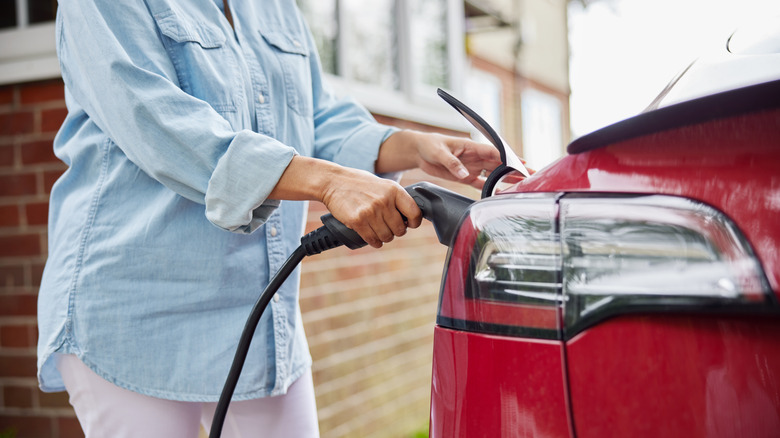
Even for those hesitant to pay for a professional installation, there are middle-ground strategies. Some time-of-use energy plans offer lower rates during weekends, allowing for longer, slower charging sessions that can replenish a significant amount of range without the need for a faster, more expensive charger.
The Role of Level 3 Charging in Modern Mobility
While home charging is the cornerstone of the EV experience, Level 3 charging is the engine of its expansion. Because these stations require substantial electrical infrastructure—often equivalent to the power draw of an industrial facility—they are almost exclusively found in commercial or public spaces like highway rest stops and urban shopping centers.
The primary advantage of Level 3 is convenience, providing a user experience that mimics the traditional "fill-up" model of internal combustion engines. Yet, this speed comes with considerations. While the long-term effects of frequent DC fast charging on battery degradation remain a subject of ongoing research, some experts suggest that consistent reliance on high-speed charging may not be as gentle on the battery’s chemistry as slower, controlled charging. Consequently, most owners view Level 3 as a tool for road trips or emergency top-ups rather than a daily habit.
As the industry matures, the physical hardware is undergoing a necessary transition. The North American market is currently consolidating around the North American Charging Standard (NACS), moving away from the legacy CCS and J1772 connectors. This shift is critical for long-term interoperability, though it currently creates a transitional period where some vehicles may require adapters to access certain networks.
For the modern EV owner, the strategy is increasingly clear: rely on the convenience of slow, overnight home charging for the daily grind, and leverage the growing network of Level 3 stations for longer adventures. By utilizing mobile applications like PlugShare or ChargePoint to map out infrastructure, drivers can navigate the current landscape with confidence, ensuring they have the right tool for the job regardless of the destination. As the technology continues to evolve, the distinction between these charging tiers will likely become less of a concern, but for now, informed planning remains the most effective way to maximize the potential of an electric vehicle.