









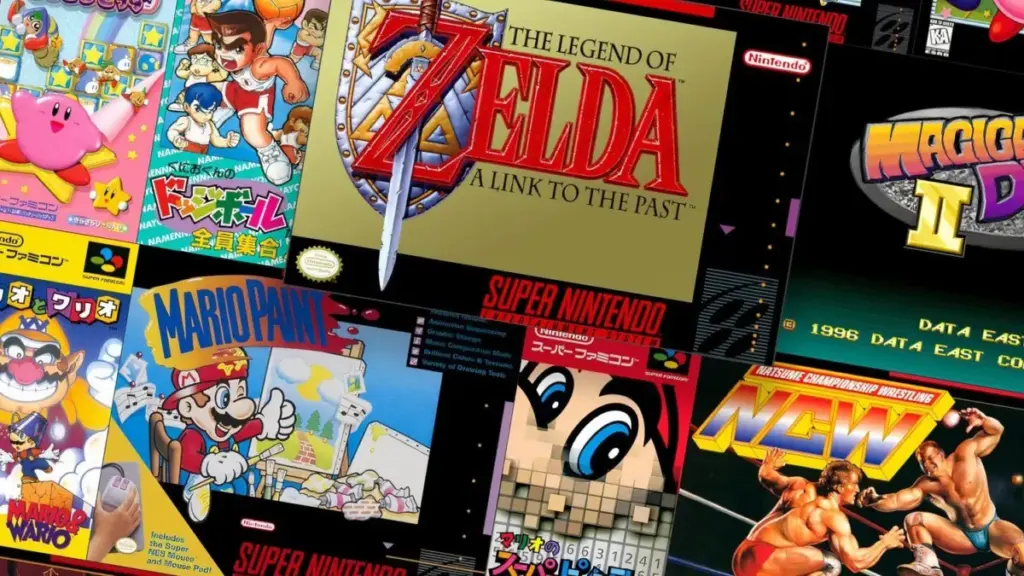
The Super Nintendo Entertainment System (SNES) holds a near-mythical status in the history of interactive entertainment. Decades after its release, it remains a gold standard for console design, boasting a library of titles that defined the 16-bit era. Today, through the Nintendo Switch Online service, modern players have access to a carefully curated, though not exhaustive, selection of 77 titles that showcase the creative peak of Nintendo’s internal teams during the 1990s.
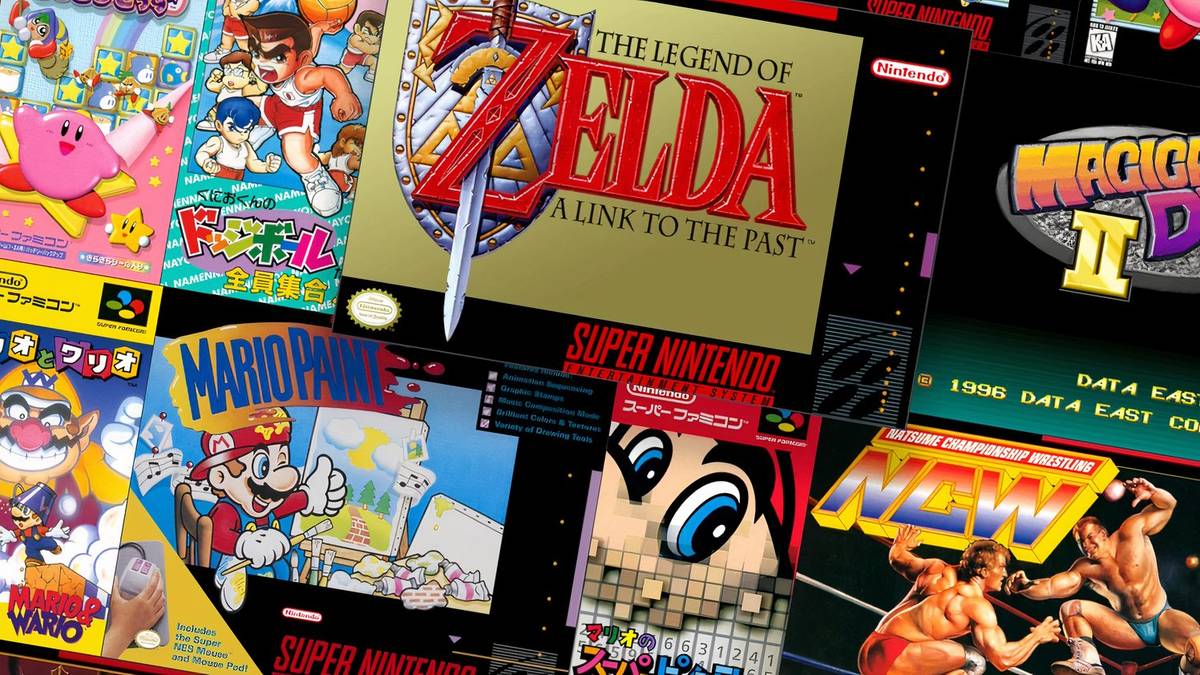
While the service notably lacks many iconic third-party heavy hitters—such as the genre-defining Chrono Trigger, the narrative landmark Final Fantasy VI, or the arcade-perfect Street Fighter II Turbo—the current collection succeeds by focusing on the absolute mastery of Nintendo’s own developers. The era represented by these titles marks a period of profound artistic and technical growth for the studio. Between the pioneering, experimental days of the NES and the daring, often turbulent transition into full 3D environments with the Nintendo 64, the SNES served as a crucible for perfection. Under the guidance of luminaries like Shigeru Miyamoto and Takashi Tezuka, Nintendo’s teams produced a run of games that arguably constitutes the finest sequence of releases in the company’s history.

To understand the enduring impact of the SNES, one must look at the specific titles that define the platform. These games are not merely historical artifacts; they are foundational pillars of game design that continue to inform how we play today.

The Experimental Spirit: Mario Paint and Kirby Super Star
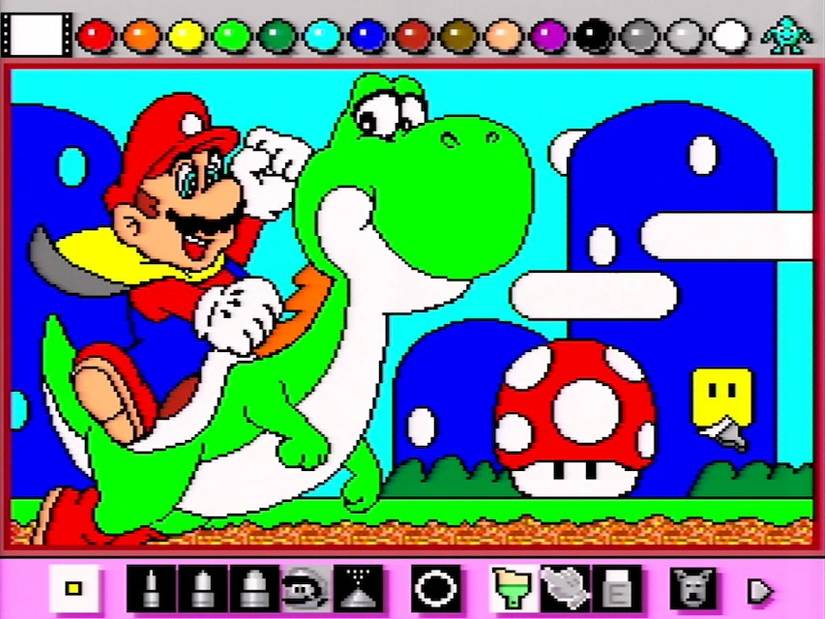
Nintendo has always had a penchant for unconventional hardware, and Mario Paint, released in 1992, stands as one of its most fascinating experiments. By bundling the SNES with a dedicated mouse, Nintendo transformed the living room television into a creative canvas. The suite offered a surprising depth of utility, including drawing tools, animation frames, and a music composition interface that allowed players to experiment with sound. While modern Switch players require a USB mouse to navigate this experience, the spirit of the software—playful, accessible, and surprisingly robust—remains intact.
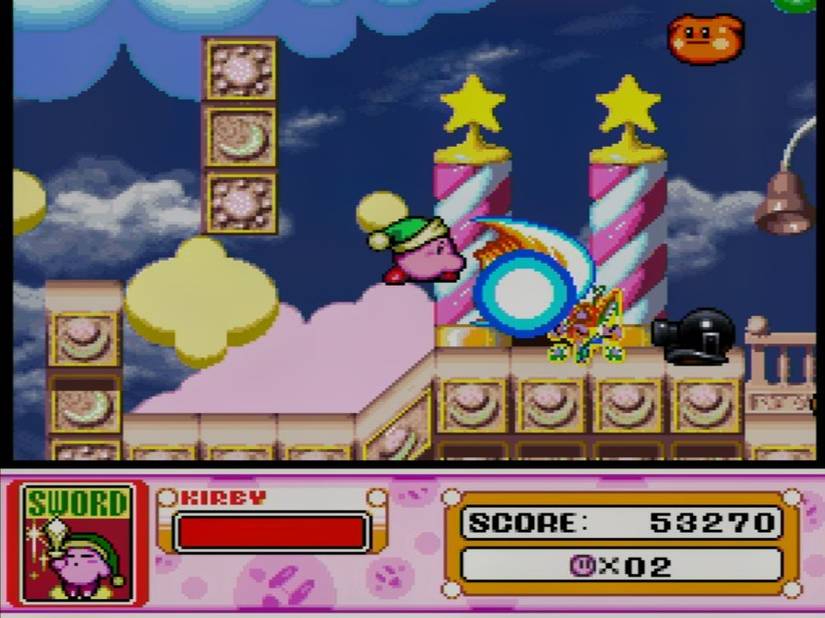
The same spirit of experimentation can be found in Kirby Super Star, a 1996 title directed by Masahiro Sakurai. Long before his work on the Super Smash Bros. series, Sakurai displayed a restless, innovative energy. This anthology-style platformer broke the mold of the traditional linear game by presenting a collection of distinct modes, ranging from short, high-speed adventures to deeper, Metroidvania-inspired quests. It remains a masterclass in variety, offering a "blizzard of ideas" that invites players to dip in and out at their leisure, perfectly capturing the whimsical nature of the pink protagonist.
Platforming and Precision: The Rare and Nintendo Legacy
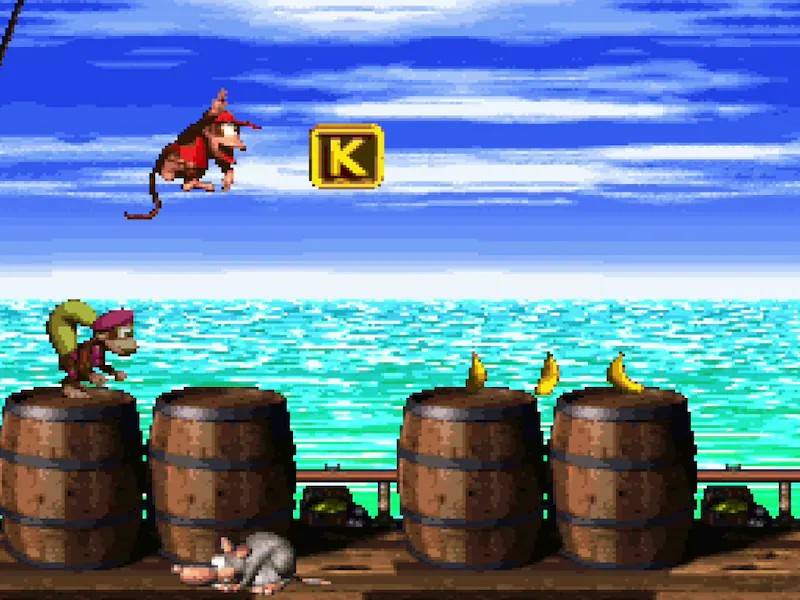
The mid-90s represented a massive leap in visual fidelity, exemplified by the Donkey Kong Country series. Developed by Rare, the trilogy utilized pre-rendered 3D graphics that were, at the time, visually staggering. While these games occupy a different design space than the in-house Nintendo platformers, their technical ambition remains impressive. Donkey Kong Country 2: Diddy’s Kong Quest is widely considered the pinnacle of this trilogy, offering a polished, secret-laden experience paired with an iconic, atmospheric soundtrack.
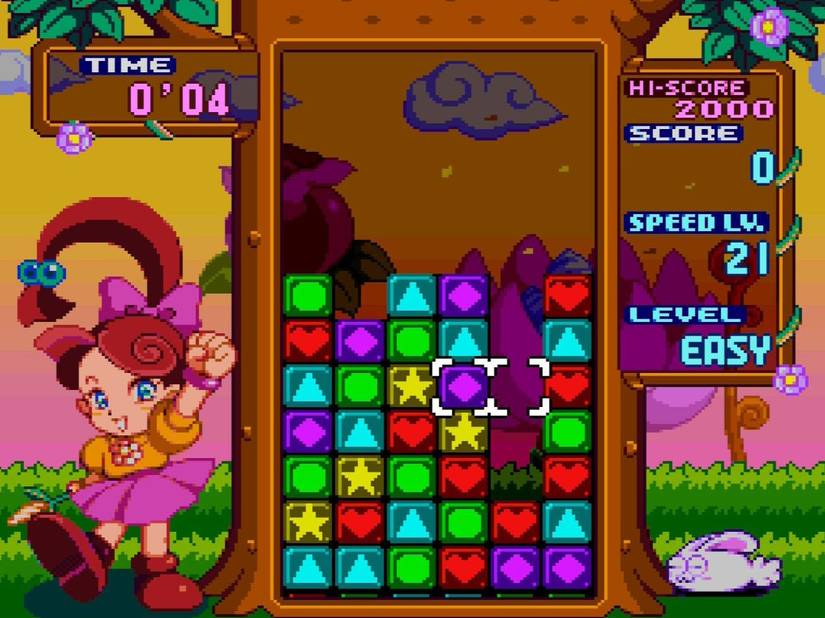
This era also saw the refinement of puzzle gaming with Panel de Pon. Known in Western markets as Tetris Attack—a rebranding that occasionally obscured its origins with the inclusion of Yoshi characters and the Tetris license—it is a testament to the design prowess of Intelligent Systems. Behind its vibrant, deceptively simple exterior lies an intense, tactical match-three game that rewards skill and quick thinking, proving that the best puzzle games are those that rely on clean, repetitive loops rather than unnecessary complexity.
Narrative and World-Building: EarthBound
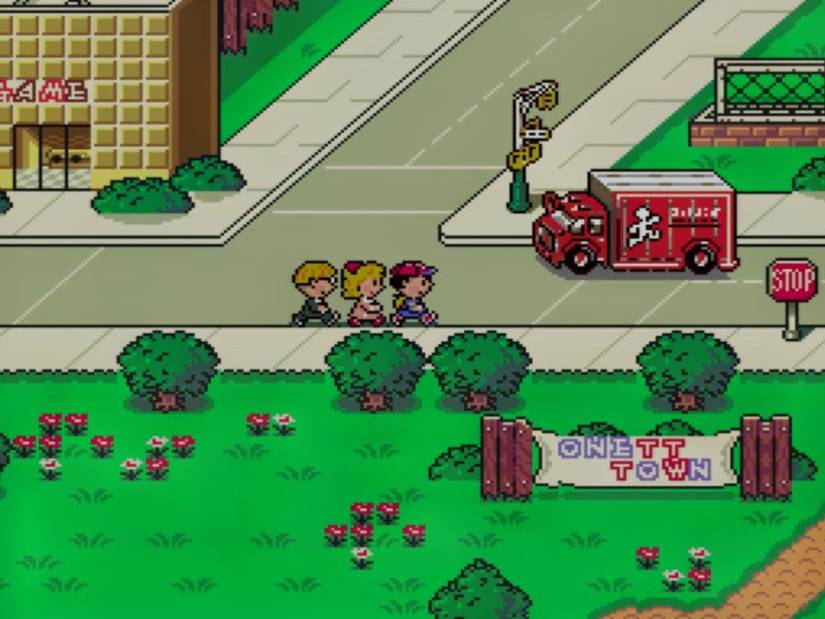
The role-playing game genre flourished on the SNES, and while the current Nintendo Switch Online library is thinner than enthusiasts might hope for in this category, it includes the essential EarthBound. A cult classic developed by Ape Inc. and HAL Laboratory, the game is a bizarre, heartfelt, and deeply satirical take on the RPG formula. Instead of the typical high-fantasy settings of the time, EarthBound looks at contemporary American culture through the eyes of children, blending mundane suburban life with alien invasions and surreal encounters. Its inclusion on the service is vital, as it remains one of the most unique narrative experiences ever committed to a cartridge.
Defining Genres: Mario Kart, Metroid, and Zelda
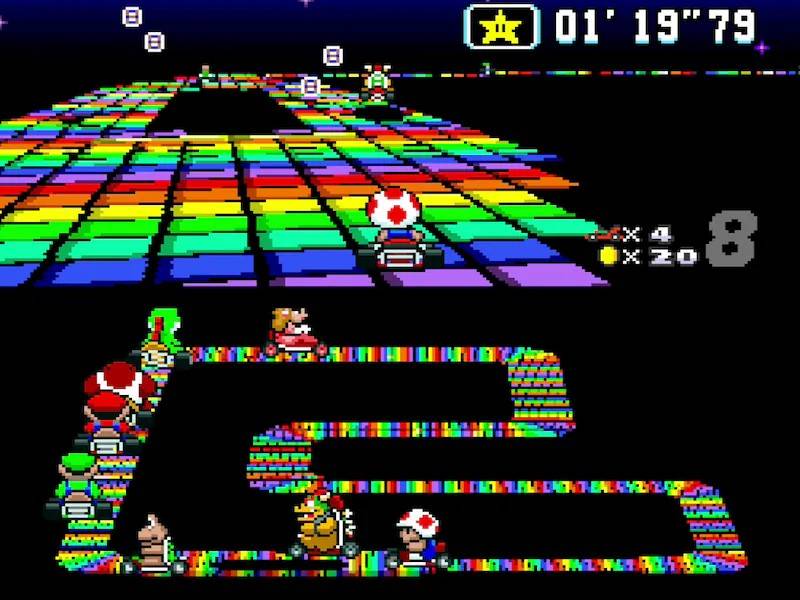
Perhaps no game better demonstrates the perfection of a genre at its inception than Super Mario Kart. Released in 1992, it established the template for the arcade-racing genre, a formula that has been iterated upon for decades but rarely surpassed. Compared to modern entries in the series, the original is notably technical, featuring tight track layouts and a grippy, demanding handling model. Its head-to-head multiplayer remains as compelling today as it was over thirty years ago, providing a masterclass in competitive local gaming.
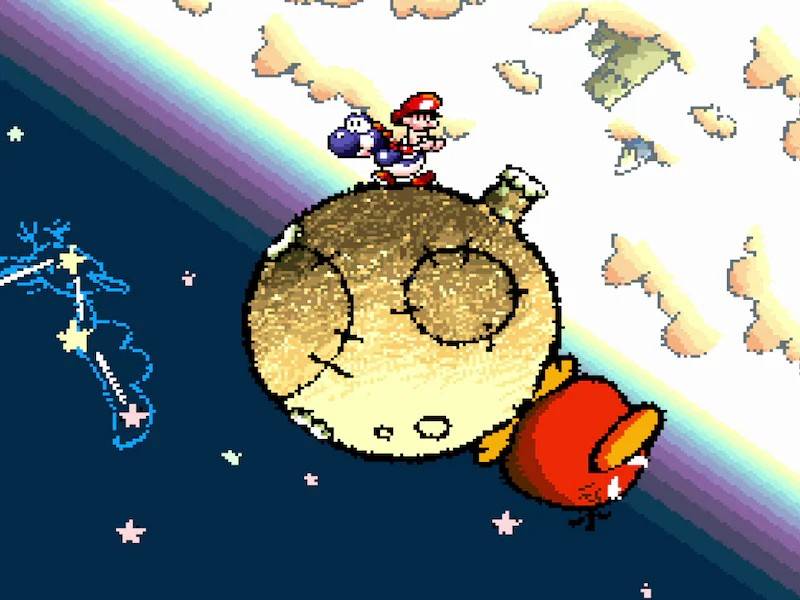
Following the success of Super Mario World, Nintendo EAD released Super Mario World 2: Yoshi’s Island. Despite the numbering, it is less of a direct sequel and more of a departure into a distinct, artistic vision. With its hand-drawn, crayon-and-watercolor aesthetic and innovative physics driven by the Super FX chip, it stands as one of the most charming and irreverent titles in Nintendo’s catalog. It is a game that prioritizes player delight through slapstick movement and creative stage design, serving as a reminder of the company’s willingness to take stylistic risks.
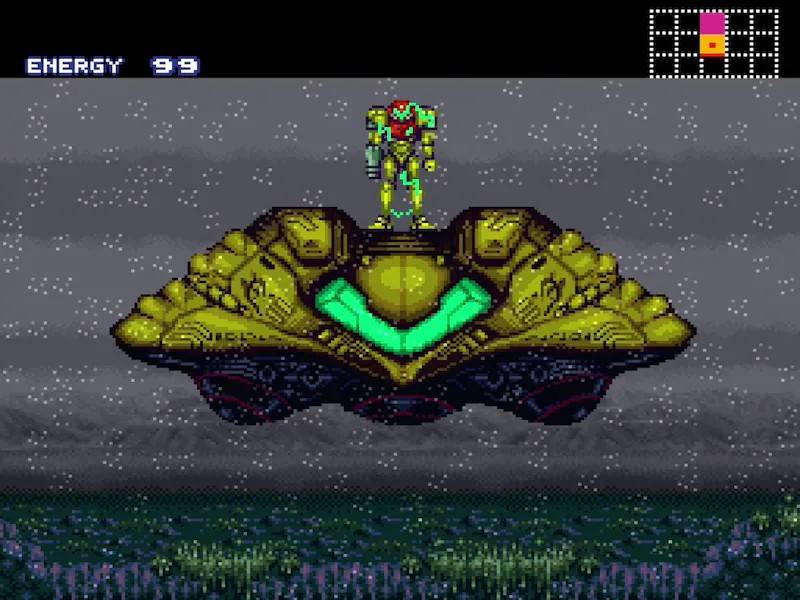
In the realm of action-adventure, Super Metroid remains the definitive "Metroidvania." Its atmosphere of isolation and dread, combined with a perfectly crafted, labyrinthine world, has set the standard for the genre for thirty years. Even in the shadow of later entries like Metroid Prime, the 16-bit original holds its own as a masterpiece of sci-fi pacing and exploration.
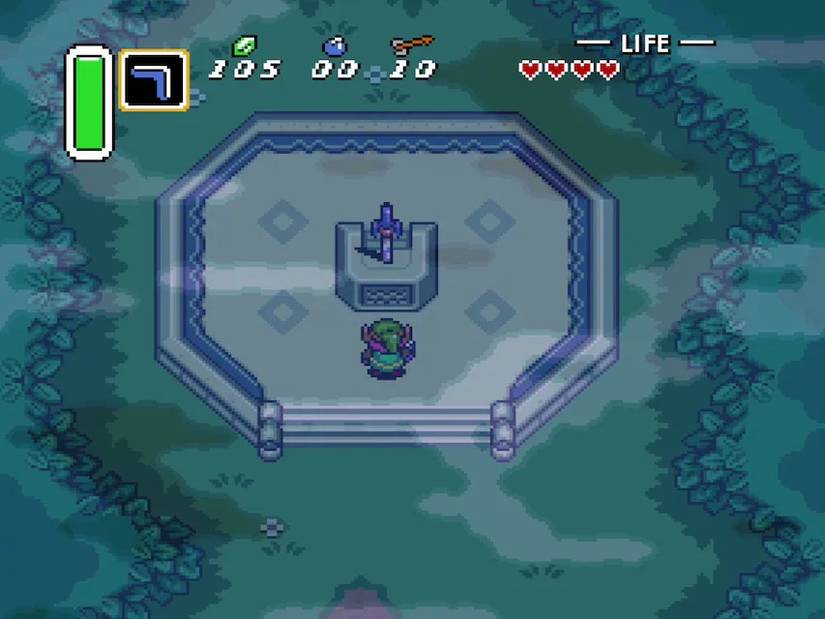
Similarly, The Legend of Zelda: A Link to the Past proved to be the pivotal moment for its series. After the experimental shift of Zelda II: The Adventure of Link, this title returned to a top-down perspective and introduced the concept of interlocking worlds—a light and dark reality that allowed for complex, puzzle-based progression. The game’s design is a piece of clockwork perfection, demonstrating a level of polish that few games have managed to replicate since.
Finally, Super Mario World itself serves as the crown jewel of the library. As a launch title, it set a bar for quality that the console itself would rarely exceed. It remains, by many accounts, the greatest 2D Mario game ever made. Through its expansive world, innovative power-ups, and the introduction of Yoshi, it creates a contiguous, surreal universe that feels both cohesive and wonderfully strange. It is, quite simply, the pinnacle of platforming, anchoring a library that serves as a testament to one of the most prolific and creative periods in video game history.