









In an era where technology is increasingly integrated into daily life, the Apple Watch has transcended its origins as a mere smartphone accessory to become a robust, discreet health-monitoring tool. For many older adults, the device offers a sophisticated balance between independence and safety, providing peace of mind without the stigma often associated with traditional medical alert pendants. As noted by the National Institute of Aging, many older individuals resist being labeled as "seniors," preferring to focus on maintaining an active, self-sufficient lifestyle. By leveraging the advanced sensor suites embedded in the Apple Watch, users can enjoy a greater sense of security while remaining fully engaged in their communities.
The appeal of the Apple Watch to the boomer generation—and beyond—lies in its ability to support autonomy. Through features such as stand-and-movement reminders, integrated fitness tracking, and precision step counting, the device encourages a level of physical activity that is vital for long-term health. Furthermore, as Apple continues to invest heavily in healthcare research, the watch’s capacity to detect subtle shifts in health indicators, including the early signs of short-term illness, is evolving rapidly. Beyond the user’s own experience, the device also bridges the gap between generations, as the "Find My" app allows family members to stay connected and provide support, provided they have the necessary permissions. However, to truly maximize the benefits of the device, there are several core health and safety configurations that every user should prioritize.
The Critical Role of Emergency SOS and Medical Identification
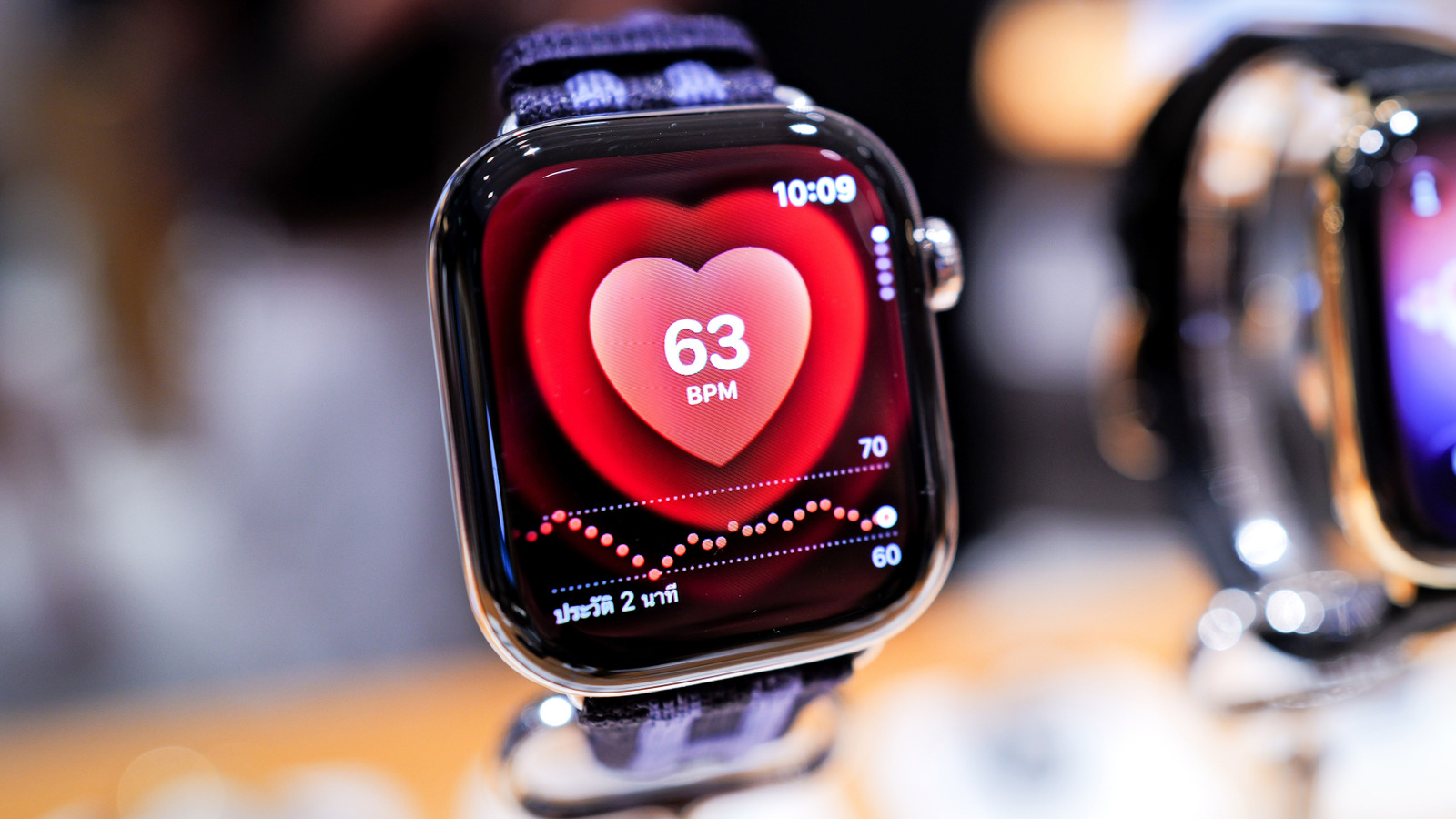
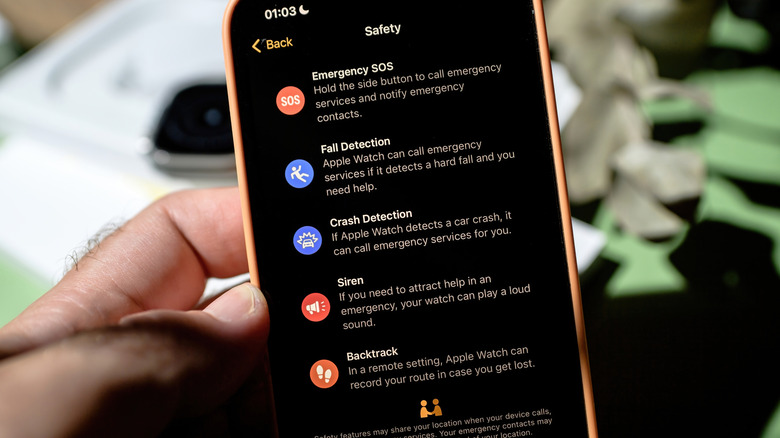
Among the most vital functions for any user is the Emergency SOS system. This feature acts as a digital safety net, enabling rapid contact with emergency services when seconds matter most. The mechanism is designed to be intuitive; by pressing and holding the side button, a user can trigger an emergency call via a simple on-screen slider. This functionality relies on an active cellular connection, Wi-Fi calling, or the proximity of a paired iPhone. For those who prioritize safety, ensuring that this feature is configured in the Watch app on the iPhone—specifically by enabling the "Hold Side Button to Dial" option—is a fundamental step in ensuring the device is ready for critical moments.

Complementing this, the integration of a comprehensive Medical ID is essential. Accessible through the Health app, the Medical ID allows users to input critical personal information, including known allergies, chronic conditions, and emergency contact details. In the event of an emergency, first responders can access this information directly from the watch, providing them with the context necessary to deliver more precise medical care. It is a simple yet life-saving measure to ensure that this digital file remains current and accurate, reflecting any changes in health status or medication regimens.
Proactive Safety: Fall and Crash Detection
The risks associated with falling are a significant concern for the aging population. Data from the U.S. Centers for Disease Control and Prevention (CDC) underscores the severity of this issue, noting that more than one in four adults aged 65 or older experiences a fall each year. The consequences are often profound, with over 300,000 hospitalizations annually attributed to hip fractures resulting from falls. When these incidents occur in the context of the 26 percent of older U.S. adults who live alone, the danger of being left without assistance increases significantly.
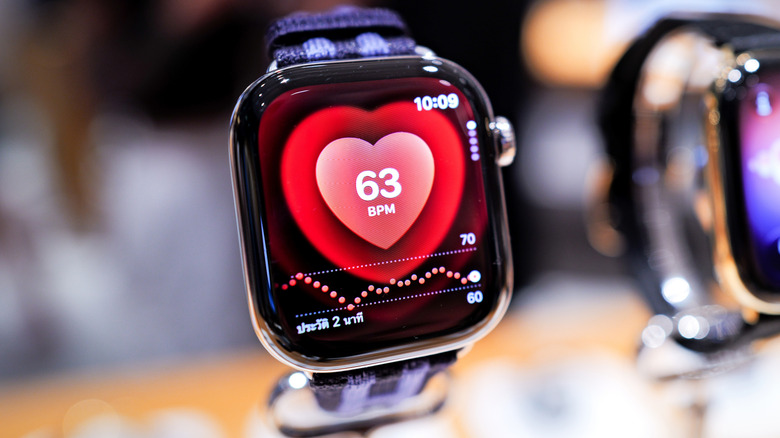
Apple has addressed this vulnerability with automated Fall Detection. When the Health app is correctly configured with the user’s age, the watch utilizes internal sensors—such as the accelerometer and gyroscope—to identify the unique motion patterns of a hard fall. If the device detects a fall and the user remains immobile, it will automatically initiate a call to emergency services. Users are prompted on the watch display to confirm their status, but if they are unable to respond, the system takes over. This feature can be activated within the Emergency SOS settings on the iPhone or directly through the Watch settings menu. Similarly, for those who continue to drive, Crash Detection provides a parallel layer of protection, designed to recognize the specific forces of a serious automobile accident and alert emergency responders if the user is incapacitated.
Heart Health Monitoring and Clinical Insight
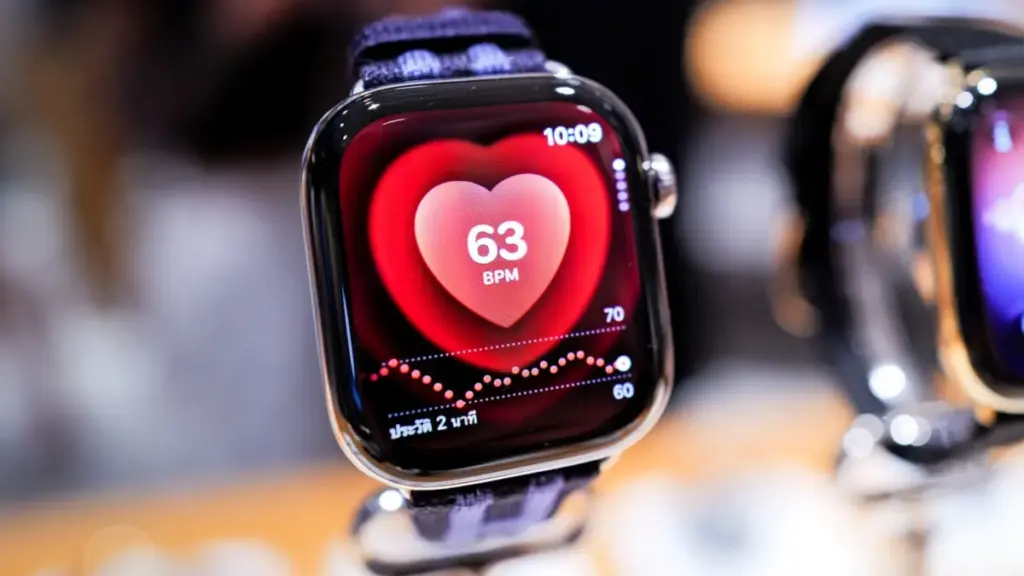
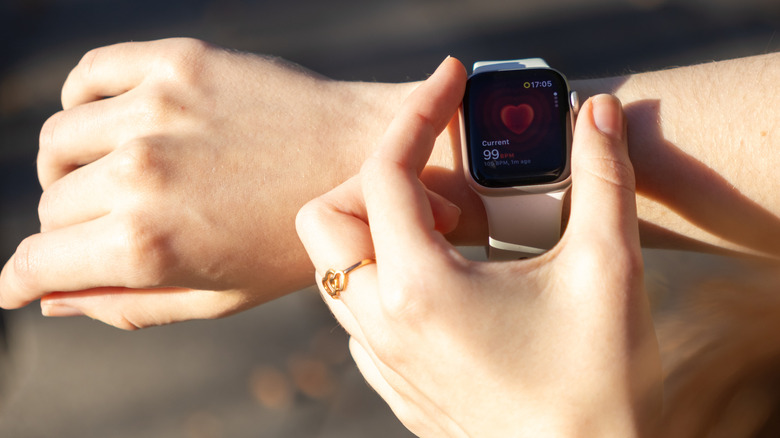
Cardiovascular health remains a paramount concern for older adults, with the CDC reporting that cardiovascular disease remains a leading cause of mortality. While the Apple Watch is not intended to function as a diagnostic tool for heart attacks, its continuous monitoring capabilities offer a vital window into overall heart health. The device employs green and infrared LED lights on the back of the watch to track heart rate rhythmically throughout the day and night.
Beyond continuous tracking, the watch includes an ECG app that allows users to capture an electrocardiogram in just thirty seconds. By holding a finger to the Digital Crown, users can gain insights into their heart rhythm, helping to identify potential irregularities or the presence of atrial fibrillation. Furthermore, the device can be configured to send alerts if the heart rate remains abnormally high or low, providing an early warning system for fluctuations that might otherwise go unnoticed. This data, when synced with the Health app on the iPhone, contributes to a broader understanding of cardiovascular fitness, including the calculation of VO2 Max—a key metric for assessing physical stamina and overall health.

Medication Management and Sleep Awareness
Managing a daily medication regimen can be complex, and forgetting a dose can have significant health implications. The Apple Watch simplifies this process through its integrated medication tracking tools. By using the Health app, users can input their specific medications, set precise schedules, and receive haptic and visual reminders directly on their wrist. This system not only ensures compliance but also provides a digital log that can be shared with healthcare providers to help refine treatment plans.
The watch also offers increasingly sophisticated insights into sleep, which is foundational to cognitive and physical health. By enabling the sleep-tracking feature, users can monitor their rest cycles, which can be an important diagnostic tool for identifying potential health issues, such as sleep apnea. The ability to track respiratory data and receive notifications regarding sleep quality allows users to have more informed conversations with their physicians, facilitating earlier medical intervention for common, yet often overlooked, sleep disorders.
Accessibility and Sensory Support
The inclusive design philosophy at Apple ensures that technology remains accessible to users regardless of their physical or sensory capabilities. Recognizing that hearing loss affects approximately one in four Americans in their sixties, Apple has implemented Sound Recognition technology. This feature allows the watch and a paired iPhone to monitor the environment for specific, high-stakes sounds—such as smoke alarms, sirens, or doorbells—and send immediate alerts to the user’s wrist.
Visual accessibility is similarly addressed, with the Control Center offering quick adjustments to font sizes and display settings. By simply accessing the "AA" icon in the Control Center, users can manipulate the Digital Crown to increase text legibility, ensuring the interface remains usable for those with declining vision. These features, combined with the device’s robust emergency and health-monitoring capabilities, represent a significant advancement in how older adults interact with the world around them. By taking the time to configure these settings, seniors can harness the full potential of their Apple Watch, turning a piece of modern technology into a powerful, discreet, and reliable partner in their commitment to a healthy, independent lifestyle.