









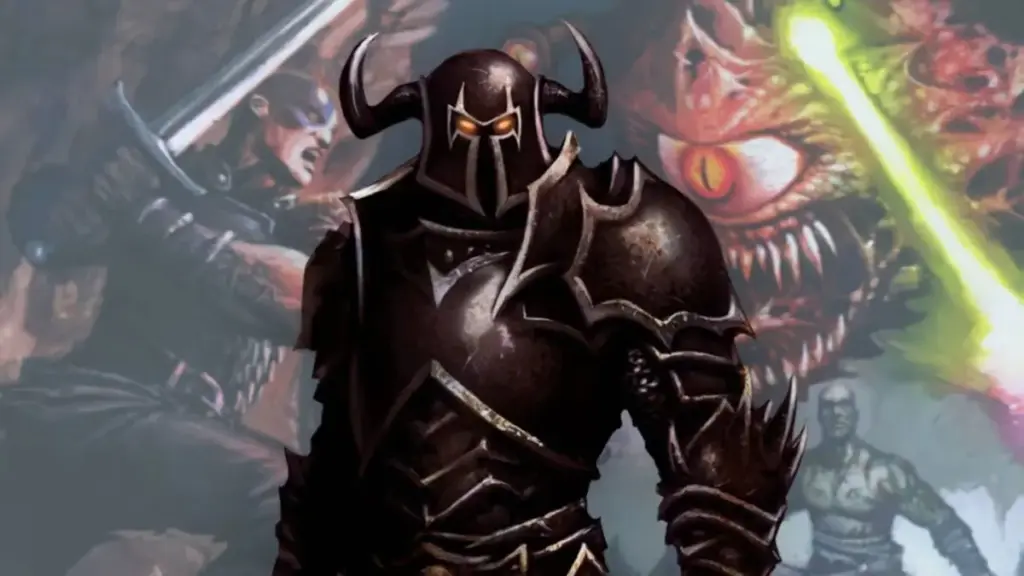
Baldur’s Gate 3 is a cultural phenomenon, an extraordinary achievement that remains firmly entrenched in the gaming zeitgeist. Three years after its monumental launch, it continues to command tens of thousands of concurrent players on weekends, a testament to the depth of its storytelling and the richness of its world. Yet, for all its accolades and its status as a high-water mark for the genre, a vocal contingent of veteran players maintains that it is not, in fact, the definitive Baldur’s Gate experience. That title, they argue, belongs to a game released over two decades ago: Baldur’s Gate 2: Shadows of Amn.
While Baldur’s Gate 3 redefined the modern role-playing game, its predecessor offered a level of narrative intensity and mechanical audacity that arguably remains unmatched. Baldur’s Gate 2 is a journey where the stakes are absolute—a one-hundred-hour descent into the psyche of a potential god—punctuated by moments of bizarre, unforgettable wonder. It is a game where a wizard might torture your soul while you are trapped in a claustrophobic cage, where your most trusted companion might betray you at the most critical juncture, and where a heroic berserker can deliver a sincere, life-altering prophecy to a miniature giant space hamster named Boo with complete, unwavering conviction.
The Legacy of Shadows of Amn
Baldur’s Gate 2: Shadows of Amn picks up the mantle directly from its predecessor, thrusting players back into the role of a Bhaalspawn. As one of the many mortal children of Bhaal, the now-deceased god of murder, your existence is a curse. You are a target, hunted across the Sword Coast for the latent divine spark that courses through your veins.

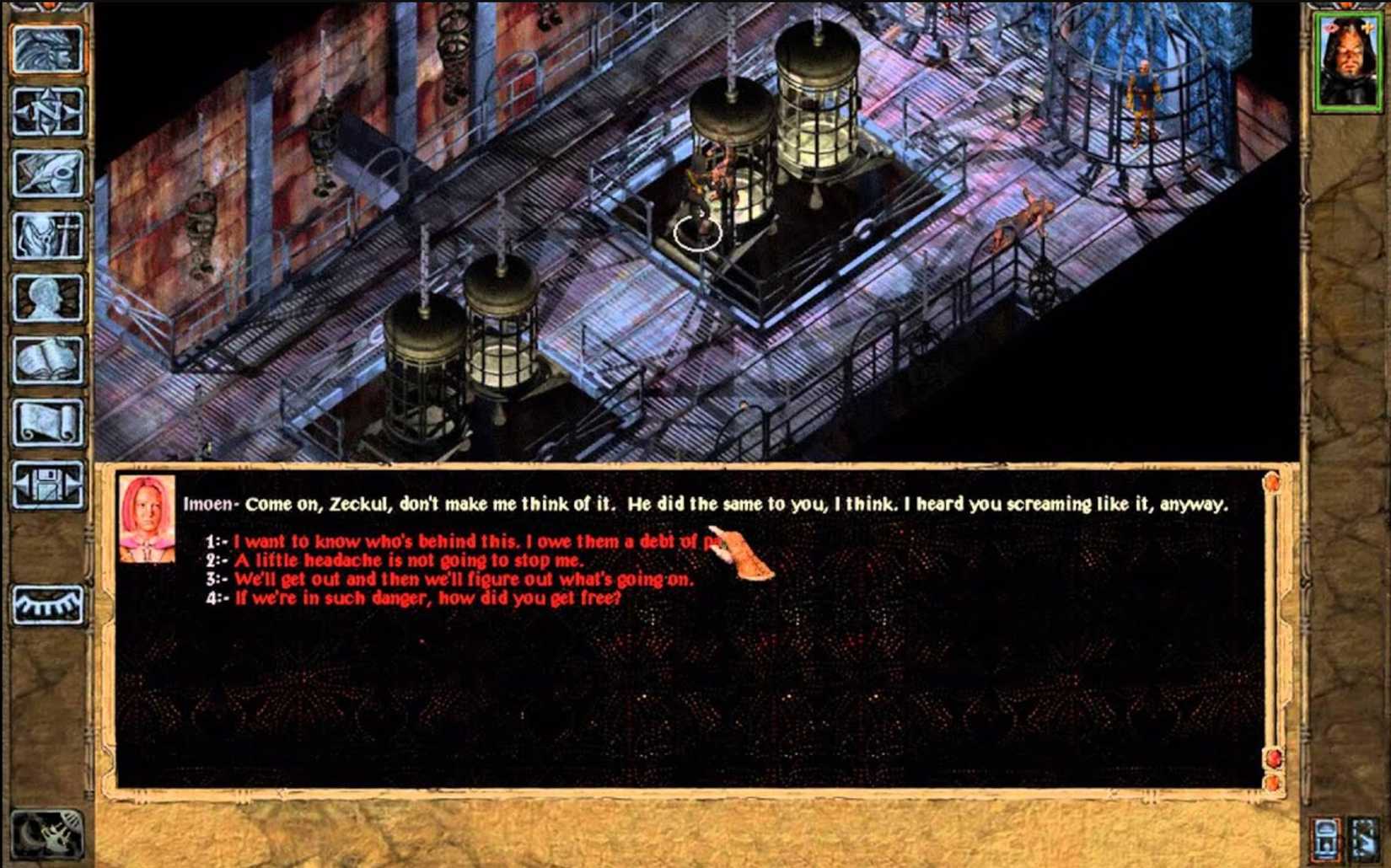
The game begins not with a gradual introduction, but with an immediate, harrowing crisis. You wake up in a locked cell, shackled and disoriented, deep beneath the sprawling city of Athkatla. Your party members are scattered, held in separate cages while your captor, a cold and calculating wizard named Jon Irenicus, subjects them to systematic, cruel experiments. From the opening moments, the game establishes a tone of dread and mystery, forcing the player to confront the villain’s unknown motives while struggling to maintain their own humanity in the face of divine destiny.
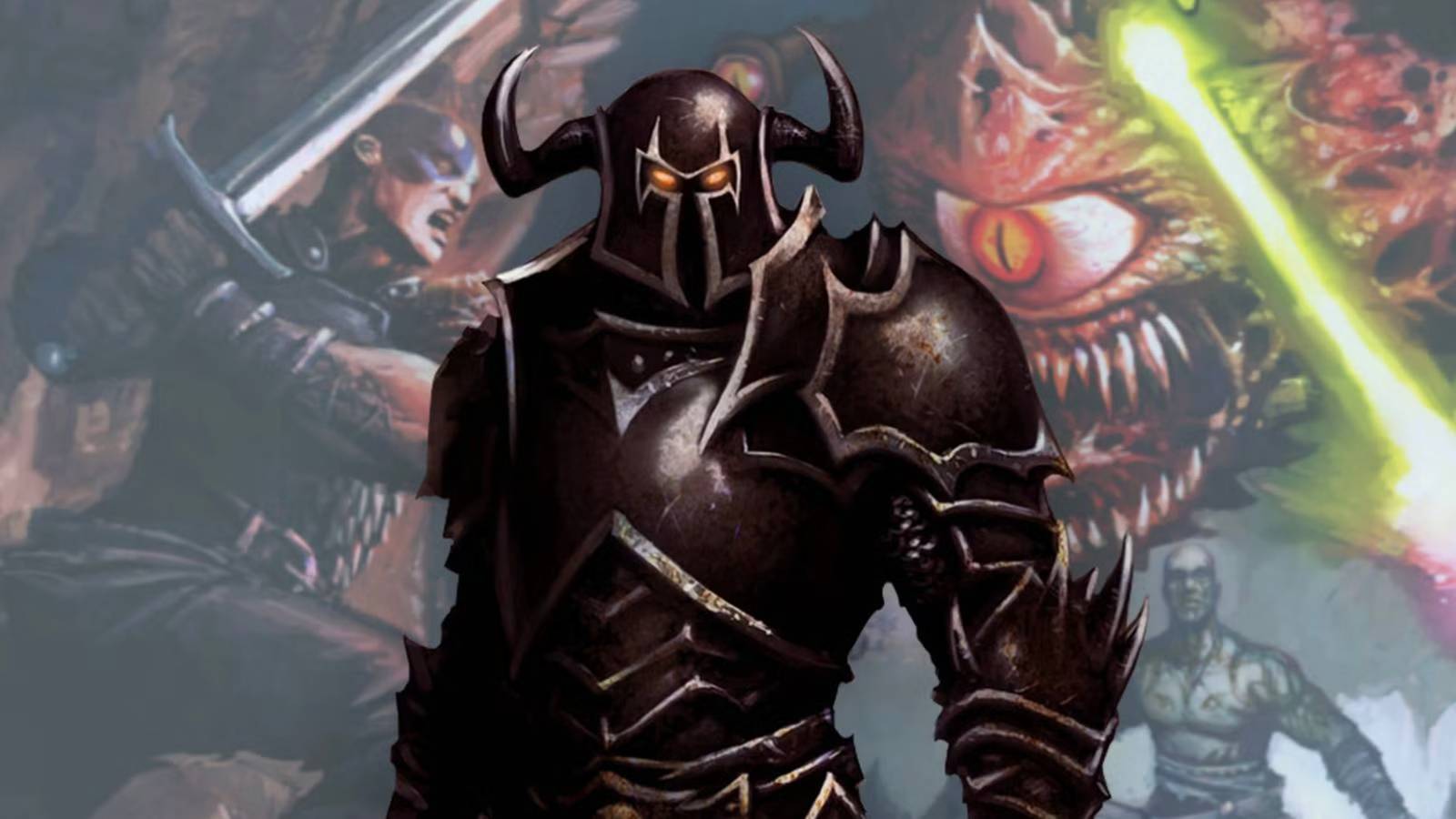
Jon Irenicus stands out even today as a masterclass in antagonist design. He is not merely a force of nature or a generic dark lord; he is a deeply damaged, transgressive figure—a former elven mage exiled by his own kind for his obsession with forbidden, soul-shattering experiments. His capacity for malice is casual and pervasive. Early in the game, the player discovers a grove of dryads that Irenicus has drained of their essence, leaving the tree spirits as withered, silent husks. This encounter serves as a chilling introduction to his methods and reinforces the desperate need to halt his plans.
A Cast of Complex Companions
The strength of Baldur’s Gate 2 lies not only in its villain but in the rich, troubled cast of characters who accompany you. These are not static NPCs; they are individuals grappling with profound trauma and internal conflicts, each requiring the player’s empathy and guidance to navigate their personal arcs.

Jaheira, a series staple, begins the story in a state of profound grief following the death of her husband, forcing the player to manage her emotional volatility alongside the mounting external threats. Aerie, a former circus performer who suffered the trauma of having her wings clipped, must find the courage to reclaim her identity. Anomen, an aspiring knight, is driven by an obsessive need for validation that leads to catastrophic errors in judgment, potentially resulting in the death of his own sister. Then there is Viconia DeVir, a dark elf priestess who faces exile from the Underdark for the "crime" of showing mercy—a trait that remains at odds with the unforgiving goddess she serves.
These characters are woven into the fabric of the story in a way that feels organic and consequential. As you progress, the world reacts to your choices. The game tracks how you treat your companions, whether they find redemption or meet tragic ends, and how your moral compass dictates the fate of the people around you.
Replayability Through Narrative Depth
Long before "open world" became a ubiquitous buzzword in gaming marketing, Baldur’s Gate 2 offered a sense of freedom that felt genuinely expansive. Upon reaching Athkatla, the city’s various districts—the docks, the slums, the government district—were fully accessible. Players could tackle side content in any order, allowing for a personalized journey through the Sword Coast.
Perhaps most impressively, the game introduced class-specific narratives that felt like substantial, distinct experiences rather than mere side content. A fighter might lead a stronghold, a thief could seize control of a guild, and a cleric might be tasked with the restoration of a temple. These quests were not bolted onto a shared narrative; they were integral, separate slices of world-building gated behind the specific archetype of the player character. This design philosophy created immense replayability. There are documented cases of dedicated players who did not finish the main campaign for over a decade, simply because they felt compelled to restart as a different class to explore the world from an entirely new perspective.
The Blueprint for Modern CRPGs
The influence of Baldur’s Gate 2 on the landscape of the RPG genre cannot be overstated. It effectively became the architectural blueprint for BioWare’s subsequent, legendary titles. The alignment systems and late-game narrative shifts seen in Star Wars: Knights of the Old Republic (2003) bear a striking resemblance to the choices presented in Shadows of Amn. The loyalty missions in the Mass Effect series (2007) echo the structure of the stronghold quests, while Dragon Age: Origins (2009) expanded upon the concept of origin-specific stories and character arcs that were first pioneered in the Baldur’s Gate series.
Even Baldur’s Gate 3 owes a debt to these design choices. The presence of companions who constantly evaluate and react to every decision the player makes, and the complex endgame dilemma of embracing or resisting a monstrous transformation to gain power, are direct evolutions of the seeds planted in 2000.

For fans of the genre currently enamored with modern RPGs, Baldur’s Gate 2 remains an essential, haunting experience. It is a game that challenges the player to decide whether they are truly strong enough to ascend to the throne of a dead god, or if they are merely another failed vessel destined to be forgotten. As the gaming world continues to celebrate the evolution of the genre, the original blueprint remains a powerful, often intimidating, and deeply rewarding experience. If the next time you feel the urge to revisit the Sword Coast, you find yourself seeking something different, perhaps it is time to look back at the game that started it all. You might find that some legends never truly fade.