









Arbitrum, the leading Ethereum layer-2 scaling network, has officially joined the Global Dollar Network, the Paxos-led consortium behind the USDG stablecoin. This strategic partnership marks a significant shift in how layer-2 networks interact with the massive stablecoin economy, as Arbitrum moves to capture a share of the reserve income generated by assets circulating on its infrastructure.
The move, announced on October 6, 2026, signals an increasingly competitive landscape where networks are no longer content to simply act as passive rails for stablecoins. Instead, they are actively seeking to align their financial incentives with the issuers of digital dollars, effectively participating in the underlying economics of the tokens that power their decentralized finance (DeFi) ecosystems.
A New Era for Stablecoin Distribution
USDG officially launched on Arbitrum on Tuesday, accompanied by a robust suite of integrations across the platform. The stablecoin is now supported by a wide array of protocols and services, including Fluid, Morpho, GMX, Maple, Li.Fi, Gauntlet, Steakhouse, and LayerZero, with integrations from Kraken, Uniswap, and Fhenix expected to follow shortly. This broad-based rollout aims to ensure that USDG has immediate utility across the Arbitrum ecosystem, spanning critical use cases such as decentralized trading, lending markets, and cross-chain payments.

The stablecoin itself is issued by Paxos and is backed one-for-one by dollar reserves. Since its inception, USDG has managed to accumulate more than $3 billion in circulation across various blockchain networks. The Global Dollar Network, which serves as the governance and economic backbone for the project, boasts a membership of over 150 partners. This roster includes heavyweights from both the traditional financial sector and the crypto-native industry, such as Robinhood, Kraken, Mastercard, and OKX.
What differentiates this consortium from legacy stablecoin issuers is its unique economic model. Rather than keeping all reserve interest and revenue centralized with the issuer, the Global Dollar Network distributes rewards generated by USDG reserves among its partners. These partners, which include the networks that facilitate the stablecoin’s usage, are incentivized to drive adoption and liquidity, creating a more symbiotic relationship between issuers, platforms, and end-users.
Capturing Value in a Saturated Market
For Arbitrum, the incentive to join the network is clear: financial sustainability and long-term alignment. While Arbitrum has successfully established itself as a hub for DeFi activity, with approximately $3.8 billion worth of stablecoins currently residing on its network, it has historically operated without a direct claim on the revenue generated by those assets.
Data from DefiLlama indicates that Circle’s USDC currently accounts for roughly 60% of the stablecoin liquidity on Arbitrum. While USDC is a cornerstone of the ecosystem, Arbitrum does not receive a portion of the reserve income generated by those tokens. By integrating USDG and aligning with the Global Dollar Network, Arbitrum is creating a new revenue stream that leverages the high volume of stablecoin activity already taking place on its rails.
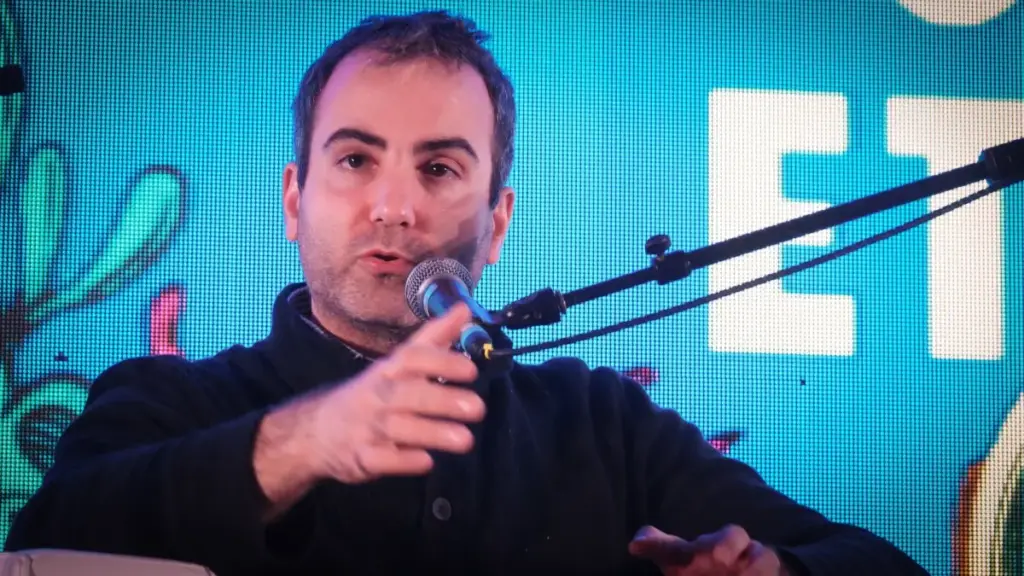
Brendan Ma, head of investment strategy at the Arbitrum Foundation, emphasized the strategic importance of this transition. "With USDG, Arbitrum and builders across the platform now have a stake in the growth upside," Ma noted. This sentiment reflects a broader industry shift where infrastructure providers are moving to capture the value that they help create, rather than letting that value flow exclusively to external stablecoin issuers.
Strengthening the Ecosystem through Governance
The partnership is not merely a technical integration; it is being supported by a formal governance push within the Arbitrum community. A governance proposal published alongside the launch asks the ArbitrumDAO to prioritize the growth of USDG as a strategic initiative.
As part of this proposal, the DAO is being asked to allocate 100 million ARB tokens to its DRIP (Distributed Revenue Incentive Program) to incentivize adoption and liquidity. Furthermore, the proposal outlines plans to utilize treasury assets to support USDG liquidity pools, ensuring that users have deep and efficient markets to trade the asset. By committing these resources, Arbitrum is signaling to the market that it is prepared to actively cultivate the success of the Global Dollar Network within its own ecosystem.
The Growing Battle for the Digital Dollar
The launch of USDG and the participation of Arbitrum underscore a broader, intensifying competition among stablecoin consortiums to define the future of digital currency. As the market for digital dollars continues to mature, the battleground has shifted from simple issuance to the creation of collaborative networks that incentivize distribution and utility.
This trend toward consortium-based models is gaining momentum globally. For example, the "Open Standard" project is currently building around OpenUSD, an initiative backed by a powerful coalition of major payment and commerce firms, including Visa, Mastercard, Stripe, Coinbase, and Shopify. Similarly, in Europe, the Qivalis consortium is backed by 37 different banks, aiming to create a regional standard for stablecoin issuance.
These movements share a common underlying philosophy: the belief that the issuance, distribution, and economic benefits of stablecoins should be spread across a broad, collaborative network of partners. This decentralized approach is intended to mitigate the risks associated with single-company control and to foster greater adoption by aligning the incentives of every participant in the value chain.
Arbitrum’s Broader Strategic Vision
The collaboration with the Global Dollar Network is only the latest in a series of strategic moves by Arbitrum to solidify its position as the premier scaling solution for Ethereum. The network has recently garnered significant attention for its ability to attract high-profile partnerships and foster innovative business models.
Notably, Arbitrum’s technology has been selected to underpin the "Robinhood Chain," the upcoming Ethereum-based network developed by the retail brokerage giant. This partnership is particularly noteworthy because it includes a revenue-sharing agreement where Robinhood will share a portion of the revenue generated by user activity on the chain back with the Arbitrum ecosystem.
By combining these revenue-sharing models—whether through the Robinhood integration or the new Global Dollar Network partnership—Arbitrum is building a more resilient and self-sustaining economic model. For developers, users, and the DAO itself, these moves represent a concerted effort to ensure that the network remains not just a technological leader, but a commercially viable and competitive infrastructure layer for the future of finance.
As the industry watches to see how the Global Dollar Network performs against established incumbents and emerging competitors, the role of layer-2 networks like Arbitrum will likely become increasingly critical. The transition from being a simple transaction rail to an active participant in the economic lifecycle of digital assets represents a significant maturation of the blockchain industry, setting the stage for a new phase of growth in the digital dollar era.