










In an era defined by an ever-growing landscape of premium streaming subscriptions, the cost of accessing high-quality television has become a significant consideration for viewers. While platforms like Netflix, Prime Video, and Max often dominate the cultural conversation with blockbuster releases, a wealth of gripping psychological thrillers remains accessible without a monthly subscription fee. For audiences looking to explore the darker, more cerebral side of television, ad-supported, free streaming platforms—such as Pluto TV, Plex, and The Roku Channel—offer a treasure trove of critically acclaimed content that matches, and in some cases surpasses, the quality of their paid counterparts.
Psychological thrillers occupy a unique space in the medium of television. Unlike other genres that rely solely on external action, the thriller demands an internal investigation of its characters. Through an episodic structure, these shows allow tension to simmer, anxiety to compound, and character psyches to unravel with a level of detail that a two-hour film rarely affords. Whether they employ the rigid structure of a police procedural or the fluid, experimental nature of surrealist drama, the best entries in this genre share a singular goal: to challenge the viewer by exploring the deepest, most fractured recesses of the human mind.
While series such as Squid Game and Mindhunter have become synonymous with modern prestige television, their exclusivity behind paywalls often obscures the fact that the genre’s foundation was built on shows that are now readily available for free. From the dream-logic mysteries of Washington state to the cold, clinical dissections of serial killers, these five selections represent the pinnacle of psychological suspense, all available to stream without the burden of a monthly bill.

Twin Peaks
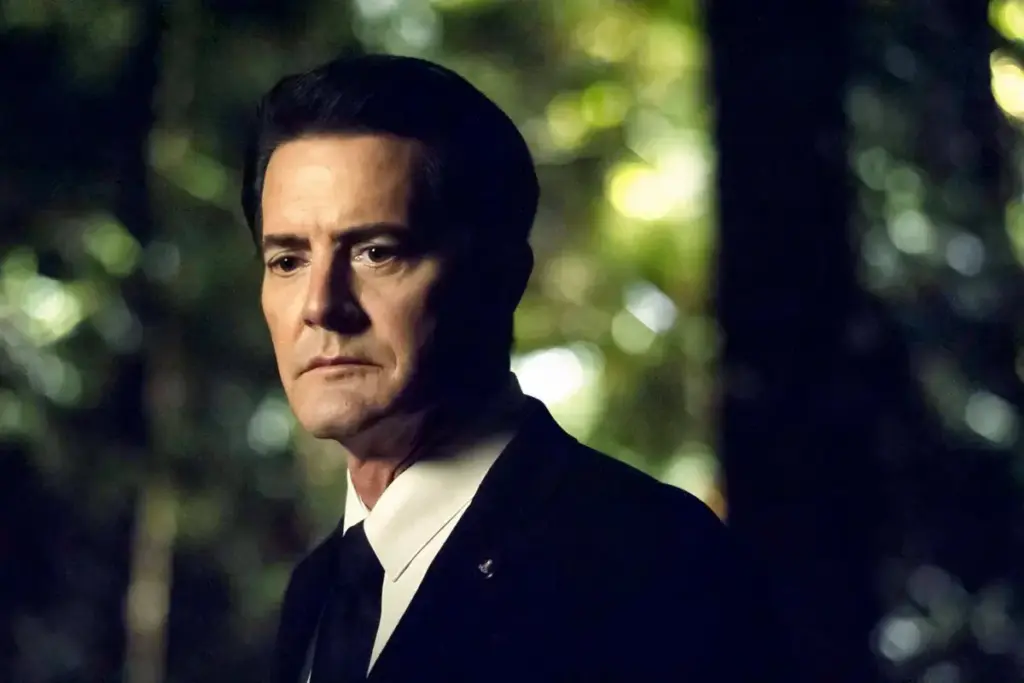
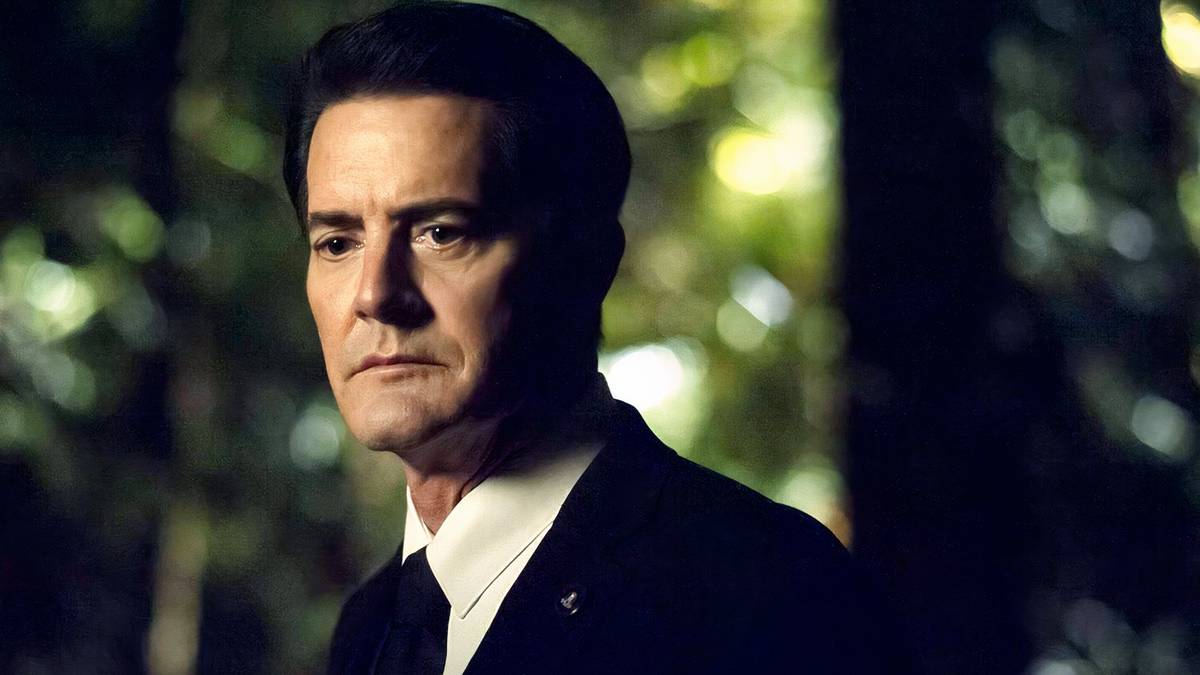
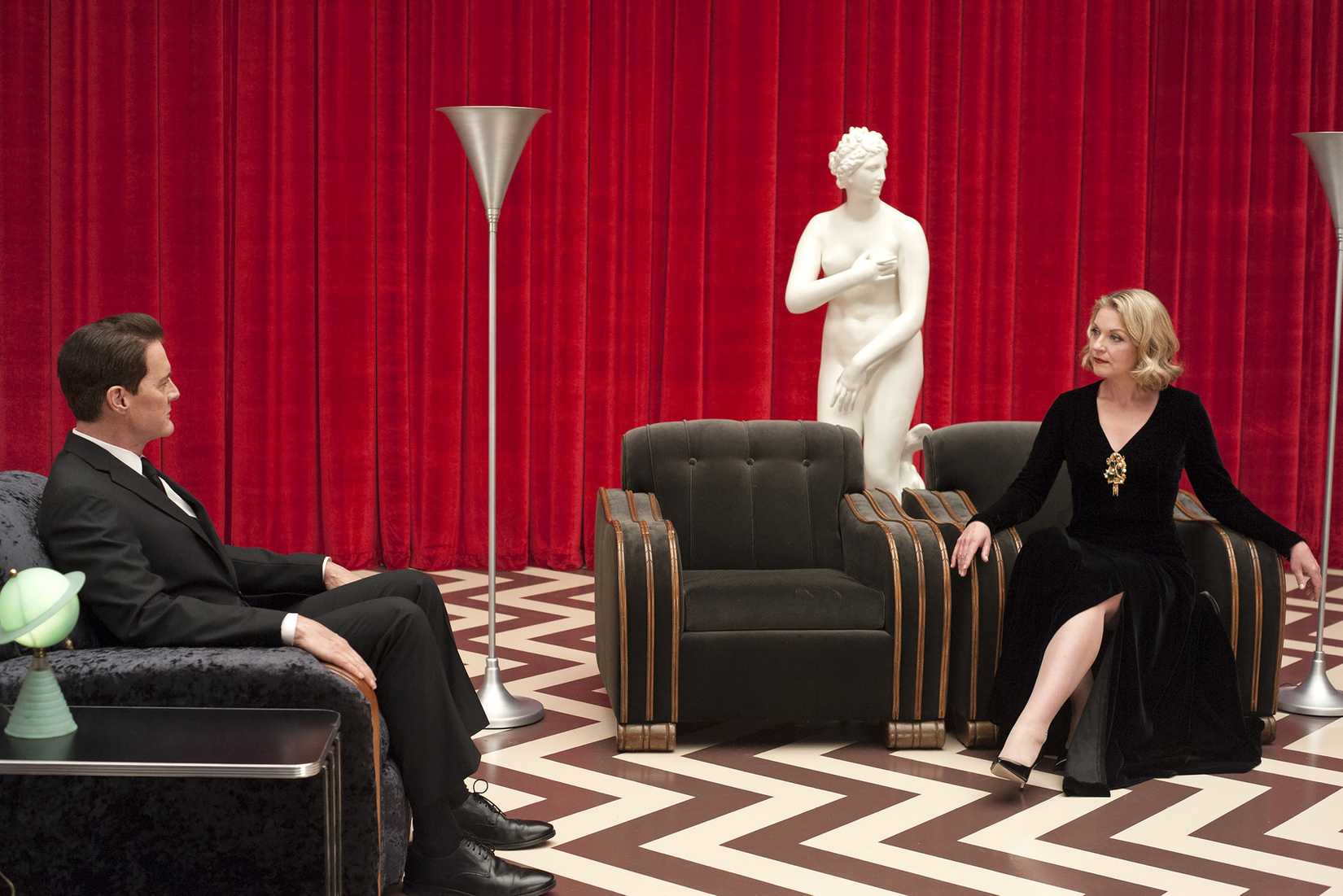
Few shows have managed to rewrite the DNA of television quite like David Lynch and Mark Frost’s Twin Peaks. Available to stream on Pluto TV, the series stands as a singular achievement in the genre, effectively blurring the lines between a classic crime procedural, a satirical soap opera, and a work of surrealist horror. The narrative begins with a premise that seems conventional: the discovery of a teenager’s body, Laura Palmer, on the shores of an idyllic, timber-laden town. However, as FBI Special Agent Dale Cooper arrives to lead the investigation, the show quickly sheds its procedural skin.

What makes Twin Peaks a masterpiece of the psychological thriller genre is its refusal to provide easy answers. Instead, it invites the audience into a world where grief and trauma manifest as tangible, otherworldly entities. As Agent Cooper delves deeper into the town’s secrets, he encounters a reality governed by dream logic, doppelgängers, and psychosexual metaphors. The psychological toll on the residents of Twin Peaks is palpable, reflecting a town with a rotting, seedy underbelly hidden beneath a facade of small-town charm. Even decades after its original run, the show remains the gold standard for mystery-centered storytelling, balancing tactile thrills with profound emotional depth.
The Fall
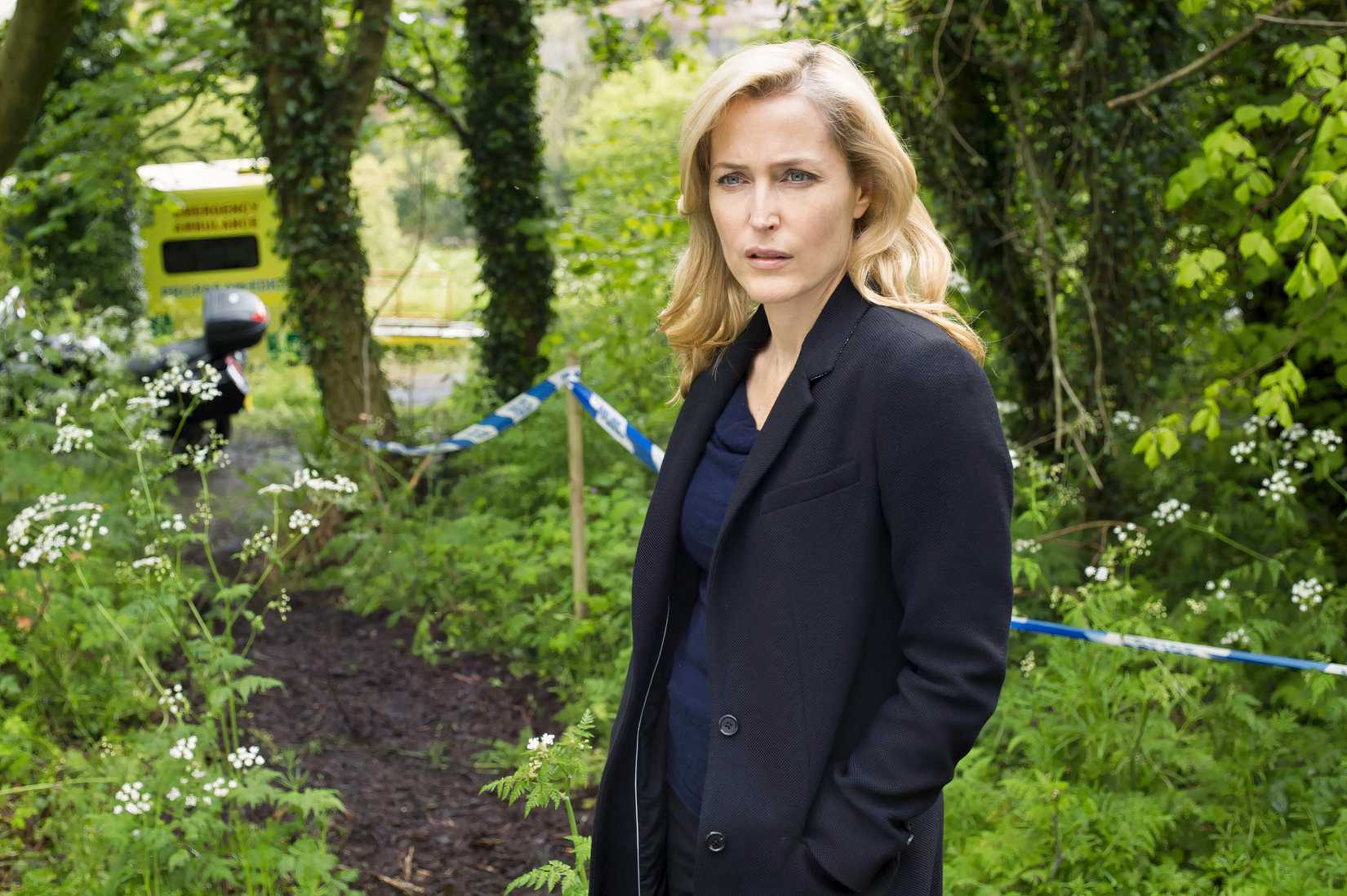
For viewers who prefer their thrills to be grounded in a more clinical, high-stakes reality, The Fall—available on The Roku Channel—offers an unflinching look at the mechanics of a hunt. The series stars Gillian Anderson as Superintendent Stella Gibson, a brilliant investigator brought in to assist the Police Service of Northern Ireland. Her mission is to track down a serial killer, Paul Spector, played by Jamie Dornan, who has been terrorizing the city of Belfast.
The Fall distinguishes itself by eschewing the traditional "whodunit" structure in favor of a "howcatchem" approach. From the outset, the audience is fully aware of the perpetrator’s identity. Spector is a chilling figure who successfully maintains a perfect double life as a devoted family man and a professional therapist. The tension of the series is derived from the intellectual and psychological cat-and-mouse game between Gibson and Spector. Both are highly methodical, and as Gibson begins to decipher the specific compulsions driving Spector’s violence against professional women, the show becomes an intense meditation on power, control, and the pervasive nature of misogyny. It is a series that is as intellectually stimulating as it is deeply unsettling.
Hannibal
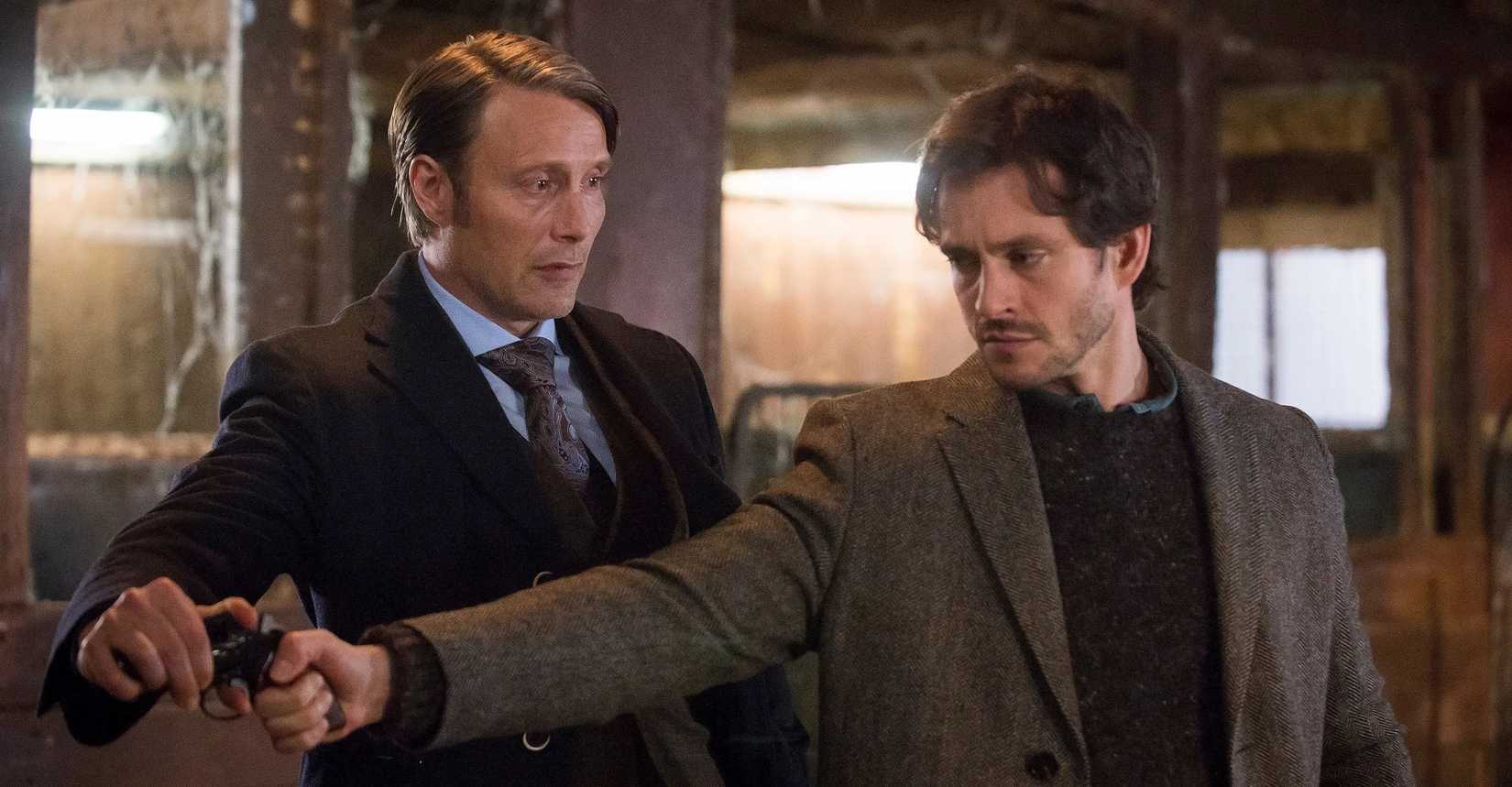
Bryan Fuller’s Hannibal, which can be found on Plex, serves as a masterclass in visual storytelling and atmospheric dread. While the series draws its inspiration from the source material of Thomas Harris, it transforms the well-trodden narrative of Dr. Hannibal Lecter and Will Graham into something entirely new. Mads Mikkelsen’s portrayal of Lecter is one of refined, predatory elegance, while Hugh Dancy’s Will Graham is defined by a debilitating, empathetic curse: the ability to reconstruct the crime scenes of serial killers through his own internal, first-person perspective.
The show succeeds by rejecting standard procedural conventions. Instead of treating its weekly cases as simple narrative hurdles, Hannibal utilizes them to explore the fractured nature of the human psyche. The relationship between Graham and Lecter is the show’s beating heart—a beautiful, twisted, and deeply complex bond that constantly teeters on the edge of betrayal and obsession. By utilizing lush visual metaphors and unforgettable, poetic dialogue, the series manages to portray violence in a way that feels artistic rather than merely exploitative, establishing a benchmark for psychological thrillers that prioritize style and substance in equal measure.
Terror in Resonance
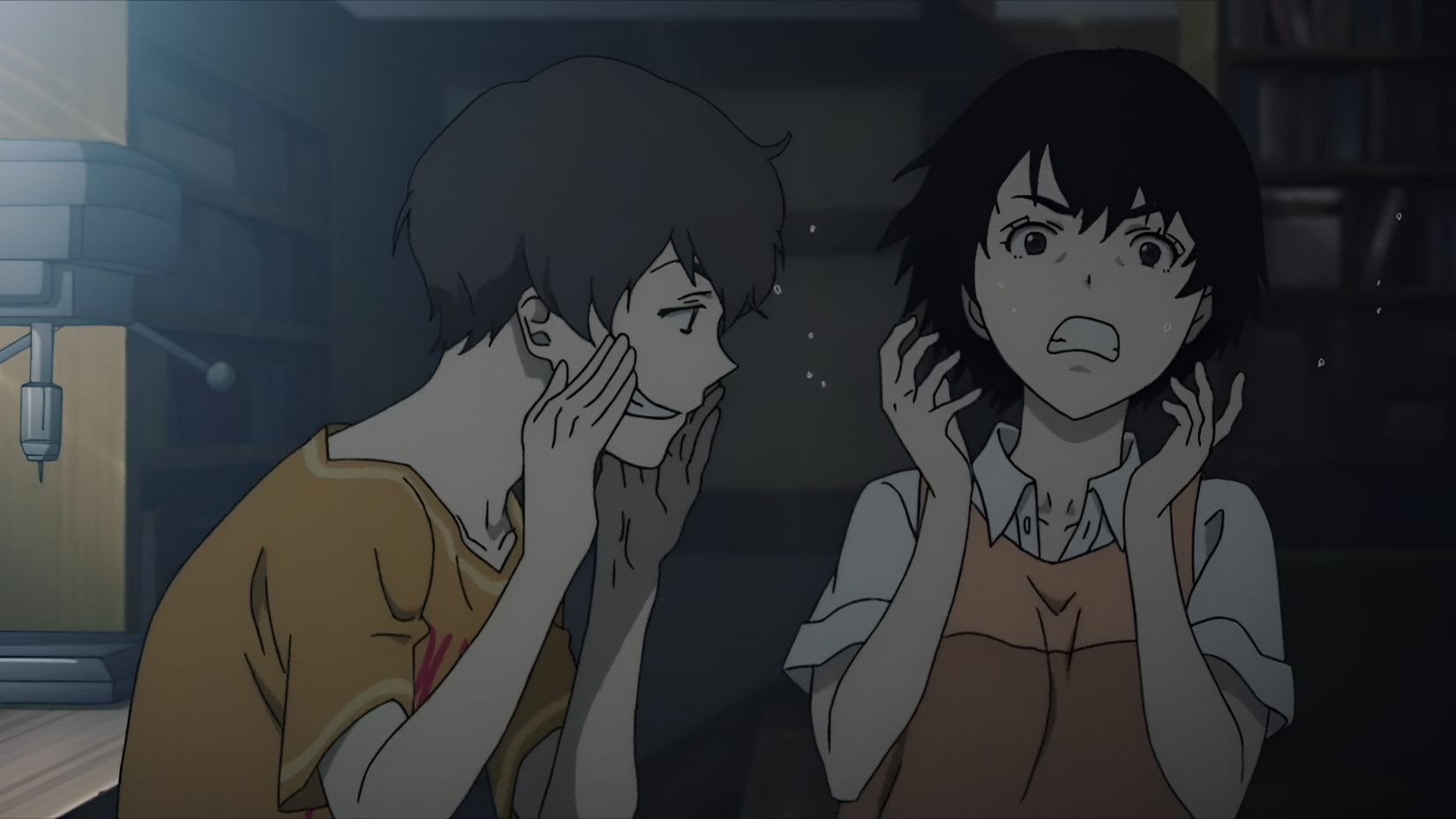
Animation is often overlooked as a medium for the psychological thriller, but Shinichirō Watanabe’s Terror in Resonance, available via The Roku Channel, is an essential entry that proves the genre’s versatility. The plot follows two teenage boys, known as Nine and Twelve, who orchestrate a series of high-stakes terrorist attacks across Tokyo. However, their goals are not simple destruction; they are attempting to expose a dark, government-sanctioned conspiracy involving experiments conducted on children.
The series is defined by its muted color palette and an incredible sense of pacing, evoking a world that feels as though it is constantly on the verge of collapse. While the cat-and-mouse dynamic between the boys and the investigator, Kenjiro Shibazaki, provides the narrative momentum, the show’s true strength lies in its exploration of trauma. Terror in Resonance examines how isolation and state-sponsored neglect can shape the psychology of the youth, turning apathy into a weapon. It is a haunting, evocative series that captures the devastating effects of systemic failure with remarkable emotional clarity.
Bates Motel
A prequel to Alfred Hitchcock’s seminal 1960 horror film Psycho, Bates Motel (available on The CW) provides a fascinating, deep-dive character study into the origins of Norman Bates. Set in the modern day, the series tracks the move of a young Norman and his mother, Norma, to a new town where they hope to start a new life by purchasing a motel. What follows is a slow-burn examination of a toxic, deeply codependent relationship, complicated by the onset of mental illness and the burden of shared, festering secrets.
Where the original Psycho utilized pacing to deliver sharp, sudden shocks, Bates Motel takes a more languid, character-driven approach. Over its run, the series effectively reframes the audience’s understanding of the iconic characters, blending elements of the moody psychological thriller with the high drama of a family saga. Freddie Highmore and Vera Farmiga deliver performances that ground the show’s more extreme moments, allowing the audience to witness the inevitable tragedy of the Bates family’s decline. By focusing on the small-town corruption and the psychological entrapment of its protagonists, Bates Motel serves as an engrossing, if ultimately tragic, addition to the genre that demonstrates how much can be achieved when a series is given the time to fully explore the cracks in a fractured mind.