








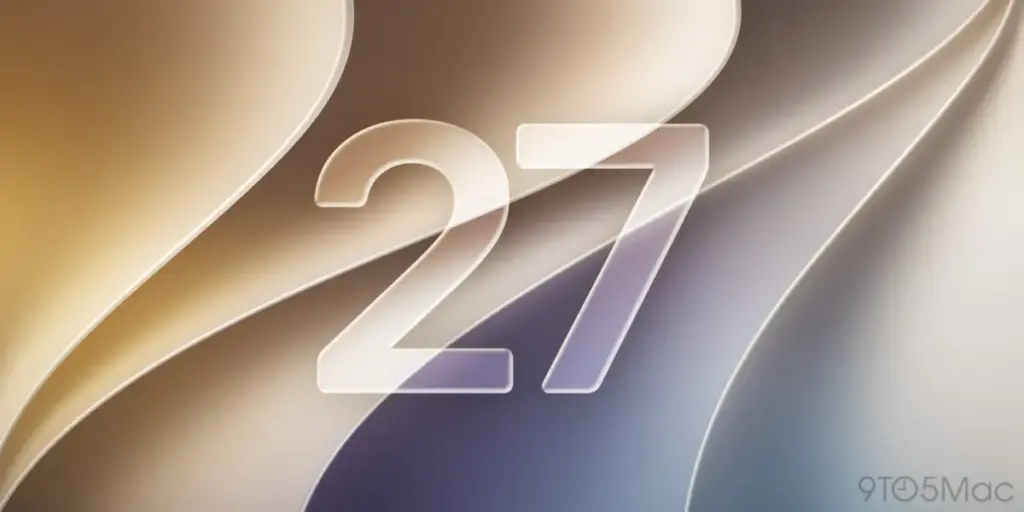
The long-awaited release of iOS 27 has officially arrived, bringing with it a comprehensive suite of enhancements designed to transform the daily user experience. While major operating system updates are often defined by flashy new features and interface overhauls, Apple has taken a decidedly different approach with this iteration. Instead of merely adding layers of complexity, the company has focused on the foundational elements of the iPhone, resulting in a release that makes the device feel significantly faster, more responsive, and more reliable across the board.
Apple has confirmed that the update introduces over 30 distinct performance optimizations. These improvements are not limited to the newest hardware; rather, they represent a systemic refinement of how the operating system manages resources, executes background tasks, and handles user interactions. For the average user, this translates to a snappier device, even on models that have been in the field for several years.
The Philosophy Behind iOS 27’s Performance Gains
When Apple first pulled back the curtain on iOS 27 during its developer conference in June, the messaging was clear: the company had spent the preceding months meticulously combing through its codebase to eliminate inefficiencies. Apple executives described the effort as a fundamental push to improve system capabilities, ensuring that everyday tasks—from launching a messaging app to switching between intensive workflows—feel faster, smoother, and more enjoyable.

This performance-first philosophy is particularly notable given the scope of the update. Usually, major revisions that introduce complex new features, such as the ground-up revamp of Siri seen in this cycle, can lead to performance degradation as the system demands more processing power. However, Apple appears to have successfully balanced these heavy feature sets with rigorous optimization. By refining how the OS manages memory allocation and background process prioritization, the engineers behind iOS 27 have managed to make the phone feel like new again, rather than weighing it down with additional technical debt.
The result is a more cohesive ecosystem. By streamlining the way system services communicate with one another, the latency between a user’s tap and the device’s response has been reduced. This is a subtle but pervasive improvement; it is the kind of change that, while difficult to point to as a single "feature," makes the device feel vastly more premium and capable in the hands of the user.
Benchmarking the Reality: Performance on Older Hardware
One of the most striking aspects of the iOS 27 rollout is its commitment to legacy support. The update is compatible with a wide range of devices, dating all the way back to the iPhone 11. This is a significant decision by Apple, as it effectively extends the usable lifespan of millions of devices currently in circulation.
Apple’s own internal metrics reinforce the efficacy of this optimization strategy. The company has explicitly stated that some of its most impressive performance benchmarks were derived from testing conducted on the iPhone 11 lineup. By focusing on older hardware, Apple has demonstrated that the gains in iOS 27 are not merely the result of faster processors in the latest models, but are instead a testament to software-level efficiency.
Consider, for instance, the metric regarding application launch speeds. Apple has reported that apps launch up to 30% faster under iOS 27 compared to previous iterations. This statistic was verified through rigorous testing on the iPhone 11 Pro Max, comparing a device running the final build of iOS 26.4.2 against an identical unit running iOS 27. In real-world usage, this means that the momentary hesitation often felt when opening high-demand applications has been largely eliminated. For users who have held onto their devices for several years, this update effectively bridges the gap between their aging hardware and the requirements of modern software, preventing the "planned obsolescence" feeling that often accompanies major OS updates on older phones.

A New Standard for Stability and Speed
The significance of these performance gains cannot be overstated, especially when viewed against the backdrop of the massive architectural changes occurring elsewhere in the OS. The complete overhaul of Siri, which required a significant rethink of how the iPhone handles natural language processing and on-device machine learning, is a massive undertaking. Typically, such a transition would be expected to come at the cost of battery life or overall system fluidity.
Instead, Apple has prioritized stability and speed as the bedrock of the update. By focusing on bug fixes and the reduction of overhead, the company has ensured that the "smarter" features introduced in this version do not compromise the "faster" nature of the device. This dual focus—innovation in AI and intelligence on one hand, and brute-force performance optimization on the other—represents a mature phase of software development. It signals that Apple is moving away from the era of simply adding features for the sake of novelty, and toward an era where the seamlessness of the experience is the primary feature.
For the average consumer, this update will be immediately noticeable. Whether it is the speed with which the camera app initializes, the fluidity of animations when navigating between home screens, or the reduced time it takes to wake the device from sleep, the collective impact of these 30-plus optimizations creates a tangible improvement. It is a rare update that makes a device feel fundamentally better without requiring the user to change their habits or learn new, complicated workflows.
Looking Ahead
As users begin to install iOS 27, the long-term impact on the ecosystem will likely be significant. By keeping older devices running at peak efficiency, Apple is maintaining a high baseline of performance that allows developers to create more demanding apps without alienating a large segment of the user base.

The success of this update suggests that the focus on "under the hood" improvements is a sustainable and popular strategy. While users will always be drawn to new interface designs and headline-grabbing AI capabilities, the quiet, persistent work of making the phone faster and more reliable is what ultimately keeps users satisfied with their hardware for years at a time. iOS 27 stands as a testament to that philosophy, proving that even a mature platform like the iPhone still has significant room for growth, provided the foundation is constantly refined.
For those currently using an iPhone 11 or newer, the update to iOS 27 is not just recommended; it is a vital refresh that redefines the capabilities of your existing device. By fixing longstanding bugs and optimizing the core OS, Apple has delivered an update that makes the daily experience of using an iPhone markedly better. As the rollout continues globally, it is expected that the sentiment across the user base will remain positive, as the benefits of these performance optimizations become apparent in the daily routine of millions of people. With the combination of a major Siri revamp and these significant speed improvements, iOS 27 marks a pivotal moment in the evolution of Apple’s mobile software, setting a high bar for what users should expect from future updates.