








The Legend of Zelda: Ocarina of Time has long been cemented in the gaming canon as a masterpiece of atmosphere, mechanical innovation, and, perhaps most notably, an underlying sense of melancholy. From the haunting melodies of Kakariko Village to the desolate, shadow-filled ruins of a fallen Castle Town, the game is not afraid to confront the player with the consequences of failure and the passage of time. However, in the newly released Ocarina of Time remake for the Switch 2, Nintendo has introduced a subtle, heart-warming adjustment that stands in stark defiance of the game’s typically somber tone. Amidst the encroaching darkness of Ganondorf’s reign, one of Hyrule’s most beloved residents—a dog named Richard—has been granted a second chance.
For those who have spent decades traversing the fields of Hyrule, the world of Ocarina of Time is a familiar map of tragedy. The game’s narrative pivot—the seven-year time jump that sees Link transition from a boy to a man—serves as the primary catalyst for the game’s pervasive sadness. When players return to a transformed world, they are met with the crumbling remnants of what was once a bustling, vibrant society. Castle Town, previously a hub of activity and commerce, becomes a desolate, monster-ridden ruin.
The Weight of History and the Fate of Castle Town
In previous iterations of the game, including the 2011 Nintendo 3DS version, the narrative implications of this change were rarely subtle. The presence of ReDeads—the iconic, shrieking, undead enemies that haunt the ruins—suggested a grim fate for the original inhabitants of the town. While the game never explicitly detailed the demise of every NPC, the environmental storytelling left little room for optimism.

Among the characters affected by this transition was Mamamu Yan, a quirky and passionate dog enthusiast who spent her days in the original Castle Town showering affection on her prized pet, Richard. Richard was, by all accounts, the "bestest boy" of Hyrule. Mamamu Yan’s dialogue centered entirely on her devotion to him, often to the exclusion of any other concern. It was a charming, lighthearted slice-of-life detail that made the world feel lived-in.
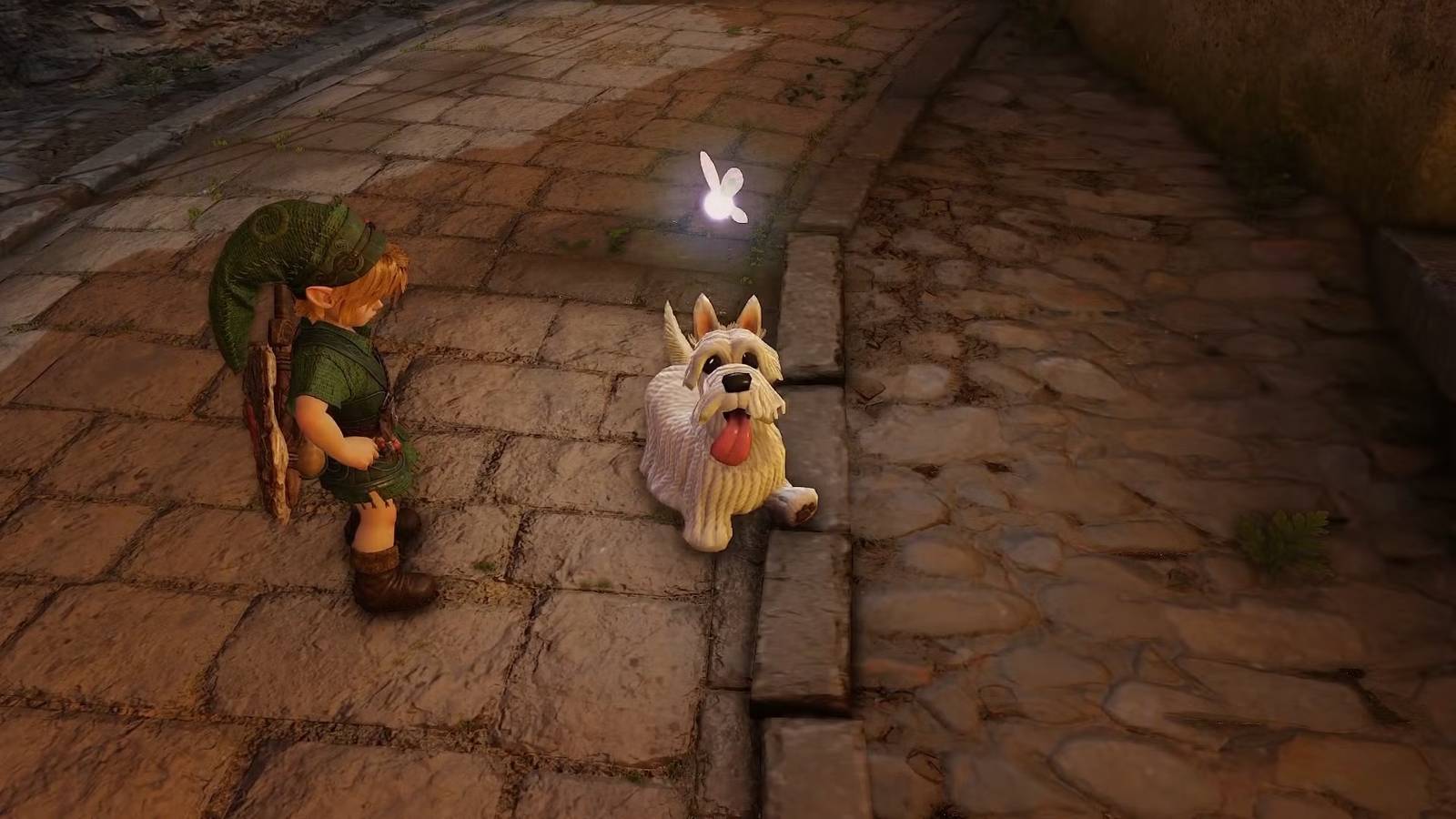
However, in the 3DS remake, the transition to the future brought a crushing reality for those who had grown attached to the pair. When players located Mamamu Yan in the relative safety of Kakariko Village, she spoke of Richard in the past tense. The implication was clear: the golden age of Richard had ended with the fall of the kingdom. While the game did not dwell on the tragedy of a lost pet, for many players, the realization that Richard had likely succumbed to the same fate as the rest of the town’s residents was a quiet, personal blow. It underscored the central theme of the game: that the forces of evil do not just conquer kingdoms; they erode the small, innocent joys that define them.
A Defiant Shift in the New Remake
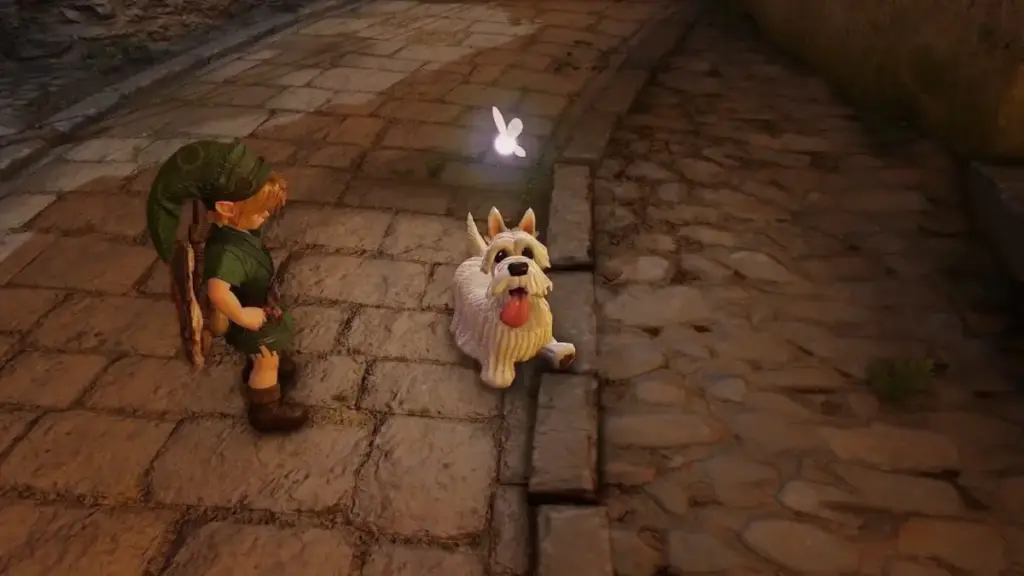
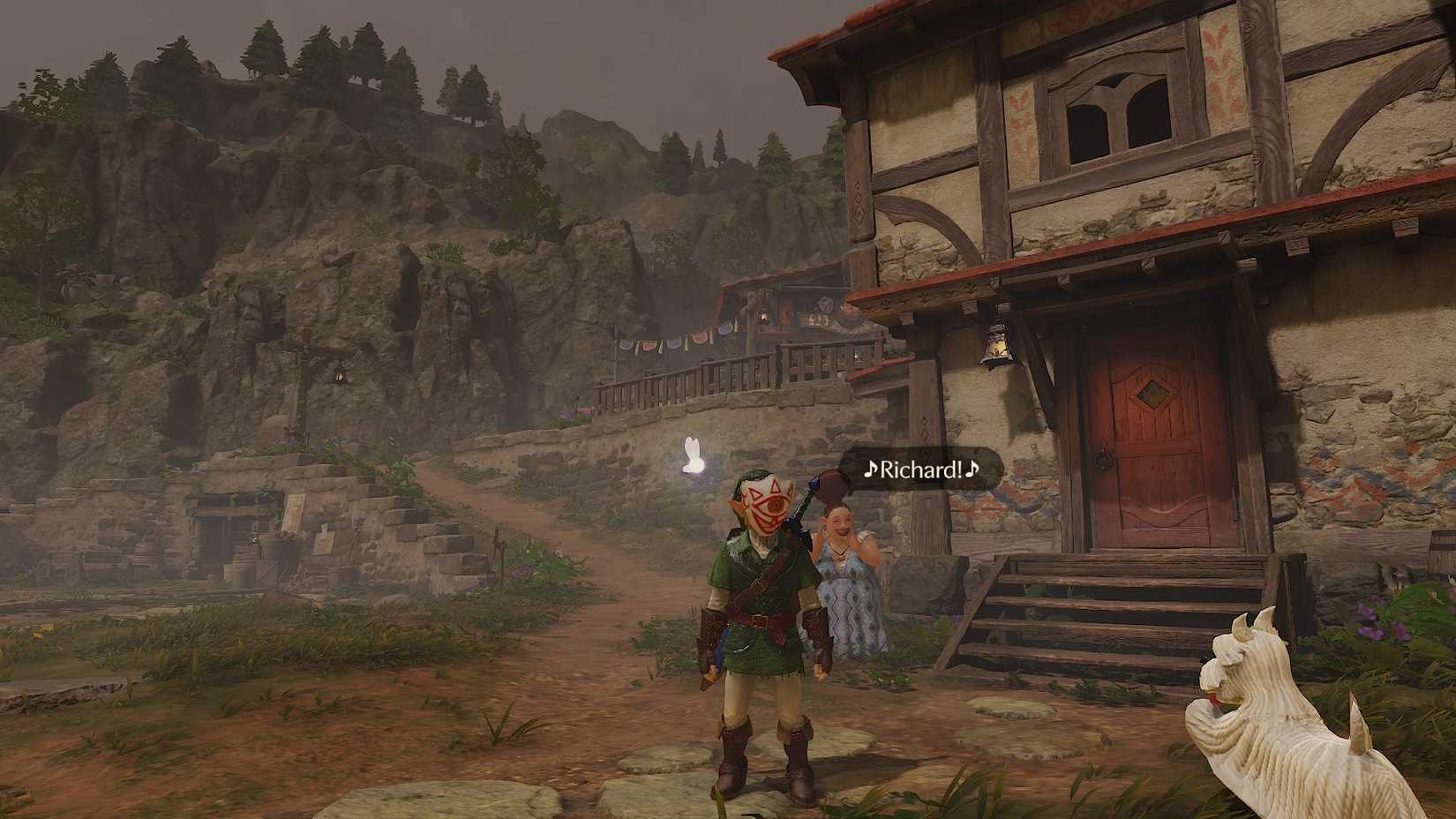
The latest remake on the Switch 2 has quietly pivoted away from this narrative of loss. Upon reaching the future version of Kakariko Village in this updated release, players will find that Mamamu Yan is not lamenting a lost companion, but instead continues to live alongside the very same Richard.
This is not a case of a pet owner simply replacing a lost friend with a namesake; it is definitively the same dog. Richard remains, in every sense of the word, the best dog in Hyrule. He can be found frolicking through the village during the daylight hours, and he remains safely accounted for when the sun sets. His presence acts as a rare beacon of continuity and light in a world that is otherwise defined by the scars of Ganondorf’s rule.
The inclusion of Richard in the adult timeline is a seemingly minor change, but it carries significant weight. It suggests a more optimistic perspective on the resilience of Hyrule’s citizens. By allowing this specific, cherished relationship to survive the seven-year gap, Nintendo has effectively provided a small, tangible win for the player. It is a moment of reprieve—a reminder that while the world may have been irrevocably altered, not everything precious has been sacrificed to the void.

Why Richard Remains the Best Boy
The significance of this change is amplified by the general tone of the Ocarina of Time remake. As critics and players alike have noted, the game is a "mostly faithful" recreation, yet it is punctuated by expansions that deepen the sense of horror and melancholy inherent in the original. The environments are sharper, the atmosphere is more oppressive, and the stakes feel higher than they did on the Nintendo 64. When the game presents such a daunting, bleak vision of the future, the contrast provided by a healthy, happy dog becomes even more poignant.
When a player stumbles into Kakariko Village after the harrowing experience of navigating the post-apocalyptic ruins of Castle Town, the sight of Richard is genuinely jarring in the best way possible. It breaks the tension. It forces a pause in the player’s quest to save the world, allowing for a brief moment of connection that isn’t tied to combat, puzzles, or high-stakes destiny.
Mamamu Yan’s dialogue has been updated to reflect this shift, with the character waxing at length about the virtues and splendor of her dog. There is no mention of ancestors or the passage of time having claimed him. He is simply there, a constant in a changing world. This choice reinforces the character of Richard as a symbol of innocence. In a narrative filled with ancient prophecies, warring factions, and the weight of the Triforce, a dog who is simply happy to exist provides a necessary humanizing touch to the grand scale of the Zelda mythos.
A Legacy Preserved
For longtime fans of the series, the fate of minor NPCs often goes unnoticed, but the "Richard factor" speaks to the care that went into the modern reimagining of this classic title. By preserving the life of this virtual pet, the developers have acknowledged that the emotional investment of the player matters.
The Ocarina of Time remake succeeds not only because it updates the visuals and performance for modern hardware, but because it understands the emotional topography of the original game. It knows exactly when to pull the heartstrings and when to offer a moment of comfort. By saving Richard, the developers have ensured that the most wholesome element of the original game remains intact, untarnished by the passage of time or the malice of the Great King of Evil.
As players continue to explore this version of Hyrule, they will undoubtedly encounter the same trials and tribulations that defined the 1998 classic. They will face the same puzzles, endure the same dungeons, and confront the same looming threat. Yet, they will do so with the knowledge that at least one good boy has made it through the dark times. It is a small, quiet change, but it is one that resonates deeply with anyone who has ever looked to their digital companions for a bit of warmth in a cold, pixelated world. Richard lives, and for many, that is more than enough to make the journey worth taking once again. May he continue to frolic in the safety of Kakariko, a permanent reminder that even in the darkest of legends, some things are meant to be preserved.