











For many developers working within the Drupal ecosystem, the decision to omit automated testing from a workflow often comes down to a familiar perception: that testing introduces unnecessary complexity, added expense, and administrative overhead without delivering proportional value. However, shifts in modern front-end tooling are challenging that assumption, with open-source solutions like Cypress emerging as a popular method for bridging the gap between robust quality assurance and agile development practices.
Traditionally, implementing comprehensive testing frameworks on content management systems could prove intimidating, particularly for teams focused primarily on rapid feature deployment and local environment configuration. Yet, as web applications grow increasingly sophisticated—incorporating dynamic user interfaces, complex Ajax workflows, and intricate permission structures—the risk of regressions in production environments has made automated validation more critical than ever.
To address this challenge, development teams have increasingly turned toward solutions that offer intuitive interfaces, seamless integration with existing JavaScript ecosystems, and powerful end-to-end testing capabilities. By focusing on how a real user interacts with a site through a browser, tools like Cypress provide immediate visibility into potential UI hurdles, broken authentication flows, and rendering anomalies that traditional unit tests might overlook.


For developers seeking to integrate these practices into an existing workflow, setting up the testing environment typically begins with a standard local development architecture. Assuming a project is structured around modern dependency management tools such as Composer—specifically utilizing standard project templates—implementing the testing suite involves initializing Node.js within the project root and pulling in the necessary packages via the Node Package Manager.
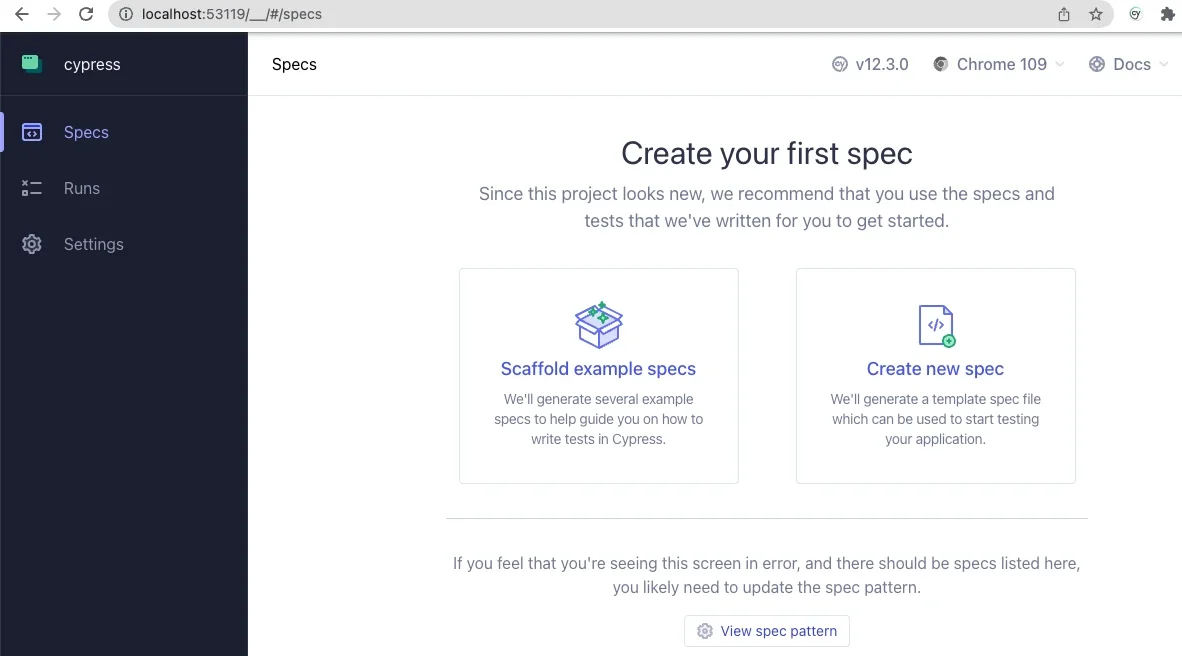
Once the initial configuration is complete, launching the interactive application reveals a user-friendly control center designed to guide developers through the setup of end-to-end testing parameters. Selecting a preferred Chromium-based browser opens a dedicated testing interface where automated routines can be configured, executed, and monitored in real time. Through this visual interface, developers can observe simulated user journeys side-by-side with a detailed, step-by-step transcript of the underlying script, transforming abstract code into tangible, observable user experiences.
One of the primary advantages of this approach is its ability to catch subtle interaction issues that might otherwise slip past traditional code reviews. During routine test authoring, developers frequently discover that modern CSS styling, such as complex flexbox layouts or overlapping container elements, can occasionally obstruct standard automated click events. By exposing these rendering nuances early in the development cycle, automated testing validates not only the underlying logic of an application but also the fidelity of its user interface.
Beyond basic page-load verification and form submissions, the testing framework allows for deep customization tailored specifically to the unique requirements of content management platforms. Through the implementation of custom commands, development teams can streamline repetitive tasks such as user authentication and session management. By centralizing these routines into modular support files, teams can drastically reduce redundancy in their test scripts, ensuring that complex scenarios—such as verifying restricted access permissions or testing dynamic content creation—can be executed cleanly and efficiently.
Furthermore, the integration capabilities extend well beyond standard front-end interactions. Advanced configurations allow developers to interface directly with back-end administrative tools, enabling workflows that execute command-line utilities programmatically during a test run. This capability allows testing suites to authenticate administrative users securely without the need to hardcode sensitive credentials into public repositories, significantly enhancing security posture while maintaining rigorous test coverage.
As the adoption of automated end-to-end testing continues to mature within the Drupal community, resources and shared repositories provided by industry practitioners are helping lower the barrier to entry for development teams of all sizes. By embracing these modern testing methodologies, developers can move past the traditional hesitation surrounding quality assurance, transforming testing from a burdensome chore into an integral, efficient component of the modern web development lifecycle.