












For television enthusiasts, the mid-2000s represented a golden era of high-concept, serialized storytelling. Leading that charge was J.J. Abrams, whose work on Lost—the definitive "puzzle-box" mystery series—forever changed the landscape of network television. With its haunting 2004 pilot, which Abrams also directed, the show hooked millions of viewers by thrusting them into the wreckage of Oceanic Flight 815 alongside a disoriented and desperate Jack Shephard.
While Lost cemented Abrams’ reputation as a master of suspense and long-form narrative, he didn’t stop there. By 2008, he had pivoted toward a different, perhaps more experimental project that would eventually earn its own dedicated, if initially niche, following. That show was Fringe, a paranormal science fiction procedural that has aged into a cult classic. For those who missed its original run or are looking to revisit its intricate, reality-bending lore, there is now a convenient way to dive back in: Fringe is officially available to stream for free on Pluto TV.
The Genesis of an Inventive Procedural
When Fringe first debuted, it bore some of the thematic DNA of its predecessor. Much like the opening of Lost, the series premiere of Fringe is anchored by a harrowing aerial disaster. However, where Lost focused on the survival of the passengers, Fringe began with a plane that landed safely—yet every single person on board was dead, their bodies gruesomely affected by an unknown force.

The immediate mystery surrounding that flight served as the perfect gateway into the show’s central premise: the existence of "fringe science." Throughout its five-season run, the series explored the blurred lines between theoretical research and catastrophic reality, ranging from teleportation and mind control to the existence of parallel dimensions. While the show’s initial reception was mixed—often struggling to find its footing among audiences expecting a more traditional police procedural—it gradually evolved into a sophisticated, emotionally resonant epic. By the time it reached its conclusion, Fringe had secured its status as a foundational text of modern speculative fiction.
Inside the World of the Fringe Division
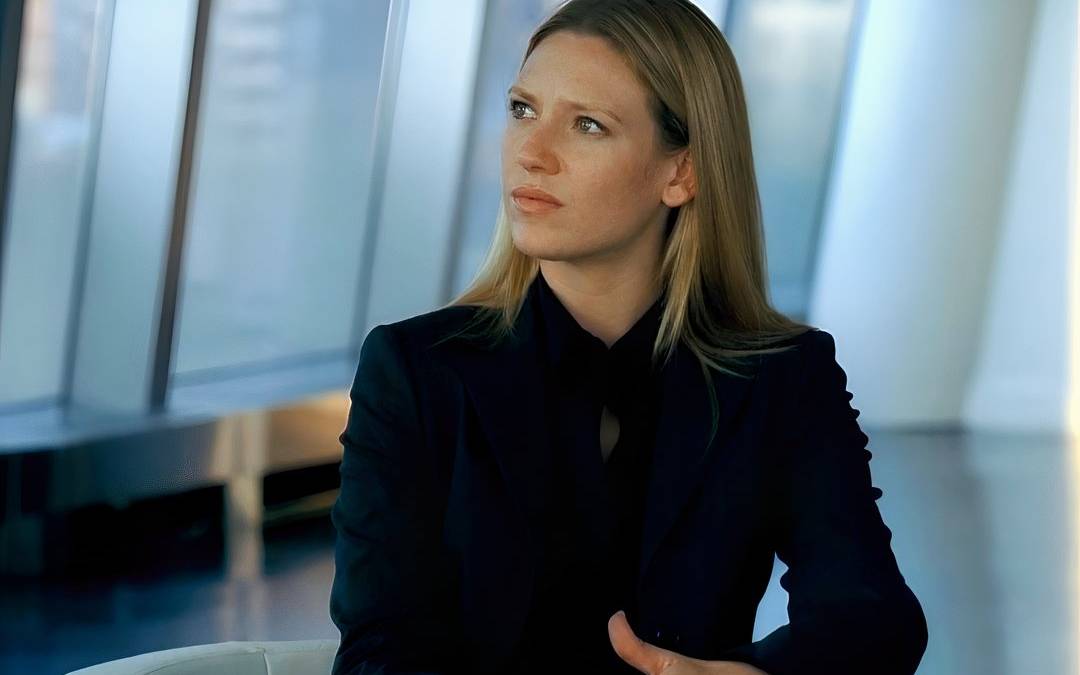
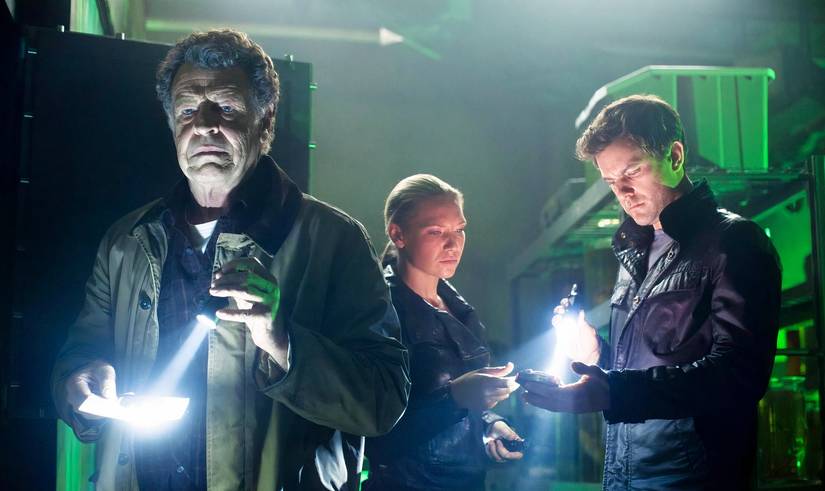
At the heart of the series is the Fringe Division, a specialized branch of the FBI tasked with investigating cases that fall outside the realm of conventional law enforcement. The core of the show’s narrative is built around an unlikely trio: Agent Olivia Dunham, played by Anna Torv; Dr. Walter Bishop, portrayed with brilliant eccentricity by John Noble; and his estranged son, Peter Bishop, played by Joshua Jackson.
The team’s primary setting involves the strange occurrences surrounding Reiden Lake, a location that serves as a focal point for a broader, more ominous conspiracy. As the series progresses, the audience learns that a network of rogue scientists is planning a doomsday event, forcing the Fringe Division to confront not only the dangers of their work but also the deeply personal secrets they keep from one another.

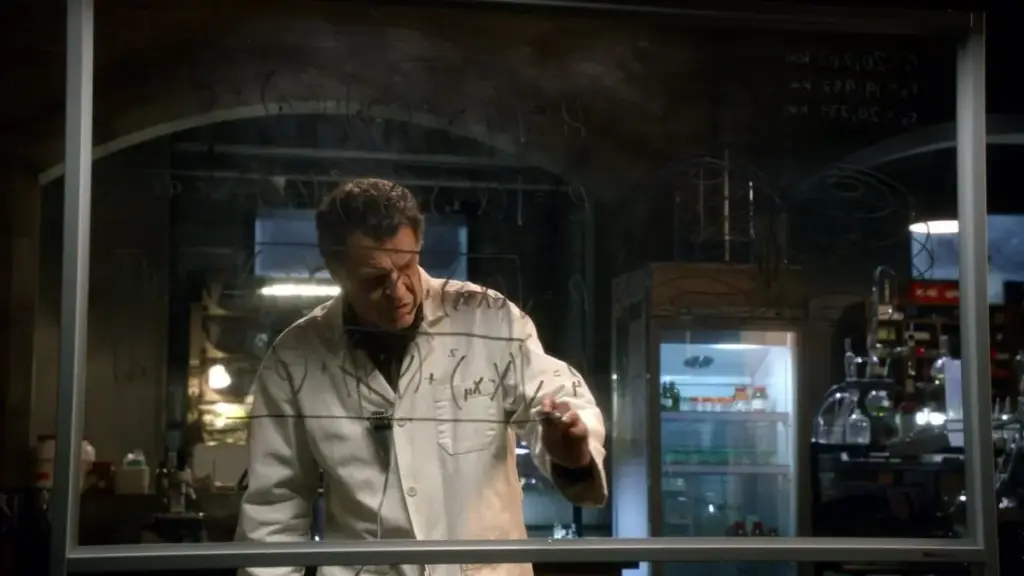
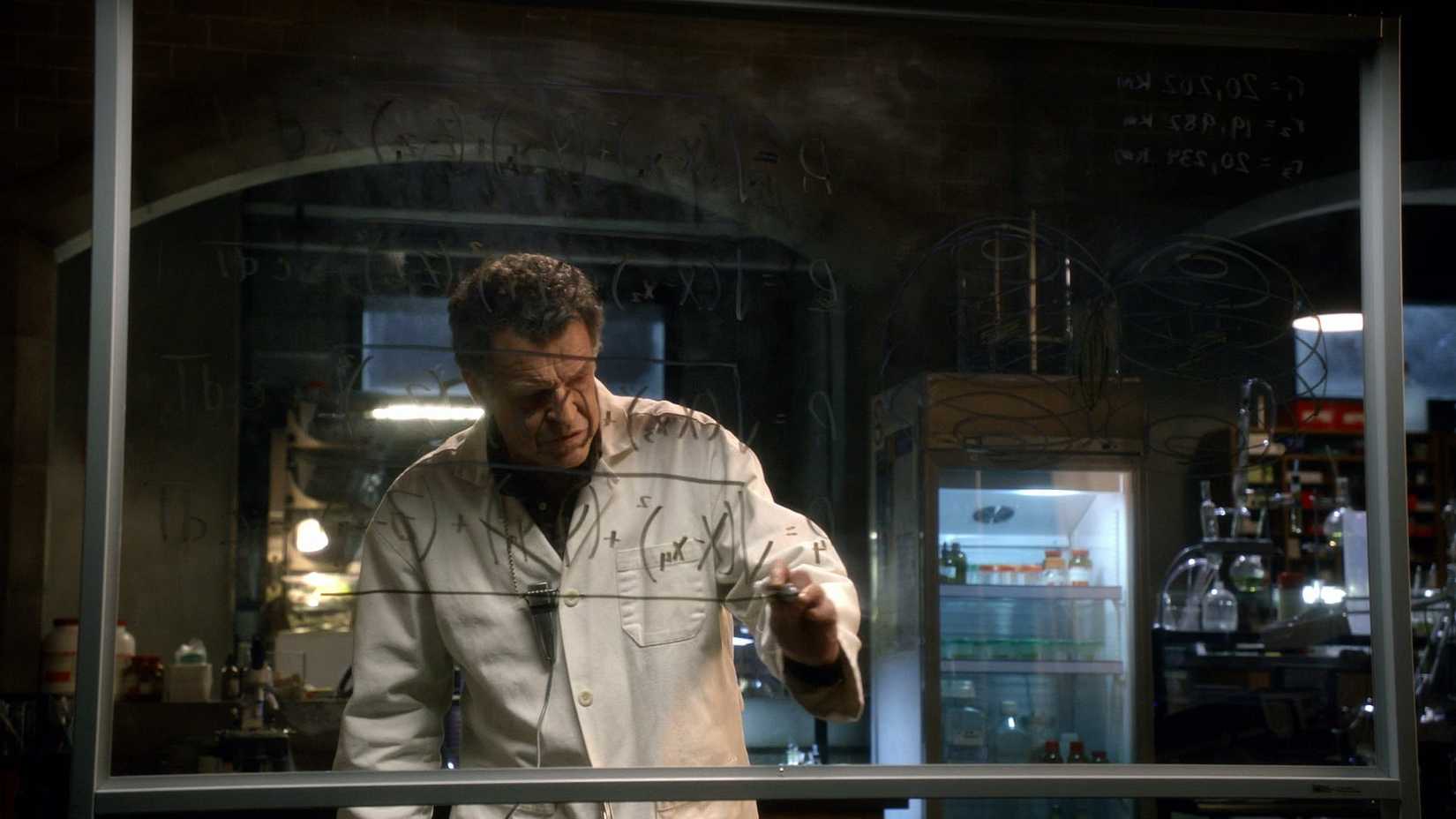
Dr. Walter Bishop functions as the archetype of the "mad scientist," a man whose brilliant mind is matched only by his moral ambiguity and his penchant for unorthodox experimentation. His presence in the lab, often surrounded by strange equipment and half-finished theories, brings a unique energy to the team. His complex, often strained relationship with his son, Peter, and his developing professional bond with Olivia, provide the emotional ballast that keeps the show’s more outlandish scientific concepts grounded in human reality.
Balancing Hard Science with Human Emotion
One of the most frequent comparisons made during the show’s tenure was to The X-Files and The Twilight Zone. Indeed, Fringe leaned heavily into the "monster-of-the-week" format in its early days, with standalone episodes that showcased bizarre scientific phenomena. A prime example of this is the fourth-season episode "Welcome to Westfield," which traps the characters in a reality-bending anomaly that feels like a direct homage to the classic, unsettling storytelling of The Twilight Zone.
However, Fringe distinguishes itself from its predecessors through its deep, persistent focus on the internal lives of its characters. While the show is packed with hard sci-fi jargon, quantum entanglement theories, and alternate timelines, it never loses sight of the individuals caught in the crossfire. It is, at its core, a story about the fragility of family and the lengths to which people will go to protect the ones they love—even when the nature of that love is complicated by parallel versions of themselves.
The series is also surprisingly effective at balancing its darker, high-stakes narrative arcs with a distinct, often dry sense of humor. Even the most stoic figures, such as FBI boss Phillip Broyles, played by the late Lance Reddick, are given moments of levity. These brief windows of humanity make the characters feel approachable, even as they deal with threats that could unravel the fabric of the universe.
Why ‘Fringe’ Is Perfectly Suited for Modern Binge-Watching
In the era of streaming, Fringe has found a second life that suits its complex, serialized nature. When the show originally aired on Fox, it was subject to the traditional weekly release schedule and the constraints of the DVD box set era. Today, the show is remarkably well-suited for the modern binge-watching model. Viewers can now track the development of the overarching "mythology" episodes without the frustration of long hiatuses between chapters.
The show’s ability to weave together disparate, fantastical elements—such as dimension-hopping and advanced biotechnology—with the grounded, relatable struggles of its main characters is what allows it to endure. The science, while often leaning into the "fringe" side of things, is meant to spark the imagination rather than provide a rigorous lesson in physics. One does not need to be an expert in theoretical science to follow the narrative threads; the emotional stakes are always clear, and the performances by Torv, Noble, and Jackson ensure that the audience remains invested in the outcome.
For those who have yet to experience the journey of the Fringe Division, or for long-time fans who want to revisit the mysterious world of Walter Bishop and his team, the barrier to entry has never been lower. By prioritizing character development and emotional empathy alongside its high-concept sci-fi premise, Fringe remains a rewarding and deeply satisfying viewing experience. With its entire library now available to stream at no cost on Pluto TV, there has never been a better time to step into the world of the impossible.