









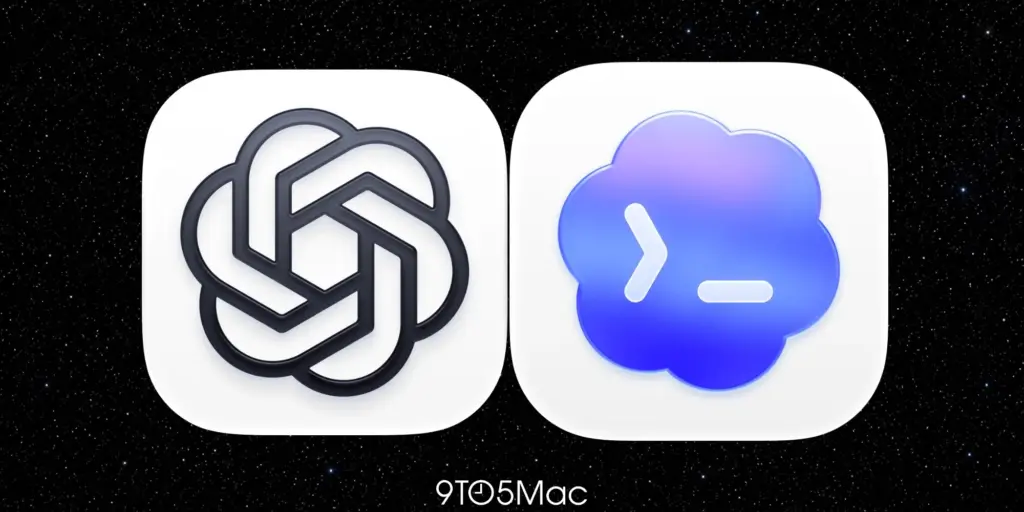
OpenAI has significantly expanded its artificial intelligence ecosystem this week with the launch of two new models, GPT-6 Sol and GPT-6 Luna. Following the early September debut of the flagship GPT-6 Astra, these additions mark a strategic shift in how the company approaches model deployment, focusing on a balance of high-level intelligence and operational cost-efficiency. By introducing Sol and Luna, OpenAI is effectively rounding out its latest generation of models, signaling a departure from previous tiering structures and placing a heavier emphasis on specialized, budget-conscious performance for enterprise and developer workflows.
The rollout, which began in the third week of September 2026, brings immediate changes to the ChatGPT desktop experience and the broader Codex developer environment. According to official release notes from the company, both Sol and Luna are designed to consume fewer tokens than their predecessors—the GPT-5.6 class of models—while providing superior performance across a variety of metrics. This efficiency is central to OpenAI’s current strategy, which seeks to make advanced agentic workflows more sustainable for businesses that rely on high-volume automation.
Strategic Realignment: Sol, Luna, and the Future of Scaling
The introduction of Sol and Luna clarifies the new hierarchy within the GPT-6 architecture. Industry observers have noted the conspicuous absence of a "Terra" model, which previously served as a mid-tier offering. It appears that OpenAI is consolidating its product line into three distinct pillars: Terra for small-scale, high-speed tasks; Sol for complex, agentic, and professional-grade coding; and Astra for the most demanding, large-scale computational challenges.

OpenAI’s official announcement highlights the necessity of this diversification. The company acknowledges that while the flagship Astra model remains the gold standard for projects requiring maximum depth and reasoning, the reality of modern enterprise work is defined by a wide spectrum of scales, rhythms, and budgetary constraints. By bringing the advancements found in Astra—specifically its state-of-the-art performance in factuality, reasoning, and alignment—to these more specialized models, OpenAI aims to democratize access to the latest generation of intelligence.
The focus on cost-efficiency is perhaps the most significant aspect of this update. OpenAI has confirmed that the GPT-6 versions of Sol and Luna are priced at a 50% discount compared to the promotional pricing of the GPT-5.6 models they replace. This price reduction is facilitated by significant improvements in infrastructure, particularly regarding caching and inference optimizations. By passing these savings directly to users and corporate partners, OpenAI is attempting to lower the barrier to entry for companies looking to integrate AI into their core operational stacks at scale.
Empowering Coding Agents and Developers
For the developer community, the update is particularly impactful. Over the past year, coding agents have evolved rapidly, moving from simple script generation to managing complex, multi-step software development lifecycles. This shift has placed immense pressure on the cost of sustained API usage. OpenAI internal data reveals that for many of its researchers, daily token usage has reached substantial figures, with the 90th percentile of researchers regularly exceeding $7,000 in daily API costs.
As coding agents become more autonomous, the economic viability of these tools becomes a primary concern. GPT-6 Sol is being positioned as the workhorse for this specific demographic. It combines the rigorous coding standards of the GPT-6 architecture with a more accessible price point, providing developers with the headroom to iterate more frequently and tackle more ambitious projects without fear of prohibitive costs. The company hopes that by providing a more stable and cost-predictable model, teams will feel more confident in deploying agentic workflows that require longer, more demanding, and continuous reasoning processes.
Benchmarking Performance in Computer Use
Beyond pure code generation, the new models are being integrated into the expanding field of "Computer Use"—the ability of an AI model to interact directly with desktop applications and operating systems to perform tasks. While GPT-6 Astra retains the title of the most capable model in the company’s arsenal for this domain, Sol and Luna provide highly competitive performance metrics that challenge the existing industry standard.

OpenAI has utilized the OSWorld 2.0 offline benchmark to demonstrate the efficacy of these new models. When testing at "xhigh" effort, GPT-6 Sol achieves a performance score of 60.5%, mirroring the results of competitors like Claude Opus 5 at "medium" effort, which scores 60.3%. The distinction, however, lies in the efficiency; Sol achieves this level of competency at approximately 80% lower cost per task. Furthermore, the "max" version of GPT-6 Luna has shown the ability to outperform the previous GPT-5.6 Sol model while operating at only one-tenth of the cost. These figures suggest that the focus on "cost-intelligence" curves is not merely a marketing strategy, but a fundamental improvement in the underlying architecture of the models.
Accessibility and Rollout Strategy
The accessibility of these models varies depending on the user’s subscription tier and workspace settings. Starting today, GPT-6 Sol and GPT-6 Luna are being deployed across ChatGPT Work and the Codex developer platform. The rollout encompasses a broad range of user tiers, including Plus, Pro, Business, Enterprise, and Edu subscribers. For users on the free and "Go" tiers, GPT-6 Luna is becoming available specifically through the ChatGPT desktop application, providing a significant boost to local performance for casual and power users alike.
However, the transition is not entirely automatic for large organizations. Enterprise administrators are required to manually enable these models within their workspace settings to ensure that internal data policies and workflow integrations are maintained. In the current interface, the models are specifically designated for Work and Codex environments, remaining separate from the standard consumer Chat interface. This distinction underscores OpenAI’s commitment to segmenting its offerings based on the needs of the user, whether they are individual enthusiasts or large-scale enterprises managing sensitive, long-running agentic tasks.
As OpenAI continues to roll out these models throughout the day, the broader implications of this update remain clear: the company is moving away from the era of "one-size-fits-all" model releases. By creating a refined ecosystem of models tailored to specific workloads—ranging from high-volume everyday tasks handled by Luna to complex, agent-led development handled by Sol—OpenAI is setting a new precedent for how frontier models are brought to market. The emphasis on lower inference costs and optimized token usage suggests that the industry is entering a phase where the maturity of AI deployment is defined less by raw capability and more by the practical, sustainable integration of that capability into everyday business and research operations.

For now, the focus remains on the rapid adoption of these models. With the developer community and enterprise clients already beginning to test the limits of Sol and Luna, the coming weeks will likely provide a clearer picture of how these models perform in diverse, real-world environments. For those looking to integrate these tools, the documentation provided by OpenAI offers a deep dive into the specific capabilities and performance characteristics of each tier, ensuring that developers and businesses can choose the model that best fits their unique operational requirements.