





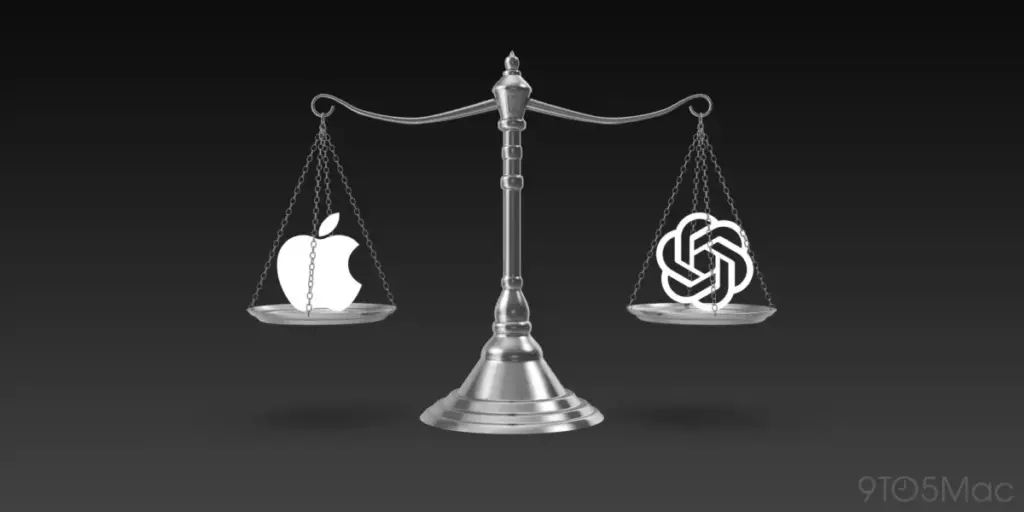
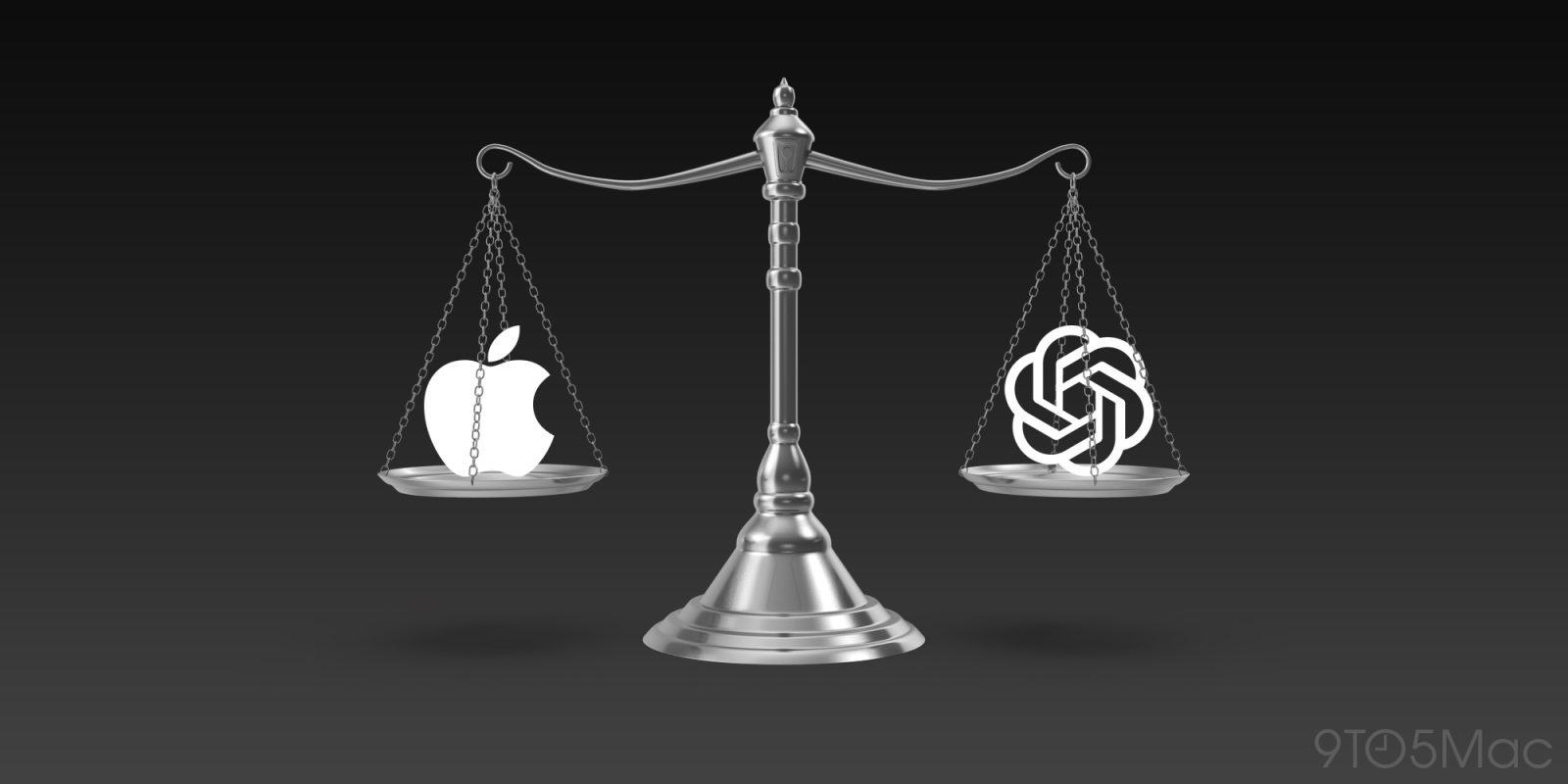
The legal battle between Apple and OpenAI has entered a contentious new phase, with OpenAI and its co-defendants formally asking the court to strike a significant volume of evidence recently submitted by the iPhone maker. The dispute, which centers on allegations of trade secret misappropriation, has become a complex clash of forensic data, expert testimony, and procedural maneuvering as both sides fight for the upper hand in Apple’s bid for a preliminary injunction.
At the heart of the litigation are serious allegations brought by Apple against OpenAI, Jony Ive’s venture io Products, and two former Apple employees, Chang Liu and Tang Tan. Apple’s complaint contends that these individuals leveraged their access to proprietary information to advance OpenAI’s ambitions in consumer hardware. Specifically, Apple alleges that Liu accessed sensitive engineering files after his departure from the company, while Tan is accused of soliciting confidential information from current Apple employees who were interviewing for positions at his new firm.
The stakes of the case are considerable, as Apple seeks a preliminary injunction to bar the defendants from utilizing, disclosing, or soliciting its trade secrets. Apple argues that such an order is necessary to prevent its proprietary technology from being further integrated into OpenAI’s hardware development pipeline while the litigation proceeds.

Escalation through Expert Testimony
The current friction stems from a recent filing in which Apple attempted to bolster its request for a preliminary injunction. To reinforce its position, Apple submitted a reply brief accompanied by five comprehensive expert declarations totaling 126 pages, alongside 13 supplemental exhibits. These experts—Daniel Roffman, James Pooley, Dr. Ayman Fayed, Dr. Paul Hatch, and Dr. Jude Runge—were tasked with providing technical and analytical support for Apple’s claims.
The scope of this expert testimony was broad, covering critical areas such as the effectiveness of Apple’s internal security protocols, forensic analysis of devices used by Liu, the commercial and technical value of Apple’s proprietary power-management technologies, and the highly guarded processes behind Apple’s signature metal-finishing techniques. By introducing these declarations, Apple sought to demonstrate that the opposition presented by OpenAI failed to address the substance of its allegations and that the evidence against the defendants was more substantial than previously detailed.
The Defendants’ Rebuttal: A Procedural Challenge
OpenAI and the other defendants have responded with a sharp rebuke, characterizing Apple’s latest submission as a procedural overreach. In their new filing, the defendants argue that Apple has used the reply brief as a vehicle to introduce entirely new evidence and expert opinions that should have been disclosed during the initial filing phase.
The defense team contends that by withholding this information until the reply stage, Apple has effectively deprived them of a fair opportunity to respond, creating an imbalance in the adversarial process. Their motion to the court is clear: they are asking the judge to strike two of the new expert declarations entirely and to disregard several other pieces of evidence that they deem improperly introduced.
"Apple submitted with its reply brief five new expert declarations (including one entirely new expert), totaling 126 pages, as well as numerous new exhibits," the defendants noted in their filing. "These declarations go far outside the scope of Apple’s opening brief and Defendants’ opposition, and in any event do not save Apple’s deficient motion."
The defense further deconstructed the specific contributions of the experts involved, arguing that the late introduction of this material is a desperate attempt to patch holes in Apple’s original legal strategy. They specifically pointed to the inclusion of Dr. Jude Runge, who was brought in as a new expert to support testimony Apple had already provided, suggesting that this was a redundant and untimely effort to bolster a weak argument.
Regarding Dr. Ayman Fayed, the defendants argued that his opinions could and should have been presented when the case was first opened. They also raised concerns about James Pooley, claiming that his expert analysis relied on an investigation that was only conducted after Apple had already initiated the lawsuit and filed its motion for an injunction.

Perhaps most critically, the defendants targeted the declaration of Daniel Roffman. They argue that the evidence and exhibits attached to Roffman’s statement were available to Apple well before the initial filing. Furthermore, the defense claims that Roffman’s interpretation of certain communications involving Chang Liu takes those interactions out of their proper context, misrepresenting the nature of the device activity.
The Request for Judicial Intervention
Because of these perceived procedural violations, the defendants are urging the court to strike Roffman’s declaration and his associated exhibits, while also asking the judge to disregard the broader set of new evidence Apple has presented.
However, the defense has also provided a contingency strategy. They have requested that if the court determines it will consider the material from Roffman’s declaration, it must also grant the defense the right to respond in kind. Specifically, they have submitted a new declaration from Chang Liu, which serves as a rebuttal to the characterization of his messages and device activity. Liu’s declaration provides his own version of events, aiming to contextualize the interactions that Apple has framed as evidence of trade secret theft.
The move by the defendants to bring Liu’s testimony forward underscores the intensity of the case. By attempting to force the court to either ignore Apple’s new evidence or provide a platform for the defense to counter it, OpenAI and its partners are signaling that they intend to challenge every piece of forensic and expert data that Apple brings to the table.
Ongoing Legal Uncertainty
The outcome of this specific dispute over evidence will likely influence the momentum of the broader lawsuit. For Apple, the goal remains the protection of its hardware development secrets, which it believes are being compromised by former employees now operating under the OpenAI umbrella. For the defendants, the strategy appears to be a dual-pronged approach: challenging the admissibility of Apple’s evidence on procedural grounds while simultaneously providing narrative rebuttals to the specific claims of misconduct.

As the court reviews the filings, the case serves as a high-profile reminder of the complexities inherent in trade secret litigation, particularly when dealing with the mobility of talent in the tech sector and the intersection of hardware innovation with artificial intelligence. The court’s decision on whether to strike the expert declarations or allow them to remain in the record will likely dictate the next chapter of this dispute, determining how much of the forensic evidence will ultimately be weighed by the court in its decision on the preliminary injunction.
Both sides remain deeply entrenched in their positions, with the legal filings continuing to highlight the high-stakes nature of the intellectual property at play. As the proceedings move forward, the legal community will be watching closely to see how the court balances the need for a full evidentiary record against the procedural rights of the defendants to address new evidence in a timely and fair manner. For now, the case continues to develop, with the most recent filings providing a clear picture of the mounting tension between the two industry titans.