









Amazon Web Services (AWS) has announced a significant evolution in how developers interact with its massive cloud ecosystem, introducing a simplified, project-oriented experience designed specifically for the modern, AI-accelerated era of software engineering. By prioritizing immediate productivity and removing traditional configuration barriers, AWS aims to return to its roots as a platform where any developer with a nascent idea can begin building in minutes rather than hours.
For nearly two decades, AWS has served as the backbone of the global internet, beginning with foundational infrastructure services like Amazon Simple Storage Service (S3), Amazon Elastic Compute Cloud (EC2), and Amazon Simple Queue Service (SQS). As the platform matured, it grew to meet the complex demands of the world’s largest enterprises and government entities, requiring a robust suite of tools for global scaling, intricate networking, stringent security, and granular governance. While this depth and breadth of service remain critical for large-scale operations, AWS has acknowledged that these same configuration requirements can act as friction for individual builders, startups, and small teams attempting to move rapidly from concept to prototype.

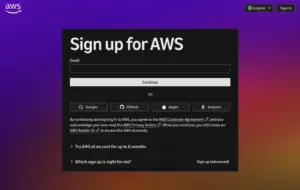
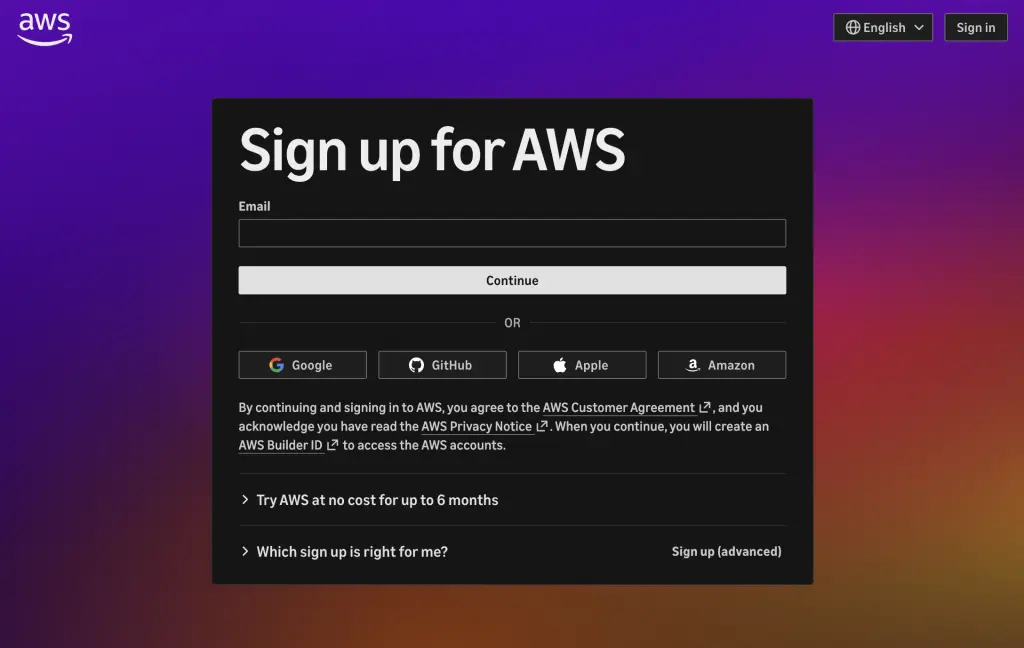
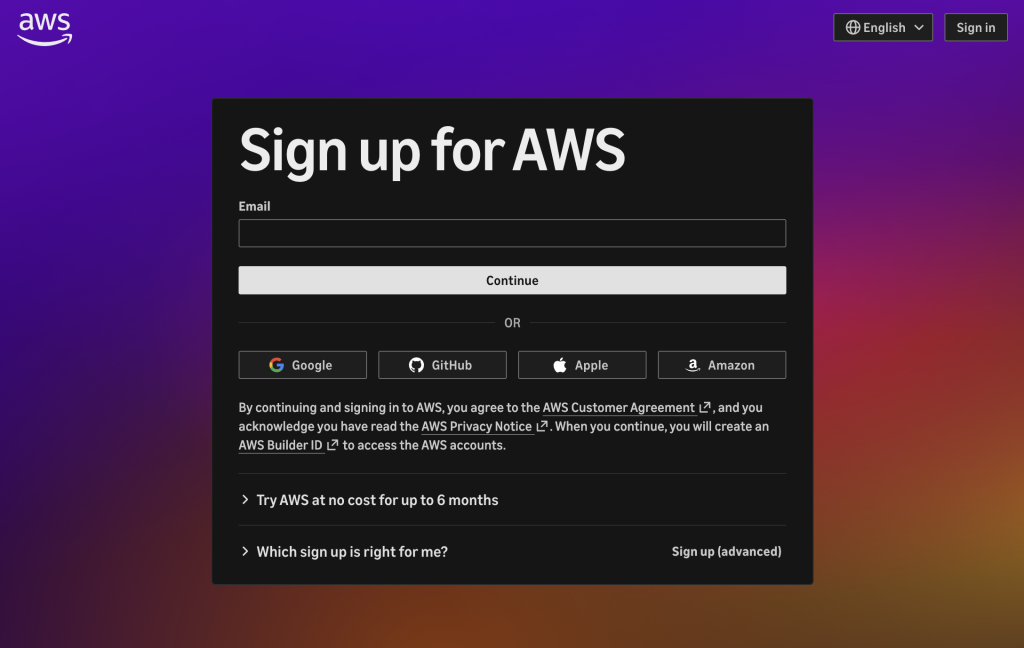
The new simplified experience is designed to address this friction by replacing complex initial setup tasks with sensible, automated defaults. Starting today, new users can sign up using familiar identity providers such as Google, GitHub, and Apple, streamlining the authentication process. In a move to further lower the barrier to entry, most new customers will no longer require a credit card to initiate their first project, instead receiving $100 in AWS Free Tier credits upon account creation.
At the core of this new experience is the concept of a "project." When a user creates an account, AWS automatically organizes the work into a dedicated project container. This structure encapsulates an AWS account, manages resource creation, and handles team-based access controls. The system applies optimized security configurations automatically, allowing builders to focus on code rather than the intricacies of Identity and Access Management (IAM) or the setup of IAM Identity Center.

Collaboration is similarly simplified. Instead of navigating complex permission structures, a project owner can invite team members simply by using their email addresses. The system handles the underlying identity permissions automatically, ensuring that collaborators gain access only to the specific projects they have been invited to, while the platform’s internal workflows manage resource permissions behind the scenes. This eliminates the traditional need for manual troubleshooting of IAM roles or policy definitions, allowing developers to focus on iterating their application.
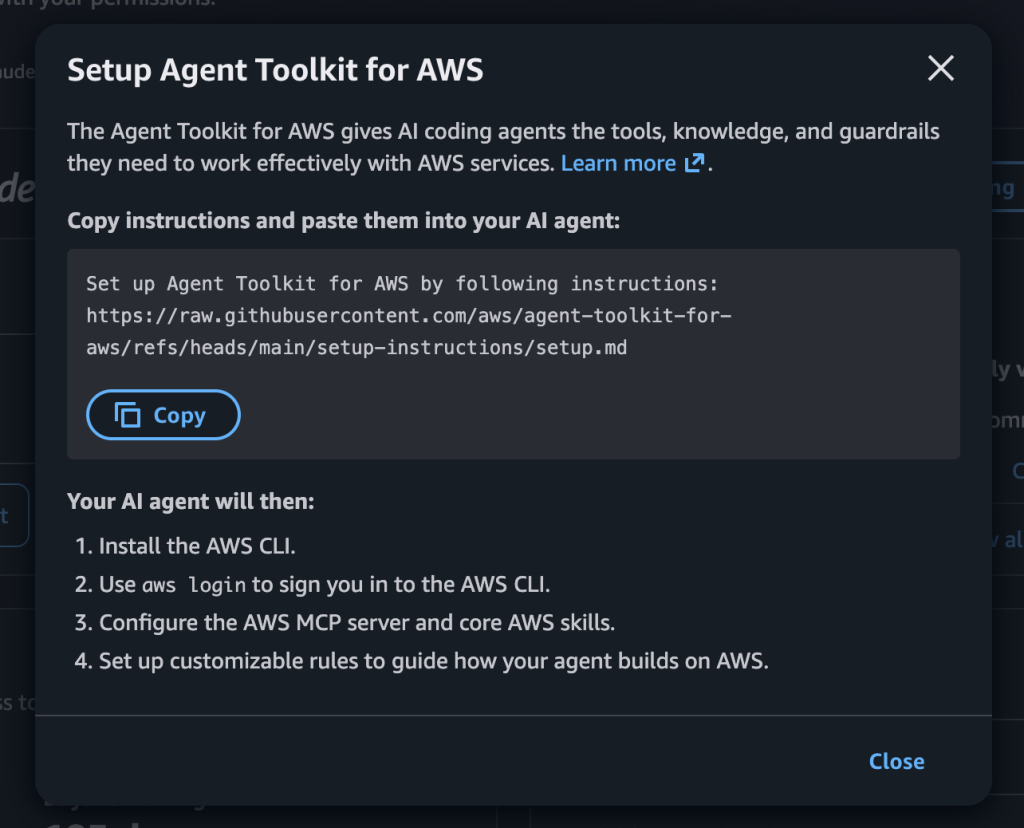
To bridge the gap between human developers and cloud infrastructure, the new experience features deep integration with modern coding agents. Upon signing in, users are provided with a specific prompt that can be pasted into their preferred coding agent. Once configured, the agent acts as an automated bridge to the AWS environment, capable of deploying resources, executing workloads, and managing application iterations in accordance with industry best practices.
In a practical demonstration of this workflow, an developer can request that a coding agent build an API designed to return a unique, sequential identifier with every request. The agent, connected to the AWS environment, can automatically orchestrate the deployment of an AWS Lambda function, an Amazon DynamoDB table, and an Amazon API Gateway instance. This end-to-end deployment occurs without the developer ever needing to manually configure permissions between these disparate services. The agent confirms when the public endpoint is live and provides a comprehensive summary of the deployed architecture, effectively turning a high-level request into a functional cloud application in a matter of minutes.
Financial management for these projects has also been reimagined to be more approachable. As a project transitions from the initial free-credit phase to a paid model, users can establish a monthly spend limit directly within the project interface, starting at a minimum of $20 per month. This spend limit acts as a strict ceiling for the project’s costs, ensuring that developers can experiment with confidence. AWS provides automated recommendations based on usage trends, allowing users to either accept the suggested budget or set a custom limit to accommodate their specific scaling plans.
To maintain transparency and control, the system includes a robust notification mechanism. If a project’s spending approaches its established limit, the owner receives proactive alerts. In the event that the spend limit is reached, AWS will automatically pause the project to prevent further charges, rather than allowing an unexpected bill to accumulate. This "guardrail" approach allows users to manage multiple projects with varying budgets, providing more resources to high-traction workloads while keeping smaller, experimental projects on a tighter financial leash.
For developers who eventually outgrow the simplified project environment, the platform provides a seamless path to advanced features. As projects evolve to require multi-region support, complex governance policies, or the full suite of AWS Organizations capabilities, users can activate these features without needing to migrate their data or experience downtime. The transition preserves all previously configured resources and settings, reflecting the underlying AWS infrastructure in a more granular, advanced view. This ensures that the platform remains flexible, serving as both a rapid prototyping sandbox for early-stage ideas and a robust, scalable engine for mature enterprise applications.

The introduction of this experience represents a strategic shift for AWS, reflecting a broader industry recognition that the complexity of cloud infrastructure can sometimes stifle the speed of innovation. By leveraging the power of AI-assisted development and applying sensible, secure-by-default configurations, Amazon is attempting to lower the cognitive load for its users. The company has stated that this initiative is a direct response to feedback from the builder community, who expressed a desire to spend less time on environment configuration and more time on actual development.
As the rollout of this new experience continues, AWS remains committed to its original mission: providing the tools necessary for anyone with an idea to build and deploy it effectively. While the global reach and technical depth of the platform remain as prominent as ever, the addition of this simplified entry point is intended to ensure that the platform remains accessible to a new generation of developers, while still providing a clear roadmap for their growth and success. For those looking to get started, the platform is now available for new account sign-ups, with detailed documentation provided to help users understand the nuances of this new project-based workflow.