








There is a distinct, unmistakable energy that descends upon New York City in mid-September. The sweltering humidity of late summer finally yields to crisp, invigorating air, the scent of pumpkin spice begins to drift through the streets, and the professional pulse of the city accelerates as autumn routines take hold. This seasonal shift is mirrored perfectly by the relentless pace of the AWS launch calendar, which has hit a new gear this week. As teams transition into the final stretch of the year, the focus in the cloud computing sector has shifted toward more sophisticated integration, deeper model reasoning, and a fundamental rethink of how developers leverage AI agents to transform their daily workflows.
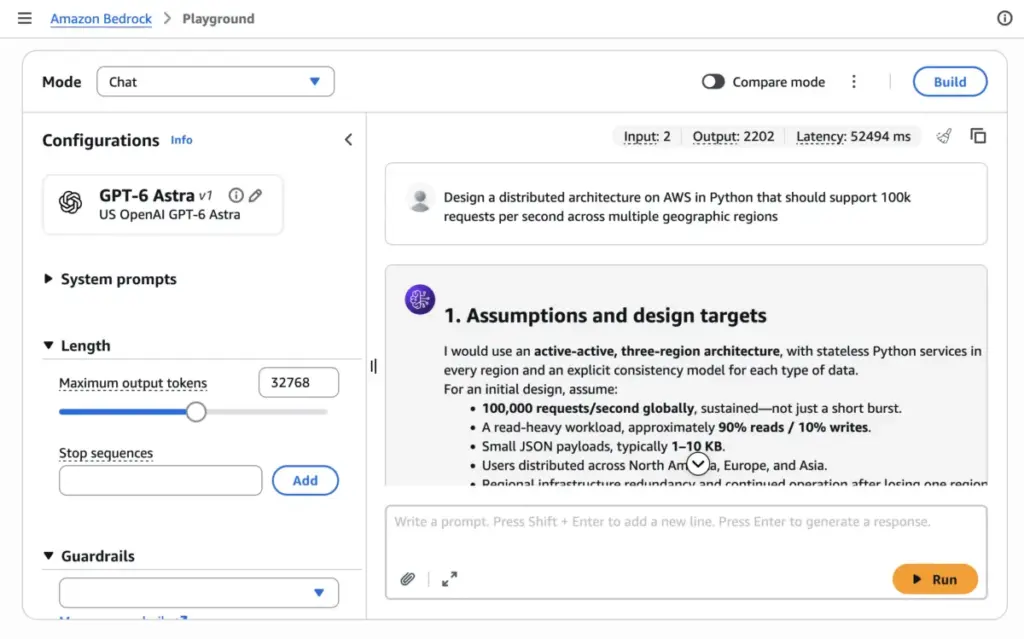
The most significant development arriving this week is the general availability of OpenAI’s GPT-6 Astra on Amazon Bedrock. This marks a pivotal moment for enterprise users who have been waiting for a more capable, reasoning-heavy model that integrates seamlessly into the secure, governed environment of the AWS ecosystem. As organizations move beyond simple chatbots and into the realm of complex, multi-step agentic workflows, the arrival of GPT-6 Astra provides a necessary upgrade to the underlying engine driving these initiatives.
The Power of GPT-6 Astra on Bedrock
GPT-6 Astra stands as OpenAI’s most sophisticated and capable foundation model to date. By making it available through Amazon Bedrock, AWS is providing businesses with a powerful new tool to tackle tasks that require nuanced judgment, professional-grade writing, and high-level design. Perhaps most impressively, the model is built to handle the sheer scale of modern enterprise data, offering a context window of up to 1 million input tokens. This massive capacity allows users to feed the model entire codebases, exhaustive legal contracts, or voluminous document collections, enabling the system to synthesize information and resolve competing inputs with a level of coherence previously unattainable in smaller, less robust models.

For developers and enterprise architects, the integration is designed to be as frictionless as possible. GPT-6 Astra can be accessed through supported Amazon Bedrock APIs, allowing it to be baked directly into existing cloud-native applications. Furthermore, users can configure ChatGPT Work and Codex to utilize the model directly on the Bedrock platform. To complement the model’s debut, OpenAI is also rolling out new enterprise plugins for ChatGPT Work. These plugins are engineered to extend Astra’s browser-use capabilities across a broad spectrum of common business applications, effectively allowing the AI to act as a digital assistant that can navigate web-based tools, extract data, and perform actions across disparate platforms.
Security and governance remain the bedrock—pardon the pun—of the AWS value proposition. As with all models available through the service, the deployment of GPT-6 Astra is protected by established AWS security controls. Organizations can govern access, monitor and audit model invocation activity, and rest easy knowing that their inference data is strictly excluded from being used for model training. This commitment to data privacy is the primary reason why many large-scale enterprises have opted to build their AI strategies on the Bedrock platform rather than through direct, public-facing model endpoints.
Rethinking the Developer Workflow
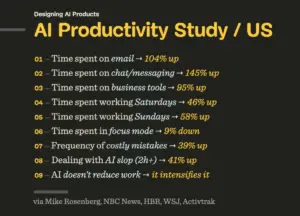
While the release of a new, highly capable model like GPT-6 Astra is the headline-grabbing event of the week, it is important to contextualize this within the broader evolution of the AI industry. The developers who are currently seeing the most significant performance gains—those who are achieving genuine breakthroughs in productivity—are not simply throwing more compute power at the problem or relying solely on the latest model iteration. Instead, they are fundamentally altering how they work.
The shift is moving away from the "co-pilot" model, where an AI merely suggests code or summarizes a meeting, toward an "agentic" workflow. In this new paradigm, developers are designing systems where AI agents are empowered to reason through problems, perform multi-step research, and interact with external tools and browsers autonomously. The availability of GPT-6 Astra on Bedrock serves as an enabler for this shift. With its deeper reasoning capabilities and expanded context window, the model can serve as the "brain" of these agentic systems, handling the complexity that would have otherwise required human intervention.
As the industry matures, the value of these models is increasingly found in their reliability and their ability to integrate into the existing "plumbing" of an enterprise. By keeping these tools within the AWS environment, developers can leverage existing CI/CD pipelines, IAM (Identity and Access Management) controls, and monitoring tools like CloudWatch to ensure that their AI agents are behaving as expected. The goal is no longer just to build an impressive AI model, but to build an AI system that is as reliable and manageable as any other microservice in a modern cloud architecture.
Staying Connected with the AWS Ecosystem
As the technical landscape evolves at this breakneck pace, staying informed is a challenge for any professional. The volume of updates coming out of the AWS ecosystem each week is vast, covering everything from new compute instances and storage optimizations to granular updates in database management and security protocols. For those looking to keep a finger on the pulse of these changes, the "What’s New with AWS" page remains the primary destination for official, up-to-the-minute documentation.
Beyond the formal product launches, the broader AWS community continues to serve as an invaluable resource for learning and collaboration. The AWS Builder Center, for instance, provides a dedicated space for developers to connect, share their solutions, and access the content necessary to navigate these new tools effectively. Engaging with these communities can often provide the context needed to understand not just what a new feature is, but how it is being used in the real world to solve actual business problems.

As we move further into the autumn season, the pace of innovation shows no signs of slowing down. The introduction of GPT-6 Astra on Bedrock is a strong signal that the focus for the remainder of the year will be on scale, complexity, and enterprise-grade reliability. Whether you are working on massive data reconciliation tasks, complex code refactoring, or building the next generation of autonomous business agents, the tools available in the cloud are becoming increasingly sophisticated.
For those tracking these developments, it is worth keeping a close watch on upcoming AWS-led events, both virtual and in-person. These gatherings often serve as the venue for deep-dive technical sessions and hands-on workshops that go far beyond the summary provided in press releases. By participating in these events and keeping current with the latest blog posts and documentation, builders can ensure they are well-positioned to take advantage of the new capabilities that are reshaping the industry.
As this week’s cycle comes to a close, it is clear that the integration of powerful, reasoning-focused models into the cloud environment is no longer a futuristic goal—it is the present reality. The arrival of GPT-6 Astra is just the latest step in a journey that is fundamentally changing the way we think about software development and business operations. With the right tools and a forward-thinking approach to workflow, the potential for building highly intelligent, secure, and effective systems has never been greater. Be sure to check back next Monday for another comprehensive roundup of the news, updates, and strategic shifts defining the world of AWS.