









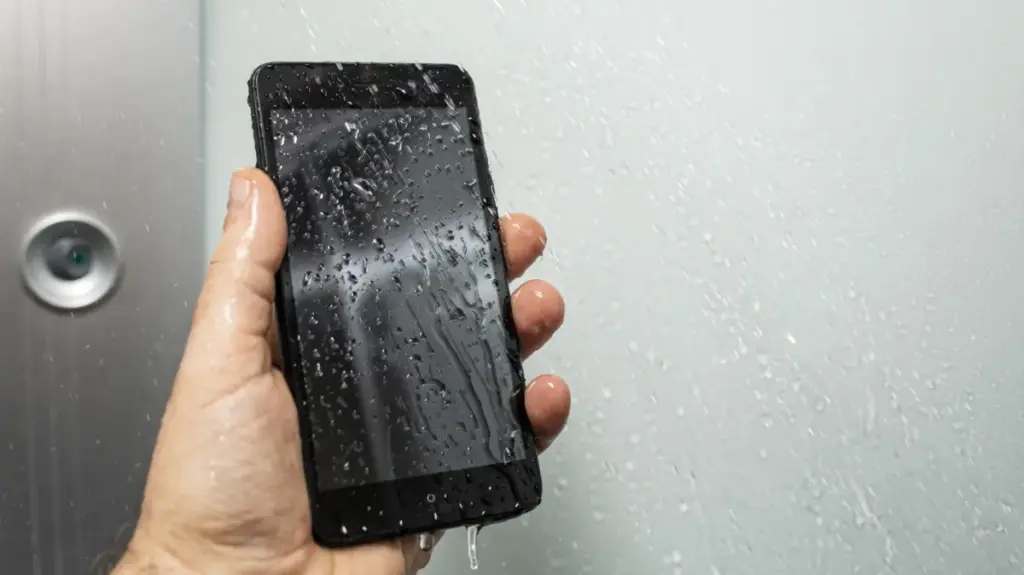
For many modern smartphone users, the temptation to bring a device into the bathroom is nearly universal. Whether you want to listen to a podcast, catch up on the morning news, or keep a playlist running while you get ready for the day, the smartphone has become an essential companion in every room of the house. However, manufacturers are increasingly sounding the alarm: bringing your phone into a steamy bathroom is one of the most effective ways to compromise its integrity, regardless of its advertised water-resistance rating.
Most flagship smartphones sold today boast an IP67 or IP68 rating, a technical standard that signifies the device’s ability to withstand dust and liquid exposure. The second digit in these ratings refers to the level of protection against water ingress, with "8" being the industry gold standard for high-end consumer electronics. Yet, this terminology is frequently misunderstood by the general public. There is a profound, often expensive, distinction between "water-resistant" and "waterproof." Manufacturers use the former because it is technically accurate, but the ubiquity of the term leads many users to assume their devices are impervious to all liquid threats. When a phone is submerged in a clear pool, the pressure and chemistry are predictable; when it is exposed to the complex, hot environment of a shower, the device enters a much more dangerous territory.
The Invisible Threat: Why Steam Is Different From Liquid Water
The primary danger in a bathroom is not the water you can see, but the vapor you can feel. Steam is essentially water in a gaseous state. Because of its molecular structure, steam is far more capable of penetrating the small, protected openings of a smartphone—such as the speaker grilles, charging ports, microphone vents, and the microscopic seals surrounding buttons—than liquid water. Once this steam enters the phone, it cools, condenses, and reverts to a liquid state inside the chassis.

The nature of water resistance in mobile devices relies on precision-engineered adhesives and gaskets. These materials are designed to keep liquid out under specific, controlled conditions. However, the combination of high humidity and elevated temperatures acts as a relentless agent of degradation. Heat causes materials to expand, while moisture works to break down the integrity of the adhesives that hold the device together. Over time, this cycle of thermal expansion and exposure to humid air weakens the very seals that were intended to protect the internal circuitry.
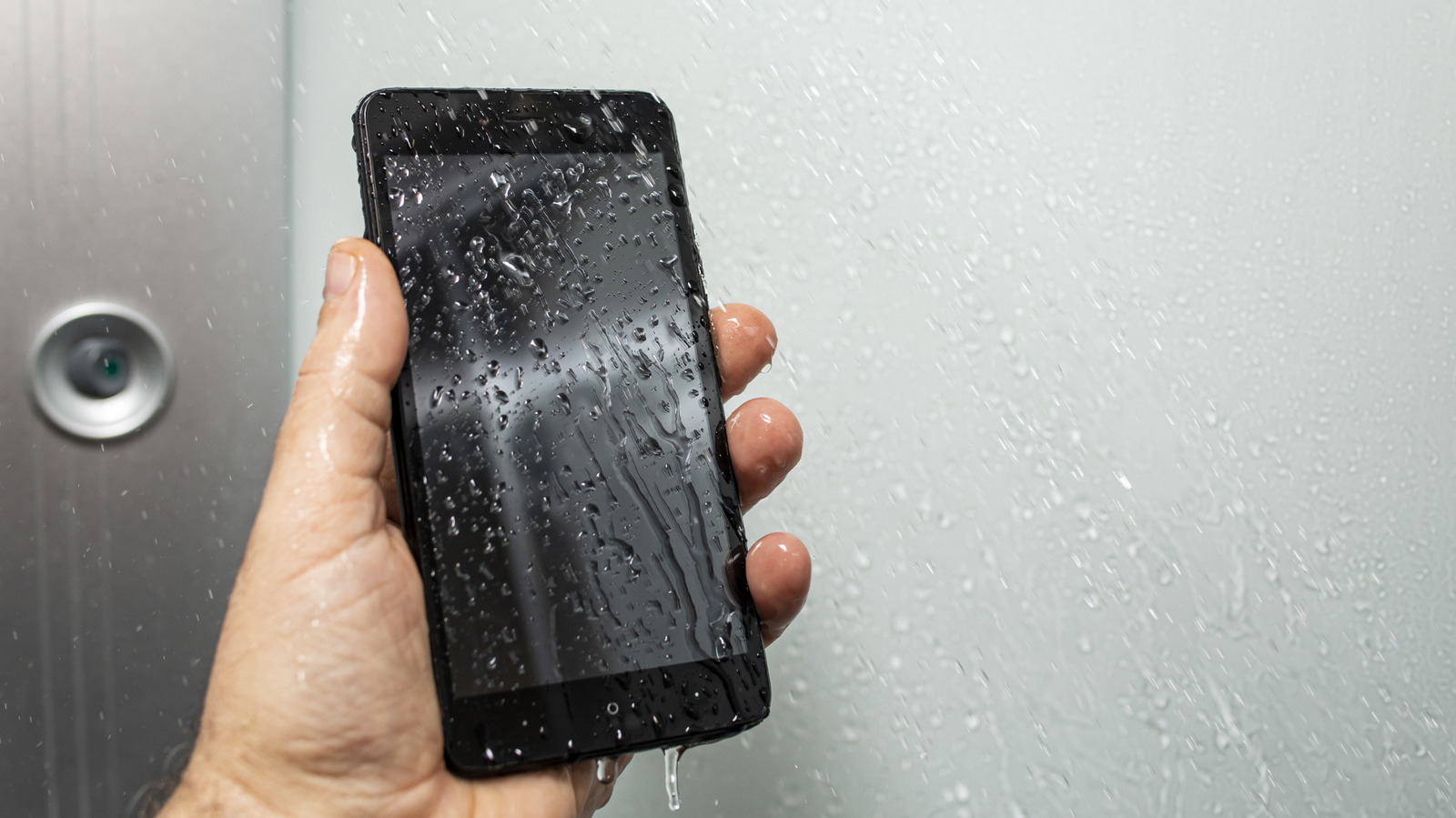
Smartphone manufacturers have been remarkably transparent about these limitations, even if their warnings are often buried in dense support documentation. Apple’s official support guidelines explicitly advise users to avoid environments like saunas and steam rooms, noting that liquid damage is not covered under the standard manufacturer warranty. Similarly, Google’s support pages for Pixel devices echo these warnings, advising against subjecting the phone to high-velocity water or extreme humidity. Both companies suggest that if a user wants music or audio in the bathroom, a dedicated, splash-proof Bluetooth speaker is a significantly safer and more durable alternative.
The Dangers of Heat and Rapid Condensation
The issue of shower exposure extends beyond simple moisture ingress. Bathrooms during and after a shower are frequently significantly hotter than the ambient temperature of the rest of a home. Smartphone manufacturers design their hardware to function within a specific temperature window—typically, the maximum safe operating temperature is around 95 degrees Fahrenheit. When a phone is placed on a shower ledge or a nearby vanity, the heat in the room can easily push the device beyond these operational limits.
This heat can lead to a variety of internal problems. Modern smartphones are packed with sensitive components, particularly the lithium-ion battery, which is notoriously intolerant of excessive heat. Prolonged exposure to high temperatures can accelerate the natural chemical aging of the battery, leading to a permanent reduction in its capacity and overall lifespan. Furthermore, if a phone reaches a critical temperature threshold, it may trigger a mandatory thermal shutdown to protect its internal circuits. This is not just an inconvenience; it is a sign that the hardware is under significant stress.
Perhaps more insidious is the risk posed by rapid cooling in a moist environment. When a phone is taken from a hot, humid shower environment into a cooler room, the air trapped inside the device—and the moisture-laden air that may have seeped in—can undergo rapid condensation. This creates tiny water droplets directly on the sensitive internal logic board and connectors, leading to short circuits or long-term corrosion. Because this happens internally, the damage is often invisible to the user. You might continue to use the phone for weeks or months, completely unaware that a slow, corrosive process is eating away at the components inside until the device eventually fails without warning.
Protecting Your Investment
Beyond the technical risks, there is the undeniable issue of human error. Bringing a phone into the shower area—whether it is on a shelf, a soap dish, or a wall-mounted holder—invites accidents. Wet hands are slippery, and the risk of dropping a high-end, expensive device onto a hard tile or porcelain floor is significantly higher in a bathroom setting than anywhere else in the home.
If a phone does happen to get wet, the immediate reaction of many users is to reach for a hairdryer or a bag of rice. Experts and manufacturers warn against both. A hairdryer forces hot, drying air into the ports, which can melt internal components or push moisture deeper into the device. Rice, while a common home remedy, is largely ineffective and can introduce dust, starch, or debris into the delicate charging ports, potentially causing further damage.
Instead, the consensus among hardware engineers is to act with caution. If your device is exposed to significant moisture, the best practice is to wipe it down immediately with a soft, lint-free cloth. Keep the charging port facing downward to allow any trapped liquid to escape via gravity. Most importantly, do not attempt to plug in a charging cable until the port is completely dry, as running a current through a wet port can cause immediate electrical failure.
Ultimately, the best way to maintain the longevity of a smartphone is to adopt a policy of avoidance. The convenience of having a screen within arm’s reach during a shower is rarely worth the risk of premature hardware failure. As smartphones continue to rise in price and complexity, the most cost-effective "accessory" you can buy is a simple, portable Bluetooth speaker. These devices are built to handle the humid, splash-prone environment of a bathroom, and they allow you to keep your phone safely in a dry room. By leaving the phone outside the bathroom, you preserve the structural integrity of your device, protect your battery health, and ensure that your phone continues to function exactly as the manufacturer intended.