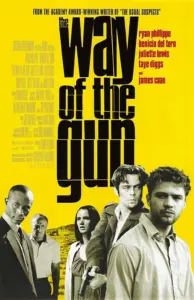











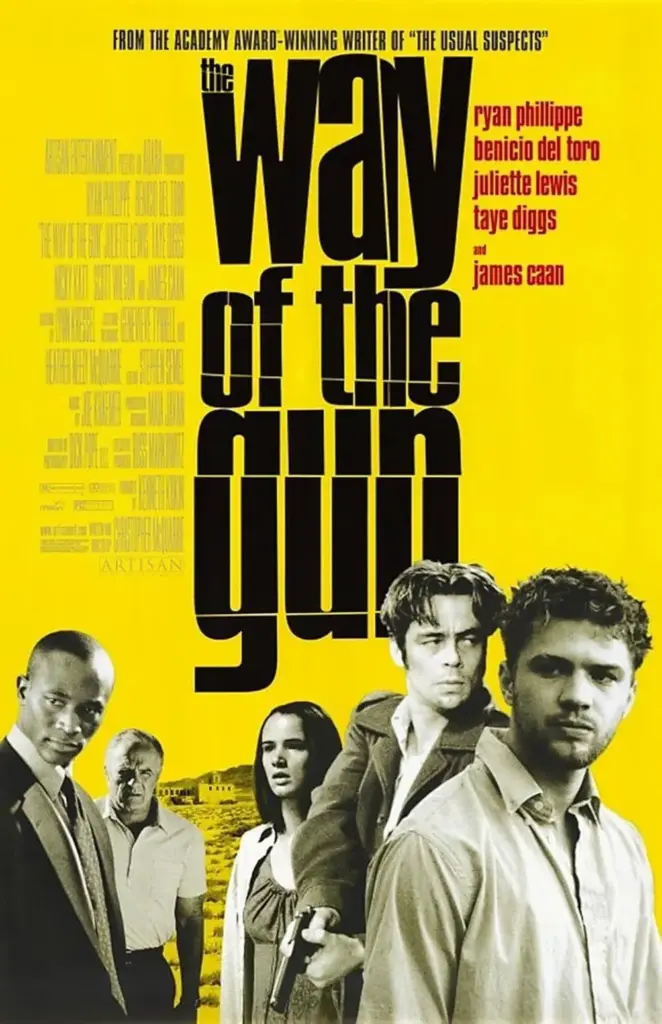
In the contemporary cinematic landscape, the name Christopher McQuarrie is synonymous with the high-octane, death-defying spectacle of the Mission: Impossible franchise. As the primary creative architect behind the last four installments of the series, McQuarrie has defined the modern blockbuster, crafting elaborate set pieces that have cemented his status as one of Hollywood’s most bankable directors. However, for those looking to understand the DNA of his filmmaking, one must look back to the turn of the millennium—long before he became Tom Cruise’s go-to collaborator—to find his true directorial origin story.
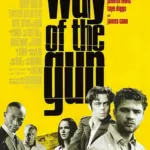
That origin is The Way of the Gun, a 2000 crime thriller that stands as a stark, aggressive, and uncompromising counterpoint to the polished blockbusters he helms today. For those who haven’t seen it, or who have only heard it mentioned in hushed tones by film buffs, the movie has recently found a new home on Tubi, where it is currently available to stream for free.
A Career Born in Silence
Christopher McQuarrie’s rise to prominence began in 1995 with the release of The Usual Suspects. As the screenwriter, he delivered a masterclass in narrative misdirection, earning an Academy Award for Best Original Screenplay. The film remains a cornerstone of the 1990s neo-noir revival, largely remembered for its intricate plotting and a haunting performance by Kevin Spacey. In the traditional Hollywood arc, an Oscar win of that magnitude should have propelled a screenwriter to the A-list, granting him the proverbial "blank check" to greenlight any project he desired.

Instead, the reality of the industry proved far more cynical. Following his success with The Usual Suspects, McQuarrie found himself effectively unemployed for the next five years. This period of stagnation was not a result of a lack of talent, but rather the fickle nature of a studio system that often struggles to categorize singular voices. Frustrated by the lack of opportunities and the creative limitations imposed by the industry, McQuarrie eventually decided to take matters into his own hands. He wrote and directed The Way of the Gun specifically to force his way back onto the radar of a town that had seemingly forgotten his contribution to cinema.
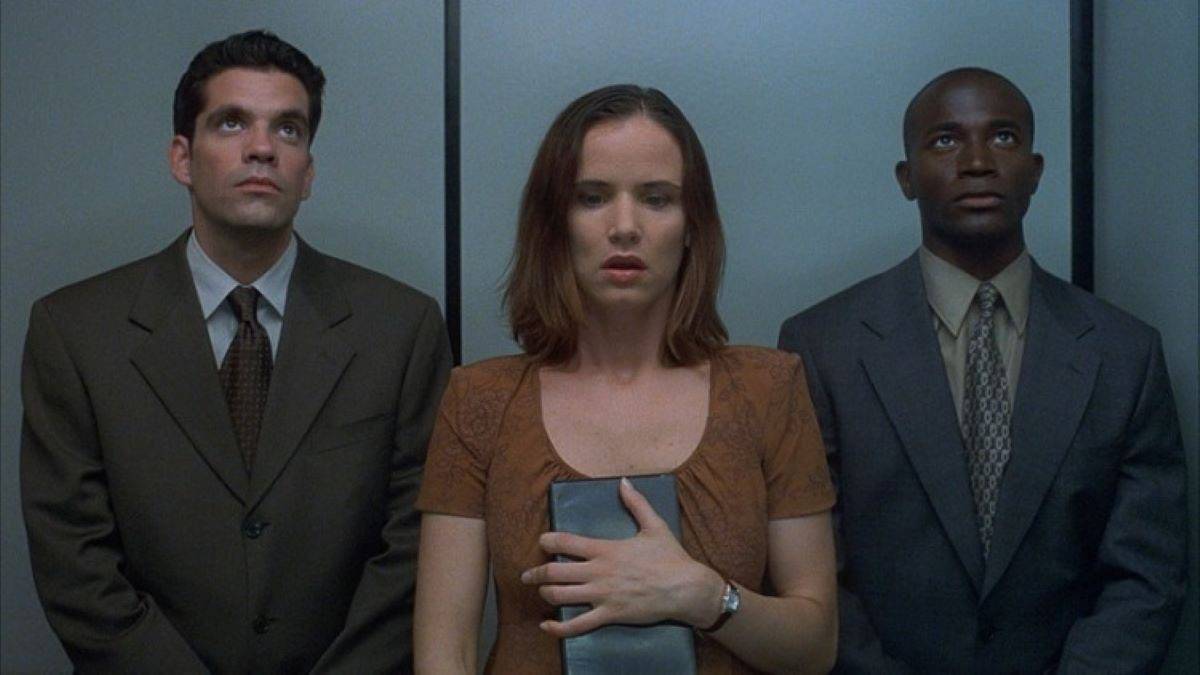
The resulting film was less of a calling card and more of a manifesto. It was an angry, deliberate reaction to his time spent waiting for the phone to ring. Every creative choice made in The Way of the Gun appears designed to repel the average studio executive of the year 2000. It features long, uncomfortable silences, plot beats that prioritize subtle character interaction over explosive exposition, and two of the most intentionally detestable protagonists ever committed to celluloid. It is, by all accounts, a film that would likely cause a modern corporate executive to recoil in horror.
The Cynicism of the Criminal Class
The premise of the film is deceptively simple: two petty criminals, Parker (Ryan Phillippe) and Longbaugh (Benicio del Toro), are drifting through life looking for a payday. Phillippe, in a bid to distance himself from his teen-idol reputation established by Cruel Intentions, plays a man whose morality is nonexistent, while del Toro brings a simmering, dangerous intensity to the role of Longbaugh.
The duo discovers that a woman named Robin (Juliette Lewis) is working as a surrogate mother for a wealthy couple, earning a $1 million payout for her services. Without a second thought—and without considering the dangerous nature of the people willing to pay such a sum—they decide to kidnap her. The kidnapping goes poorly, not just because of the logistics, but because they have inadvertently inserted themselves into a web of deceit involving a local money launderer and his brutal enforcer, Sarno (played with chilling menace by James Caan).
The film forces a difficult request upon its audience: it asks them to spend two hours with people who are, by any objective metric, completely unsympathetic. From the opening scene, where Parker sucker-punches a woman in a parking lot, the film makes it clear that there is no hero to root for here. It is a bleak, nihilistic journey that feels like a collision between a classic Western and a modern noir. There is no redemption arc, no moral high ground, and certainly no "idiot ball" passing—the characters are competent, cold, and calculated, which makes their inevitable descent into violence all the more harrowing.

Tactical Authenticity Before It Was Trendy
While the film’s characters and tone were polarizing at the time of its release, The Way of the Gun has aged surprisingly well in one specific area: its technical execution of combat. In 2000, most action films relied on stylized, unrealistic gunplay that prioritized flash over function. McQuarrie, however, took a different approach. He enlisted his brother, Doug McQuarrie, who was an active-duty Navy SEAL at the time, to serve as the film’s weapons consultant.
The impact of this decision cannot be overstated. In the film, characters treat their firearms with a level of professional familiarity that was almost entirely absent from the genre at the time. They use cover, they communicate through tactical movement, and they approach conflict with a clear-eyed understanding of the danger involved. They do not run blindly into gunfire; they manage angles and prioritize their own survival.
This level of detail—the understanding that characters should be as smart as the situations they find themselves in—foreshadowed the revolution in action choreography that would eventually define the John Wick era nearly a decade and a half later. In The Way of the Gun, nobody makes a decision because the plot demands they be stupid. If a character falls, it is because they were outmaneuvered, not because they failed to check a corner or made a predictable mistake.
A Lingering Legacy
When The Way of the Gun hit theaters, the industry was still reeling from the post-Tarantino crime caper boom. Distributors at Artisan Entertainment struggled to market the film, attempting to frame it as a quirky, dialogue-heavy crime comedy in the vein of other late-90s hits. This miscalculation left audiences confused and critics divided; it was a film that was far too mean-spirited and disciplined to be a mainstream caper, and too singular to fit into the established genre boxes of the time.
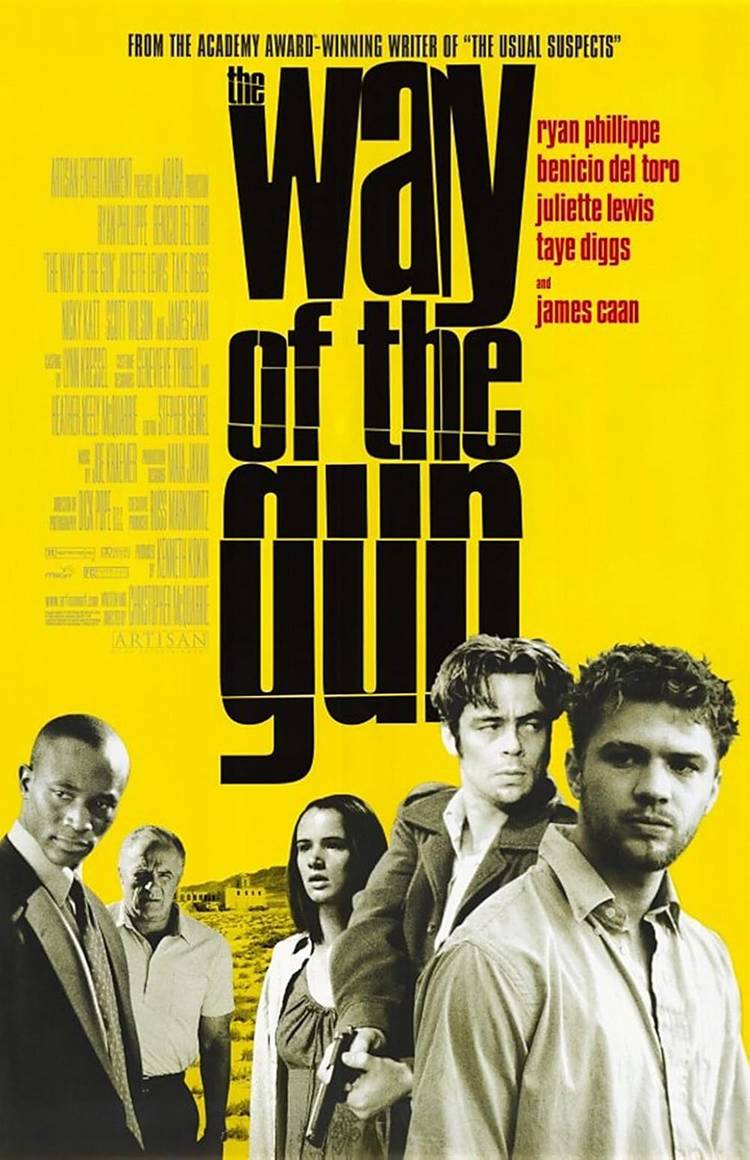
However, over the last two decades, the film has undergone a slow but steady re-evaluation. As Christopher McQuarrie has become a household name, a new generation of film fans has tracked his career back to this gritty, unpolished gem. It is a rare example of a debut film that feels entirely unencumbered by the pressure to please an audience.
It is an acquired taste, to be sure. The first five minutes alone remain a hurdle for many, and the film’s nihilistic outlook on humanity is not for the faint of heart. Yet, for viewers interested in seeing the roots of the man who would eventually redefine the blockbuster, The Way of the Gun offers a fascinating glimpse into a filmmaker who was, even then, obsessed with precision and the mechanics of human conflict. For those willing to look past the surface-level grittiness, it remains a bold, uncompromising, and technically impressive piece of American cinema that feels like a jagged, refreshing departure from the sanitized action movies of today.