In an era where the gaming industry is increasingly tilting toward a purely digital ecosystem, Nintendo has officially signaled that it will not be following in the footsteps of competitors like Sony, who have moved aggressively to phase out physical discs in favor of downloadable content. In a recent interview with the YouTuber Coelho no Japão, Bill van Zyll, the Vice President and General Manager for Nintendo in Latin America, provided a firm reassurance to the company’s massive global fanbase: Nintendo remains dedicated to the production and support of physical game media for the foreseeable future.
This commitment comes at a time when the debate surrounding digital ownership has reached a fever pitch. As major publishers and console manufacturers look to streamline distribution costs and maximize control over software ecosystems, many players fear that the era of "owning" a physical copy of a game is rapidly drawing to a close. Nintendo’s stance, however, is grounded in a philosophy of consumer-centric flexibility, acknowledging that for a significant portion of their audience, the tangible nature of game collecting remains an essential pillar of the hobby.
Nintendo’s "Agnostic" Approach to Modern Gaming
During the conversation with Coelho no Japão, van Zyll emphasized that Nintendo’s corporate strategy is heavily informed by consumer behavior and preferences. Rather than dictating how players should engage with their software, the company prefers to provide options, allowing the market to dictate the trajectory of their platform’s ecosystem.

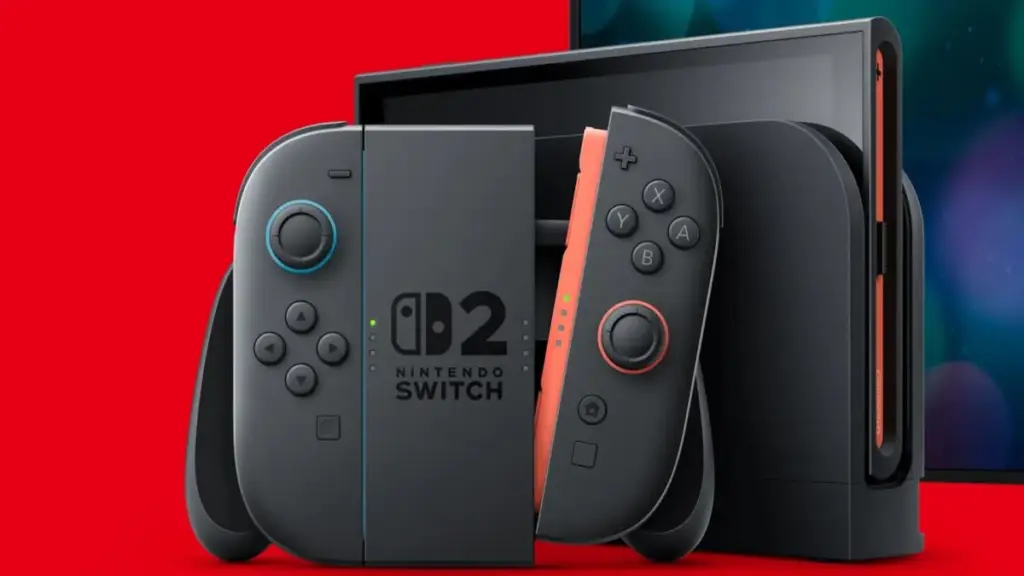
"We go off what the consumer prefers, and take that into account very heavily," van Zyll stated. "We also have a platform that was just launched. We’re barely just over a year into the Switch 2. It’s got both digital and physical—that capability. There’s no plans to ditch physical. We know how much the fans like it as well, so our position has been to be agnostic."
By describing Nintendo’s position as "agnostic," van Zyll is highlighting the company’s intent to maintain a hybrid distribution model. On the Nintendo Switch 2, this manifests as a system that supports both digital purchases via the Nintendo eShop and the continued production of physical game cartridges. This dual-track approach ensures that players who value the convenience of digital libraries can access them, while those who prefer physical media—whether for collection, resale value, or offline accessibility—are not alienated by a forced transition to an all-digital future.
The Evolving Reality of "Physical" Media
While Nintendo’s promise to continue supporting physical cartridges is undoubtedly a relief for many collectors, the reality of what a "physical game" means in 2026 is significantly more nuanced than it was during the eras of the Nintendo Entertainment System or the GameCube. As games have grown in scale, graphical fidelity, and complexity, the technological limitations of traditional cartridges have forced a shift in how software is delivered to the end user.
Most modern game cartridges, including those for the Nintendo Switch 2, do not always contain the entirety of the game’s data on the silicon chip itself. Instead, many of these cartridges function more as a "key" or an authentication token. When a user inserts one of these cartridges, the system authenticates the purchase, often triggering a required download from the Nintendo eShop to complete the installation of the game’s assets onto the console’s internal storage.
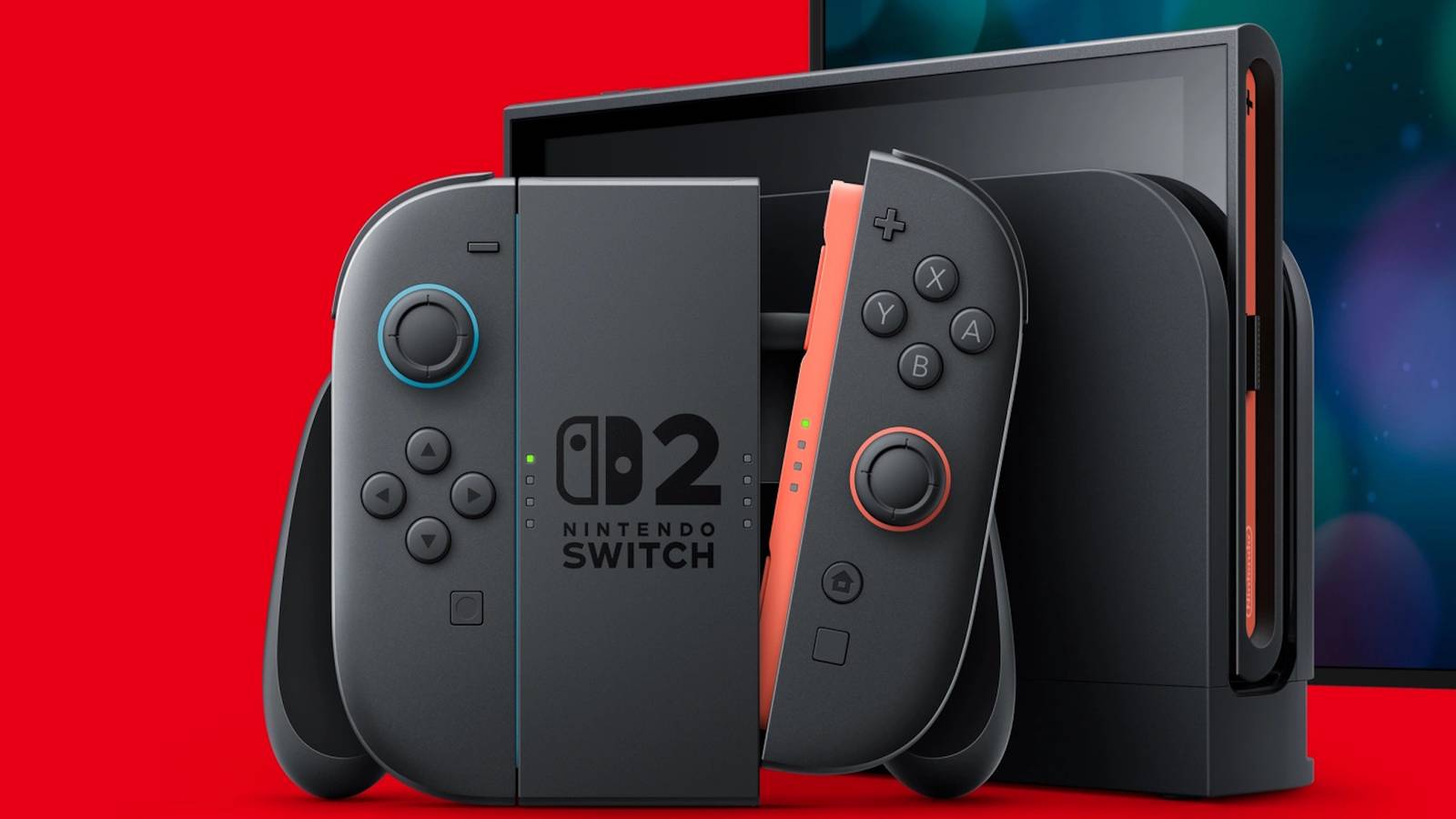
This "game-key card" system, while efficient from a manufacturing and logistical standpoint, introduces a complex layer of concern regarding long-term game preservation. In the traditional era, a physical cartridge was a self-contained unit; if you had the hardware and the cartridge, you could theoretically play the game decades later, regardless of the status of the developer’s servers. Under the current "key card" model, the physical cartridge acts merely as a bridge to the digital storefront. This leads to an uncomfortable question that many in the gaming community have begun to ask: If Nintendo were to ever sunset the eShop and shut down the servers that host these essential game files, would those physical cartridges effectively become useless, decorative plastic?
The Preservation Dilemma and Developer Perspectives
The industry-wide move toward digital-only or "digital-heavy" distribution is often justified by developers as a necessary step for modern game development. As titles grow in size, cramming thousands of gigabytes of data into a single, affordable physical cartridge becomes a technical and financial burden. For many developers, the game-key card system represents a compromise: it allows them to distribute their games in a retail package that can be placed on a store shelf, while simultaneously circumventing the physical storage constraints of traditional media.
Notable figures in the industry, such as Final Fantasy VII Rebirth director Naoki Hamaguchi, have previously spoken in favor of these modern distribution methods. From a developer’s perspective, these systems allow for larger, more ambitious projects that are not beholden to the storage limits of a 64 GB cartridge. However, this technical advantage does little to soothe the anxieties of the consumer base.
For the average player, the pivot to digital—or, in this case, a hybrid model that relies on persistent server access—represents a fundamental shift in the concept of ownership. When purchasing a digital game or a key-card-based physical copy, the consumer is technically purchasing a license to access the content, rather than owning the product outright in the traditional sense. If the digital storefront vanishes, the user’s ability to download the assets required to play the game may disappear with it, rendering the physical object in their possession an inert artifact.
Looking Toward the Future
Despite the valid concerns regarding long-term accessibility and the technical nuances of modern cartridges, Nintendo’s official stance remains a major win for the physical media community. In a climate where other major players are aggressively pushing to eliminate the retail market to exert greater control over their software, Nintendo’s willingness to stay "agnostic" serves as a rare point of stability for those who prioritize the physical ownership of their media.
As the Nintendo Switch 2 continues to find its footing in the global market, the company’s commitment to providing both digital and physical options suggests that they are listening to the vocal segment of their audience that continues to cherish the act of purchasing a game at a store and placing it on a shelf. Whether this commitment will evolve as the lifecycle of the Switch 2 progresses—or if the industry will eventually force a shift toward more restrictive digital models—remains to be seen. For now, however, Nintendo has drawn a clear line in the sand, reinforcing its dedication to the diverse needs of its user base and the preservation of physical media in a digital-first world.