In an era where our most cherished memories, critical financial documents, and creative projects exist almost exclusively in digital form, the prospect of losing that data is a uniquely modern anxiety. Whether it is a collection of high-resolution family photos, years of tax records, or an assortment of personal manuscripts, the realization that these files have vanished due to a hardware failure or a digital catastrophe is a gut-wrenching experience. While the chore of backing up data rarely ranks high on anyone’s list of exciting weekend activities, the peace of mind afforded by a robust preservation strategy is invaluable. Fortunately, protecting one’s digital assets does not require a degree in computer science or a massive budget; it simply requires adherence to a time-tested framework known as the 3-2-1 rule.
The 3-2-1 rule serves as a fundamental guideline for data management, providing a clear roadmap for how many copies of your data you should maintain, the types of media they should reside on, and the geographical locations where those copies should be kept. By diversifying where and how your data is stored, you create a safety net that ensures the sudden, catastrophic failure of a single device—or even a localized disaster—does not result in the permanent loss of your digital history.
The Origins and Core Logic of the 3-2-1 Rule
The concept was first brought to widespread public attention by photographer Peter Krogh in his seminal 2009 work, The DAM Book: Digital Asset Management for Photographers. While the initial focus was on the professional needs of photographers managing massive archives, the core tenets of the rule proved universally applicable to anyone managing digital information. At its simplest, the 3-2-1 rule dictates that you should maintain three total copies of your data, stored on at least two different types of media, with one of those copies housed offsite.

To understand why this framework is so effective, it helps to consider the vulnerabilities inherent in modern storage. If you rely solely on a single solid-state drive (SSD) or a hard disk drive (HDD) to store your irreplaceable vacation photos, you are operating with a single point of failure. Should that drive experience a mechanical malfunction, a controller failure, or a corrupted file system, your data effectively ceases to exist. Even if you maintain two copies on two different drives sitting on your desk, you remain vulnerable to physical hazards. A fire, a flood, a theft, or even a localized electrical surge could easily destroy both devices simultaneously.
By introducing the "one offsite" requirement, the 3-2-1 rule adds a critical layer of protection against these physical risks. The logic is that the geographic distance between your primary storage and your offsite backup should be sufficient to ensure that a localized disaster—such as a house fire or a burglary—cannot impact both locations at once. By diversifying your storage, you transform your data from a fragile collection of bits into a resilient archive.
Adapting the 3-2-1 Rule to Modern Technology
While the fundamental principles remain sound, the practical application of the 3-2-1 rule has undergone significant shifts since it was first introduced over a decade ago. In the early days of the rule, "two types of media" often implied a mix of internal hard drives, external drives, and perhaps optical media like CDs or DVDs. Today, however, the digital landscape is vastly different. Optical media has largely faded from common usage, and the rise of high-speed internet has made cloud storage a central pillar of most personal data strategies.
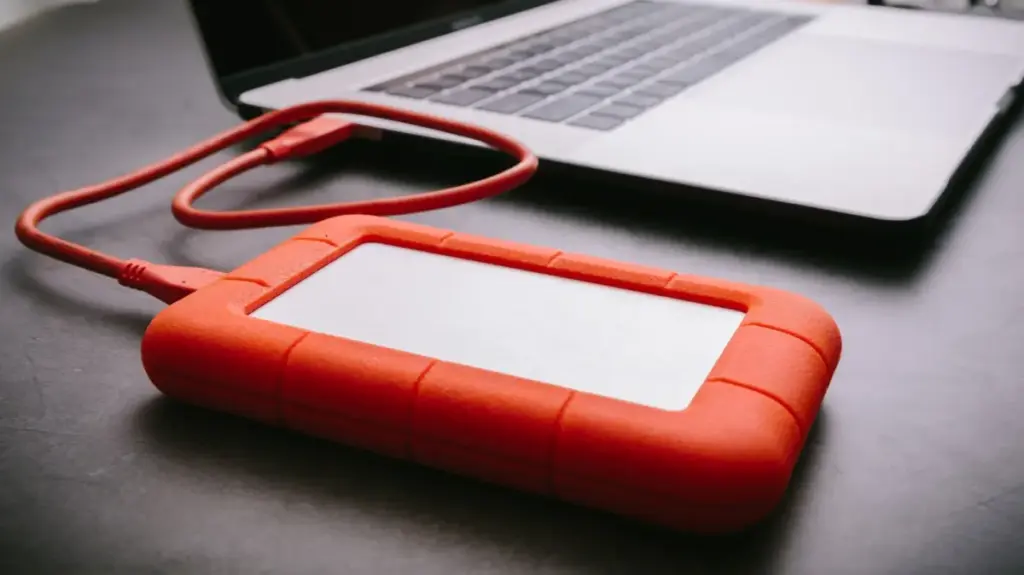
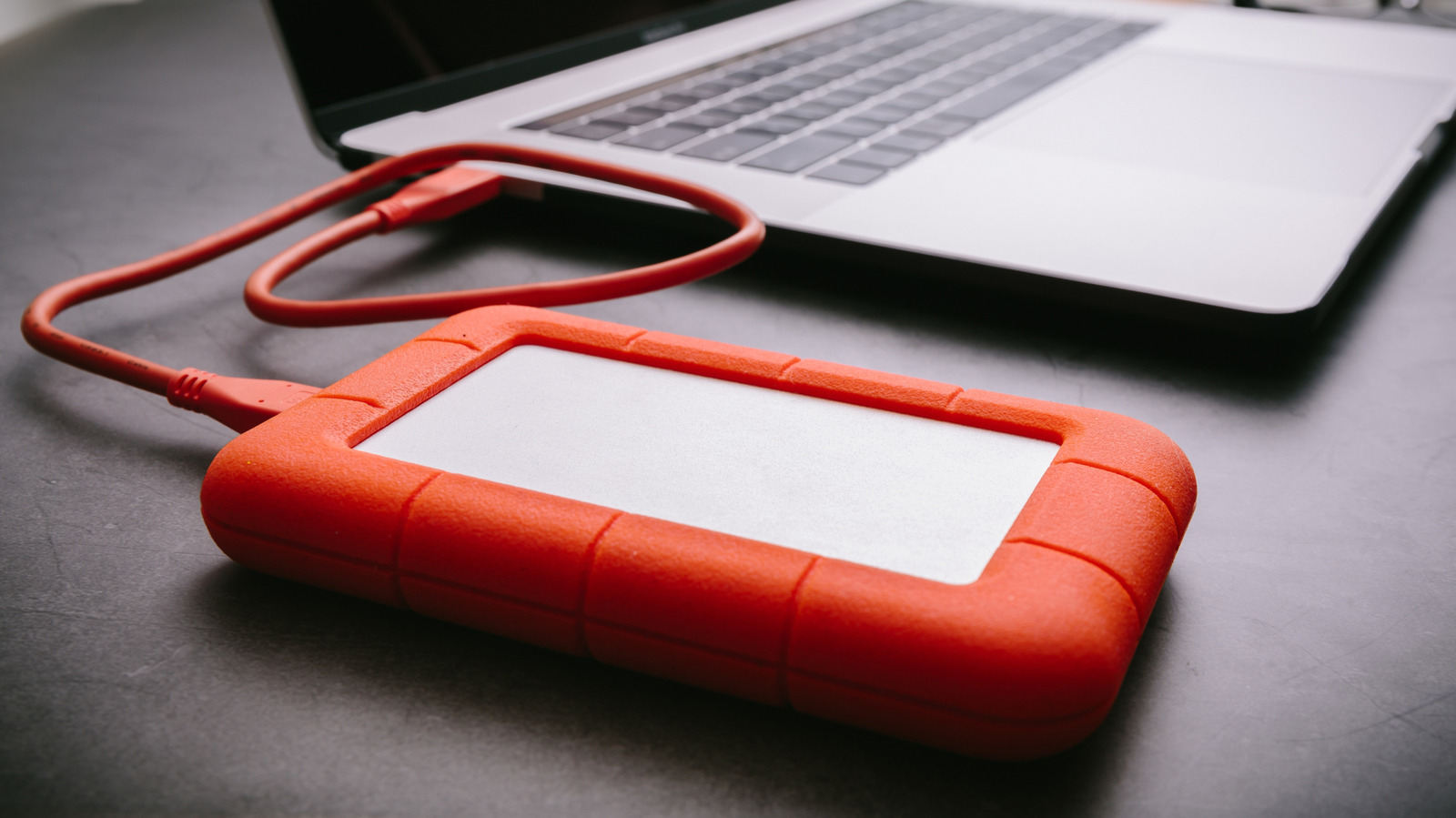
The modern interpretation of "two types of media" has largely evolved to mean two distinct physical storage devices or platforms. A typical setup might involve a primary copy on your laptop’s internal drive, a secondary copy on a dedicated external hard drive, and a third copy hosted on a cloud-based service. This approach satisfies the redundancy requirements while leveraging the convenience of current technology.
However, relying on cloud services requires a nuanced understanding of how they function. Many users mistakenly believe that simply syncing files to a service like iCloud, Google Drive, or Dropbox constitutes a true backup. In reality, these services are primarily designed for synchronization and file accessibility. If you delete a file from your primary device, that change is frequently mirrored across the cloud, meaning you have essentially deleted your "backup" as well. True data protection requires services that offer versioning or, better yet, dedicated backup solutions that operate independently of your active file management system.
Furthermore, as the cybersecurity landscape has become increasingly treacherous, the definition of an offsite backup has evolved to include considerations of digital integrity. Ransomware attacks, which encrypt a user’s data and demand payment for its release, can easily traverse network connections. If your offsite backup is a networked drive or a cloud service that is constantly connected to your computer, a ransomware infection could theoretically spread to your backups, encrypting your recovery copies alongside your primary files. Consequently, many experts now suggest that at least one copy of your data should be kept in an "offline" or "air-gapped" state—disconnected from any network—to ensure that it remains immune to remote digital threats.
Navigating the Challenges of Personal Data Management
For the average individual, the prospect of implementing a full-scale 3-2-1 strategy can feel overwhelming. The sheer volume of data produced by modern smartphones, high-resolution cameras, and high-definition video recording creates a significant storage burden. This is where the flexibility of the 3-2-1 rule becomes apparent. A multinational corporation requires complex, automated, and redundant server arrays, but the average home user can achieve a high level of security with a more modest setup.
Discussions on platforms like Reddit often highlight the ongoing debate regarding the feasibility of these standards. Many users struggle with the costs of cloud storage tiers or the logistical headache of maintaining physical drives. These conversations underscore an important reality: the 3-2-1 rule is a framework, not a rigid mandate. It is intended to be a baseline that can be adapted based on the value of the data being protected and the resources available to the individual.
It is also vital to recognize that the 3-2-1 rule is not a "set it and forget it" solution. Data management is an active process. Hardware naturally degrades over time, and file formats can eventually become obsolete. Periodically auditing your backups—ensuring that the drives are still functioning and that the data is still accessible—is a necessary component of long-term preservation.
Ultimately, the 3-2-1 rule serves as a crucial defensive strategy in a world where data loss can be catastrophic. Whether it is the digital equivalent of an attic filled with family heirlooms or the essential documentation required to navigate modern life, the importance of safeguarding these assets cannot be overstated. By taking the proactive steps of creating multiple copies, utilizing diverse storage methods, and ensuring that at least one copy is stored safely away from your primary environment, you move from a position of vulnerability to one of resilience. The effort invested today in creating these redundant systems will pay dividends the moment you realize that, thanks to your foresight, your most valuable digital assets are safe and secure, regardless of what happens to the hardware sitting on your desk.