








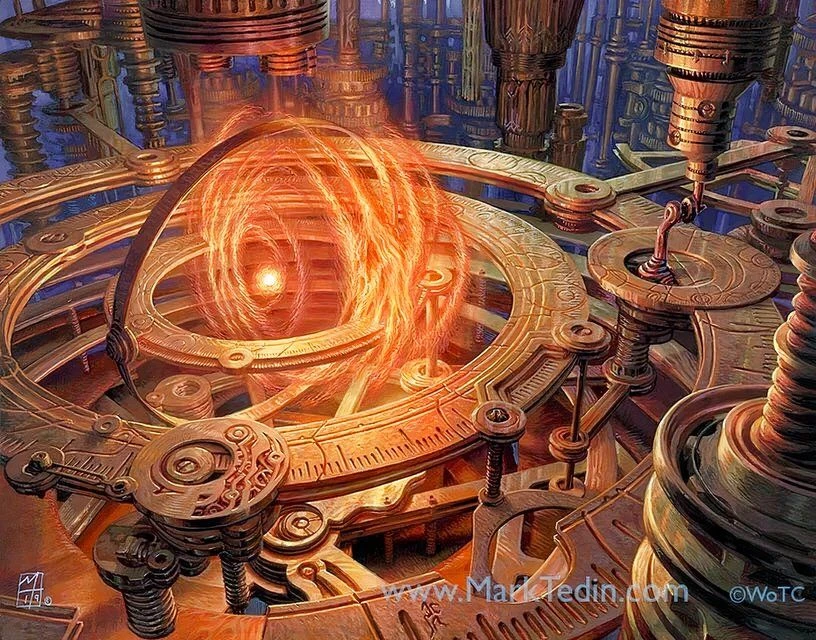
At MagicCon: Atlanta 2026, the sprawling convention floor served as a living museum of Magic: The Gathering culture. Amidst the sea of cosplayers, vendors, and high-stakes tournament pods, the community’s fashion choices offered a distinct barometer for the current discourse surrounding the game’s most popular format, Commander. Two particular T-shirts stood out as emblematic of the current climate. One was a deep black garment emblazoned with the exhaustive, notoriously dense rules text for "Banding," a 33-year-old mechanic that remains a frequent punchline for veteran players. The other, a stark white shirt, featured an image of the legendary artifact Sol Ring, crossed out by a bold, crimson "no" symbol. Below the graphic, the text offered a blunt, singular directive: "BAN SOL RING."
While the first shirt served as a nostalgic nod to the game’s arcane history, the second represented a fervent, ongoing campaign to fundamentally alter the landscape of Commander. However, for those hoping that Wizards of the Coast might eventually bow to this pressure, the company’s leadership remains unmoved. In an interview conducted during the convention, Gavin Verhey, a principal designer at Wizards of the Coast, made it clear that the demand to remove the card is one the company has no intention of entertaining. To Verhey, Sol Ring is not a design mistake that needs correcting; it is, quite literally, the "foundational, iconic heart of the format."
The Case for Keeping Commander’s Most Ubiquitous Artifact
To understand the controversy, one must understand the card’s unparalleled role in the Commander ecosystem. Sol Ring is a one-mana artifact that taps to produce two colorless mana. In the context of a 100-card singleton format, it is arguably the most powerful accelerator available. There are few moments in Magic as universally recognized as the "Sol Ring start." Dropping the artifact on the first turn provides a massive tempo swing, often allowing a player to follow up with an Arcane Signet or a three-drop threat before their opponents have even played their second land. By the second turn, a player with a Sol Ring can often cast a commander that would otherwise be locked behind a four-mana curve.
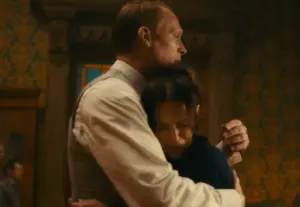
This efficiency is precisely why critics demand a ban. When one player establishes such a dominant resource advantage in the opening minutes of a game, the remaining three players are often forced to immediately pivot their strategy to contain the leader. This creates a "king-making" dynamic or forces a collective, uphill battle that some players find stifling rather than strategic. Furthermore, because the card is so inherently useful, it occupies one of the 99 slots in almost every deck, leading critics to argue that it reduces deck-building diversity.
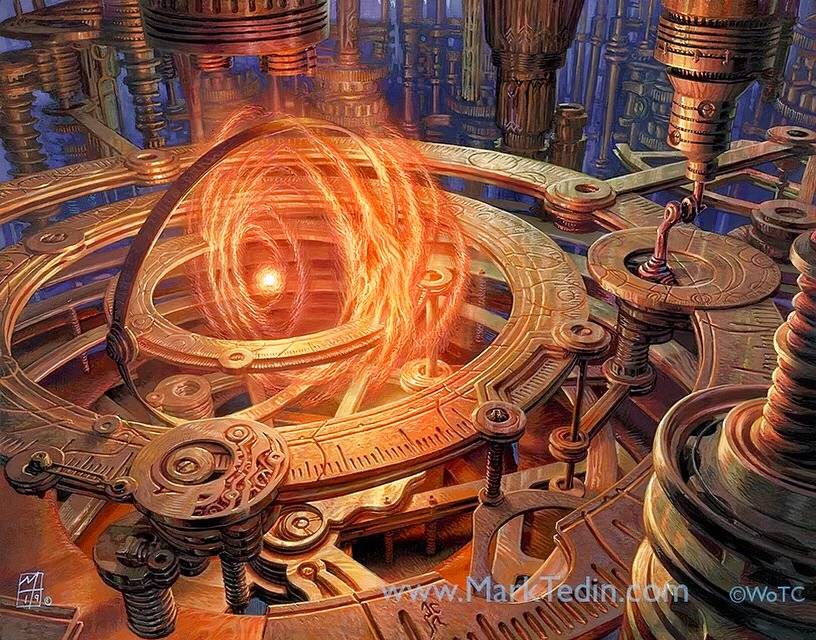
Verhey, however, views the card’s ubiquity as its greatest strength. "It’s been in basically every single Commander precon we’ve ever made," Verhey notes. "It’s in almost every Commander deck players build. People love it, and they love their unique variations of Sol Ring."
The artifact’s cultural footprint is massive. There are currently 146 individual printings of the card, spanning 75 unique pieces of art. The variety is staggering, ranging from heartwarming scenes like the Secret Lair printing featuring Garfield the cat dancing with his companion Arlene, to pop-culture crossovers like Dogmeat from the Fallout franchise staring into a bowl of water. These versions coexist with the classic, original aesthetic—a glowing, ethereal ring suspended in a fiery inferno. This collector’s appeal, combined with its gameplay utility, has made Sol Ring a symbol of the format’s identity.
From a design perspective, Verhey argues that the card’s explosive potential actually enhances the social contract of Commander. In a four-player, 100-card singleton format, the odds of drawing a Sol Ring in your opening hand are approximately 7.46 percent. Because the card is relatively rare to draw, its presence creates a specific "event" within a match. When a player leads with a turn-one Sol Ring, it immediately establishes a target.
"I think it actually creates dynamic Commander games a lot of the time," Verhey explains. "You played Sol Ring on turn one. We all see that threat, right? We all know who the enemy is." In this view, the "dogpile" effect isn’t a failure of game balance, but an intentional complication that forces the table to communicate, negotiate, and work together to mitigate a singular, visible threat. For Verhey, the early advantage isn’t a reason to ban the card; it’s an opportunity for a more engaging social experience.

If Commander Started Over, Would Sol Ring Make the Cut?
Despite his defense of the card, Verhey acknowledges the nuance of the debate. When asked if Sol Ring would be a fixture of the format if he were building Commander from the ground up today, he is pragmatic. "Is it incredibly strong? Absolutely," he admits. "Is it necessarily the poster child I would have chosen if I was creating Commander from scratch? Probably not."
This admission highlights the unique position that Commander holds within the broader Magic ecosystem. Unlike tournament formats like Standard or Modern, which are managed directly by Wizards of the Coast, Commander was birthed by the player community. It evolved organically, and its staples—like Sol Ring—are deeply embedded in the social DNA of the game. Verhey does not foresee any point in the future where Wizards of the Coast would move to challenge that status.
The historical context of this decision is well-documented. In September 2024, the former Commander Rules Committee made waves by banning several high-power cards, including Mana Crypt, Jeweled Lotus, and Dockside Extortionist. These bans were intended to lower the ceiling of "fast mana" in the format. Notably, the committee explicitly acknowledged in its announcement that Sol Ring met the same criteria for a ban as the cards they removed. However, they opted to grant it an exemption, recognizing that to ban Sol Ring would be to fundamentally change the identity of Commander itself. It was a bridge too far, even for a committee actively pruning the format’s power levels.
The decision to keep Sol Ring reflects a tension inherent in modern Magic: the desire to maintain a balanced, competitive-leaning environment while respecting the established traditions that keep players engaged. Critics of the card often feel that the "early lead" advantage is an archaic relic of an older era of Magic design. Proponents, however, argue that the card’s history and its role as a "great equalizer" (as anyone can play it) outweigh the frustrations of an occasional lopsided opening hand.
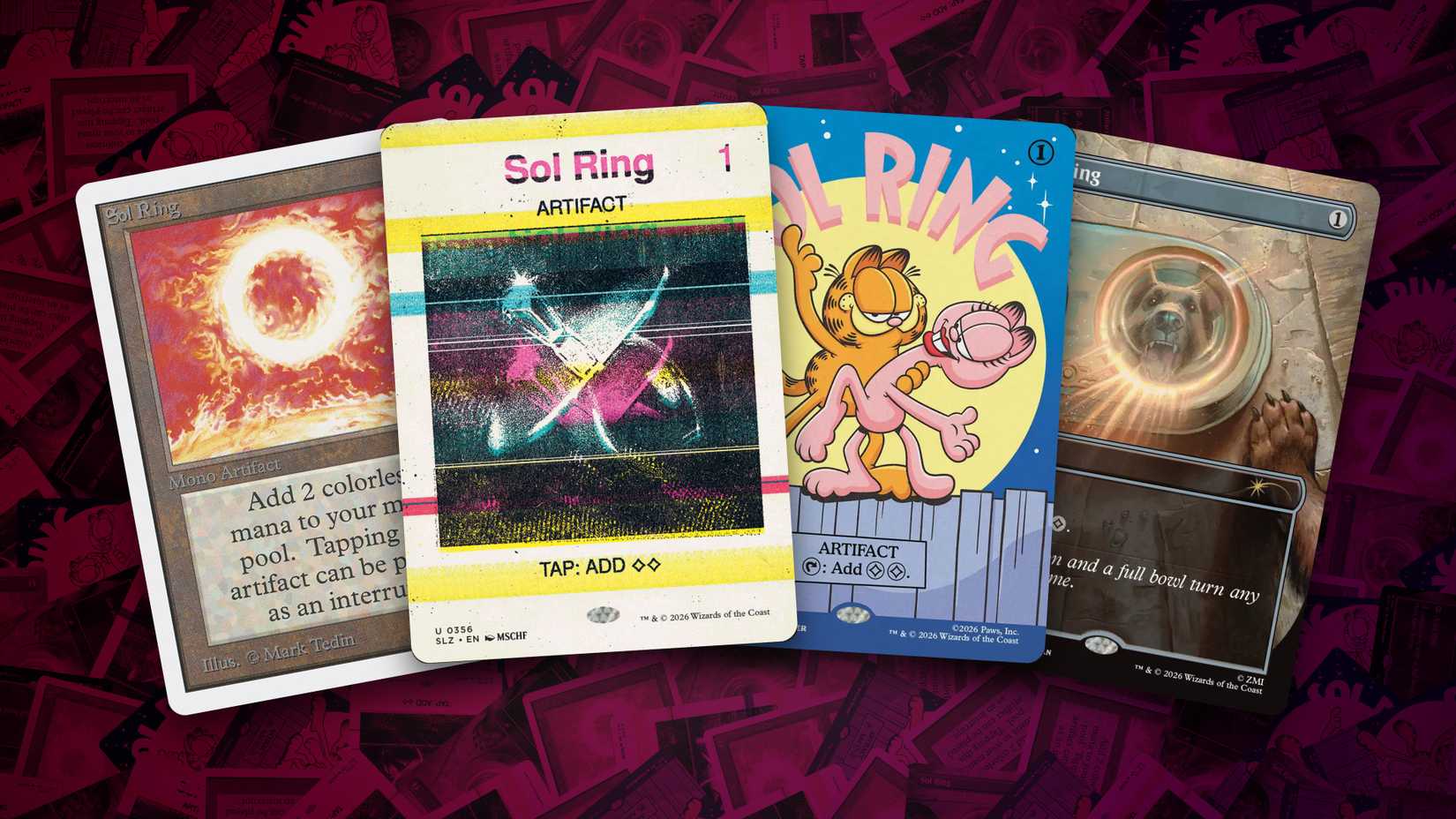
Ultimately, the debate over Sol Ring serves as a microcosm for the growth of the format. As Commander continues to expand, the definition of what constitutes a "fair" or "fun" game continues to evolve. While there is certainly room for players to disagree on the merits of the card, the official stance from the developers is clear: Sol Ring is not going anywhere. For the skeptics who feel that the artifact creates an unfair playing field, the solution remains what it has always been: a discussion within the playgroup. As long as Commander remains a social format at its core, the power to "ban" Sol Ring rests not with the designers in the boardroom, but with the players sitting around the table. For now, if you are the type of player who would show up to MagicCon with a shirt demanding the end of the game’s most iconic artifact, the most effective place to enforce that ban remains your own local pod.