







The digital landscape is bracing for a month of intense creativity and innovation as GitHub officially announces the return of Game Off, its celebrated annual game jam. Now entering its 14th year, this November-long event has become a cornerstone of the developer community, inviting thousands of creators—from hobbyists crafting their very first project to industry veterans experimenting with new concepts—to push the boundaries of what is possible in a browser or on a desktop.
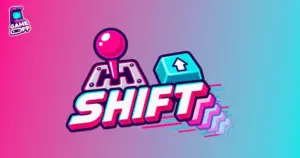
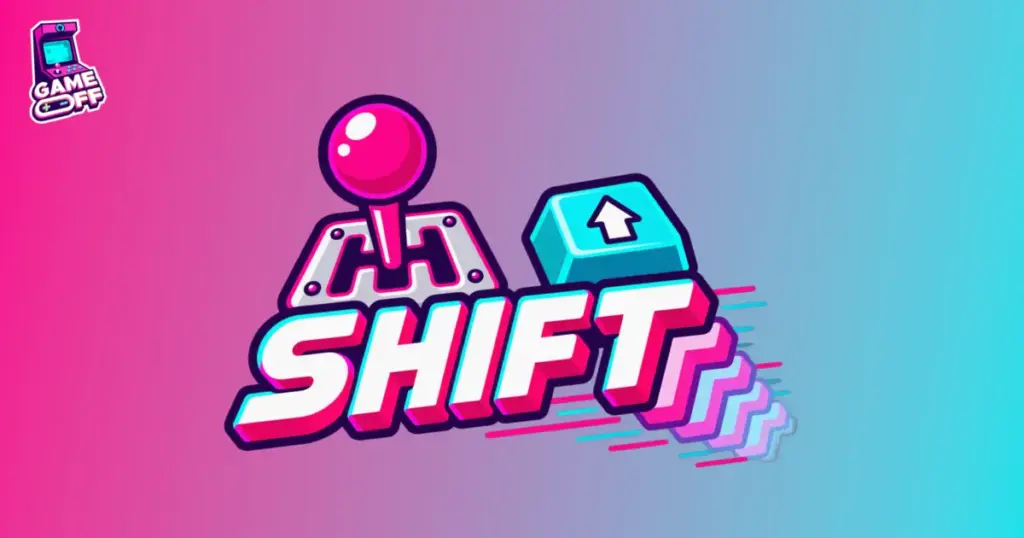
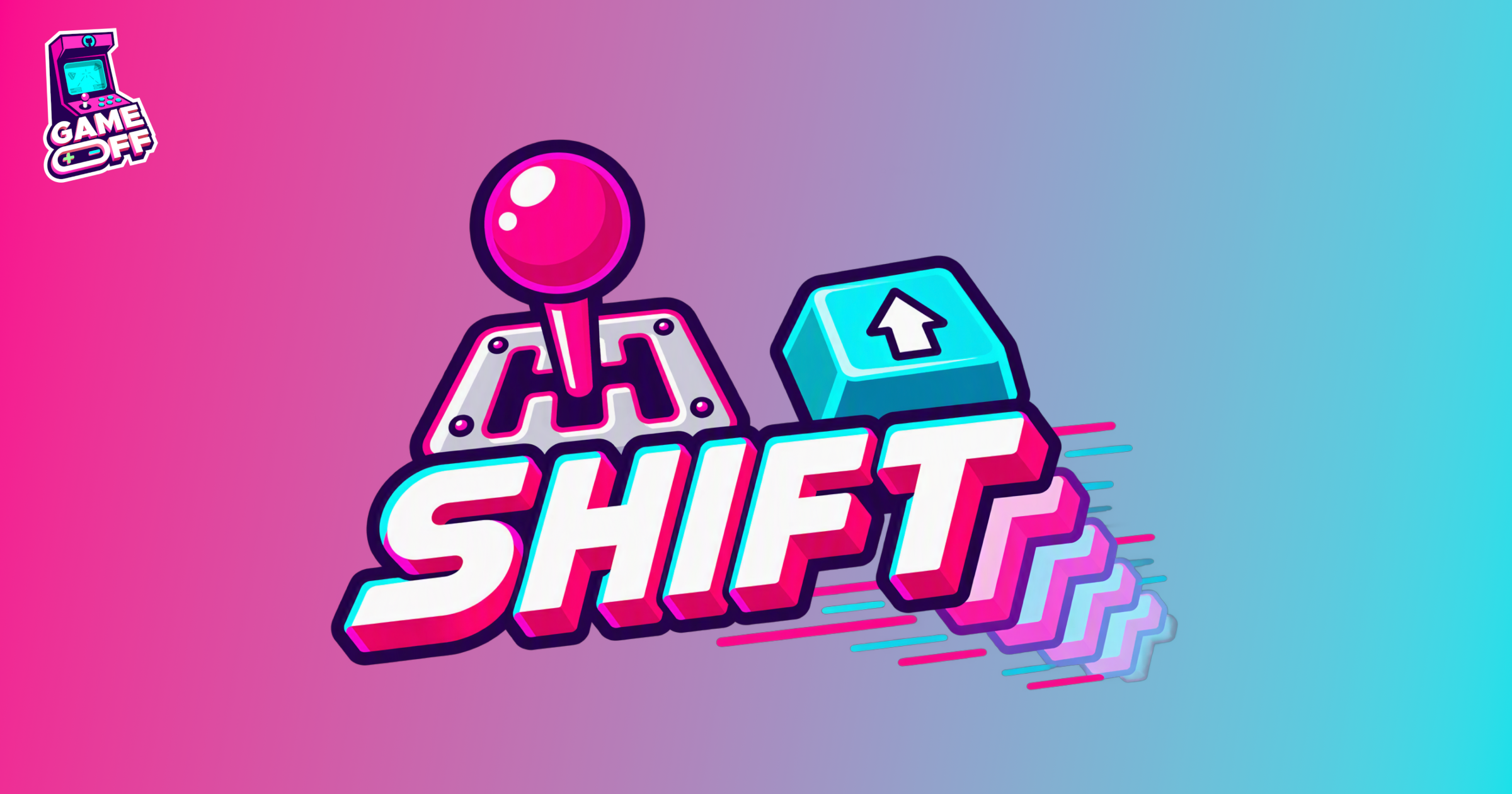
For 2026, the theme is centered on a single, evocative word: SHIFT.
This year’s theme is deliberately open-ended, designed to spark a wide spectrum of creative interpretations. Participants might choose to explore the literal mechanics of the keyboard, creating games where the Shift key acts as the primary input, or they may delve into more abstract thematic territory. The possibilities are vast: shifting perspectives in a puzzle game, navigating through changing dimensions, managing the "night shift" in a simulation, or exploring complex narratives involving shifting alliances and tectonic plates. Whether the inspiration is strong and direct or loose and conceptual, the goal remains the same: to foster an environment where developers feel empowered to experiment without the pressure of a commercial release.

A Legacy of Collaborative Innovation
Since its inception, Game Off has served as more than just a competition; it is a global gathering of minds. Over the past decade and a half, the event has seen the birth of thousands of games, ranging from polished platformers and immersive role-playing games to avant-garde experiments that defy traditional genre categorization. The community-driven nature of the jam encourages developers to share their progress, troubleshoot technical hurdles, and offer support to peers, creating a repository of knowledge that lasts long after the jam concludes.
The event is built on the philosophy that anyone can be a game developer. There are no prerequisites for entry, and the lack of rigid constraints allows participants to use whatever technology they find most compelling. Whether a developer chooses to utilize industry-standard engines like Unity or Godot, or prefers to craft their own frameworks using lower-level languages, the focus is squarely on the joy of creation. Some of the most memorable entries in past years have come from participants building for unconventional hardware, including vintage consoles, terminal-based interfaces, or even legacy calculators, proving that creativity is rarely limited by the choice of platform.
Harnessing Tools for the Creative Process
For those who may feel overwhelmed by the blank page, GitHub is encouraging participants to leverage the full suite of modern developer tools. Brainstorming is often the most difficult hurdle in a short-term project, and this year, the organizers are highlighting the role of AI in the creative process. By utilizing tools like GitHub Copilot, developers can treat the AI as a creative partner—a sounding board for mechanics, genre-bending ideas, and technical implementation. By providing specific constraints, such as the need for a prototype to be completed within a weekend, participants can quickly iterate on their ideas and move from a theoretical concept to a playable build.
The organizers offer a crucial piece of advice for all entrants: focus on the core. Many developers fall into the trap of over-ambition, attempting to build vast, interconnected universes that require months of development. The most successful jam entries are often those that master a single, compelling mechanic and refine it within a single, polished level. By prioritizing the core loop, developers ensure that their project remains stable, fun, and manageable. Once the primary foundation is secure, there is always room to expand, but a "less is more" approach is often the secret to a successful submission.
Participation and the Spirit of the Jam
Participating in Game Off is a straightforward process designed to be as inclusive as possible. Developers can work in isolation, focusing on their own vision, or join forces with others to form teams, pooling their unique skill sets in design, programming, art, and sound. Once the development phase concludes on December 1, 2026, at 13:37 PST, the focus of the event transitions from creation to community engagement.
The voting phase is perhaps the most cherished part of the Game Off experience. Once the deadline passes, the community takes the reins, playing and rating the submitted games. This peer-review process ensures that every developer receives feedback on their work. Entries are evaluated across several core categories, helping to highlight the diverse strengths of the submissions. These rankings lead to the final announcement of winners, who earn the coveted bragging rights of the community. The final results are typically revealed in January, capping off the event with a celebration of the community’s collective effort.
Keeping the Playing Field Level
While Game Off is known for its relaxed and welcoming atmosphere, there are a few foundational guidelines in place to ensure the experience remains fair and enjoyable for everyone. The primary requirement is that all submissions must be original creations produced during the jam period. While developers are encouraged to use existing libraries and assets—as long as they have the proper permissions—the heavy lifting must be done throughout November. This structure prevents pre-built games from dominating the competition and keeps the focus on the challenge of rapid, iterative development.
The importance of version control is also central to the ethos of the event. As a project hosted by GitHub, Game Off serves as an excellent, low-stakes environment for developers to practice using Git. Whether one is an expert in branch management or a newcomer learning the basics of committing and pushing code, the process of managing a game’s development through version control is an invaluable skill. Participants are reminded to ensure their final code is pushed to their repositories before the deadline, marking the culmination of their month-long journey.
Support and Community Engagement
For those who are intimidated by the technical side of game development, the Game Off community acts as a safety net. The community hub on itch.io is the heartbeat of the event, offering a space for developers to ask questions, showcase their progress, and find teammates. For those seeking technical inspiration, there are endless tutorials and documentation available for a variety of game engines, including Godot, Unity, Phaser, and many others.
The event has also fostered a vibrant, community-run Discord server, which has become a digital "water cooler" for participants. It is here that many of the most meaningful connections are made, with experienced developers often stepping up to help newcomers debug their code or offer advice on game design. This culture of mentorship is what keeps the Game Off community thriving year after year.
As November approaches, the anticipation is palpable. Whether a developer is spending their time shifting pixels, shifting bits, or simply shifting their schedule to accommodate the creative process, they are contributing to a global phenomenon. The act of making a game is, in its own right, a shift in perspective—a transition from being a consumer of digital entertainment to an architect of new, interactive experiences. By the time the final entries are submitted, the community will have once again proven that even the simplest theme can lead to an explosion of creativity. So, as the month begins, take a moment to consider the possibilities, change your viewpoint, and see what happens when you finally press that Shift key.