









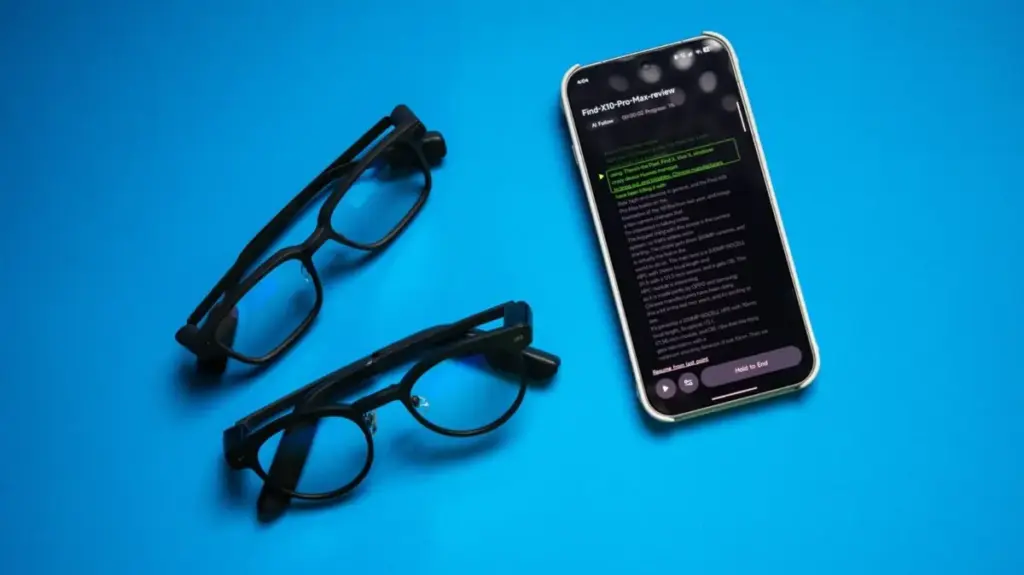
In the rapidly evolving landscape of wearable technology, smart glasses have long promised to be the next frontier in personal computing. While many early iterations focused on augmented reality gaming or integrated cameras, a new generation of devices is carving out a more practical niche: utility-focused hardware that enhances daily productivity. Among the most promising entries are the XGIMI MemoMind One and the Even Realities G2. These devices utilize advanced waveguide technology to project information directly into the wearer’s field of view, providing a discreet, hands-free way to manage notifications, navigation, and, most intriguingly, live teleprompter scripts.
The core appeal of these glasses lies in their subtlety. Unlike some of their predecessors, both the MemoMind One and the Even Realities G2 lack external cameras, effectively sidestepping the social stigma often associated with filming in public spaces. This design choice makes them far more approachable for professional use, whether one is navigating a busy city or delivering a high-stakes presentation. By projecting text directly onto the lenses via waveguide prisms, these glasses allow users to maintain natural eye contact with their audience while keeping their notes front and center.
The Mechanics of the Wearable Teleprompter
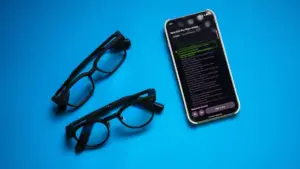
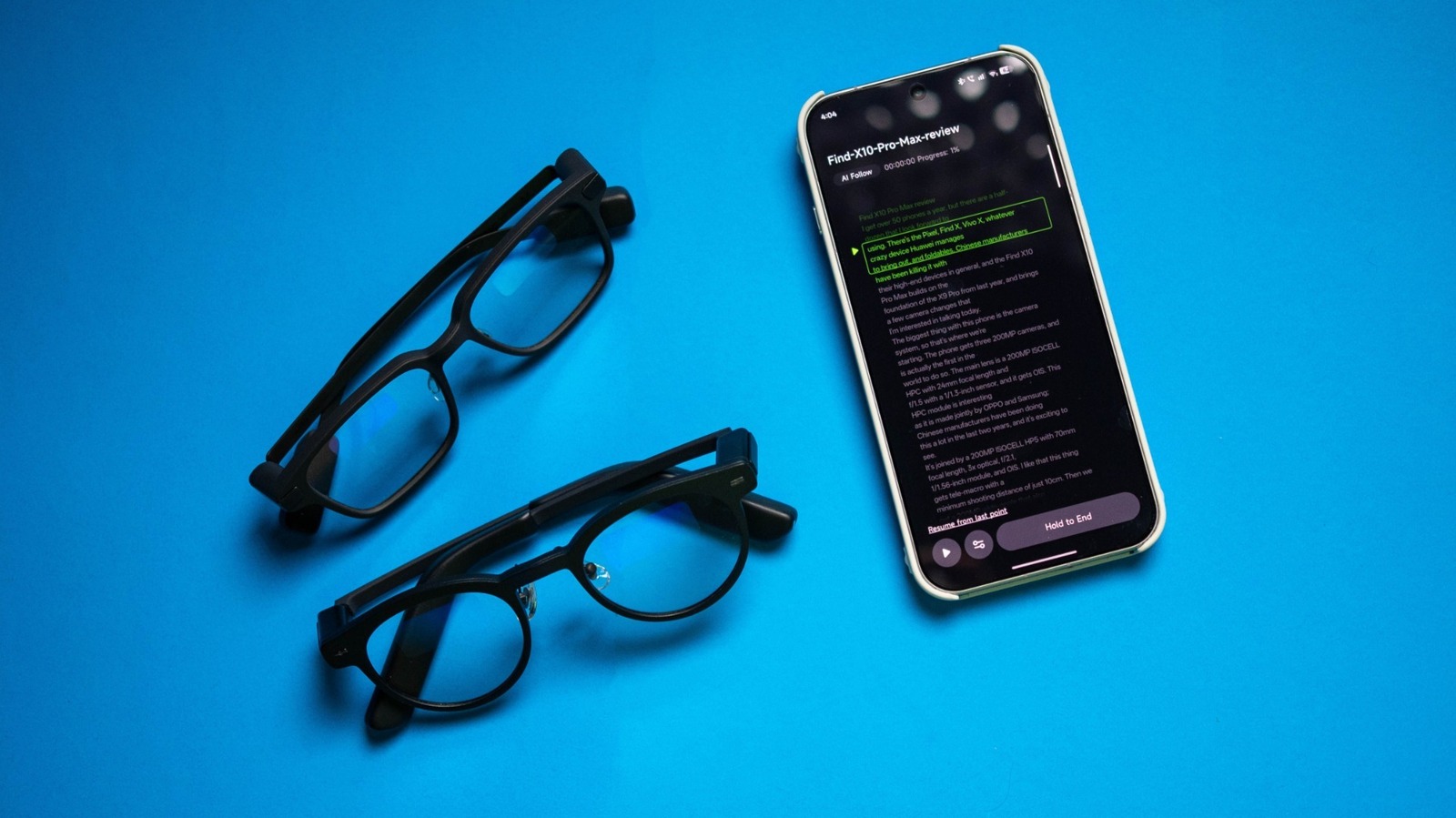
For professionals who frequently deliver speeches, lectures, or video presentations, the ability to read from a script without looking down at a laptop or a physical piece of paper is a significant advantage. The teleprompter feature integrated into the MemoMind One and the Even Realities G2 functions by tethering the eyewear to a companion application. Users simply upload their scripts, and the software handles the scrolling, with the text appearing as a floating, semi-transparent overlay that does not obstruct the user’s view of the real world.
The user experience is highly customizable, though the software implementations differ slightly between the two models. The Even Realities G2 offers broader file compatibility, supporting PDF, plaintext, and DOCX files. In contrast, the MemoMind One currently restricts support to TXT and DOCX files, omitting native PDF integration. While this may pose a minor inconvenience for those who rely heavily on PDF documents, the ubiquity of file conversion tools makes this a manageable hurdle for most users.
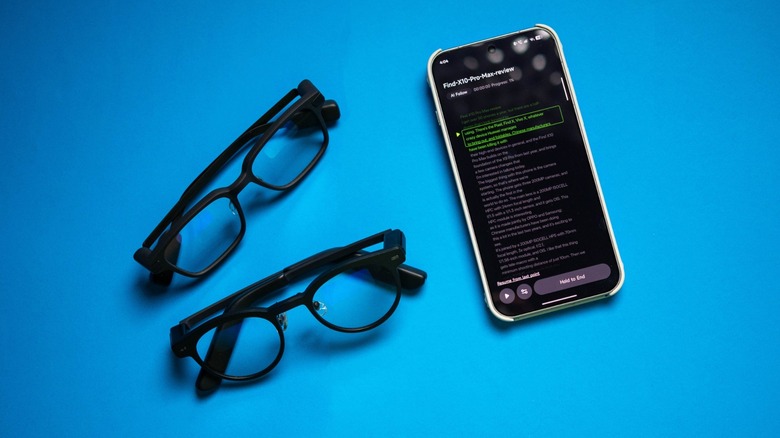
Once a script is loaded, the glasses provide several ways to control the flow of text. Both devices feature an intelligent "auto-follow" mode that attempts to synchronize the scrolling speed with the speaker’s natural cadence. By utilizing the microphone to track speech patterns, the AI-driven system speeds up or slows down the text to match the user’s delivery. For those who prefer complete control, both devices also offer manual adjustment options, allowing users to set a fixed word-per-minute pace or use physical controls to advance the text as needed.
The MemoMind One distinguishes itself further by offering granular control over the display itself. Users can adjust the font size and the width of the text block—a feature that significantly enhances readability during long presentations. Furthermore, the ability to adjust display scaling specifically for the teleprompter mode ensures that the text is legible regardless of the user’s surroundings. During testing, the MicroLED-based waveguides proved highly effective, projecting crisp, legible text even in varying lighting conditions. The display also keeps the user informed by showing vital metadata, such as elapsed time, the device’s remaining battery life, and the current time, all of which are essential for maintaining the pacing of a speech.

One of the most impressive aspects of this technology is its discretion. The waveguide prisms are remarkably subtle, making it nearly impossible for anyone standing more than a few inches away to discern what is being displayed. This allows a speaker to read their notes in a crowded room or during a public event without appearing distracted or disengaged. Because the teleprompter "moves" with the wearer, it provides a level of mobility that traditional, stationary teleprompter setups simply cannot match. Whether you are walking across a stage or standing in an open-office environment, your notes are always perfectly positioned in your line of sight.
Evaluating the Hardware: Which Device Reigns Supreme?
Choosing between the MemoMind One and the Even Realities G2 requires a careful look at how each device balances performance, comfort, and usability. Having spent months using both devices interchangeably, the differences become clear in daily use.

The Even Realities G2 serves as a solid successor to its predecessor, offering a sleek form factor and a thoughtful charging case that eliminates the need for extra cables—a major plus for those who travel frequently. However, the device falls short in terms of user interface and audio. The G2 relies on a series of touch-based gestures at the temple tips to control the display. In practice, this system can be frustrating; the sensors do not always register inputs correctly, and the act of reaching behind one’s ear to tap or swipe can look somewhat awkward in a public setting. Additionally, the G2 lacks built-in speakers, meaning users must rely on external audio solutions if they wish to consume media or listen to feedback.
The MemoMind One, by comparison, offers a more polished and user-friendly experience. It is slightly more comfortable for extended wear, and the integration of Harman-tuned onboard audio makes it a versatile tool for listening to podcasts or other audio content on the go. Critically, the control mechanism on the MemoMind One is superior. Instead of relying on potentially finicky touch gestures, the glasses feature a physical button positioned discreetly below the right hinge. This button provides tactile, reliable feedback, making it easy to cycle through menus or exit the dashboard without drawing unwanted attention.
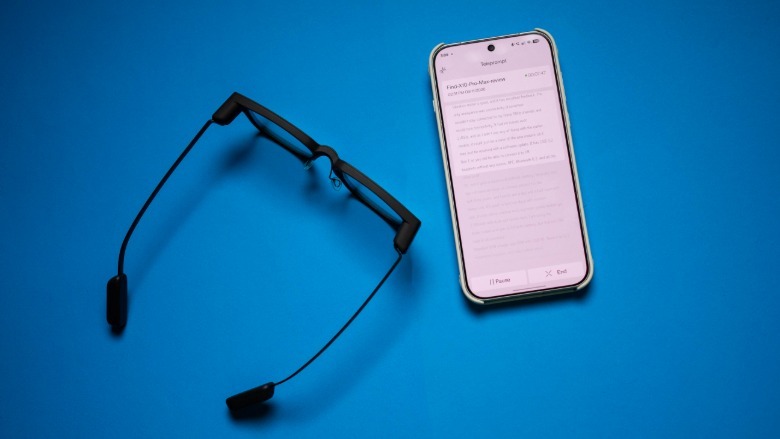
While the software on the MemoMind One was somewhat unrefined at launch, recent updates have significantly closed the gap, placing it on par with the Even Realities G2. The MemoMind One is also more budget-friendly, starting at $499, which is $100 less than the G2. However, prospective buyers should factor in the cost of prescription lenses if required: the MemoMind One charges $280 for this service, while the Even Realities G2 charges $159.
Ultimately, for those seeking the best overall package, the MemoMind One is the more compelling choice. It boasts a more robust feature set, including the aforementioned audio capabilities and brighter waveguide performance, which makes it easier to read in bright, outdoor environments. With its more intuitive physical controls, wider variety of frame styles, and superior comfort, the MemoMind One successfully demonstrates how smart glasses can transcend their "gadget" status to become a legitimate, daily-use tool for the modern professional. As the technology continues to mature, these devices are likely to become standard equipment for those looking to blend digital assistance with the physical world seamlessly.