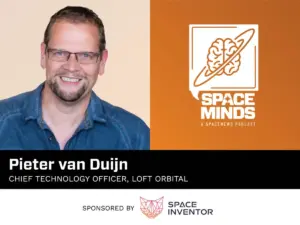







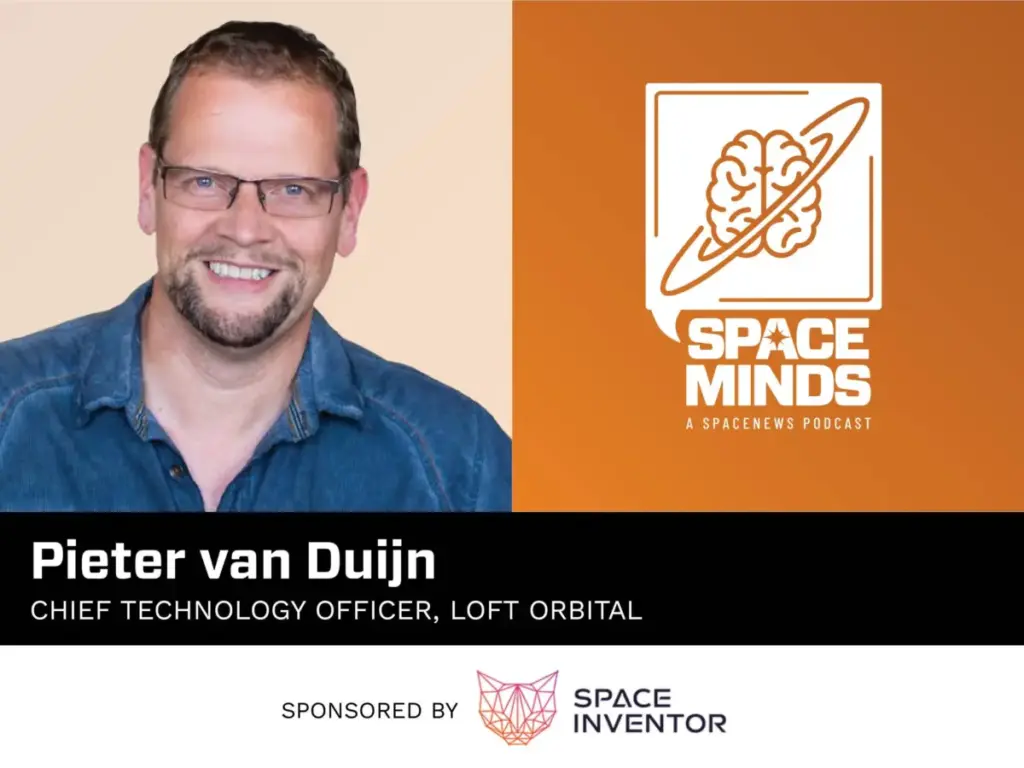
As artificial intelligence continues to reshape industries across the globe, the commercial space sector is experiencing its own profound technological shift. On the opening day of Space Tech Expo Europe, SpaceNews senior leader Mike Gruss sat down with Pieter van Duijn, the chief technology officer of Loft Orbital, to examine how modern satellite architecture is evolving to meet the demands of an increasingly automated world.
The comprehensive interview, recorded as part of the Space Minds podcast series, delves into several critical topics currently defining the trajectory of the commercial space industry. Among these are the growing levels of trust commercial operators are placing in artificial intelligence, the innovative business model that compares utilizing an orbital asset to renting a car, and the persistent industry obstacles that continue to slow down widespread adoption.
The episode highlights how companies like Loft Orbital and industry partners are navigating a rapidly changing environment where hardware is becoming standardized, software-driven capabilities are taking center stage, and traditional aerospace timelines are being challenged by agile, commercial-first approaches.

The Evolving Role of Artificial Intelligence in Orbit
For decades, satellite operations have relied heavily on deterministic, ground-controlled commands. Operators would uplink specific instructions, the spacecraft would execute those commands, and telemetry data would be downlinked for analysis on Earth. However, the sheer volume of data being generated by modern Earth observation and remote sensing payloads has created a significant bottleneck. Transmitting raw data back to ground stations for processing is increasingly inefficient, expensive, and time-consuming.
During the conversation at Space Tech Expo Europe, van Duijn discussed how the commercial space sector is gradually overcoming its historical hesitation regarding artificial intelligence in space. Deploying machine learning algorithms and advanced AI models directly onto spacecraft allows satellites to process imagery, detect changes, and identify anomalies autonomously while still in orbit.
This shift from reactive ground control to autonomous, intelligent spacecraft management represents a fundamental evolution in how missions are executed. By letting the satellite decide which images are worth downloading or which atmospheric phenomena require immediate attention, operators can dramatically reduce latency and optimize bandwidth usage. Van Duijn explored the nuances of this cultural and technical shift, addressing how engineering teams are learning to trust autonomous decision-making systems in the unforgiving, high-radiation environment of low Earth orbit.
The "Renting a Car" Model of Satellite Utilization
Another core theme of the discussion centered on Loft Orbital’s unique approach to mission deployment and how the company conceptualizes the customer experience. Launching a traditional satellite has historically required years of bespoke engineering, massive capital expenditure, and complex supply chain coordination. For many commercial enterprises, research institutions, and government agencies, the traditional barrier to entry has simply been too high.

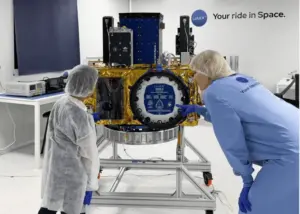
Van Duijn drew an engaging analogy between Loft Orbital’s operational philosophy and the simplicity of renting a vehicle. Instead of forcing every organization to build its own spacecraft from scratch—effectively designing a car from the wheels up for a single afternoon trip—platforms like those offered by Loft Orbital provide a standardized, ready-to-use bus where customers can simply host their payloads.
This "space-as-a-service" model simplifies the entire process. Customers focus on developing their specific sensors, instruments, or software applications, while Loft Orbital handles the underlying spacecraft infrastructure, launch integration, and orbital operations. This service-oriented framework lowers financial risks and drastically shortens lead times, allowing innovative technologies to reach space much faster than under traditional aerospace paradigms.
Despite the clear benefits of this plug-and-play approach, van Duijn and Gruss also examined the obstacles that still hinder broader industry adoption. Regulatory hurdles, traditional risk-averse mindsets within legacy aerospace sectors, and the technical complexities of standardizing diverse payloads remain challenges that companies must actively navigate.
About the Space Minds Podcast
The interview between Mike Gruss and Pieter van Duijn is part of Space Minds, a dedicated audio and video podcast produced by SpaceNews. Designed to highlight the inspiring leaders, cutting-edge technologies, and exciting commercial opportunities shaping the modern space economy, the podcast provides a platform for deep-dive conversations with the people driving the industry forward.
Each weekly episode features compelling interviews with scientists, startup founders, aerospace executives, and technical experts who share their insights into the news and trends capturing the imagination of space enthusiasts worldwide. Hosted by Mike Gruss alongside journalists from the SpaceNews reporting team, the podcast aims to bridge the gap between complex engineering advancements and accessible storytelling.
New episodes of Space Minds premiere every Thursday and are available for viewers and listeners across multiple platforms, including SpaceNews.com, YouTube, Spotify, and Apple Podcasts. SpaceNews also offers an exclusive email subscription service for enthusiasts who want early access to new episodes as soon as they go live.