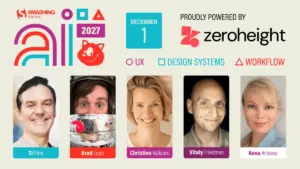

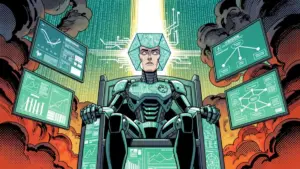

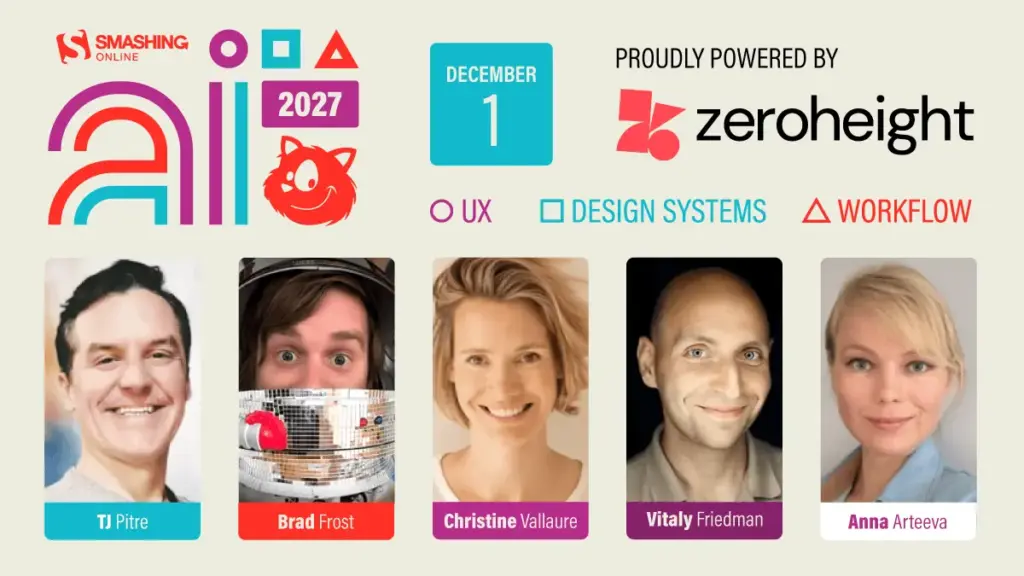
The rapid evolution of artificial intelligence in design and software engineering has shifted the industry’s focus away from experimental hype and toward practical integration. Addressing this maturation, SmashingConf has officially announced the upcoming AI 2027 Conference, a live online half-day event scheduled for December 1, 2026. The conference is designed specifically for front-end developers, user interface (UI) and user experience (UX) designers, and design system engineers looking to understand how AI will reshape professional workflows in the near future.
As artificial intelligence continues to fundamentally alter how digital products are conceived, designed, and built, industry professionals face the challenge of keeping pace without getting lost in the constant stream of new tools and methodologies
. Recognizing that most teams are still figuring out how to work smarter in this new landscape, SmashingConf has curated a lineup of seasoned industry experts. These speakers will share their personal experiences, breaking down what works and what does not, allowing attendees to bypass months of trial and error.
About the AI 2027 Conference and Schedule
The core mission of the AI 2027 Conference is to provide actionable, real-world insights rather than theoretical speculation. The event will focus heavily on AI-ready design systems, the intersection of AI and Figma, harness engineering, agentic AI UX patterns, and alternative workflows for design and engineering teams. Rather than simply talking about the potential of artificial intelligence, the presenters will emphasize showing over telling, diving directly into their daily tools, setups, and the subtle operational details that are often overlooked.
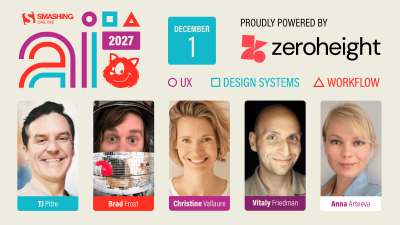
The event schedule is packed with targeted sessions addressing the pressing operational hurdles faced by modern digital teams. Proceedings begin early in the morning, opening with a foundational look at designing AI experiences in the expected landscape of 2027. This is followed by specialized sessions tackling the practicalities of prototyping AI functionality, navigating the realities of documentation consumption in an automated era, and leveraging Figma Model Context Protocols (MCPs) for design systems.
Later sessions will explore alternative workflows and real-world case studies demonstrating how AI and design systems successfully intersect in production environments. Following the main presentations, the event will conclude with moderated breakout rooms. These interactive sessions are designed to give participants a direct opportunity to bring their own unique workflow questions and challenges to the experts for personalized feedback.
About the Speakers
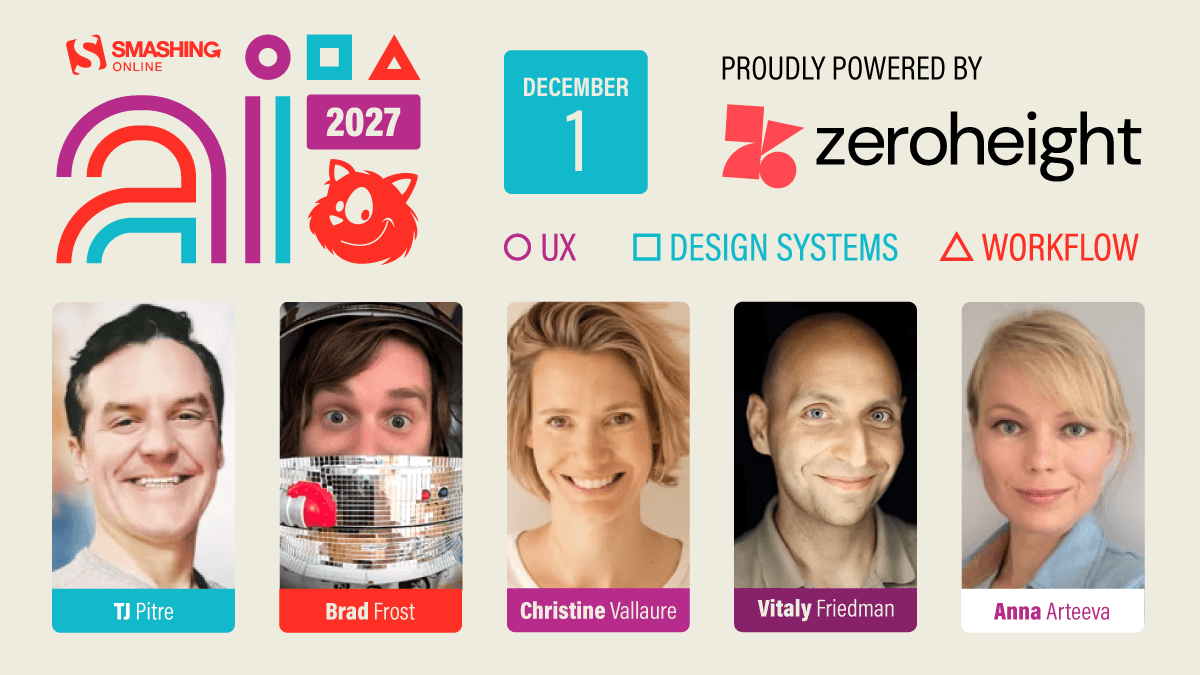
The December 1, 2026 event brings together six prominent voices from the design and development industry who have spent considerable time navigating the practical realities of artificial intelligence in production. Attendees will have the chance to learn from practitioners who are actively shaping modern workflows and sharing their personal tips, tricks, and valuable insights.
Vitaly Friedman, the host of the event and a well-known figure in the front-end and UX community, noted the motivation behind the gathering. Friedman, who regularly runs workshops on complex UX, front-end, and performance problems, pointed out that industry sentiment has clearly shifted. Across his workshops, he has observed that people are no longer interested in endless AI hype; instead, they want concrete guidance on how to become more effective practitioners. This exact demand served as the catalyst for organizing the conference.
Joining the speaker lineup is Anna Arteeva, a product design leader turned agentic coding instructor and one of Maven’s top-ranked educators. Formerly the head of product design at Payoneer, Arteeva brings a strong technical background in front-end development combined with a career in product design. Her work focuses on helping designers move beyond initial AI excitement and one-shot prototypes, developing the technical fluency and good judgment required to make agentic coding a sustainable part of professional practice.
Christine Vallaure, a designer and educator with two decades of product experience, will also take the virtual stage. As the founder of Moonlearning.io—a learning platform helping designers bridge the gap between design and code—and the author of The Solo, Vallaure spends her time deeply immersed in developer workflows. She translates these technical complexities into practical formats for designers through hands-on teaching and global conference talks.
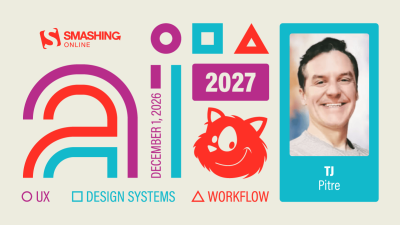
The conference perspective is further rounded out by TJ Pitre, Product Architect for AI and Design Systems at Figma and founder of the design systems consultancy Southleft. Pitre works directly with teams to bridge the historical gap between design and engineering through structured context, modern tooling, and practical experimentation.
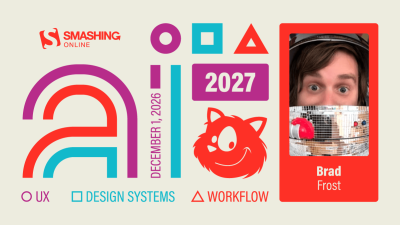
Brad Frost, widely recognized as a design system consultant, web developer, and author of the foundational book Atomic Design, is also featured on the speaker roster. Based in Pittsburgh, Frost helps organizations establish and evolve design systems, build collaborative workflows, and design software collaboratively. He has continuously created educational resources for web designers, including an online course titled AI & Design Systems developed alongside other industry experts.
Industry Collaboration with zeroheight
The event is proudly supported by zeroheight, a platform dedicated to creating, managing, and publishing design system documentation in a shared space where designers and developers can collaborate beyond traditional handoffs. As part of this partnership, zeroheight’s Principal Design Advocate, Luke Murphy, will deliver a special partner talk addressing a common friction point in modern product development: why nobody reads design system documentation, and what coding agents actually need from those documents.
Reflecting on his participation, Murphy expressed enthusiasm for the event, noting that Smashing Conference has long been a favorite venue. He looks forward to synthesizing the discoveries and findings he has gathered over the preceding six months and presenting them to the audience.
Registration for the live online half-day event is currently open. Attendees are encouraged to check their local time zones ahead of the broadcast on December 1, 2026, to ensure they can participate in the sessions and join the interactive breakout rooms designed to address their specific workflow questions.