










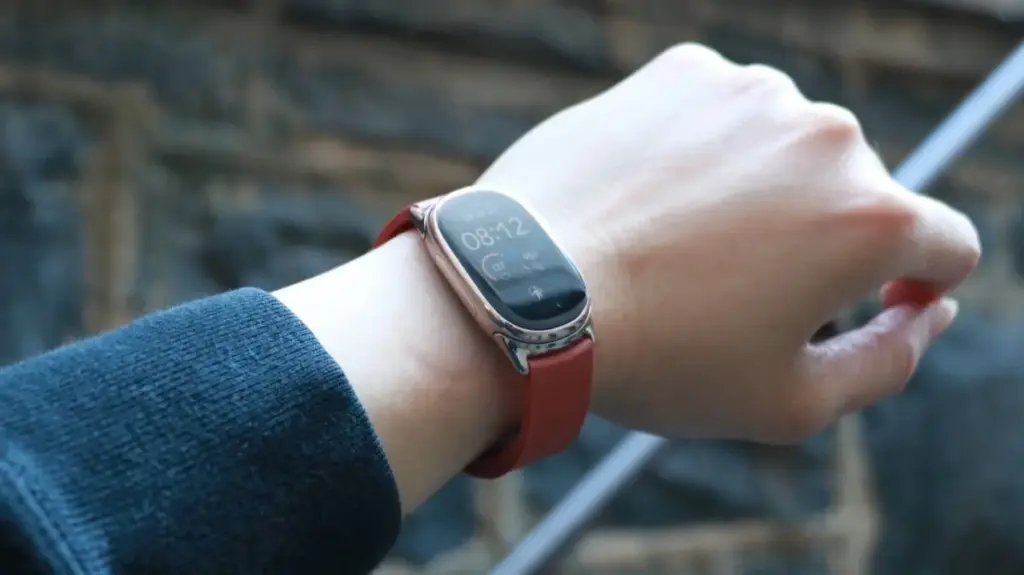
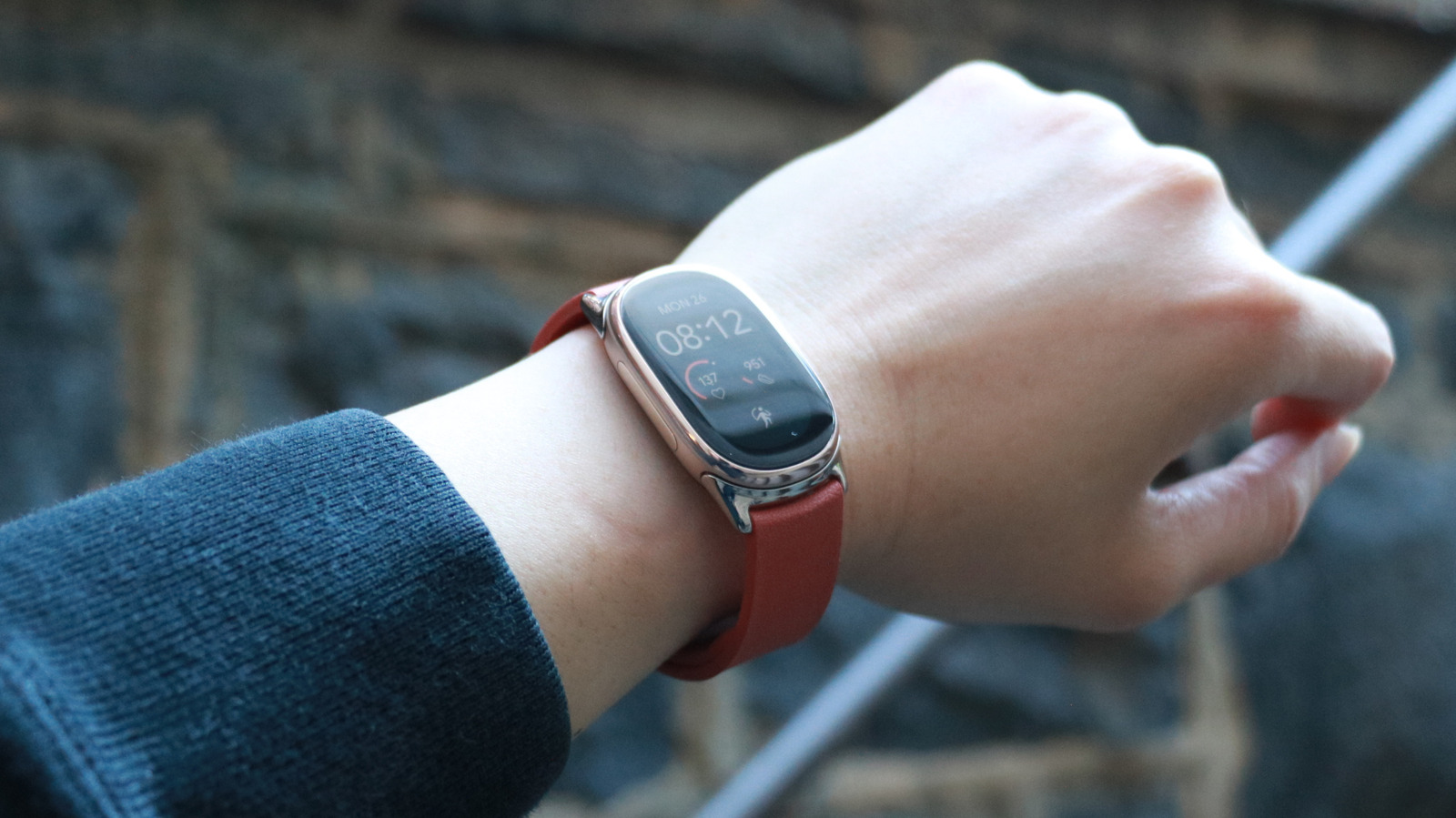
After a period of speculation regarding Google’s long-term commitment to its fitness tracker division—fueled largely by the tech giant’s aggressive push for the Pixel Watch—the company has moved to settle consumer anxieties. The recent launch of two new devices, headlined by the Fitbit Edge, serves as a clear signal that Google intends to maintain its footprint in the wearable health market. The Edge functions as a spiritual successor to the popular Charge series, though it notably eschews certain premium features like Google Pay and electrodermal activity (EDA) stress monitoring to focus on core fitness tracking utility.
However, the most significant, and perhaps most controversial, feature of the new device is its user-replaceable battery. This design choice addresses the "dirty secret" of the wearable electronics industry: while trackers and smartwatches are built to last for years, their internal lithium-ion batteries are subject to chemical degradation. Over time, the capacity of these power cells inevitably shrinks, eventually reaching a point where the device can no longer hold a charge long enough to make it through a daily workout, let alone a sleep-tracking cycle. By making the battery accessible, Google is theoretically offering a path toward indefinite device longevity, provided that app support continues and compatible batteries remain in production.
While this shift toward repairability is a welcome departure from the trend of disposable, sealed electronics, prospective owners should be aware that this is not a simple user-maintenance task. Replacing the battery in a Fitbit Edge is not analogous to swapping out AA batteries in a household remote or even changing the coin-cell battery in a traditional analog timepiece. It is a delicate, high-stakes procedure that requires specialized equipment, a steady hand, and a high tolerance for frustration.

The Complications of DIY Repair
To facilitate this process, Google has partnered with the repair advocates at iFixit to provide an official, free-to-access digital manual. However, the availability of instructions is only the first step in a complex journey. Potential repairers must procure a specific set of tools and components, which includes not just a fresh battery, but also a set of replacement screws. The necessity for new screws stems from the fact that the original fasteners are designed for one-time use; attempting to reuse them during reassembly is not recommended and could lead to structural failure of the chassis.
The risk profile of the operation begins the moment you attempt to breach the device’s housing. The Fitbit Edge is engineered to be water-resistant, a feat accomplished by a finely tuned O-ring seal. Once the casing is pried open, that O-ring is prone to falling out or becoming misaligned. If the user fails to seat this component perfectly during reassembly, the device’s water resistance is effectively nullified, leaving it vulnerable to moisture damage during future workouts or even incidental exposure.
Beyond the physical assembly, there is the matter of internal electronics. The internal components of the Edge are exceptionally small, even by the standards of modern consumer electronics. The process requires the use of fine-tipped tweezers to navigate crowded circuits. Any accidental contact with the motherboard or surrounding components could result in permanent damage. Furthermore, the threat of static electricity is genuine. iFixit explicitly warns against wearing clothing that can generate static charges, such as fleece, and recommends the use of a professional-grade grounding mat to prevent electrostatic discharge (ESD) from frying the device’s sensitive internals during the procedure.
For those accustomed to building desktop PCs, where components are modular and connectors are relatively robust, the scale of the Fitbit Edge’s internal architecture can be jarring. The screws are microscopic, and the margin for error is razor-thin. What appears to be a triumph for the "Right to Repair" movement in a marketing sense presents as an intimidating, high-risk technical challenge in practice.
Navigating the Lack of Official Support
Perhaps the most striking aspect of this initiative is that it remains a strictly do-it-yourself endeavor. Google does not currently offer an official, paid battery replacement service, nor does it provide a mail-in repair program for out-of-warranty battery fatigue. Should a user’s battery fail while the device is still covered under the standard warranty, Google may offer a replacement, but in many cases, this manifests as a complete swap of the hardware rather than a repair of the original unit.
The lack of a professional service tier places the entire burden of risk on the consumer. This creates a difficult dilemma: does one risk destroying their functional, albeit slightly degraded, tracker by attempting a DIY repair, or does one continue to use it with reduced battery life until it becomes effectively useless?
Google has been careful to issue warnings regarding the use of third-party or unauthorized components, emphasizing that "a non-qualified battery and improper disposal may present a risk of fire, explosion, leakage, and/or other hazards." While such statements serve as standard corporate legal protection, they also highlight a very real reality regarding lithium-ion technology. These batteries are volatile if handled incorrectly or if they are of inferior quality. Even when utilizing Google’s official replacement kits, the company advises users to be prepared to dispose of the old, depleted battery in a fireproof container, underscoring the inherent dangers involved in handling high-energy-density power cells.
This cautious approach helps explain why the broader wearable industry has been so hesitant to adopt user-replaceable battery designs. Manufacturers are, by and large, unwilling to be held liable for the potential mistakes of their customers. When a device is factory-sealed, the manufacturer controls the environment in which the battery is installed and charged. Once the user is invited to open the device, that control is lost, and with it, the assurance that the device remains safe to wear on one’s wrist.
Ultimately, the Fitbit Edge experiment remains an outlier. It remains to be seen how many users will actually opt to perform this repair when their battery eventually degrades. In an industry defined by rapid innovation and iterative hardware releases, it is entirely possible that by the time a user faces a dead battery, they will find themselves more inclined to upgrade to a newer model with improved health sensors and software features than to spend their time and money attempting to resuscitate a piece of hardware that is already several years old. While the inclusion of a replaceable battery is a progressive step for environmental sustainability and long-term ownership, the current complexity of the process ensures that it remains an option for the few, rather than a standard procedure for the many.