









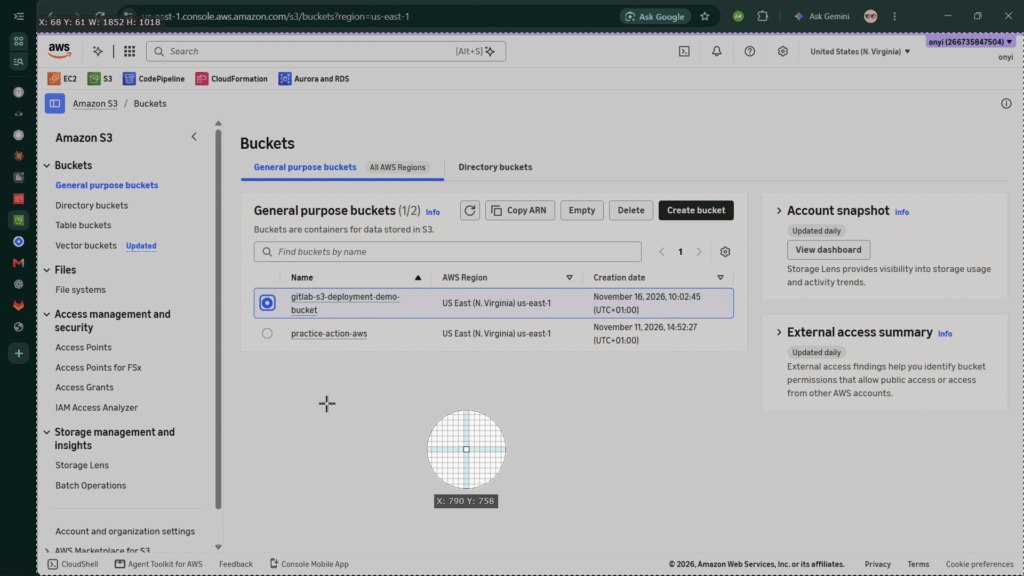
Cloud computing relies fundamentally on object storage, and
for developers exploring Amazon Web Services, Amazon S3 serves as one of the most accessible and critical entry points. While manually creating buckets and uploading files via the AWS Management Console remains a common starting point for beginners, production environments demand speed, repeatability, and security. Manual interventions introduce friction and human error, driving engineering teams to adopt automated continuous integration and continuous deployment pipelines.

Modern cloud workflows increasingly rely on automation platforms such as GitLab CI/CD to streamline infrastructure and application deployments. By integrating version control systems directly with cloud providers, developers can ensure that code modifications are published instantly and consistently without requiring repetitive administrative tasks. However, bridging the gap between third-party CI/CD platforms and enterprise cloud providers traditionally presented significant security challenges, particularly regarding the management of static authentication credentials.

The Evolution of Cloud Authentication
Historically, connecting external services like GitLab to an AWS account required generating and storing long-lived AWS access keys inside the repository’s environment variables. These credentials possess permanent permissions and do not expire automatically. If an access key were ever compromised or leaked through a misconfigured repository, malicious actors could gain unrestricted access to an organization’s cloud infrastructure.

To mitigate these risks, modern cloud architectures favor short-lived, dynamic credentials negotiated on demand. OpenID Connect has emerged as an industry standard for securing cross-platform integrations without storing static secrets. Through OIDC, an external platform such as GitLab proves its identity directly to AWS using a cryptographically signed JSON Web Token. Upon verifying the token, AWS issues temporary, session-limited security credentials that automatically expire once the deployment job finishes.
While implementing OIDC requires initial configuration within AWS Identity and Access Management and GitLab, the long-term security benefits far outweigh the setup effort. Eliminating long-term access keys drastically reduces the attack surface for cloud environments, ensuring that automated pipelines adhere to the principle of least privilege.
Establishing Automated Workflows for Cloud Storage
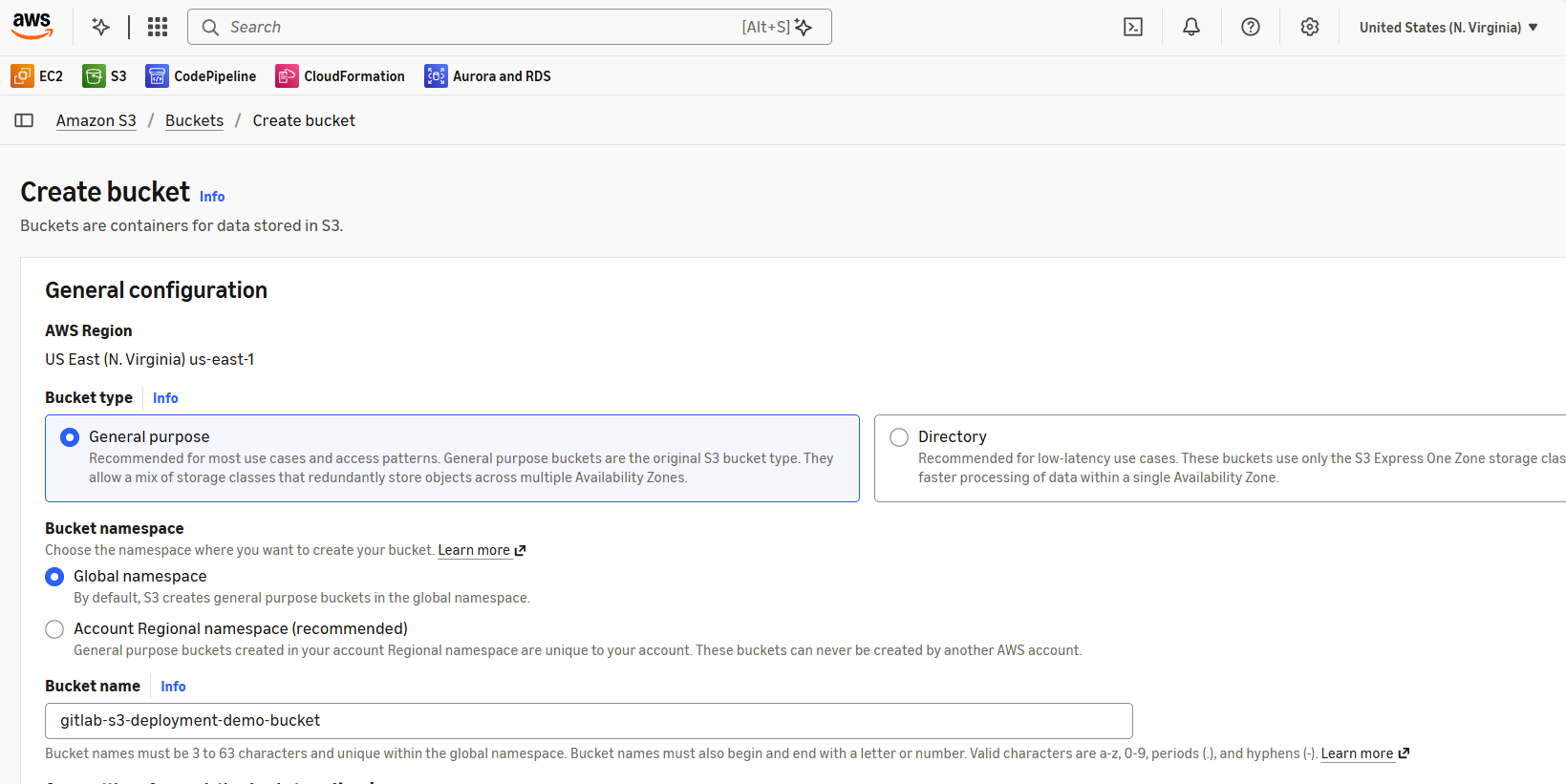
Transitioning from manual file uploads to an automated deployment model involves several foundational steps across both version control and cloud environments. For static websites hosted on Amazon S3, developers typically prepare core assets—such as HTML, CSS, and JavaScript files—locally before pushing them to a remote repository.
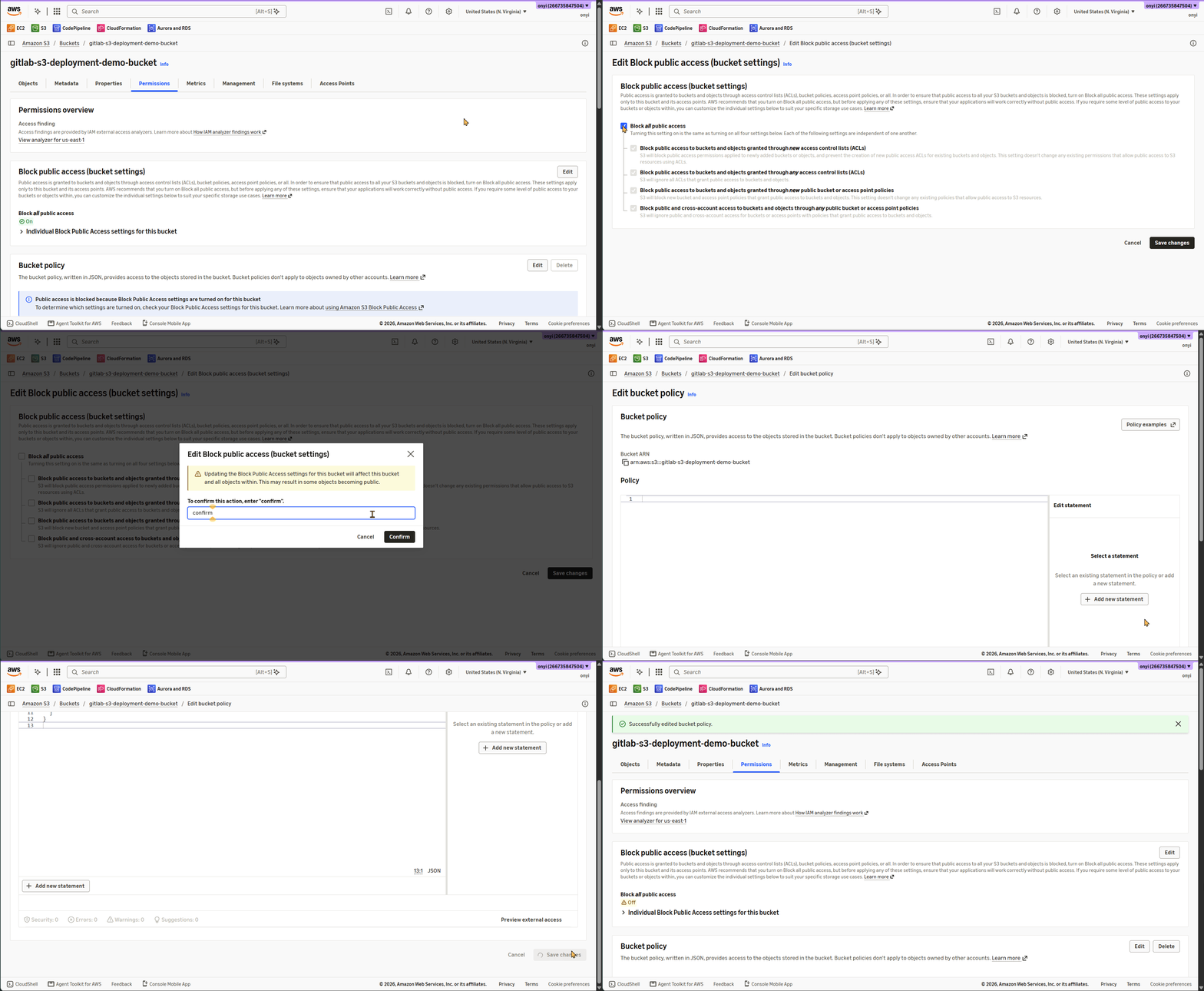
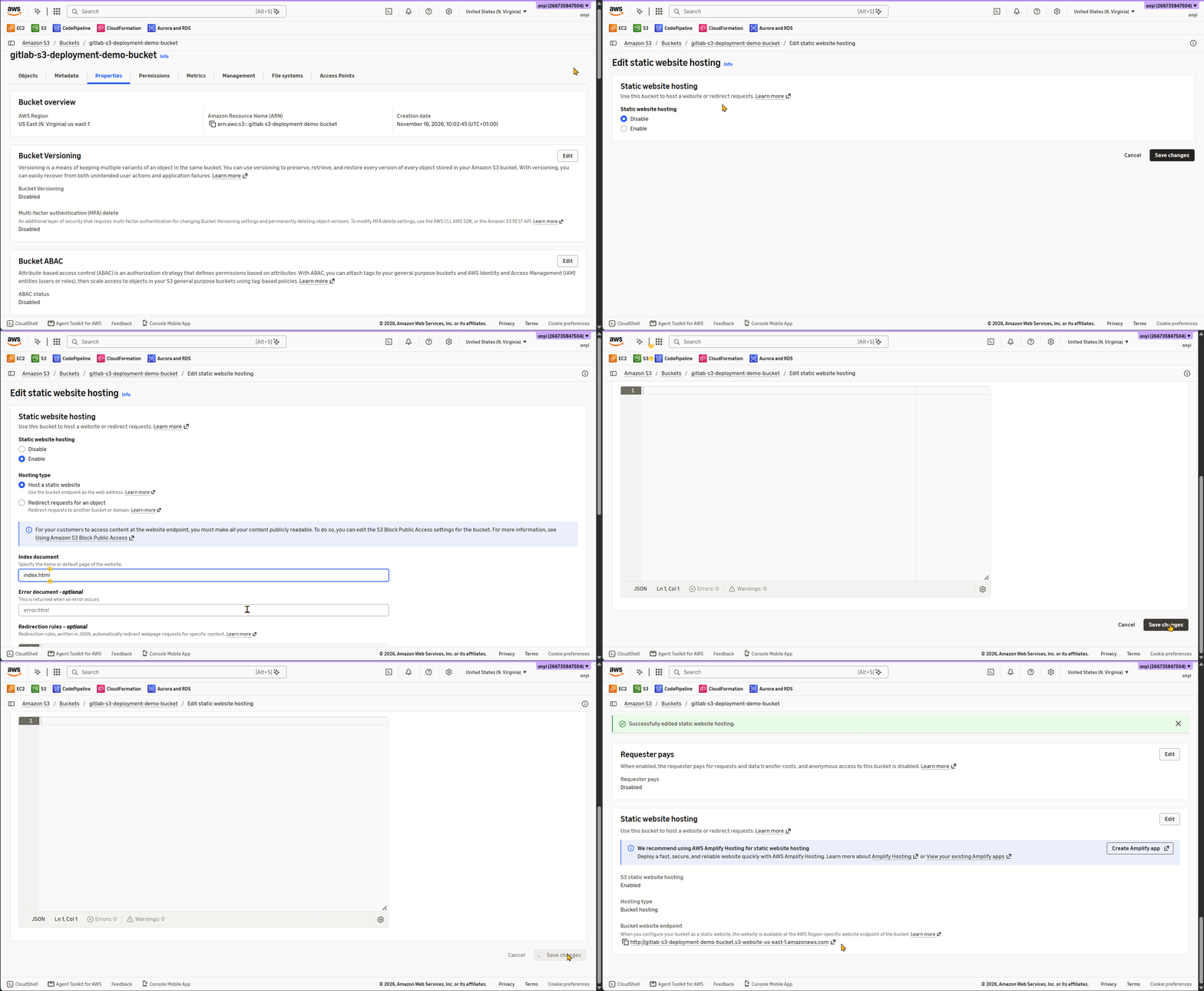
To ensure public accessibility for web assets, S3 buckets require adjusted permission configurations, including modified public access settings and explicit bucket policies that grant read permissions for incoming web traffic. Additionally, enabling static website hosting features within the AWS console directs traffic to designated index and error documents, transforming a standard storage container into a fully functional web server endpoint.
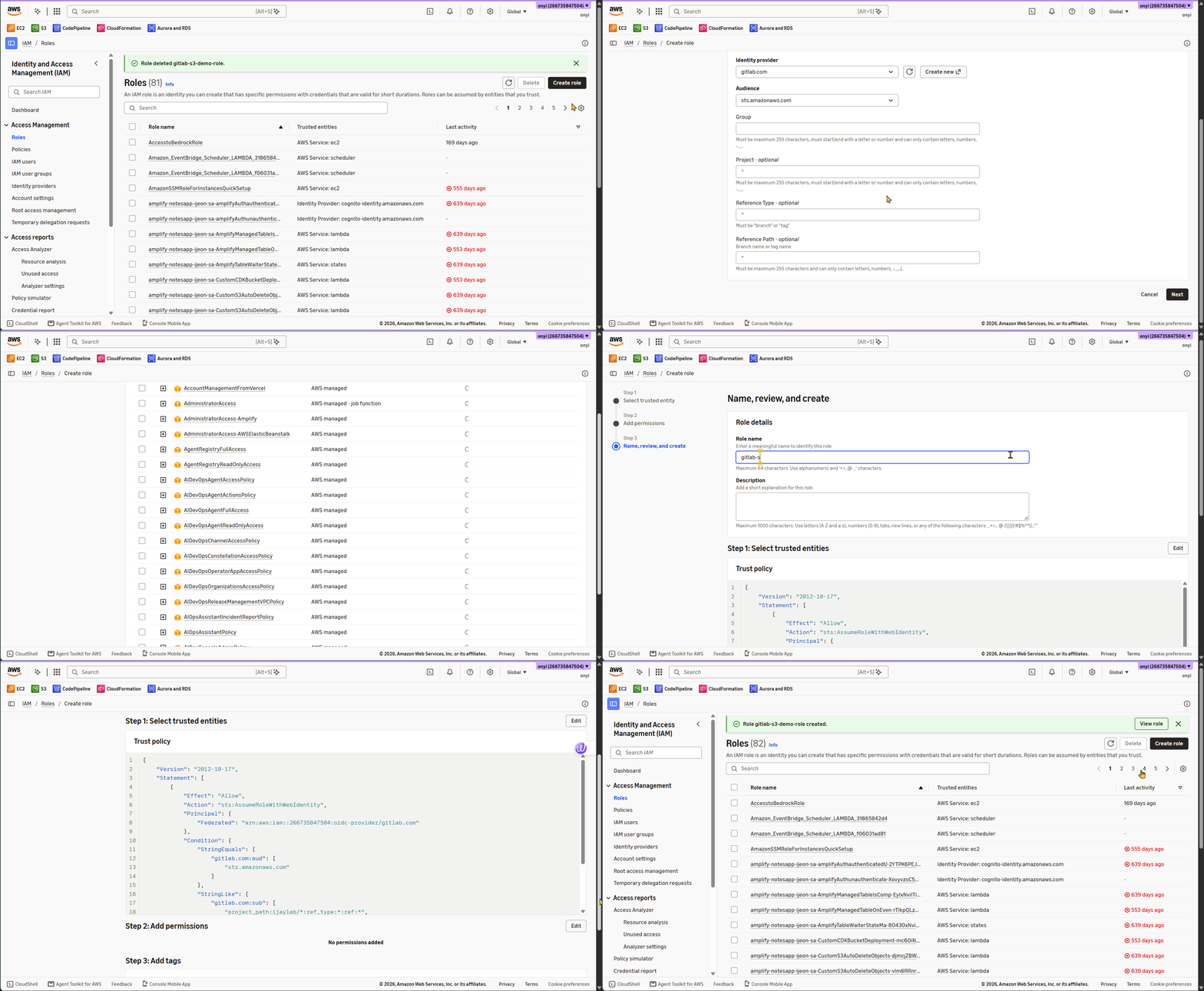
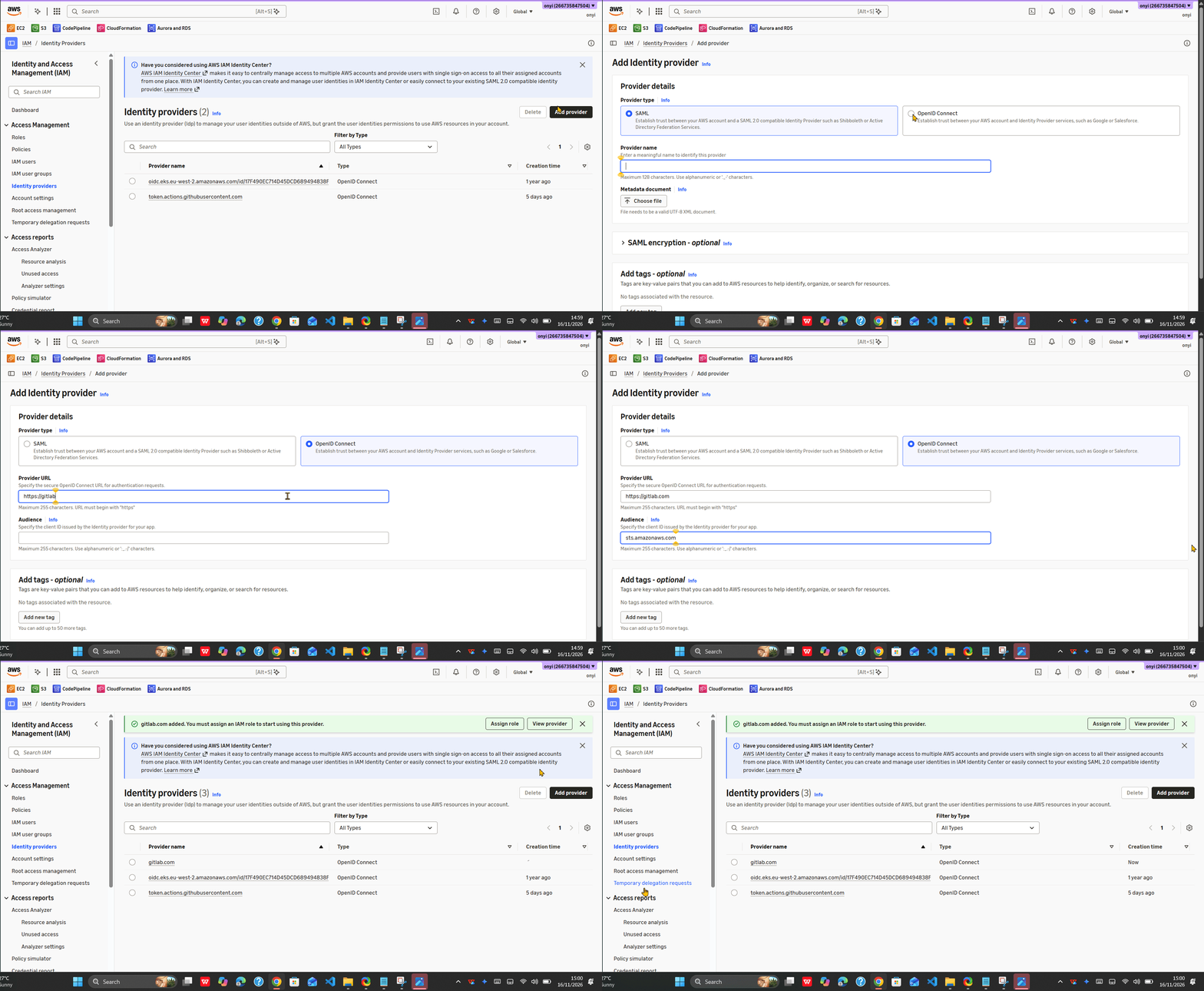
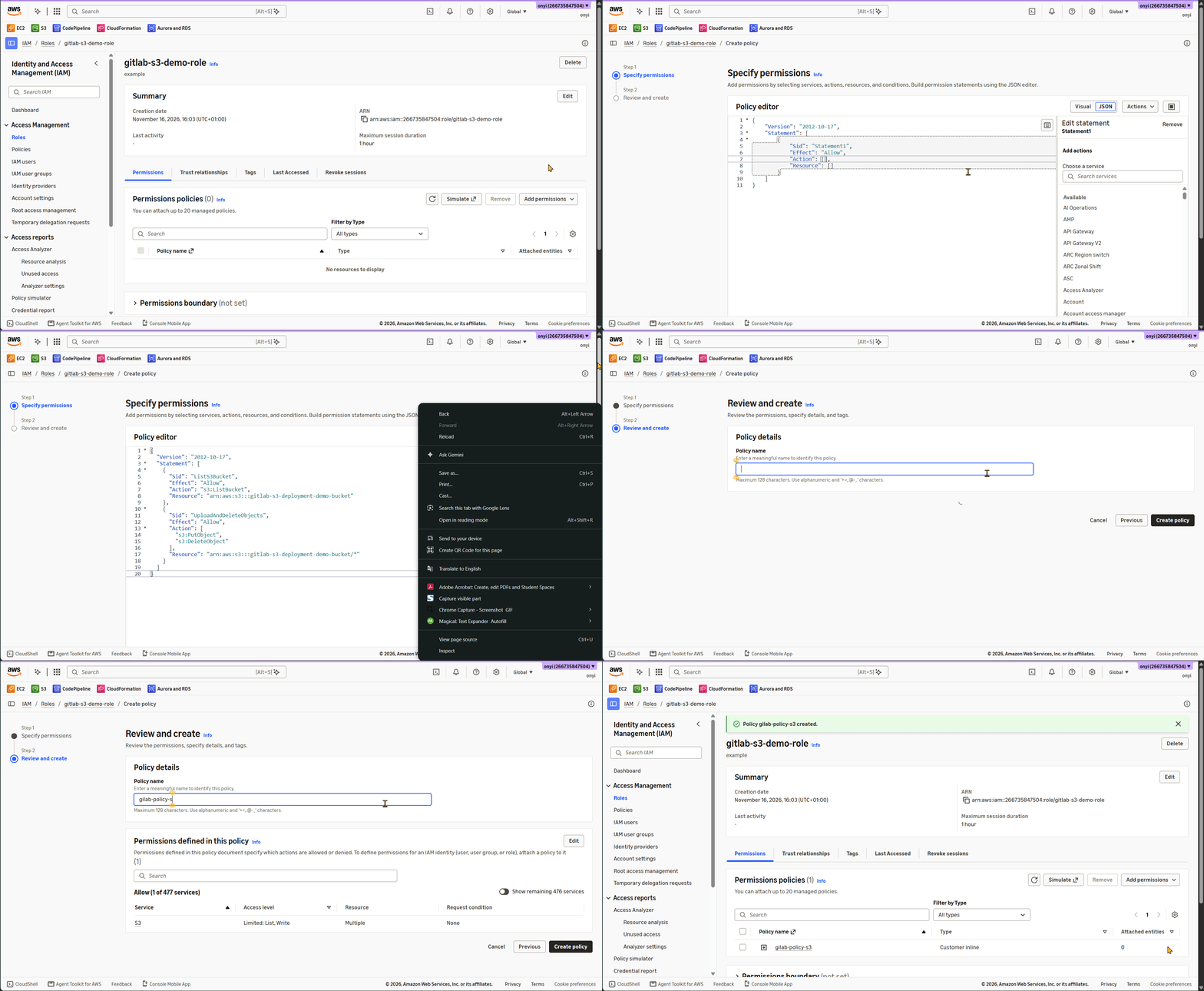
Once the storage infrastructure is prepared, configuration shifts to establishing the trust relationship between AWS and the version control platform. By defining an OIDC identity provider within AWS IAM and mapping it to a dedicated IAM role, administrators can restrict what actions automated pipelines are permitted to execute. For standard static site deployments, these permissions are typically constrained to listing bucket contents, uploading new objects, and removing outdated files to maintain synchronization with the repository.
Implementing and Verifying the Deployment Pipeline
With identity federation and storage permissions established, development teams configure the pipeline using repository-specific instruction files. GitLab utilizes declarative configuration files to orchestrate deployment jobs, specifying container environments, dependency installations, and authentication steps.
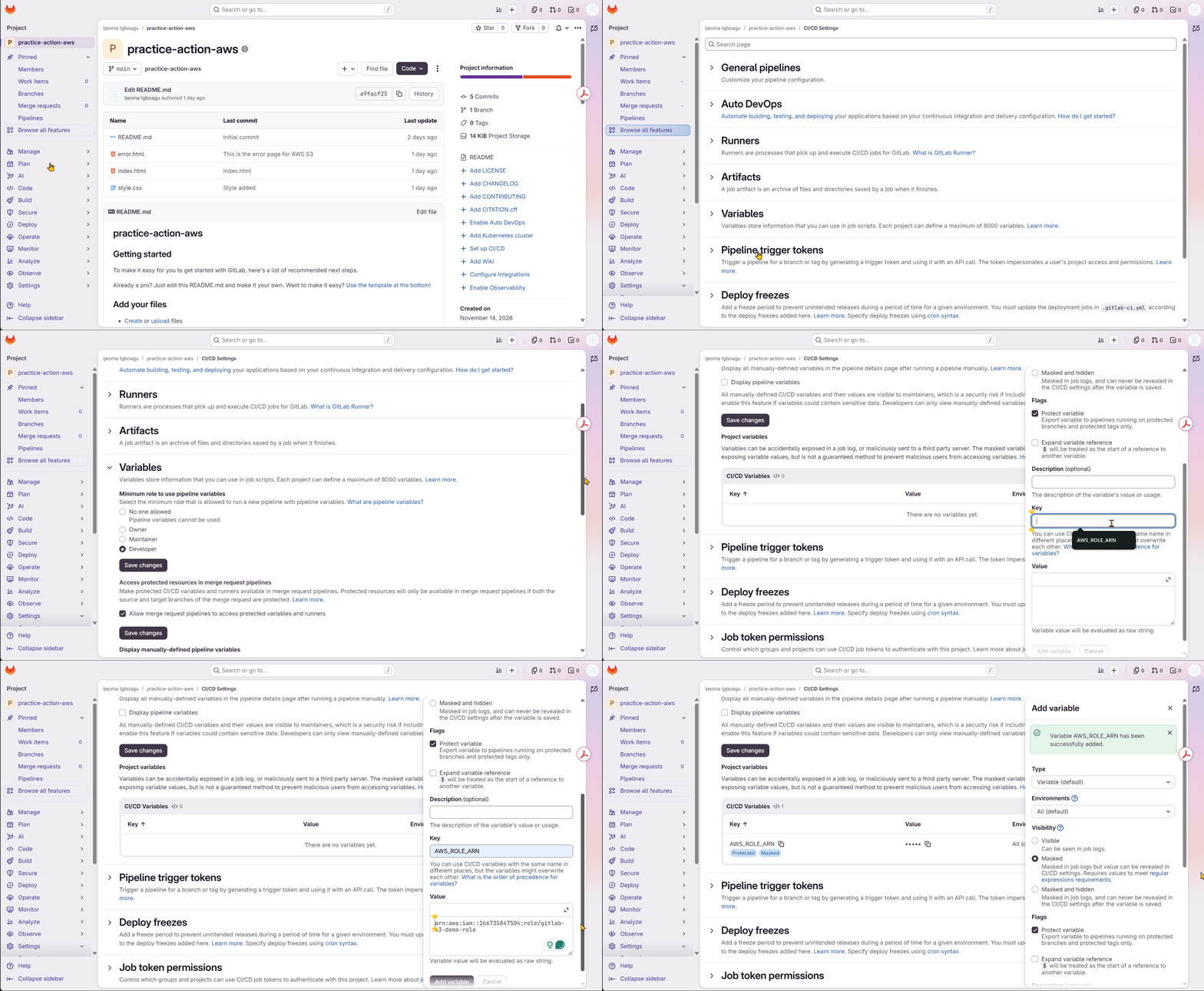
When a developer pushes code changes to the primary repository branch, the pipeline initializes, securely requests temporary credentials from AWS via OIDC, and executes synchronization commands to update the S3 bucket contents automatically. This mechanism ensures that the live environment reflects the latest repository state instantly, removing the need for manual administrative intervention.
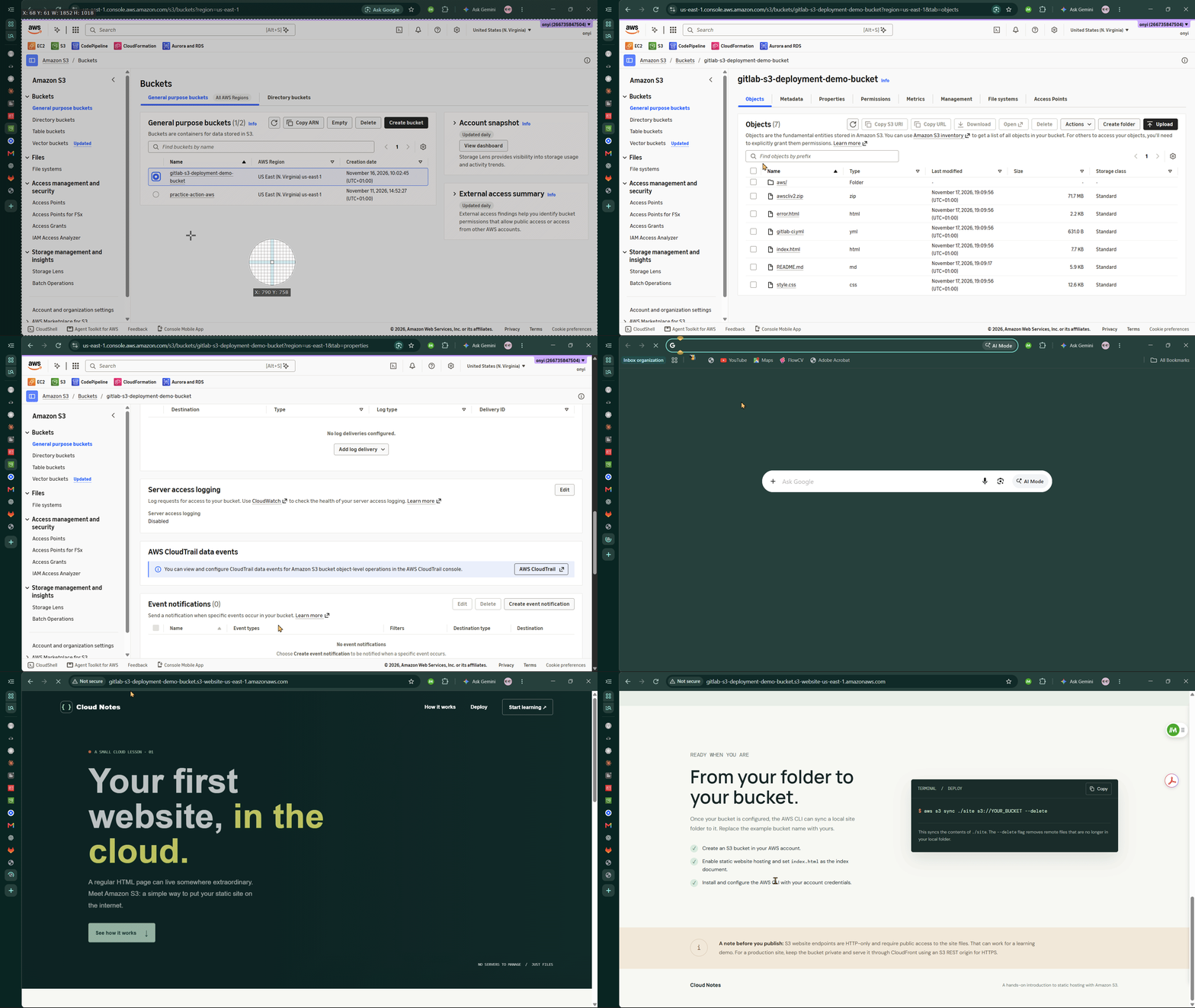
As cloud native development continues to mature, adopting keyless authentication models and automated pipelines represents an essential shift in how engineering teams manage infrastructure. By combining robust CI/CD platforms with secure identity federation protocols like OpenID Connect, organizations can achieve operational efficiency while maintaining rigorous security standards across their cloud deployments.