







Planning a major holiday gathering like Thanksgiving is rarely a seamless endeavor, even for seasoned hosts who have welcomed friends and family into their homes on numerous occasions. Amid the preparations of cooking multiple dishes, managing timelines, and entertaining guests, hosts frequently run into minor yet stressful disruptions, such as forgetting to set a kitchen timer or struggling to maintain a comfortable indoor climate. However, according to long-time smart home technology testers, avoiding these holiday headaches does not necessarily require purchasing complex new gadgets or overhauling a kitchen’s infrastructure. Instead, many households can leverage existing smart home ecosystems—ranging from voice assistants and connected lighting to automated thermostats and air quality monitors—to streamline their festivities effortlessly.

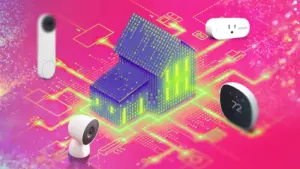
For years, smart home technology has steadily integrated into everyday routines, transitioning from novelty entertainment systems into practical utilities. When applied to high-stress hosting scenarios, these connected devices can significantly reduce the cognitive load on the host. By utilizing familiar tools already present in many modern homes, individuals can manage the kitchen and the living room simultaneously, ensuring that holiday celebrations remain focused on gathering and community rather than logistical panic.
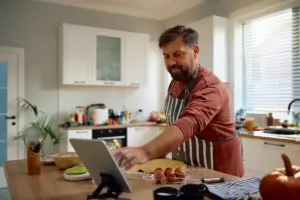
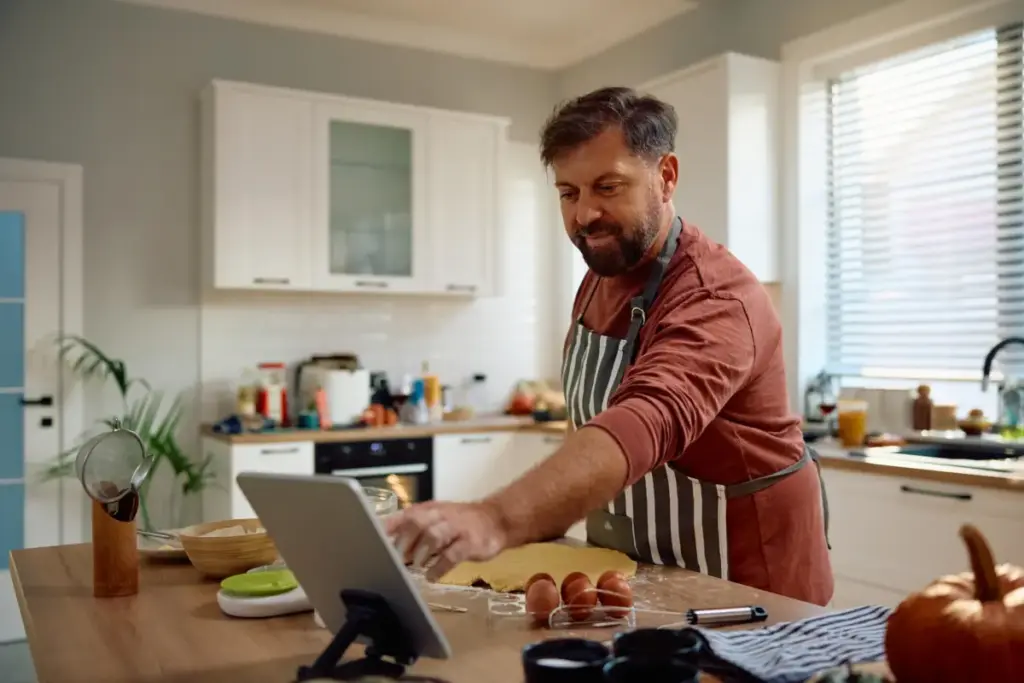
One of the most immediate and accessible tools for managing a busy kitchen involves the use of voice command timers. Juggling multiple dishes with varying cook times in a single oven is a recipe for disaster if a host has to rely solely on memory or manual mechanical timers. Utilizing voice assistants like Siri or Alexa allows cooks to establish independent, simultaneous timers simply by speaking aloud. While commanding a digital assistant to track cooking durations might initially seem like a minor convenience, testers note that the capability proves invaluable when hands are covered in flour or occupied with carving a turkey. Furthermore, smart displays and connected speakers can be programmed with specific, time-sensitive reminders, such as prompting the host to check on a roasting bird or lower a burner after a designated interval. This hands-free interaction minimizes friction in a crowded kitchen, allowing the host to maintain momentum without constantly washing up to touch a device interface.


Beyond the kitchen workspace, the overall ambiance of a home hosting a large gathering can be effectively managed using smart lighting systems. Many households now incorporate standard smart bulbs or LED floodlights into their living areas and hosting spaces. During extended events that stretch from afternoon cooking into evening dining, adjusting the color temperature of these lights plays a substantial role in guest comfort. By utilizing dedicated mobile applications, hosts can shift standard illumination toward a warmer, softer orange hue. This dimmer, gentler lighting is significantly easier on the eyes as natural daylight fades and evening sets in, creating a cozy and inviting atmosphere for dinner guests. At the same time, smart lighting allows hosts to maintain high-intensity illumination directly above kitchen prep areas, ensuring that functional tasks remain safe and efficient without disrupting the relaxed mood of the dining or living rooms.
Audio management is another frequent challenge during large holiday get-togethers, particularly in homes with open floor plans or limited square footage. Televisions are frequently turned up to broadcast holiday sports, parades, or background music, which can inadvertently drown out conversation or make important family announcements difficult to hear. To combat this issue, many homeowners rely on smart soundbars and connected home theater speakers that feature remote app control or voice assistant integration. When a room becomes too loud or a host needs to regain control of the noise level to make a toast, being able to lower the volume of a speaker from across the room via a smartphone or a quick voice command provides an immediate solution. This remote flexibility ensures that the auditory environment of the home remains balanced, accommodating both sports enthusiasts and guests seeking quiet conversation.

Indoor climate control represents one of the most critical yet frequently overlooked challenges of hosting a large Thanksgiving dinner. Operating an oven, stovetop, and potentially multiple other appliances for hours at a time generates a substantial amount of heat, causing the interior of a home to warm up well beyond normal comfort levels. Smart thermostats offer a practical remedy by allowing hosts to monitor and adjust temperatures dynamically on the fly. Rather than being locked into a rigid automated schedule, a host can use a mobile app or voice command to override the system, dropping the temperature by a few degrees to counteract the heat generated by holiday cooking. If a heat pump is installed, the system can even be temporarily switched to cooling mode to regulate the indoor climate effectively. Conversely, if guests begin to feel chilly after the sun goes down and outdoor temperatures drop, the temperature can be raised instantly, and the thermostat can even be digitally locked to prevent manual adjustments by well-meaning visitors.
In addition to managing temperature fluctuations, indoor air quality often becomes a pressing concern during heavy holiday cooking sessions. Similar to the effects of indoor heaters and fireplaces, prolonged cooking can introduce various pollutants, humidity, and elevated levels of carbon dioxide into enclosed living spaces. Placing a dedicated air quality monitor near the kitchen allows hosts to keep a real-time watch on environmental metrics. When sensors indicate that humidity or carbon dioxide levels are climbing, the host is alerted to take proactive measures, such as activating ventilation fans, turning on an air purifier, or cracking a window to encourage circulation. This automated vigilance safeguards the health and comfort of everyone in the home, preventing the air from becoming stale or heavy during a long day indoors.

Ultimately, while major holidays like Thanksgiving occur only once a year, the integration of smart home technology provides continuous utility throughout all four seasons. By optimizing tools that many homeowners already own, the friction of hosting large groups can be significantly minimized. Whether through voice-activated timers, adaptive lighting, remote audio control, dynamic climate adjustments, or air quality monitoring, these subtle technological enhancements ensure that hosts can spend less time troubleshooting household logistics and more time enjoying the company of their guests.