











In the fast-paced world of interactive entertainment, the development of a blockbuster title is rarely a sprint; it is an endurance marathon. While the public focus often remains on the polished final product, the underlying reality of the industry suggests that the most iconic titles—such as the record-shattering Grand Theft Auto 6 and Nintendo’s ambitious remake of The Legend of Zelda: Ocarina of Time—owe their success to something more fundamental than marketing budgets or cutting-edge hardware. They are the product of institutional knowledge, long-term talent cultivation, and a stable work environment.
In an era defined by a relentless, industry-wide cycle of layoffs, the craftsmanship evident in these 2026 releases stands as a stark reminder that quality is often tied to the longevity of the people who build it. These are not the types of games that can be forged by a revolving door of contractors or a company that resets its workforce every six months. Instead, they represent the fruits of a culture that views its employees as assets to be nurtured rather than overhead to be trimmed.
The Nintendo Model: A Legacy of Stability
For years, Nintendo has served as the industry’s gold standard for talent retention. Even as the broader gaming landscape has been rocked by wave after wave of mass redundancies, a philosophy established by the late Nintendo president Satoru Iwata remains the company’s North Star. In 2013, Iwata famously argued that short-term financial gains derived from staff reductions were a fallacy. "If we reduce the number of employees for better short-term financial results, employee morale will decrease, and I sincerely doubt employees who fear that they may be laid off will be able to develop software titles that could impress people around the world," Iwata said at the time.


This was not merely a rhetorical stance. When the company faced lean years during the commercial struggles of the 3DS and Wii U consoles, senior executives—including Shigeru Miyamoto and Iwata himself—accepted massive salary cuts of up to 50% to shield their workforce from layoffs. That commitment to stability has paid dividends. According to a report published by Fortune in December 2025, Nintendo of Japan maintains an extraordinary 98% employee retention rate, with the average staffer staying at the company for 15 years. Nintendo of America follows closely with a 95% retention rate.
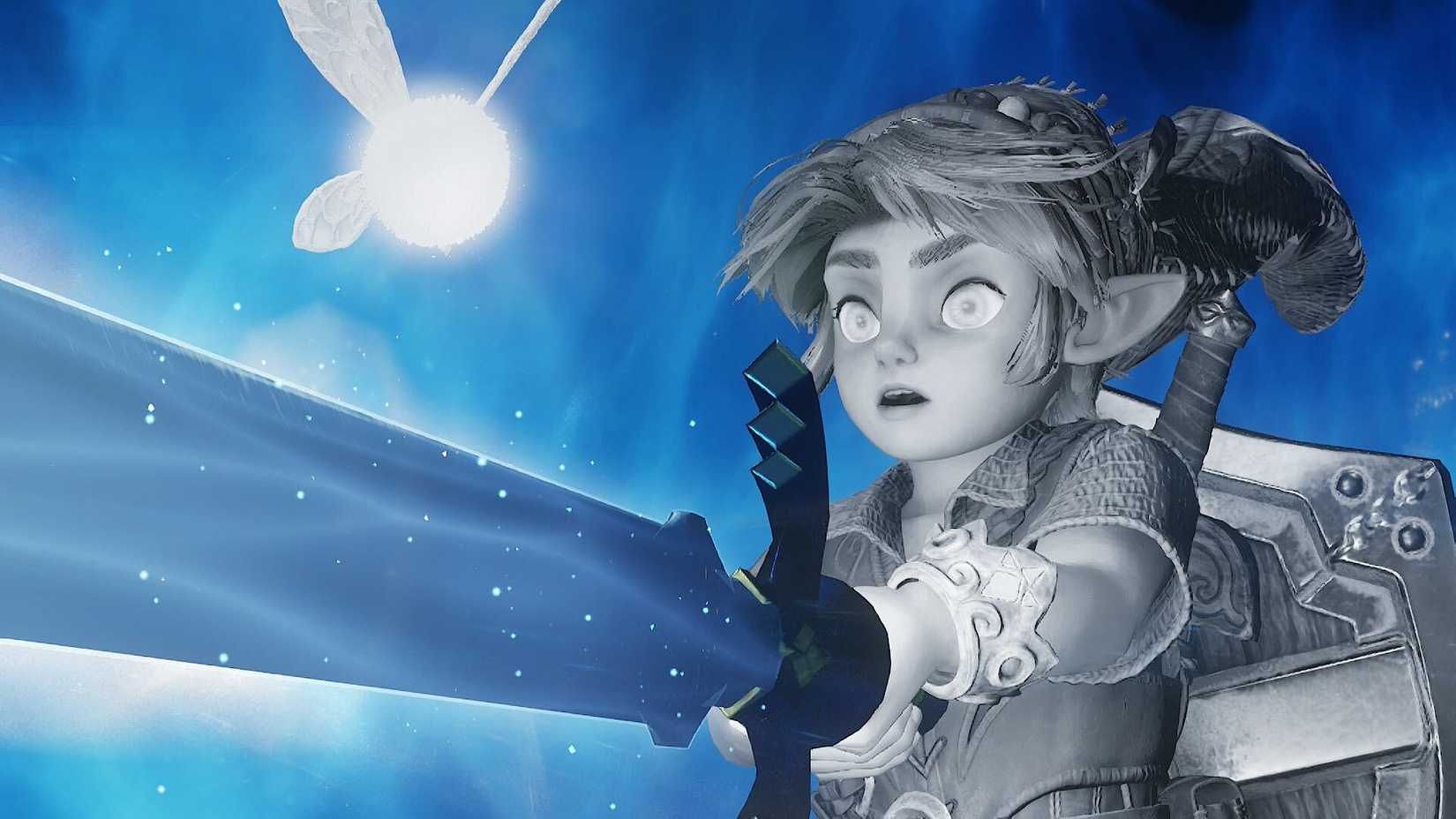
This longevity creates a unique environment for professional growth. When employees remain at a firm for a decade or more, the office becomes a hub of mentorship where seasoned masters pass down institutional wisdom to junior developers. In the development of the Ocarina of Time remake, this dynamic was crucial. The project relied on the fresh perspectives of junior staff, yet they were guided by the steady, experienced hands of industry veterans like Eiji Aonuma, who directed the original Ocarina of Time, and Hidemaro Fujibayashi, the director behind The Legend of Zelda: Breath of the Wild and Tears of the Kingdom. This generational transfer of knowledge allows for a level of polish and creative cohesion that is difficult to replicate in a fragmented work environment.
Rockstar Games and the Value of Long-Term Investment
While the American gaming sector has often been criticized for prioritizing quarterly earnings and CEO bonuses over workforce stability—a trend seen across major publishers like EA, Sony, Xbox, and Epic Games—Rockstar Games offers a complex counter-narrative. Though its parent company, Take-Two Interactive, is a US-based entity, Rockstar’s development culture has increasingly leaned into the benefits of a veteran-heavy staff.

The massive success of Grand Theft Auto 6, which debuted in November 2026 to become the biggest entertainment launch in history, is intrinsically linked to the experience of its developers. Reports indicate that roughly 21% of the company’s 4,700 employees have been with the studio for more than a decade. This deep bench of veteran talent has allowed Rockstar to evolve its systems iteratively rather than reinventing them from scratch for every project.
In an interview following the game’s release, Rockstar North co-head Aaron Garbut reflected on this synergy, noting that the past thirty years have been a continuous period of practice for the studio. "The team and us as individuals have been doing it for so long that there’s a sort of shared understanding, shared knowledge and a sort of shortcut to questions," Garbut told Bloomberg. This shared shorthand is evident in the sophisticated heat and honor systems within GTA 6, which feel like natural, polished evolutions of the mechanics introduced in GTA 5 and Red Dead Redemption 2. The developers were not starting from square one; they were building on a foundation established by peers who have worked together for years.
The Human Cost of the "Triple-A" Standard
Despite the critical and commercial triumph of GTA 6, the industry’s underlying labor issues remain deeply concerning. The narrative of stability is complicated by a history of intense pressure. Rockstar, in particular, faced significant backlash in 2018 following reports of a "culture of crunch," where employees were allegedly pushed to work excessive overtime for months. While the company has since taken steps to increase its headcount and mitigate these pressures, recent events have cast a shadow over that progress. In October 2025, the studio laid off 34 employees, citing the sharing of trade secrets—a move that those affected described as an act of union-busting.
This lingering insecurity has prompted a movement toward organized labor. Even as GTA 6 smashed records, earning more than $4 billion in its first four days, the people behind the screen were still fighting for protections. In a poignant opinion piece for The Guardian, animation programmer Nestor Uriarte highlighted the irony of the situation: "It says a lot about the industry that even my colleagues and I, working on the biggest game of all time, are worried about getting laid off." Uriarte’s words serve as a rallying cry for a workforce that feels increasingly vulnerable despite the immense wealth they generate for their employers.
The fundamental tension between the high-stakes, high-investment nature of modern AAA gaming and the human desire for job security remains unresolved. However, the evidence from 2026 is clear: the most beloved, critically acclaimed, and enduring games of our time are those that treat their creators as the architects of their success. When studios rely on short-term fixes and disposable labor, they risk losing the very "shared understanding" that turns a complex software project into a cultural phenomenon.
As the industry looks toward the future, the success of titles like GTA 6 and the Ocarina of Time remake serves as both a blueprint and a warning. Excellence in gaming is not an accident; it is the result of people working together over long periods to hone their craft. To sustain that level of quality, the industry must move away from the mercenary tactics that have defined recent years and toward a model that respects the long-term contribution of its workforce. If studios hope to continue producing the next generation of classics, they must recognize that their most valuable technology is not the game engine—it is the people who know how to use it.