







Fantasy has always offered a way to step beyond the boundaries of reality, inviting readers into worlds where the impossible becomes part of everyday life. The genre stretches back to the roots of human culture—ancient folklore, epic poetry, and fairy tales—existing long before the modern fantasy novel took its current shape. From the mythological journeys of Homer to the dreamlike, atmospheric stories of George MacDonald, imaginative literature has continually found new ways to explore the human condition through the extraordinary. It is a genre that challenges the limitations of the physical world, using magic and myth to mirror our own internal and societal landscapes.
Over the decades, foundational authors such as J.R.R. Tolkien, Ursula K. Le Guin, and Terry Pratchett have expanded the boundaries of the genre, crafting timeless epics that redefined what speculative fiction could look like. Works such as The Once and Future King, N.K. Jemisin’s The Fifth Season, and Susanna Clarke’s Jonathan Strange & Mr Norrell showcase the immense thematic range and literary ambition of modern fantasy. These books do more than build worlds; they establish the grammar of the genre, influencing generations of writers who continue to build upon their legacies.
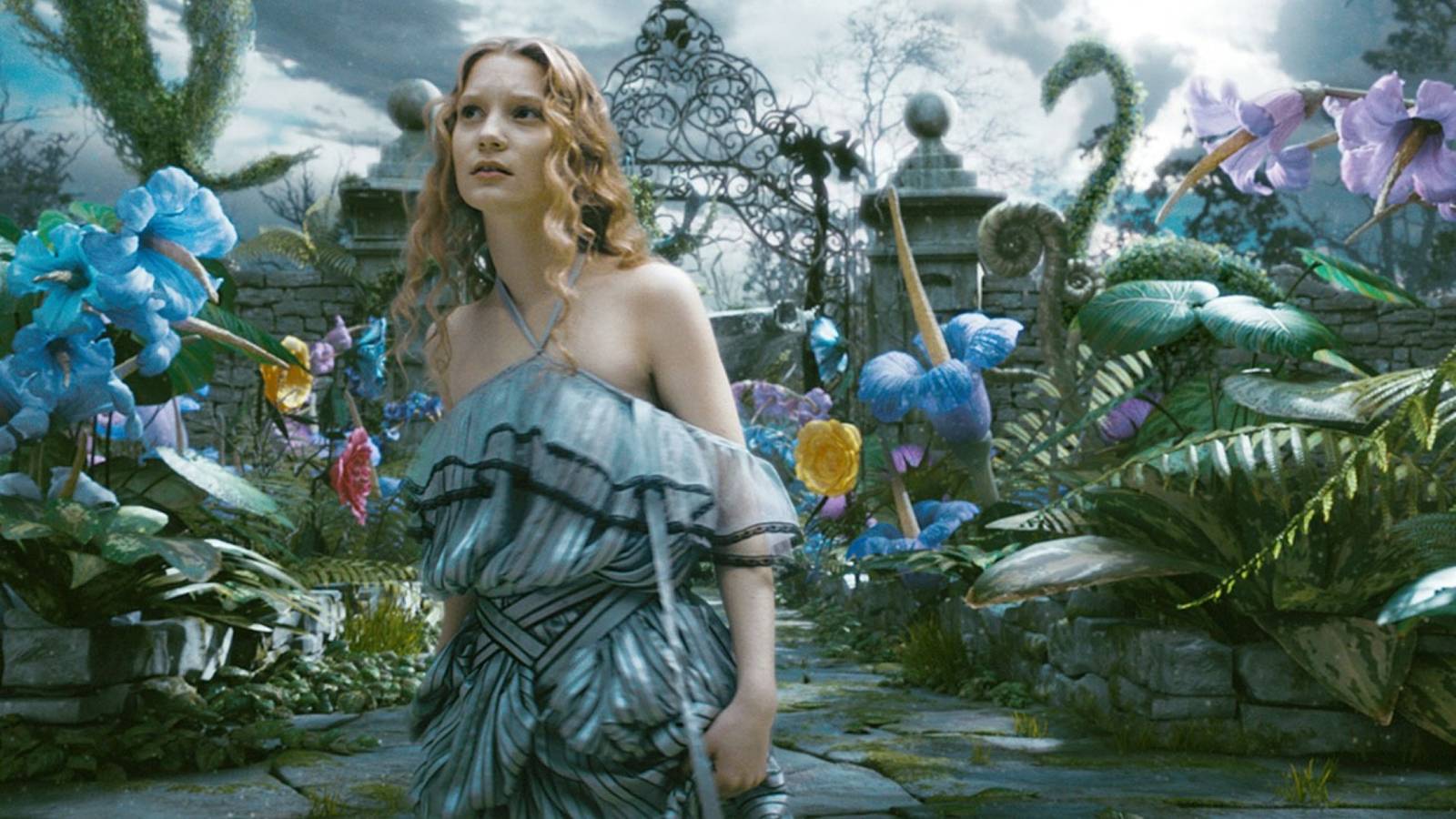
But what makes a great fantasy novel truly essential? It is not merely the intricacy of the world-building or the complexity of the magic systems. It is the rare, transformative ability to shatter our assumptions about storytelling, reshape the genre in its own image, and echo across generations. The following ten masterworks represent the pinnacle of fantasy literature, featuring a diverse range of narratives that every reader should experience at least once.
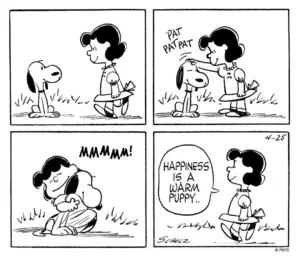
The Neverending Story (1979) by Michael Ende
The Neverending Story serves as a profound reminder that the greatest fantasy adventures often begin with a simple act of curiosity—in this case, the discovery of a mysterious book. When young Bastian Balthazar Bux finds himself immersed in the realm of Fantastica, he is confronted by a terrifying, malignant force known as the Nothing. As the boundary between the reader and the hero begins to dissolve, Bastian realizes that saving this fragile, disintegrating world depends entirely on his own capacity to dream.

Michael Ende understood that imagination acts as both a refuge and a profound responsibility, turning a simple escape from reality into something deeply personal. The novel blurs the lines between the spectator and the participant, exploring the existential dangers of losing oneself in a world of one’s own making. Beneath its colorful creatures and extraordinary landscapes lies a thoughtful meditation on the stories we tell ourselves and how they define our identity, capturing the transformative power of reading in a way few other books have managed.
The Lies of Locke Lamora (2006) by Scott Lynch
Fantasy does not always require ancient prophecies, world-ending wars, or chosen-one heroes destined to save the cosmos. Sometimes, all it needs is a clever thief with an elaborate scheme and an absolute refusal to play by the rules. Scott Lynch’s The Lies of Locke Lamora recontextualizes the classic approach to fantasy by shifting the focus to the criminal underworld. The story follows the Gentleman Bastards, a band of con artists who prey on the wealthy citizens of Camorr, a city whose Venetian-inspired streets are thick with political intrigue and criminal enterprise.
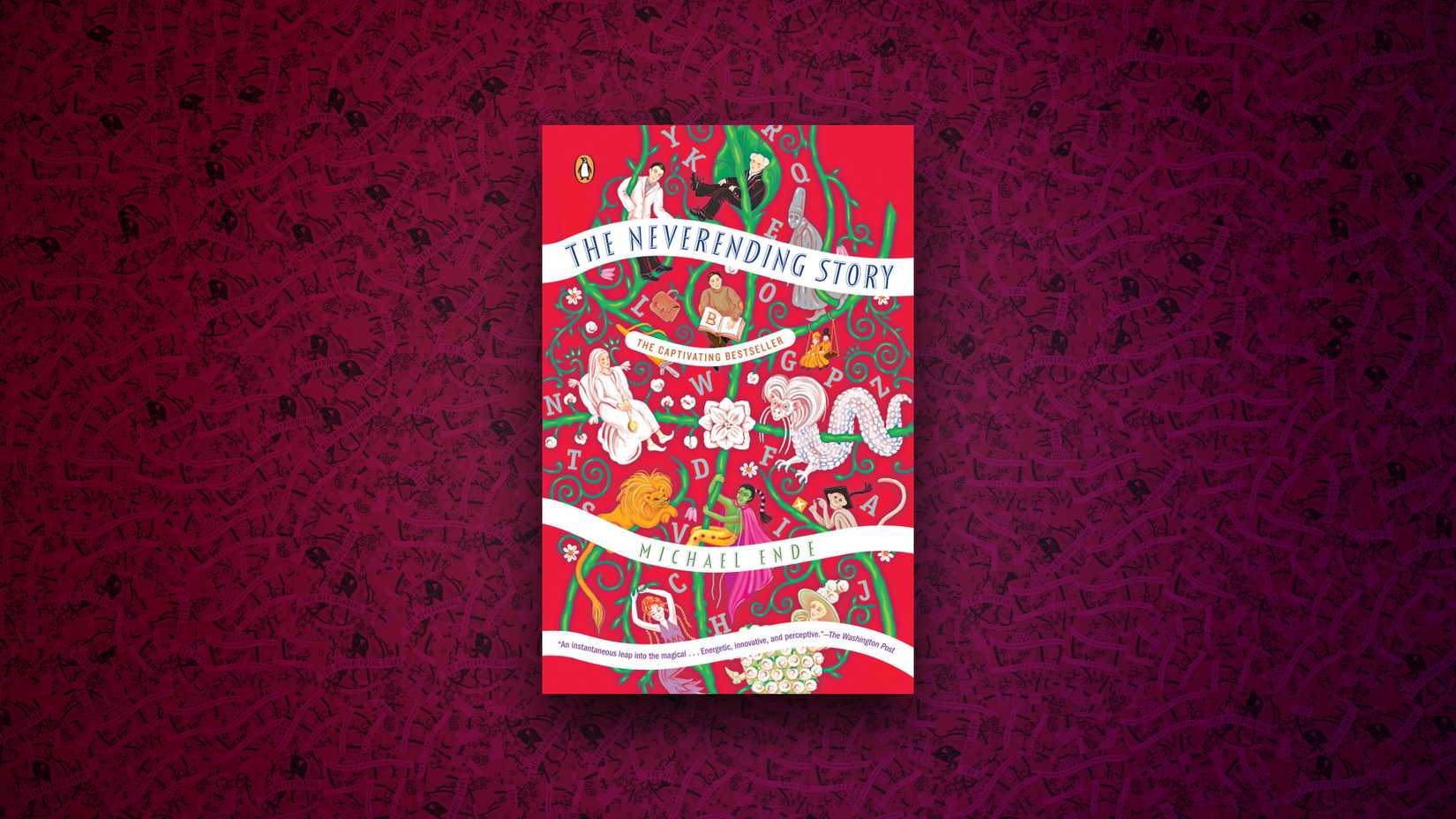
Locke himself is a master of deception, but his elaborate cons become increasingly dangerous when a mysterious figure emerges to threaten everything he has built. Lynch excels at balancing razor-sharp dialogue and intricate plotting with a world that feels both gritty and endlessly entertaining. For readers who prefer their fantasy with a criminal touch, high-stakes heists, and characters who survive through wit rather than brute strength, this remains essential reading.
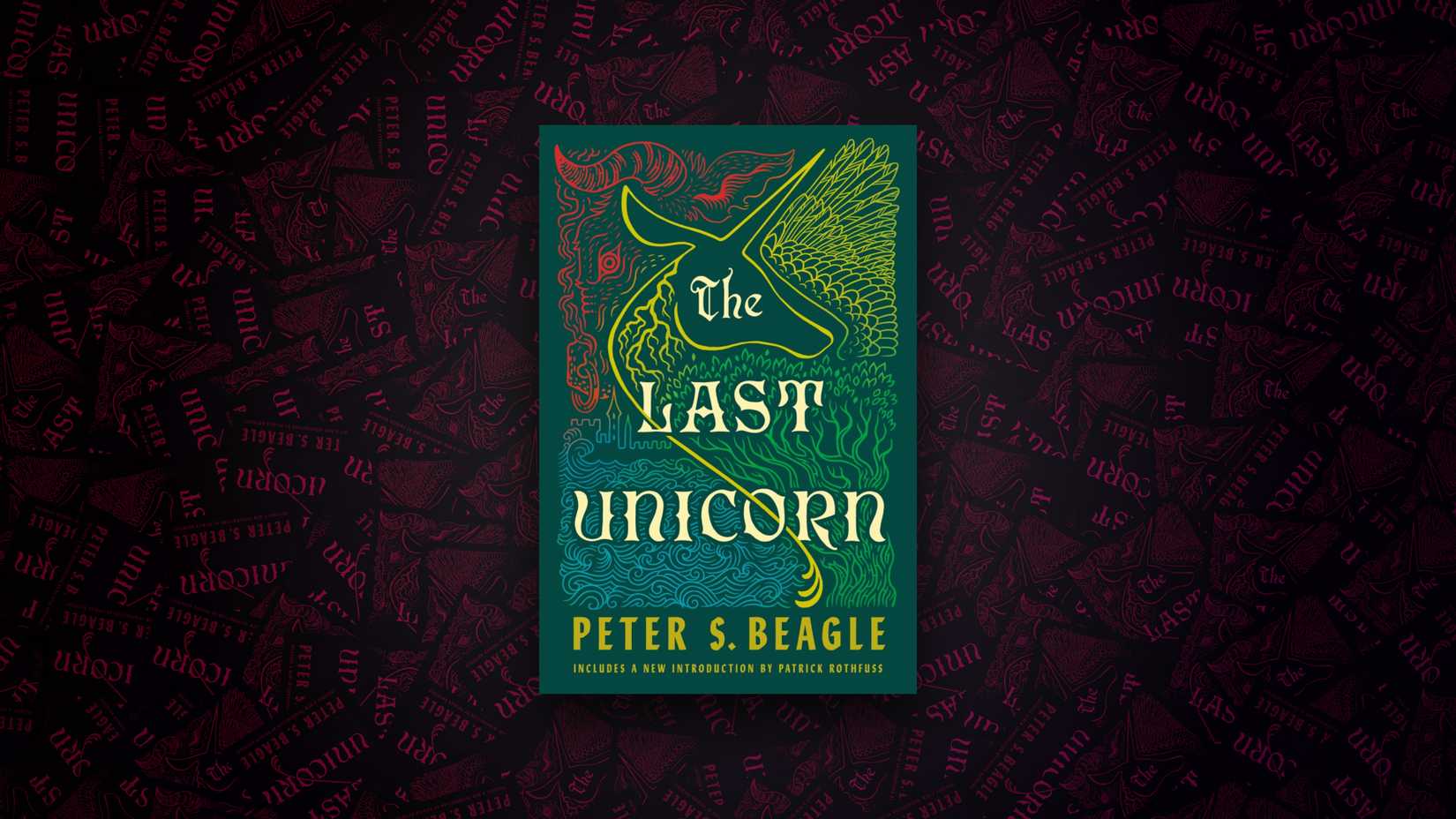
The Last Unicorn (1968) by Peter S. Beagle
There is a quiet, aching heartbreak at the core of The Last Unicorn, a novel that understands that a creature’s magic is inextricably linked to the tragedy of its potential loss. Peter S. Beagle follows a unicorn who discovers she may be the last of her kind and sets out on a quest to find the others. Her journey is filled with eccentric companions and dangerous magic—the hallmarks of a great fantasy tale—eventually leading her toward the malevolent King Haggard and the fearsome Red Bull.
What makes the novel so enduring is Beagle’s refusal to rely on the familiar comforts of standard fairy tales. His prose is playful and poetic, yet a deep melancholy runs beneath the adventure, giving every encounter monumental weight. The novel functions as a meditation on the painful passage of time and the necessity of mortality, proving that fantasy can be enchanting without sacrificing the emotional complexity that makes a story linger long after the final page.
The Last Wish (1993) by Andrzej Sapkowski
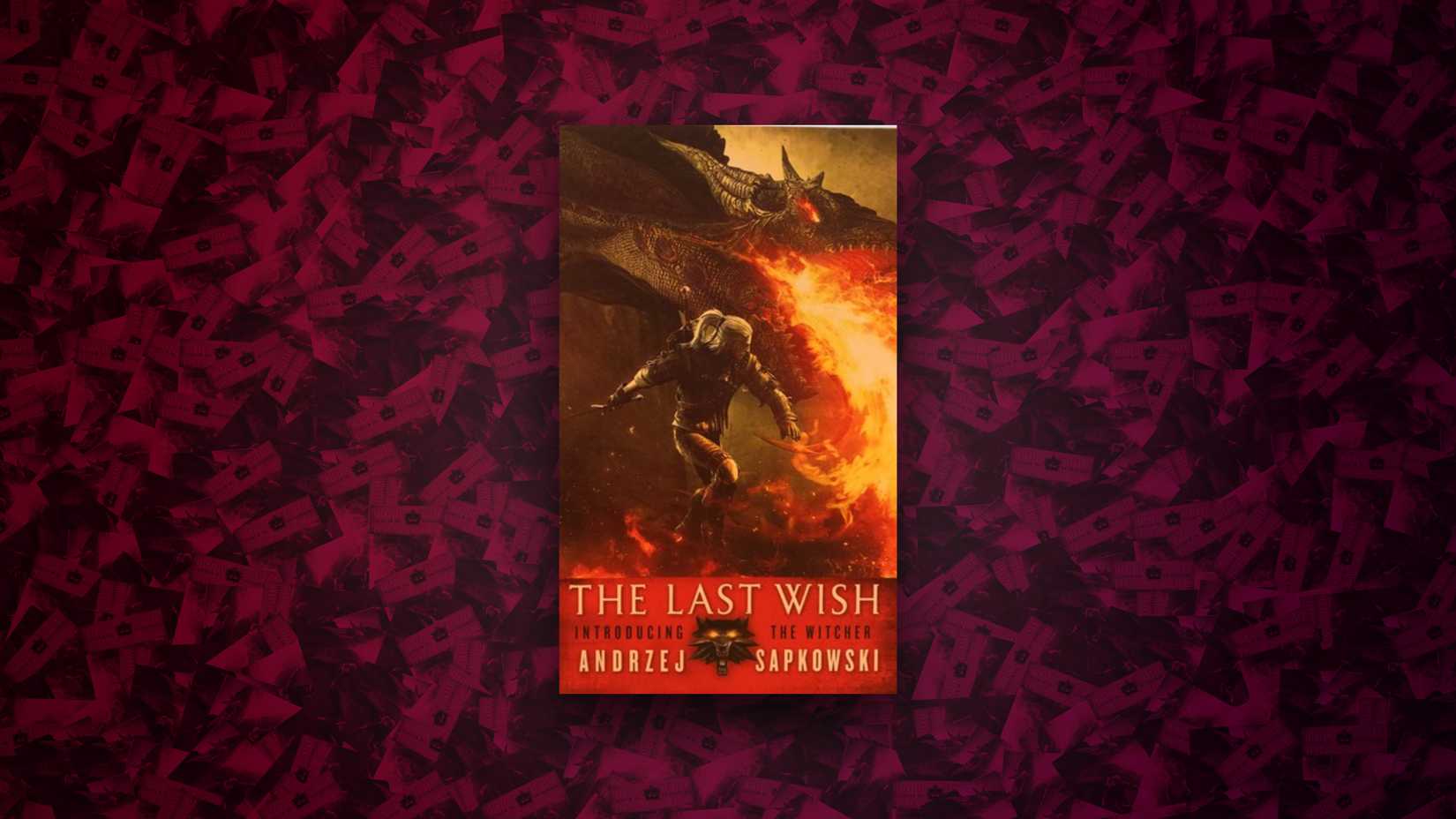
Before Geralt of Rivia became a global phenomenon through video games and television, Andrzej Sapkowski introduced readers to a monster hunter whose greatest challenge is rarely the beasts he is paid to kill. First published in 1993, The Last Wish collects interconnected stories that established the foundations of The Witcher universe. Drawing from the grim realities of European folklore, Sapkowski gleefully dismantles the conventions of traditional fairy tales. In his world, familiar legends take on unexpected, often gruesome, detours; princesses mutate into monsters, and the distinction between humanity and monstrosity becomes increasingly difficult to establish.
Geralt’s profession requires him to navigate these moral ambiguities, frequently discovering that his employers are far more dangerous than the creatures they hire him to eliminate. With sharp dialogue and a cynical, dark humor, the collection maintains a distinct personality. For those interested in fantasy that questions its own mythology, The Last Wish remains an excellent starting point, especially as the franchise continues to evolve in the gaming space.
Hard-Boiled Wonderland and the End of the World (1985) by Haruki Murakami
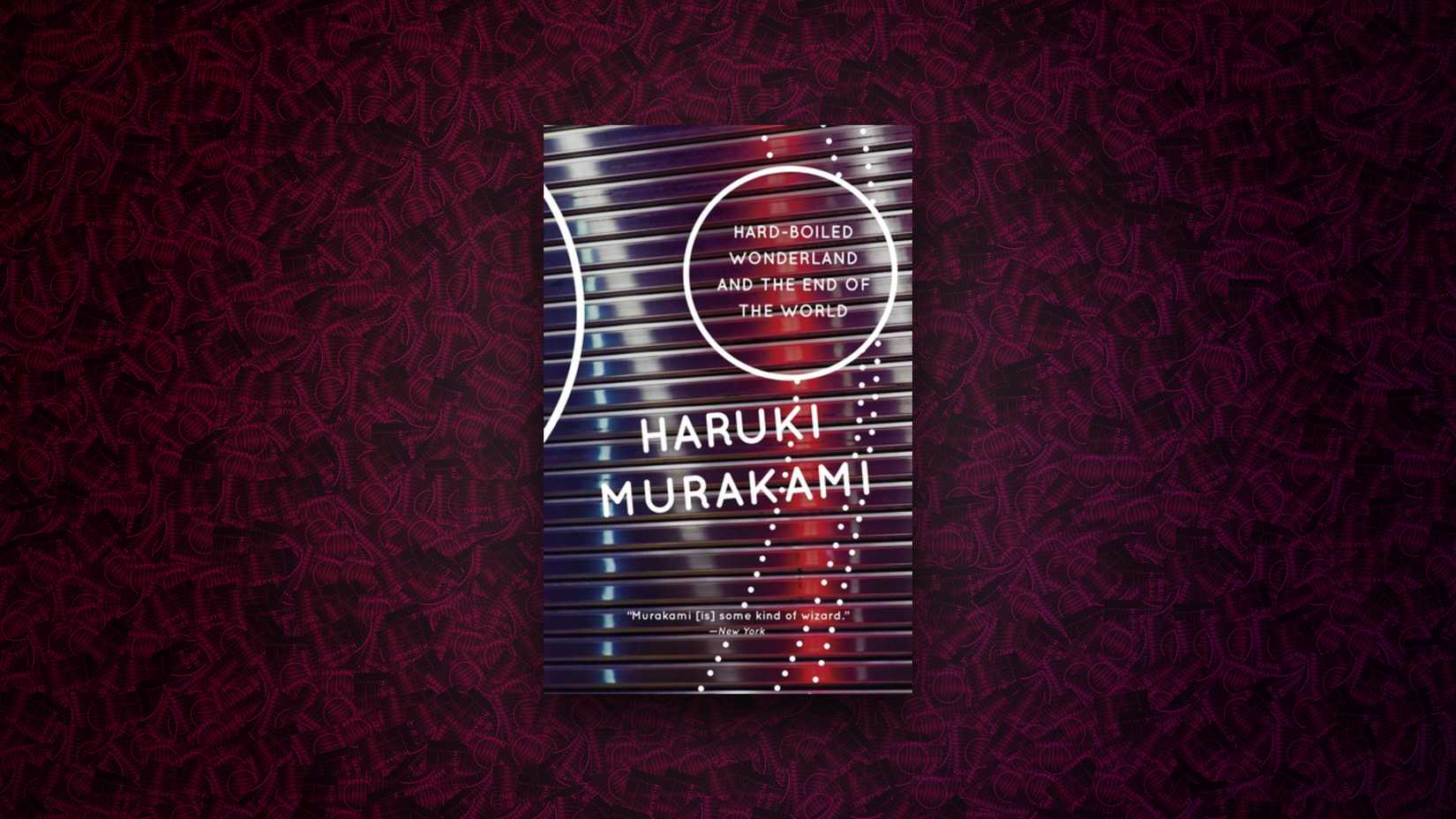
Few fantasy novels feel as disorienting as Haruki Murakami’s Hard-Boiled Wonderland and the End of the World. True to Murakami’s signature style, the novel keeps readers perpetually guessing about the nature of reality. By alternating between two seemingly unrelated worlds, the narrative juxtaposes a futuristic, dystopian Tokyo filled with secretive organizations against a strange, walled town where a man must surrender his shadow to read dreams.
As these disparate threads gradually converge, Murakami explores the fragile boundaries that separate identity from imagination. The fusion of cybernetic noir, surrealism, and dreamlike fantasy makes the book an unorthodox choice for a list of essential fantasy, but that is precisely its strength. Rather than providing easy answers, the novel asks readers to surrender to its mysteries and ponder what remains of the self when memory is stripped away. It is a thoughtful, haunting meditation on solitude.
A Wizard of Earthsea (1968) by Ursula K. Le Guin
Magic has rarely felt as profound as it does in Ursula K. Le Guin’s A Wizard of Earthsea, the masterpiece that launched her iconic Earthsea cycle. The story follows Ged, a gifted young wizard whose pride leads him to unleash a terrible shadow upon the world, forcing him to confront the consequences of his own hubris. Ged’s journey evolves into a desperate, mythic quest across a vast archipelago of isolated islands, ancient dragon-lords, and forgotten traditions.
Throughout the novel, Le Guin expertly details the ecology of magic itself—a system governed by the power of "true names" and the delicate balance of the cosmos. Ged’s growth is not about conquering an external villain, but about accepting his own inner darkness. By setting a template for coming-of-age fantasy that is both mythic and deeply intimate, the novel remains an indispensable cornerstone of the genre.
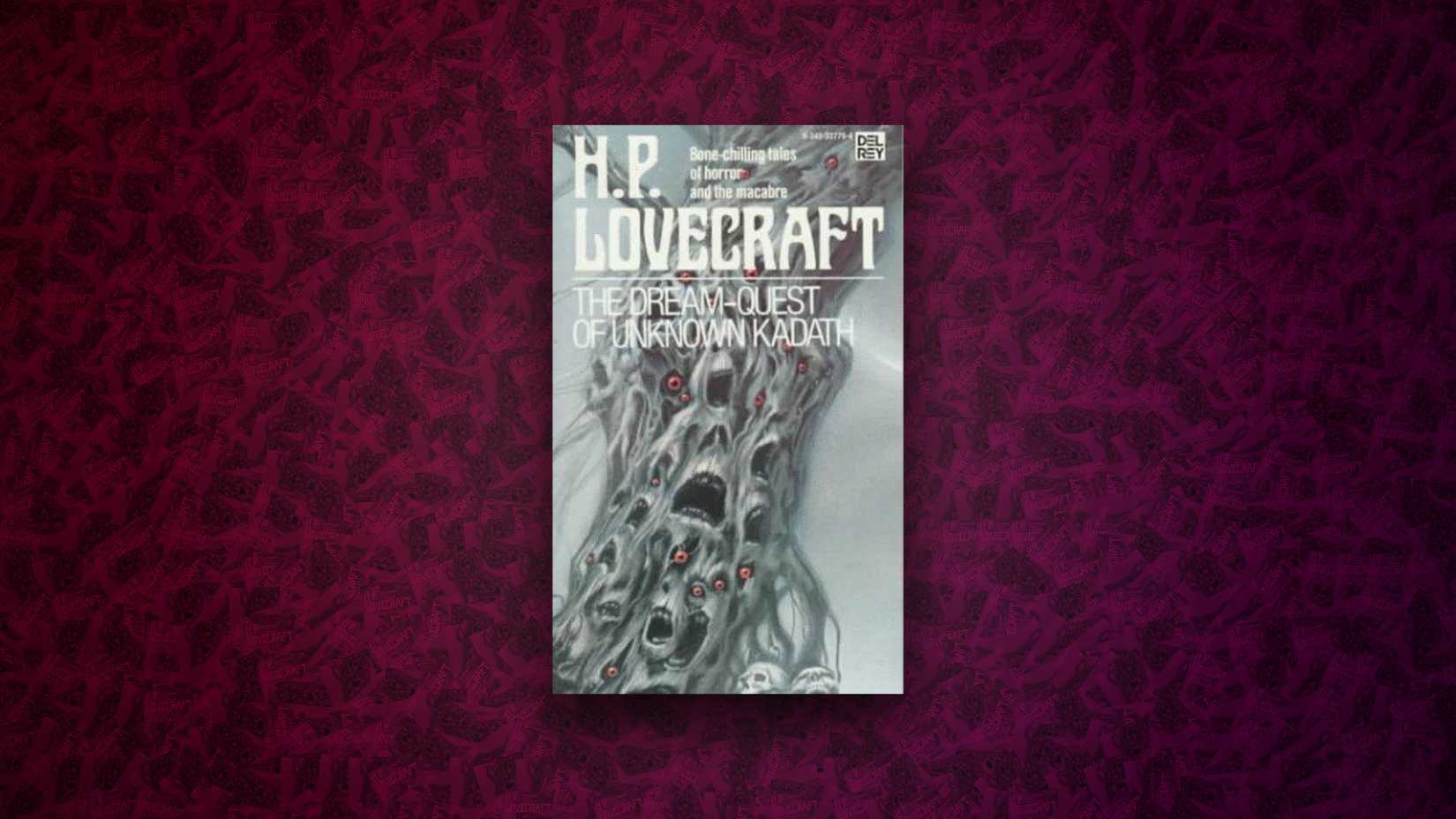
The Dream-Quest of Unknown Kadath (1943) by H.P. Lovecraft
If fantasy is the art of imagining worlds beyond our own, few writers ventured into stranger, more alien territory than H.P. Lovecraft. Though more famous for his contributions to cosmic horror, The Dream-Quest of Unknown Kadath is one of the most singular achievements in surreal fantasy. The tale follows Randolph Carter as he journeys through the Dreamlands in search of a magnificent, fabled city he has glimpsed in his sleep.
Lovecraft’s fascination with cosmic horror is present, but the novella is also a remarkable exercise in world-building, drawing together elements of mythology, dark fantasy, and surreal adventure. Its dreamlike narrative can be disorienting, but that is part of the allure. Lovecraft creates a universe that feels ancient, unknowable, and entirely indifferent to human understanding, offering a compelling, darker alternative to more traditional high fantasy quests.
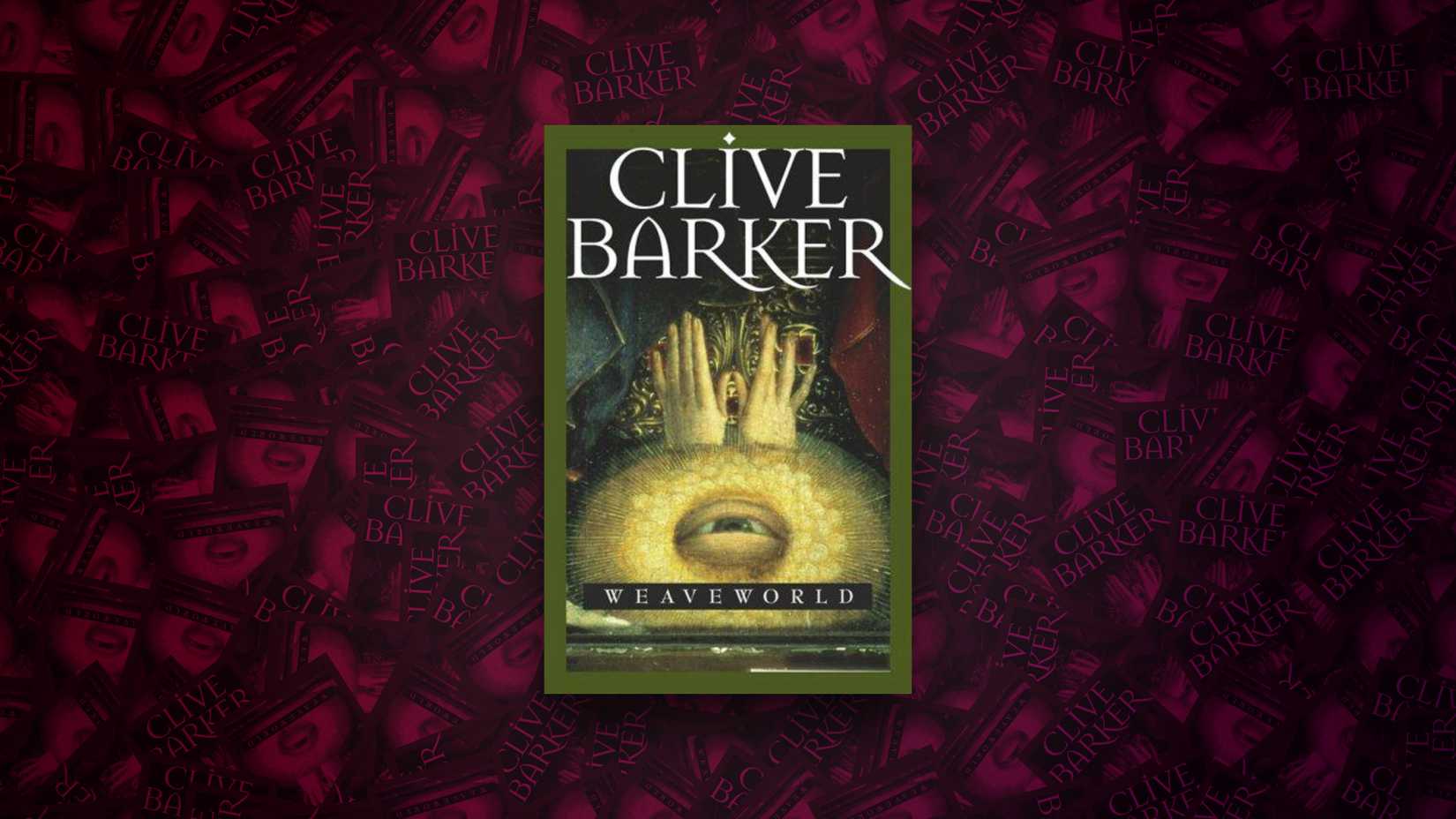
Weaveworld (1987) by Clive Barker
Clive Barker has long understood that the most extraordinary fantasy worlds often exist just beyond the peripheral vision of everyday life. In Weaveworld, this idea takes physical form in the Fugue—a bizarre, magical realm woven into the fabric of an ordinary Persian carpet. When its inhabitants face destruction from a ruthless ancient enemy, the fate of their world becomes entangled with two unsuspecting humans who are thrust into a struggle for survival.
Approaching fantasy with the sensibilities of a horror master, Barker infuses the story with grotesque creatures, unsettling transformations, and a brand of magic that feels as visceral as it is mesmerizing. Beneath these dark textures, however, beats a genuine devotion to the transformative power of imagination. By daring to venture into the surreal and the sensory, Weaveworld stands in sharp contrast to traditional sword-and-sorcery, proving that fantasy is often at its most potent when it refuses to play it safe.
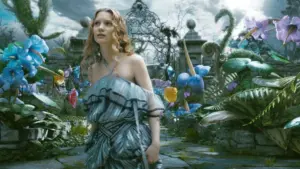
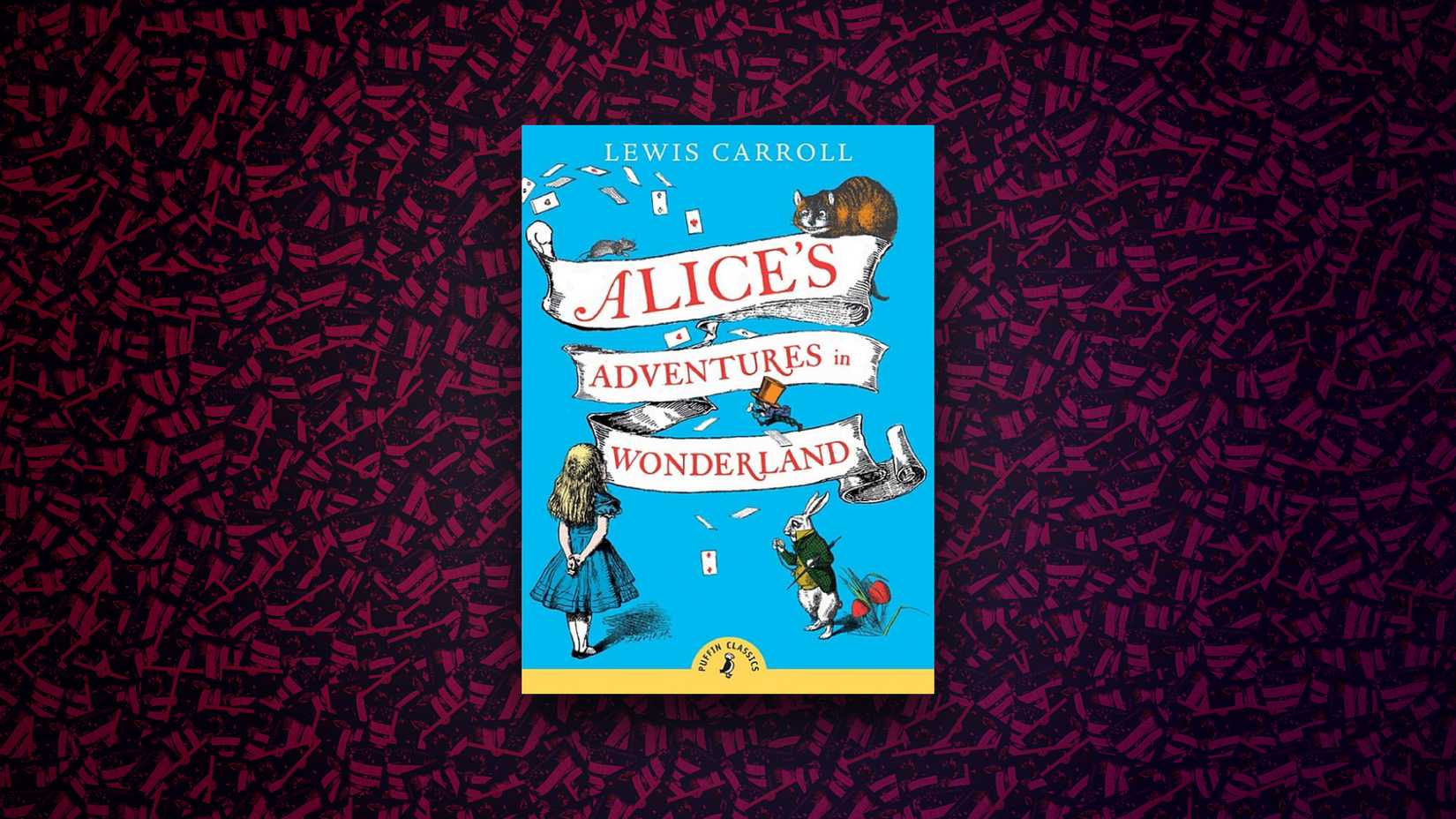
Alice’s Adventures in Wonderland (1865) by Lewis Carroll
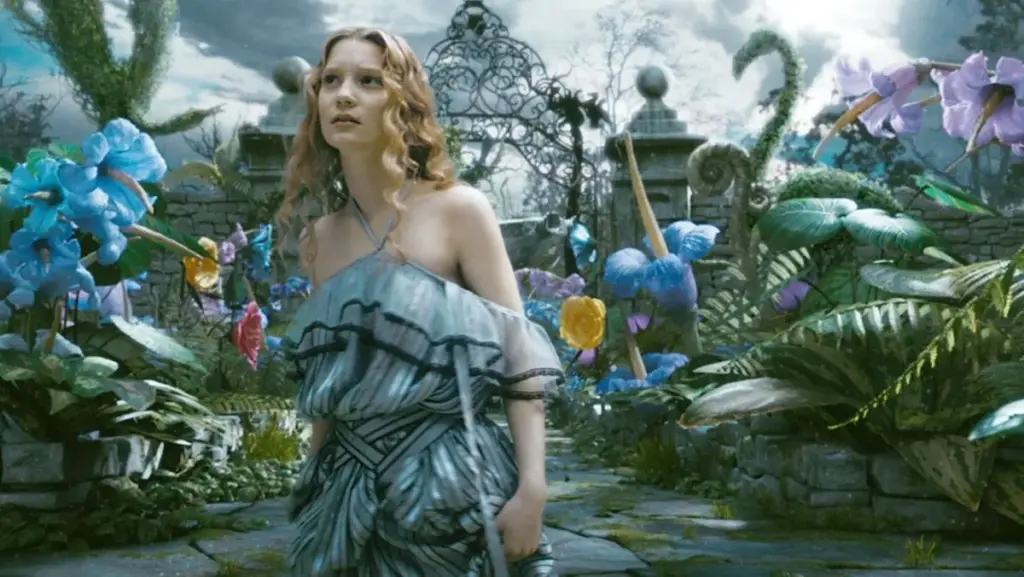
More than 160 years after its publication, Alice’s Adventures in Wonderland remains one of the most influential and subversive journeys in literature. Lewis Carroll sends his young protagonist tumbling into a world where familiar rules have collapsed, allowing mundane conversations to spiral into absurdity. From the hurried White Rabbit to the enigmatic Cheshire Cat and the tyrannical Queen of Hearts, the world is populated by characters who challenge the very nature of reason.
Under his pen name, Carroll was Charles Lutwidge Dodgson, an Oxford mathematician whose deep understanding of logic directly inspired the inverted reason that governs Wonderland. The nonsense works precisely because it is built upon a foundation of strict, albeit distorted, logic. By dismantling adult authority and the rigid etiquette of Victorian society through wordplay and mathematical riddles, the book remains an essential cornerstone of the genre, demonstrating that pure playfulness can double as sharp, timeless social satire.
The Lord of the Rings (1954) by J. R. R. Tolkien
Published between 1954 and 1955, J. R. R. Tolkien’s The Lord of the Rings stands as the definitive, unforgettable epic of the fantasy genre. It follows Frodo Baggins and his companions in their attempt to destroy the One Ring, an artifact of immense, corrupting power that threatens to plunge all of Middle-earth into darkness. Building upon the foundation of The Hobbit, where Bilbo Baggins first unwittingly claimed the ring, Tolkien expanded a simple fairy tale into a sprawling, mythic saga of fellowship, war, and the heavy burden of unintended heroism.
Tolkien’s achievement is comprehensive; through ancient histories, invented languages, and intricate cultural mythologies, he created a world that feels as though it had a deep, lived-in history long before the reader arrived. The story’s enduring power is rooted in the theme that courage can emerge from the smallest and most unlikely individuals. For anyone seeking to understand the trajectory of modern fantasy, The Lord of the Rings remains the essential blueprint from which nearly all subsequent speculative fiction continues to draw.