











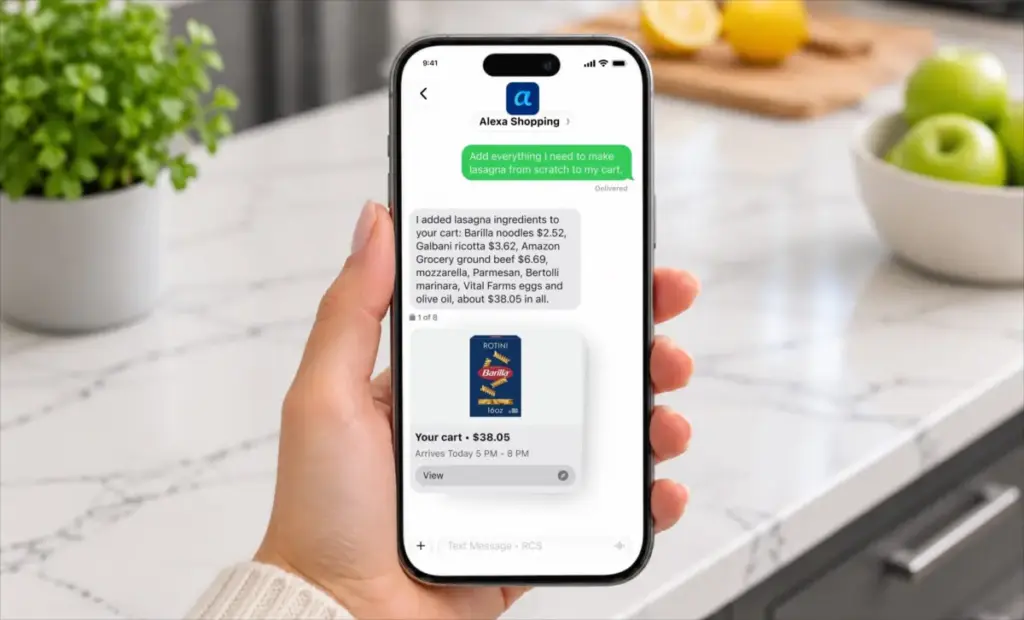
In a strategic shift aimed at capturing the modern consumer’s preference for rapid, text-based interactions, Amazon announced on Friday that it is launching a new feature allowing customers to engage with its Alexa AI agent through text messaging. This development marks a significant evolution in how users interact with the e-commerce giant, moving beyond traditional voice commands and web-based browsing to offer a seamless, chat-driven shopping experience that mirrors the capabilities of popular AI agents like Muse and Instinct.
The rollout comes at a critical time for Amazon, arriving just ahead of the highly anticipated holiday shopping season. By integrating text-based AI assistance, Amazon is positioning itself to capture a larger share of consumer intent as shoppers increasingly turn to conversational interfaces for product discovery, price comparisons, and order management. The initiative effectively addresses a growing trend in the tech industry: the transition from static search interfaces to dynamic, agentic AI interactions that can navigate the complexities of online retail on behalf of the user.
Strategic Expansion in the Face of Competition
The timing of this launch is particularly noteworthy, following Amazon’s decisive move in September to block Meta’s AI agent, Muse, from querying its platform. That restriction underscored a broader, industry-wide tension regarding how third-party AI agents access and utilize e-commerce data. By restricting outside access while simultaneously enhancing its own native AI capabilities, Amazon is signaling a "walled garden" approach to AI-driven commerce, ensuring that the benefits of its data and inventory management remain within its own ecosystem.

The new feature is currently being introduced to select customers in the United States, who will receive a notification inviting them to enable the shopping integration. For those granted early access, the experience is designed to be intuitive and fluid. Users can communicate with Alexa using natural language, effectively treating the AI as a personal shopping assistant. Whether a customer needs to search for specific products, add items to their cart, or finalize a purchase, the text-based interface is designed to handle these requests with the same level of capability—and potentially greater convenience—as the traditional voice-activated Alexa experience.
Enhanced Functionality and Personalization
This text-based agent is not a standalone tool but rather an extension of the broader, shopping-centric upgrades Amazon has been rolling out for Alexa over the past few months. In late October, the company unveiled a suite of features intended to help users manage their shopping lists, monitor price fluctuations for saved items, update delivery instructions, and manage subscriptions. By folding these capabilities into a text-based chat interface, Amazon is consolidating the fragmented aspects of the shopping journey into a single, cohesive conversation.
Beyond simple search and purchase functions, the integration allows for more complex tasks. Users can query the AI to compare products across the platform, check the status of active orders, and even search for items based on visual cues. A standout feature of the new system is its ability to process image-based inquiries; if a user sees a particular outfit or product in a photo, they can share the image with Alexa, which will then search Amazon’s vast inventory to find similar listings. This move toward multimodal interaction—allowing users to combine text and imagery—is a key differentiator in the crowded market for AI shopping assistants.

Furthermore, Amazon has indicated that the system is designed to evolve. Over time, the AI is expected to learn individual user preferences, tailoring its suggestions to reflect a customer’s past buying habits and specific tastes. This move toward a personalized, proactive shopping assistant could significantly increase customer retention and reduce the friction that often characterizes online browsing, particularly during the high-pressure environment of holiday gift shopping.
A Growing Trend in AI Agents
Amazon’s move to introduce text-based shopping is part of a larger, systemic shift in the consumer tech landscape. As AI agents become more sophisticated, companies across various sectors are rushing to build their own proprietary interfaces to facilitate direct interactions with their users. The objective is to remove the "middleman" of the traditional search engine or general-purpose AI and provide a direct line to the service or product provider.
This trend is not without its challenges, however. While the promise of agentic AI is immense, the practical application remains in its early stages. For example, the food delivery platform DoorDash recently reported that its own AI agent integration had only facilitated several hundred orders, highlighting the gap that often exists between the hype surrounding AI agents and the actual consumer adoption rate. Despite these modest early numbers, DoorDash has reaffirmed its commitment to the technology, signaling that it intends to prioritize the development of its own text-based ordering agent.
For Amazon, the stakes are significantly higher given the scale of its retail operations. By launching its own text-based agent, the company is attempting to standardize the AI-driven shopping experience before third-party developers can gain a foothold. For those customers who have not yet received an invitation to test the new feature, Amazon has established a waitlist, which is accessible through their official website. The company plans to scale the feature to a broader audience in the coming weeks, ensuring that the system is stress-tested before the peak of the holiday shopping season.
As the industry moves toward this new era of conversational commerce, the success of these agents will likely depend on their ability to act as reliable, accurate, and efficient assistants. If Amazon can successfully bridge the gap between simple text-based interaction and the complex, nuanced needs of a modern shopper, the new Alexa feature could fundamentally change the way millions of people interact with the platform. For now, the rollout represents a calculated bet that the future of retail is not just about what you buy, but how you talk to the systems that help you find it.
While the current scope of the feature is limited to specific U.S. users, the implications of this development reach far beyond the current test phase. It reflects a fundamental redesign of the user interface that has defined e-commerce for the last two decades. As AI agents become more integral to the daily habits of consumers, the battle for the "first point of contact"—the interface where the user first types or speaks their intent—will likely become the most fiercely contested territory in technology. Amazon’s decision to integrate this directly into the Alexa ecosystem is a clear sign that the company intends to dominate this new, conversational frontier.