










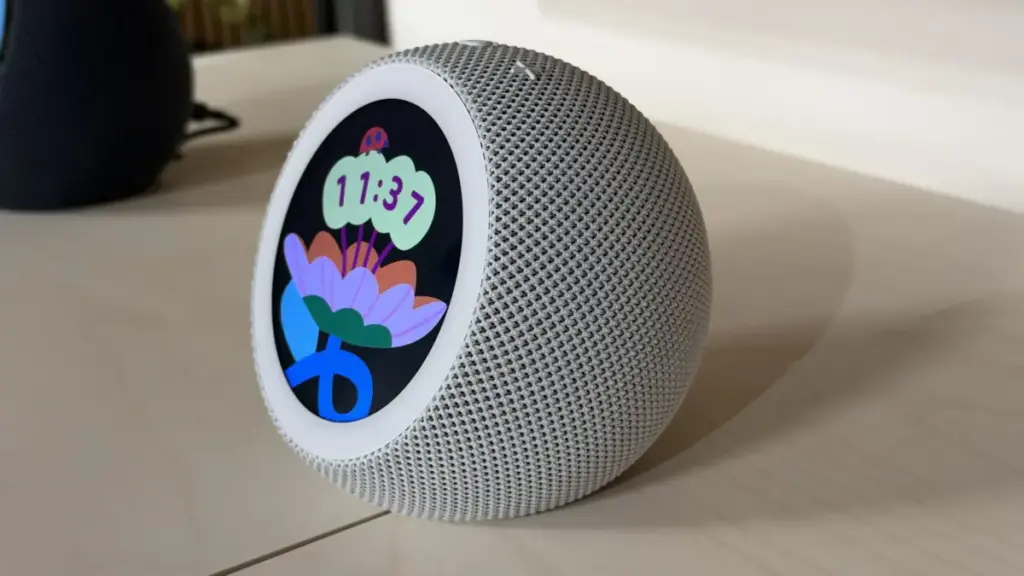
Available for purchase now at a retail price of $200, the Echo Time is slated to begin shipping to customers in December. The launch coincides with a broader wave of smart home hardware announcements from the tech giant, which also includes a revamped Echo Show, an updated Echo Studio, and the company’s first-ever digital smart picture frame.

At first glance, the Echo Time resembles a traditional Alexa-enabled smart speaker, distinguished primarily by its crisp 3.2-inch color screen. Users can personalize this display to feature either a classic analog clock face or a clean digital readout. For added personalization, Amazon has partnered with major entertainment franchises to offer themed clock variants, allowing fans to select designs inspired by popular properties such as Harry Potter, the DC Universe, and Scooby-Doo.
Beneath its exterior, the device incorporates environmental and circadian technology designed to harmonize with the user’s daily habits. The screen and internal lighting systems can gradually brighten in the morning to facilitate a more natural wake-up sequence, while dynamically reducing blue light emission in the evening to promote melatonin production and help users drift off to sleep. These ambient capabilities align the Echo Time with established wellness-focused hardware on the market, such as the popular Hatch Sleep Clock. Furthermore, Amazon is releasing two distinct versions of the clock built specifically for children, complete with robust parental controls and access to the company’s specialized Sleep Studio platform for managing bedtime routines.

Beyond standard scheduling and lighting, the Echo Time introduces a sophisticated, opt-in artificial intelligence feature capable of dynamically adjusting morning alarms based on real-time sleep metrics. For individuals who do not face a rigid morning schedule, the device can take over the responsibility of waking them up by analyzing environmental data from the bedroom. Utilizing internal sensors that monitor ambient room temperature and subtle physical movements—including ultrasonic detection technology capable of tracking breathing patterns—the clock evaluates the quality of the user’s sleep cycle.
Operating within a designated 60-minute window around the user’s preset wake-up time, the AI system determines the optimal moment to initiate the alarm. If the system detects that a user has entered a period of deep, restorative sleep, it can automatically push the alarm back to allow for uninterrupted rest, or conversely, wake the user earlier if it determines their sleep has transitioned away from a restful state.

While this adaptive feature requires an active Alexa Plus subscription and is entirely optional—ensuring that users who prefer a strict, unyielding alarm schedule can maintain their routines without interference—it highlights the growing convergence of artificial intelligence and personal wellness technology. Although a self-adjusting alarm might pose logistical challenges on busy workdays or ahead of early morning flights, it offers a compelling utility for relaxed weekends when catching up on lost sleep is a priority.
The introduction of the Echo Time arrives amid a fiercely competitive landscape for the smart home market. Just earlier this month, Apple unveiled its own major overhaul of home automation products, introducing a brand-new device category called the Home View. Apple’s latest ecosystem entries have drawn praise from technology reviewers for their streamlined setup processes and polished user interfaces. However, for households already deeply embedded in the Alexa ecosystem, the new lineup of Amazon devices—anchored by the camera-free Echo Time—offers a familiar and integrated option for expanding smart home automation directly into the bedroom.