









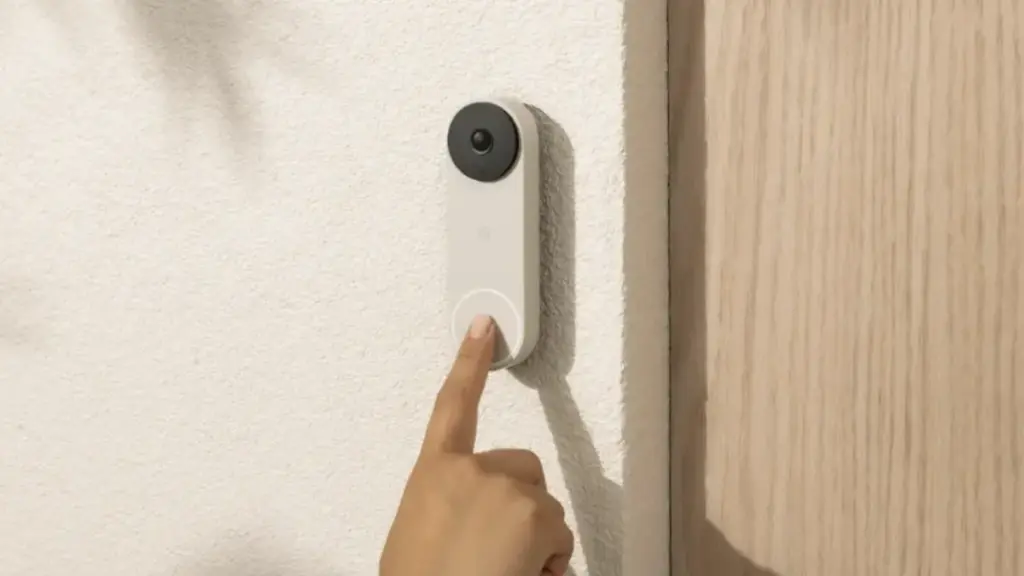
Video doorbells have long served as a fundamental building block for modern home security setups, seamlessly blending remote communication, motion notifications, and high-definition video monitoring into a single, highly accessible device. As the smart home ecosystem continues to evolve, manufacturers are introducing sophisticated new capabilities designed to enhance two-way audio systems by allowing automated tools and artificial intelligence to communicate on behalf of homeowners. Recent testing of these features reveals that they offer a surprisingly high level of convenience and practical utility for managing everyday visitors and unexpected package deliveries.

The driving force behind this technological leap is the integration of modern AI voice assistants—such as Alexa Plus from Ring—which possess the capacity to hold genuine, context-aware conversations with strangers at the door. Even without advanced AI integration or paid subscriptions, traditional smart doorbells are increasingly equipped with settings that enable automated messaging and specific visitor requests, effectively reducing the friction of daily household management.
Navigating the transition toward automated communication typically begins within the dedicated mobile application for the device. Users can access their doorbell management interface, locate the specific device settings, and explore options that govern visitor interactions. In applications like Ring, these capabilities are housed under dedicated menus for smart responses, providing a centralized location to manage automated replies. Similar configurations are gradually rolling out across alternative hardware ecosystems, including newer models of Nest doorbells and competing security brands.

Once inside the appropriate menu, users can enable quick replies and pre-recorded greetings. These functionalities allow the doorbell to play a designated message whenever a visitor presses the button or triggers the motion sensor. Beyond standard operational greetings, manufacturers frequently roll out seasonal options that let homeowners customize interactions for specific holidays, such as Halloween, or localized events like major sporting broadcasts. Standard administrative messages, including general requests to leave a package at a designated spot or prompts to leave an audio message after a tone, are widely supported. In many instances, these pre-recorded responses can also be triggered manually from the live video feed rather than waiting for an incoming visitor to activate the physical chime.
For devices equipped with advanced voice assistant integration, the communication capabilities extend far beyond static pre-recorded audio files. Selected hardware models—such as the Ring Wired Doorbell Plus and Ring Wired Doorbell Pro, alongside other recent releases—support dynamic AI voice assistant greetings. These systems link the physical doorbell directly to conversational artificial intelligence agents, enabling limited, real-time dialogue with visitors.

Practical evaluations of Alexa Plus greetings demonstrate a compelling combination of automation and flexibility. Homeowners can program the assistant with specific contextual instructions regarding how to manage visitors. For instance, instructing the assistant to direct delivery personnel to place packages inside a secure garage results in precise, automated guidance being delivered to the courier in real time. For visitors standing outside, receiving a guaranteed, structured response eliminates the uncertainty of waiting in front of a silent camera, transforming an otherwise passive interaction into a guided exchange. While the technology is still maturing and minor accuracy issues remain under active refinement, industry analysts view this as a significant step forward for automated home management.
Similar advancements are anticipated across the broader smart home market, with Google bringing its Gemini AI architecture to newer generations of Nest hardware. The introduction of Gemini for Home is expected to expand conversational capabilities across compatible Nest and Google Home doorbells, offering homeowners greater automation, time-saving conveniences, and precise visitor management options when physical presence is impossible.

Customization options accompanying these automated greetings often extend to timing and localization. Ring applications, for example, allow users to modify the response delay before a quick reply is triggered, addressing default settings that may otherwise introduce unnecessary pauses. Similarly, Google Nest doorbells offer localized language adjustments, allowing users to tailor spoken responses to better suit their household needs. Reviewing and adjusting these parameters ensures that automated greetings function precisely as intended within the context of daily routines.
Alternative hardware models implement these features through distinct interface designs. Google Nest doorbells rely on Quick Responses that are manually initiated by the homeowner upon receiving a phone notification rather than playing automatically upon a button press. When an alert such as a person detection is received, users can tap the notification and select an appropriate pre-set response, such as a request to leave a package unattended. While traditional Nest doorbells have historically offered fewer customization options compared to their Ring counterparts, upcoming software integrations are anticipated to reshape these platform capabilities.

As smart home technology continues to mature, the evolution of automated doorbell communication highlights a broader shift toward proactive, intelligent residential security. By delegating routine visitor interactions to AI assistants and automated systems, homeowners gain enhanced control over their properties, minimizing the disruptions of daily deliveries and unexpected arrivals while maintaining robust oversight of their front door environment.