









Apple has officially expanded its footprint in the domestic technology sector with the launch of two significant new hardware products: the HomeView interface and a refreshed Apple TV 4K. Alongside these core device updates, the company has officially opened orders for the first three accessories in the highly anticipated Apple Home Collection, marking a strategic pivot toward a more unified and simplified smart home experience.
The release represents a major step forward for Apple’s strategy to harmonize the disparate world of smart home connectivity. By introducing the Apple Home Collection, the tech giant is attempting to solve the fragmentation that has long plagued the industry, offering a curated suite of devices that prioritize ease of use and native integration above all else.
The New Hardware Lineup: HomeView and Apple TV 4K
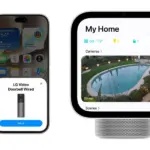
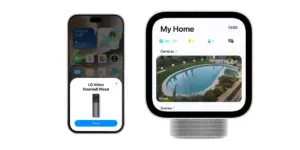
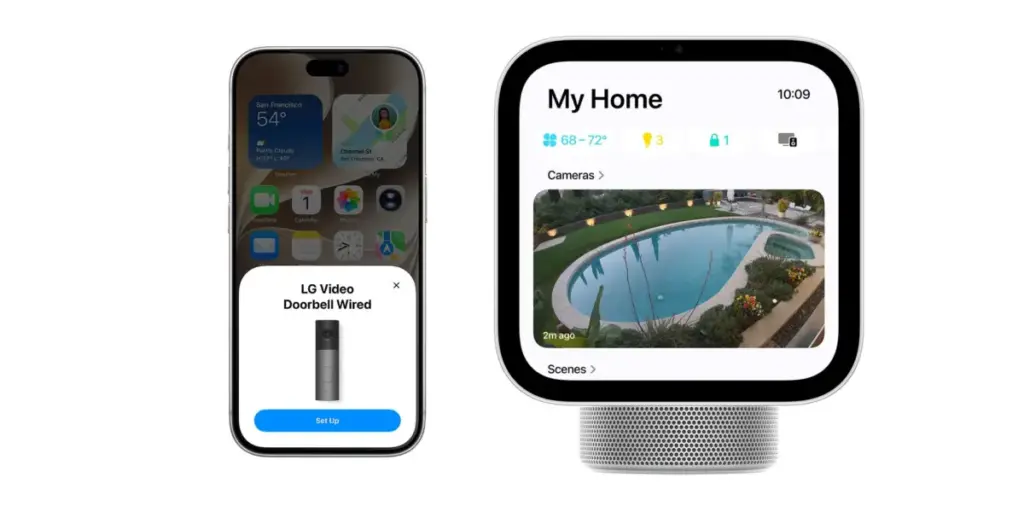
The centerpiece of today’s announcement is the introduction of the HomeView, a dedicated interface designed to serve as the visual command center for the home. By providing a centralized point of interaction, Apple is clearly aiming to make smart home management more intuitive for users who may have previously found the process of juggling multiple apps and protocols to be cumbersome.

Complementing this is the updated Apple TV 4K. As the central hub for many modern households, the new iteration of the Apple TV 4K is expected to provide increased processing power and deeper integration with the Home app, ensuring that it remains the robust engine behind complex smart home automation. For existing users of the Apple ecosystem, these updates provide a more responsive foundation for controlling everything from lighting and climate to advanced security monitoring.

The Apple Home Collection: A Strategic Partnership
The most noteworthy development for many enthusiasts is the rollout of the Apple Home Collection. This initiative is not merely a branding exercise but a technical collaboration with established industry leaders, specifically LG and Schneider. By co-developing these accessories, Apple has ensured that every device in the collection adheres to a rigorous set of standards, bypassing the common frustrations of third-party integration.
A primary selling point of the Apple Home Collection is the "plug-and-play" nature of its setup. Traditionally, setting up a smart home required users to download proprietary manufacturer apps, create separate accounts, and navigate complex pairing processes. The new collection eliminates these barriers entirely. Because these devices were developed in direct partnership with Apple, they integrate directly into the native Home app on iOS, iPadOS, and macOS. Users can simply add the devices to their network, and they are immediately available for use, with full support for the latest security and automation technologies.
Initial Offerings: Cameras and Doorbells
The first wave of products hitting the market focuses on security, a category that remains the primary entry point for many smart home consumers. The three initial accessories—a video doorbell and two distinct smart security cameras—are designed to provide high-definition monitoring with a focus on privacy and local processing.
These devices, manufactured in partnership with LG, represent the first time Apple has put its weight behind branded home security hardware. The video doorbell offers a streamlined way to monitor entries, while the two indoor cameras cater to different spatial requirements within the home. By launching these specific products first, Apple is signaling that it understands the core needs of the consumer base: peace of mind and reliable visual monitoring.
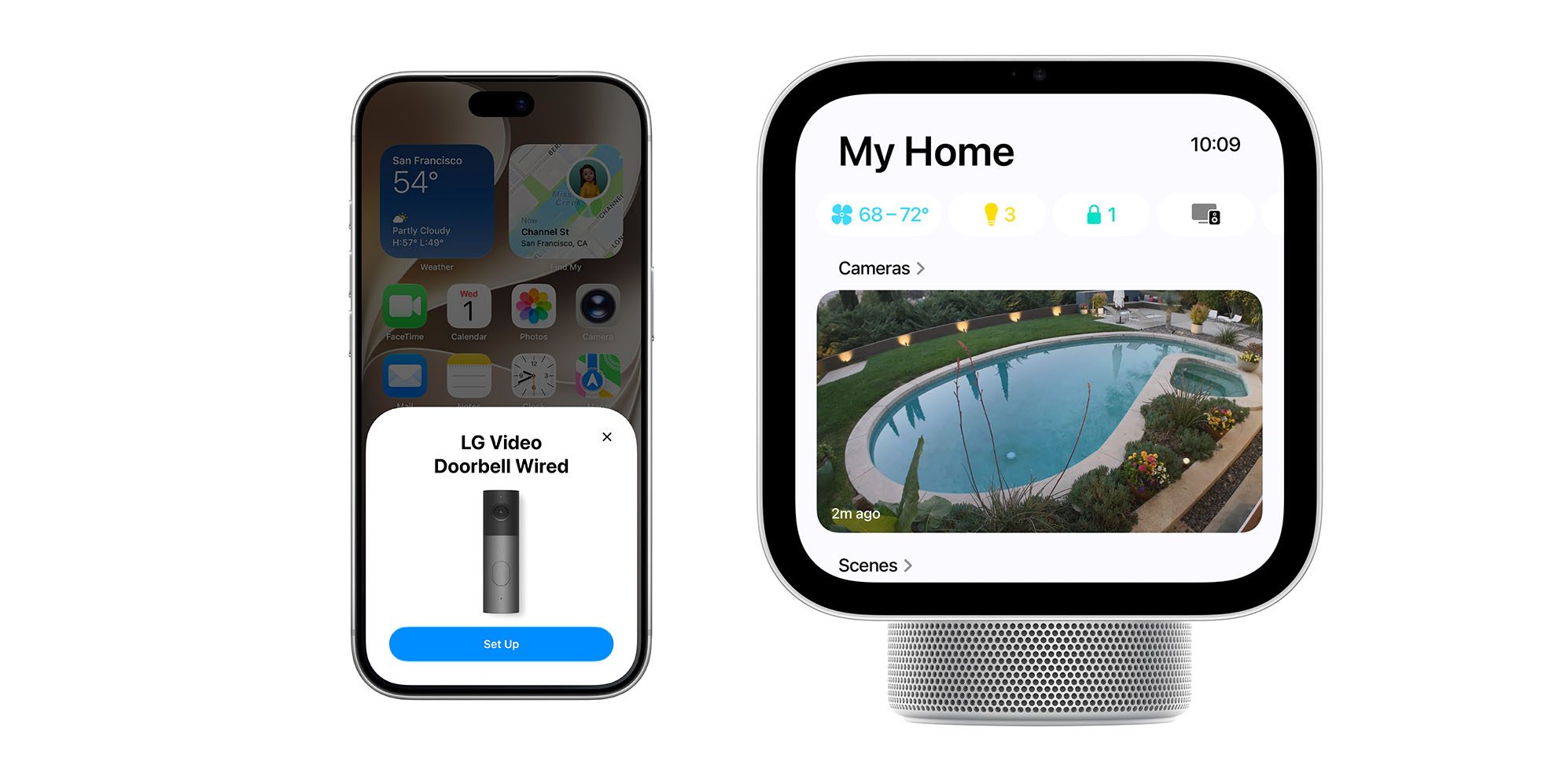
The design philosophy behind these cameras appears to be consistent with Apple’s minimalist aesthetic, ensuring that the hardware blends into a home environment rather than standing out as intrusive technical equipment. More importantly, the integration with the Home app allows for seamless notifications and live viewing, all governed by Apple’s strict privacy standards.
Availability and Market Outlook
For those looking to adopt these new technologies, the products are currently available for order, with an estimated delivery window set for mid-December. This timing is clearly aimed at the holiday season, allowing consumers to integrate these devices into their homes just as family gatherings and winter travel become the primary focus.
The broader roadmap for the Apple Home Collection remains expansive. Apple has indicated that there are nearly 10 accessories in the pipeline. While today’s launch covers security, the future of the collection will eventually include smart thermostats, internal sensors, and smart locks. These additions will be critical in transitioning the collection from a security-focused offering to a comprehensive smart home management system.
It remains to be seen whether the subsequent waves of products will arrive before the end of the year or if consumers will have to wait until 2027 to see the full breadth of the lineup. Given the complexity of hardware manufacturing and the logistical challenges of bringing new connected devices to market, a staggered release schedule is perhaps to be expected. The current focus is firmly on the LG-partnered security products, which serve as the proof-of-concept for the entire project.

Assessing the Impact on Smart Home Adoption
The smart home market has historically been hindered by a lack of interoperability. Consumers have often been forced to choose between competing standards, leading to "walled garden" ecosystems that rarely communicate effectively. The Apple Home Collection is a direct response to this, leveraging the Matter protocol and Apple’s own proprietary software layers to create a more frictionless experience.
By curating a set of products that are guaranteed to work together, Apple is lowering the barrier to entry for the average consumer. Those who have been hesitant to invest in smart home technology due to the perceived complexity of installation or the risks of data privacy will likely find this collection more appealing than generic, unvetted alternatives.
The long-term success of this initiative will depend on how quickly Apple can expand the range of products and whether they can maintain the high quality of the initial launch. If the thermostats and smart locks prove to be as simple to install and operate as the video doorbell, Apple may well succeed in accelerating the adoption of smart home technology in the mainstream market.
As users begin to receive their orders in the coming weeks, the real-world performance of these devices will be tested. The ability to handle high-bandwidth video streaming, reliable motion detection, and instant notification delivery within the Apple ecosystem will determine if the Apple Home Collection becomes a staple in the modern home or remains a niche offering for the most dedicated Apple users.

For now, the focus is on the initial setup. As the first units arrive in mid-December, the conversation will shift from the promise of the technology to the reality of its daily operation. Whether this marks the beginning of a truly ubiquitous smart home era or a refinement of existing capabilities, it is clear that Apple is now firmly committed to being a hardware provider at every point of the consumer’s domestic experience.