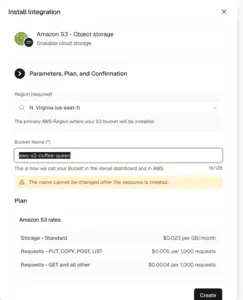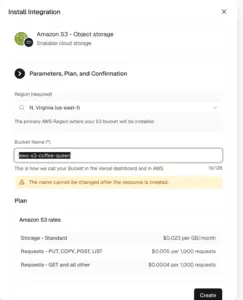







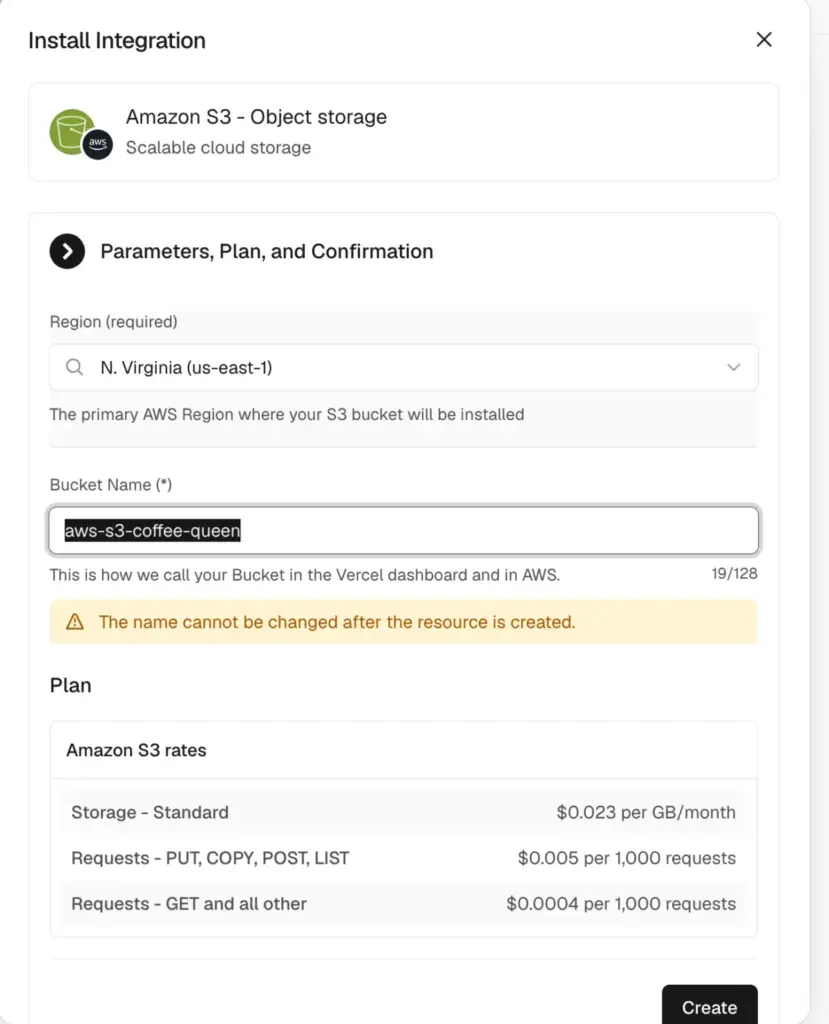
In a significant move to streamline the development lifecycle for cloud-native applications, Vercel has announced the native integration of Amazon Simple Storage Service (Amazon S3) directly into its platform. Developers building web and AI-powered applications on Vercel can now provision S3 storage resources through the Vercel Marketplace and v0, the company’s generative AI tool. This development marks a departure from traditional, fragmented deployment workflows, effectively merging the robust scalability and durability of Amazon S3 with the streamlined, developer-centric provisioning experience that has become a hallmark of the Vercel ecosystem.
Starting today, the integration encompasses the full spectrum of Amazon S3 capabilities, including Amazon S3 Tables and Amazon S3 Vectors. By bringing these services under the Vercel umbrella, the company is addressing three primary workload categories: everyday object storage, high-performance data analytics, and modern AI-driven semantic search. This integration is designed to reduce the operational friction often associated with cloud infrastructure, allowing developers to manage their storage requirements without leaving their primary development environment.
Bridging the Gap Between Application and Infrastructure
For millions of developers, Vercel has become the preferred platform for deploying and scaling web applications. However, until now, the process of configuring storage often required a context switch, forcing developers to navigate away from their codebase to the AWS Management Console to manually handle policies, credentials, and bucket configurations. This manual overhead often resulted in configuration drift and increased the risk of security missteps.
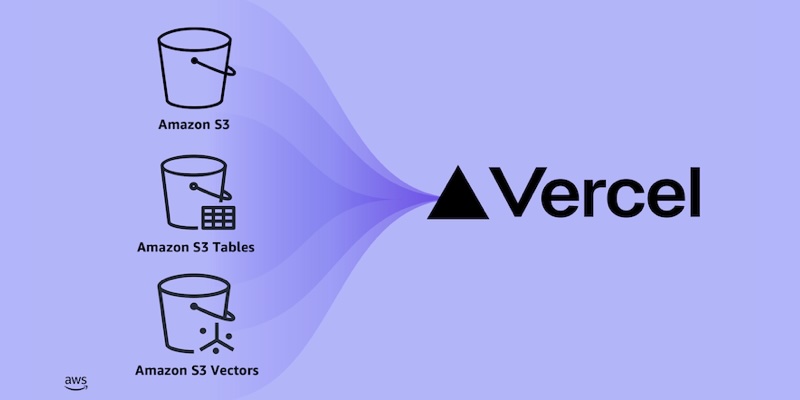
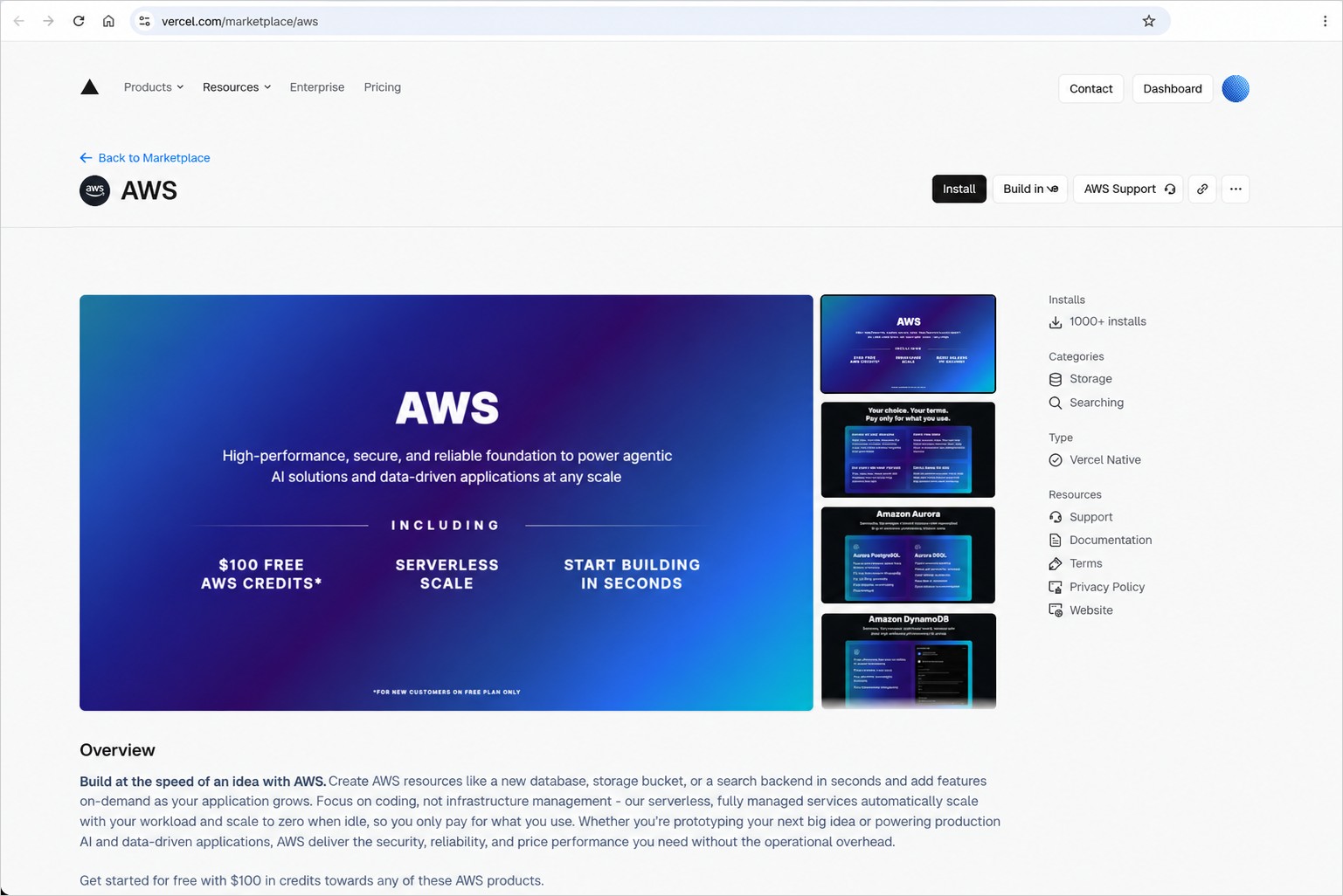
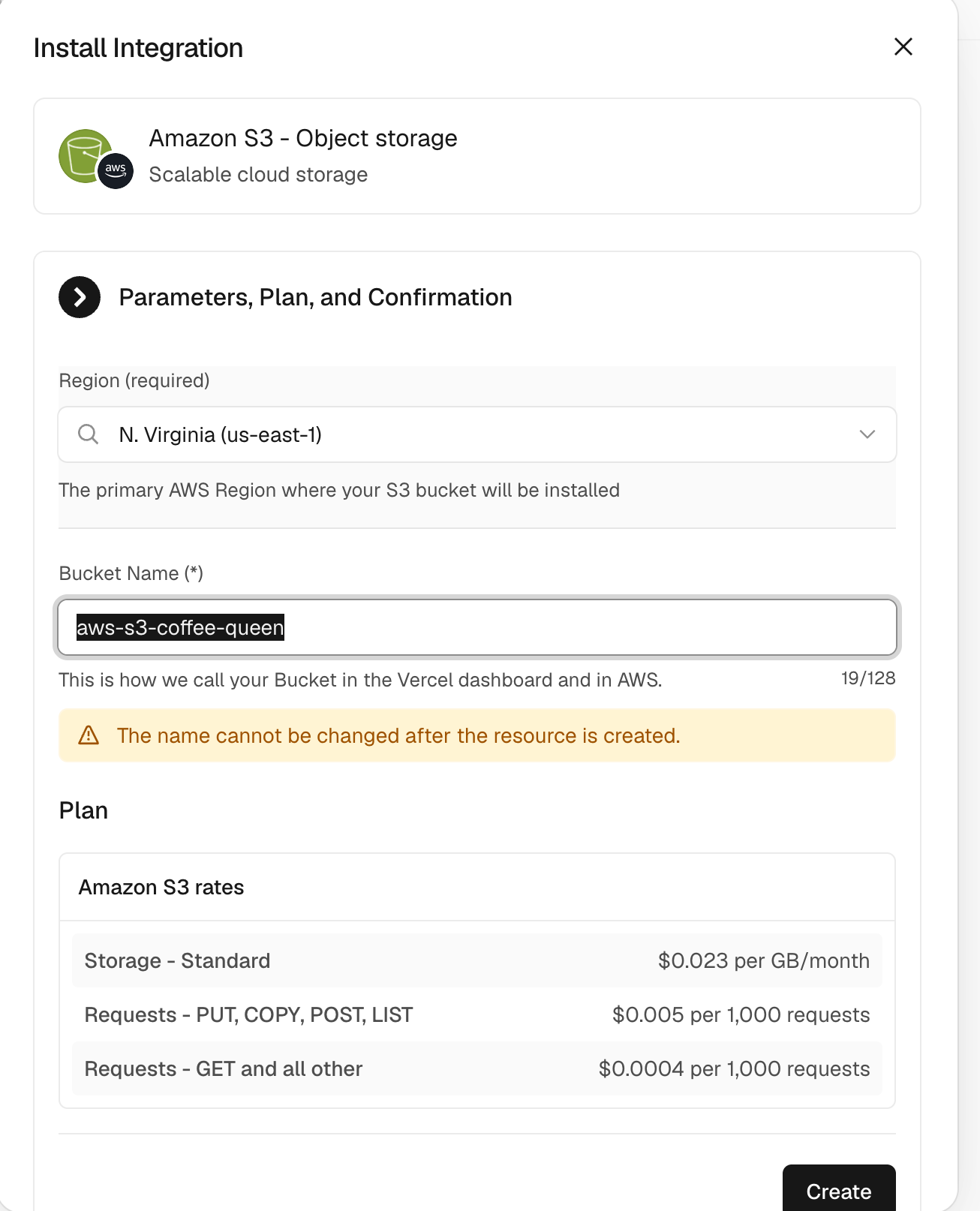
The new integration effectively eliminates these hurdles. When a developer provisions S3 storage through the Vercel dashboard, the platform handles the underlying configuration, resource provisioning, and connection settings automatically. This capability complements Vercel’s existing suite of AWS integrations, which already includes Amazon Aurora, Amazon DynamoDB, and Amazon OpenSearch Serverless. With these services now unified, developers can build a complete, production-grade application stack entirely within Vercel. From the database layer to object storage and vector search, every component is integrated into a single AWS account, managed under a single billing structure, and orchestrated via a cohesive development workflow.
Enabling Diverse Workloads: Object Storage, Analytics, and AI
The integration is architected to handle a wide range of use cases, ensuring that developers have the right storage tools for their specific requirements. For standard web applications, the general-purpose Amazon S3 integration provides a straightforward way to manage user uploads, media assets, and static files. By using the @vercel/functions/oidc library, the platform handles authentication securely, exchanging short-lived OIDC tokens with the AWS Security Token Service. This design eliminates the need to store static, long-lived access keys, adhering to security best practices by ensuring that credentials remain temporary and scoped specifically to the required resource.
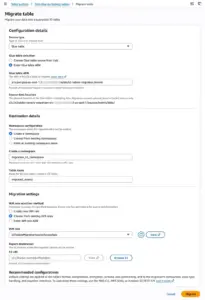
Beyond simple object storage, the inclusion of Amazon S3 Tables represents a major step forward for data-driven applications. Designed specifically for analytics, S3 Tables provide a fully managed environment for Apache Iceberg tables, complete with automated maintenance and compaction. This allows developers to handle growing data volumes without the manual labor typically required to optimize query performance. Because these tables are compatible with any Apache Iceberg REST Catalog-compliant engine, developers can leverage tools like DuckDB within their Vercel Functions to perform lightweight, high-performance analytical queries directly on their stored data.

Perhaps most timely is the integration of Amazon S3 Vectors. As AI agents and large language model (LLM) applications become increasingly common, the need for cost-optimized vector storage has intensified. S3 Vectors provide a native, scalable solution for storing and querying the embeddings necessary for semantic search and Retrieval-Augmented Generation (RAG). By integrating this directly into the Vercel stack, developers can now build AI-powered features—such as document-aware chatbots or intelligent recommendation engines—without needing to manage a separate, specialized vector database. The storage remains in S3, while the query capabilities are handled natively, significantly simplifying the architecture for AI-native web apps.
The Role of v0 in Accelerating Development
The integration of S3 is not limited to manual configuration; it is also deeply embedded into v0, Vercel’s AI-powered development interface. By using natural language prompts, developers can now ask v0 to architect solutions that include these storage components. For instance, a user might prompt the system to "build a photo gallery where users can upload images using AWS," and v0 will automatically provision the necessary general-purpose S3 bucket and generate the corresponding connection logic.
Similarly, developers building AI tools can prompt v0 for a "support bot that answers questions from my PDFs," prompting the system to provision S3 Vectors and scaffold the necessary code to handle embeddings and RAG retrieval. This capability significantly lowers the barrier to entry for developers who may not have deep expertise in AWS infrastructure but need to implement complex, cloud-native features quickly.
Streamlined Authentication and Management
A key design principle of this integration is the seamless nature of the connection between the Vercel environment and the user’s AWS account. Whether a developer is creating a brand-new AWS account through Vercel—which includes $100 in promotional credits—or linking an existing account to maintain current billing and infrastructure, the experience remains consistent.
When an existing account is linked, Vercel respects the existing AWS infrastructure while enabling the management of new buckets created through the platform. Because these resources reside within the user’s own AWS account, they retain full access to AWS-native management tools, auditing features, and visibility, ensuring that the developer does not sacrifice control for convenience.
The security model is particularly noteworthy. By leveraging OIDC-based authentication, the platform ensures that the application runtime receives only the permissions necessary to perform its tasks. The injection of environment variables like AWS_REGION, AWS_ROLE_ARN, and various resource-specific identifiers into the Vercel project ensures that the application can communicate with AWS services without hardcoding sensitive credentials. This approach not only enhances security but also simplifies the management of multi-environment deployments, as the same code can be promoted through staging and production with the platform automatically resolving the correct resource pointers.
Looking Ahead and Community Engagement
As the integration rolls out, Vercel and AWS are encouraging developers to engage with the ecosystem to further refine these workflows. The integration is available in all commercial AWS regions supported by Vercel, ensuring broad accessibility for global teams. Developers seeking to deepen their understanding of these features, or those looking to troubleshoot specific architectural patterns, are directed toward the AWS MCP (Model Context Protocol) Server and associated plugins. These tools are designed to work with AI agents to query documentation, verify regional availability, and assist with complex integration tasks.
By bringing the power of Amazon S3, S3 Tables, and S3 Vectors into the Vercel Marketplace, the collaboration represents a maturation of the serverless and web development landscape. It acknowledges that as applications become more complex—incorporating analytics and AI as standard features—the infrastructure supporting them must become as fluid and accessible as the frontend code itself. For the developer, the result is a reduction in cognitive load and a faster path from the initial idea to a scalable, production-ready deployment. Those interested in exploring the integration can find the new AWS offerings directly on the Vercel Marketplace or through the v0 interface, marking a new chapter in how web and cloud services converge.