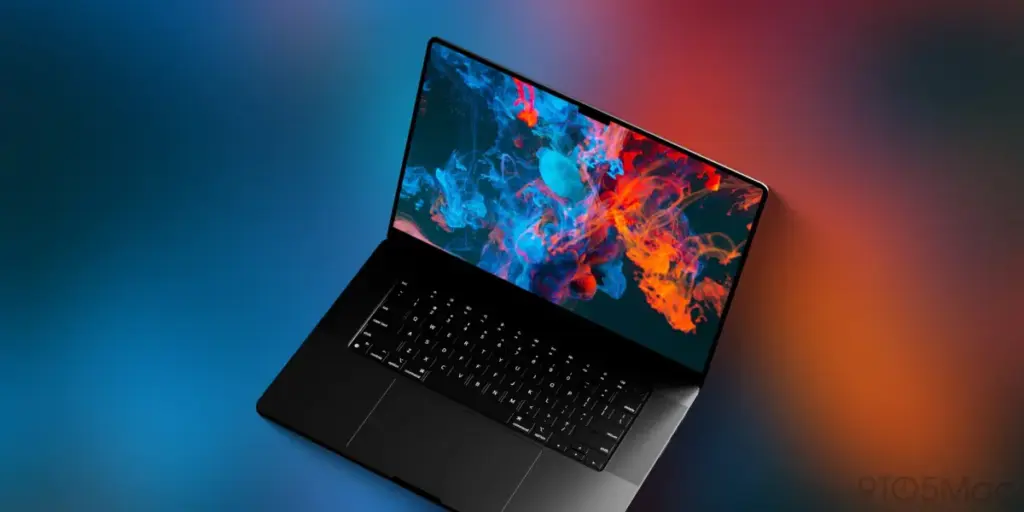
In a significant departure from its historical product release strategy, Apple is preparing to bring a major design overhaul to its entry-level MacBook Pro lineup significantly faster than industry observers previously anticipated. According to insights shared by Mark Gurman of Bloomberg, the Cupertino-based tech giant is currently developing an entry-level MacBook Pro, internally codenamed K104, which is expected to launch in the first half of 2027. This move represents a marked shift in how Apple manages the lifecycle of its hardware aesthetics, signaling a more aggressive approach to updating its broader laptop portfolio.
For years, Apple has maintained a disciplined, if somewhat predictable, cadence for introducing new chassis designs. Historically, a new design language debuts on the premium, high-end MacBook Pro models, while the entry-level machines retain older aesthetics for several years before receiving the latest upgrades. This "trickle-down" strategy has been a cornerstone of Apple’s product differentiation. A clear example of this can be found in the transition from the M1-era MacBook Pro to the M3 generation. The 14-inch MacBook Pro, which launched with the M1 Pro and M1 Max chips in 2021, set the gold standard for the modern Apple laptop aesthetic. However, the base-model MacBook Pro continued to utilize the aging 13-inch chassis design for two additional years, only receiving the modern 14-inch redesign in late 2023 alongside the introduction of the M3 chip.
This pattern of delayed integration has been consistent throughout the last decade. Following the major MacBook Pro redesign in 2016, which introduced the controversial Touch Bar and a slimmer, lighter profile, it took until 2019 for those design elements to finally reach the entry-level, non-Touch Bar models. Similarly, the introduction of the Retina display in 2012 followed a long, segmented rollout. By keeping the latest designs exclusive to the "Pro" and "Max" tiers for an extended period, Apple was able to maintain a distinct price-to-feature value proposition.

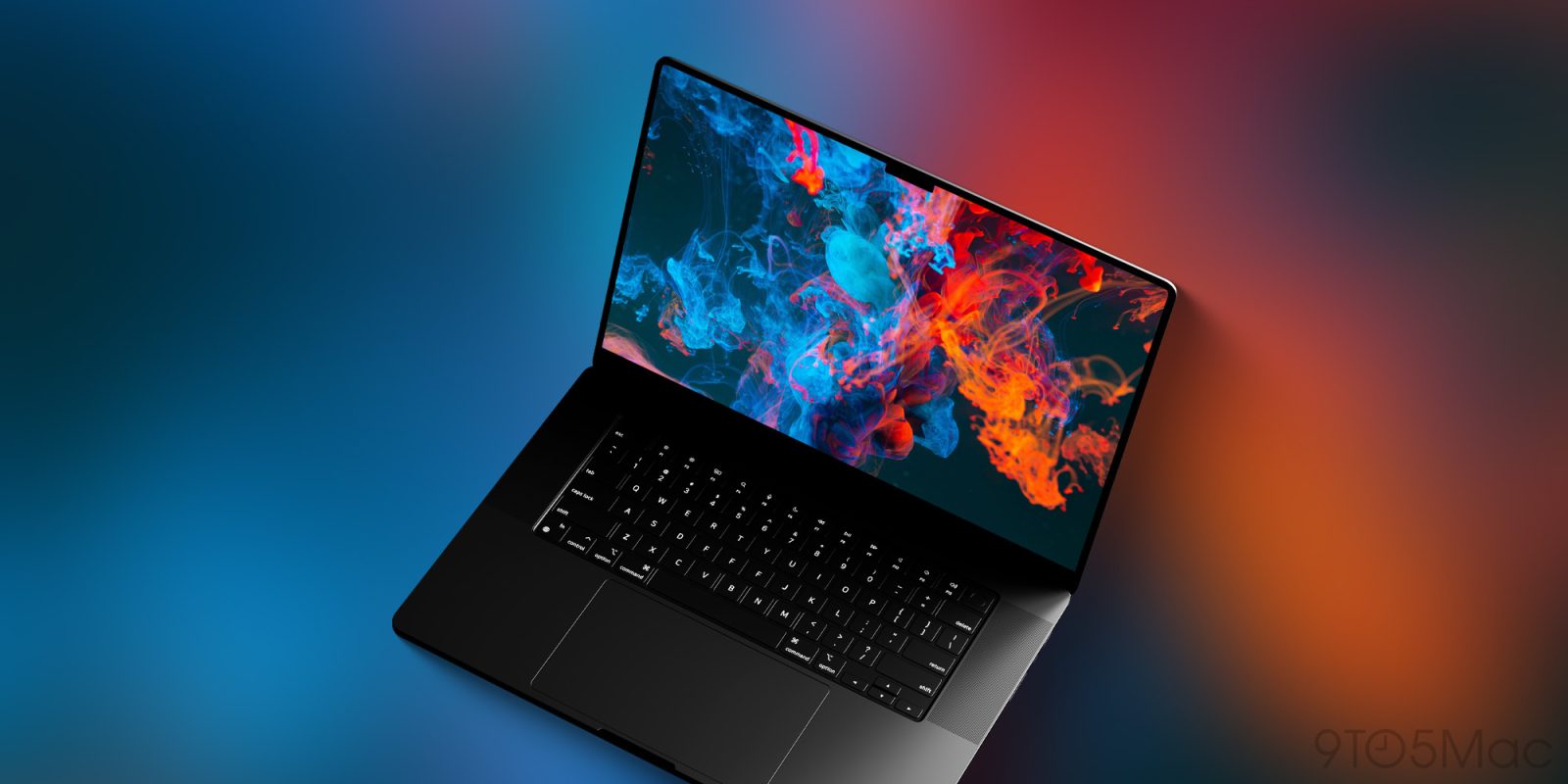
However, the upcoming 2027 cycle appears to break this tradition. Reports indicate that the gap between the debut of the redesigned high-end MacBook Pros and the entry-level model will be compressed to a mere six months. This rapid deployment suggests that Apple is eager to unify its design language across the entire professional lineup, perhaps to combat market stagnation or to better compete in an increasingly crowded premium laptop space.
The Shift to M7 and the Redesigned Entry-Level MacBook Pro
The technical roadmap for the coming year is proving to be complex and highly dynamic. As Apple prepares to launch its next-generation high-end laptops—which many analysts suggest will be marketed under the "MacBook Ultra" branding—the entry-level segment is receiving its own significant attention. The K104 project, slated for early 2027, will see the 14-inch entry-level laptop adopt a new design language that aligns with the high-end machines expected to arrive between late 2026 and early 2027.
Central to this new design are rumored features that represent a generational leap for the MacBook Pro line. Speculation points toward a significantly thinner chassis, the integration of OLED display technology for deeper blacks and higher contrast, and, perhaps most notably, the introduction of touch-screen functionality. There has also been consistent chatter regarding the potential inclusion of a Dynamic Island, a feature that has already redefined the user interface experience on the iPhone and could provide a more seamless integration of software and hardware on the Mac.

However, the path to this hardware release is currently complicated by changes in Apple’s silicon strategy. Recent reports confirm that Apple has made the strategic decision to abandon its plans for the high-end "M6 Pro" and "M6 Max" chips, opting instead to accelerate the development of the M7 generation. This pivot means that the upcoming high-end MacBook Pros are expected to launch with the M5 Pro and M5 Max chips, effectively skipping a full generation of branding to prioritize the performance gains promised by the M7 architecture.
For consumers, this creates a nuanced landscape. There will likely be an interim entry-level MacBook Pro featuring the existing chassis design paired with the M6 chip, scheduled to arrive this coming fall alongside the new high-end laptops. For those who can wait, the spring 2027 update will offer the full, redesigned experience powered by the more advanced M7 silicon.
Addressing the Cost of Innovation
The broader context of these releases is heavily influenced by the economic realities of the current tech industry. Consumers have recently faced notable price hikes across Apple’s product lines, a trend that is becoming increasingly difficult to ignore. The current entry-level MacBook Pro, which retails at $1,999, occupies a price point that was once reserved for much more powerful, "Pro-chip" equipped machines just a year ago.

This pricing strategy is largely attributed to a global memory shortage that has forced manufacturers to adjust their margins and retail costs. As the cost of components like high-speed unified memory and advanced displays rises, those expenses are inevitably passed down to the end-user. The introduction of a redesigned, M7-powered 14-inch entry-level MacBook Pro in 2027 will be a critical test for the market. While the redesigned high-end models are widely expected to carry a premium price tag—potentially exceeding $2,500—the entry-level model will likely serve as the primary vehicle for Apple to capture users who desire the latest design and silicon performance without moving into the "Ultra" price bracket.
The accelerated release of the redesigned entry-level model suggests that Apple recognizes the need to offer a modernized product to a wider base of professional users. By shortening the release gap from several years to just six months, the company is effectively lowering the barrier to entry for its most sophisticated hardware.
As the industry looks toward the first half of 2027, the focus will remain on whether these new laptops can deliver the efficiency and power gains promised by the M7 chip while justifying the elevated cost of entry. For many professionals, the decision to hold out for the spring release may prove to be the most prudent path, allowing them to bypass the interim M6 models and invest in a machine that carries the latest design language and the most advanced silicon currently in Apple’s development pipeline. The rapid transition to this new era of MacBook Pros highlights an Apple that is increasingly willing to iterate quickly, even if it means disrupting the traditional, measured release schedules of the past.