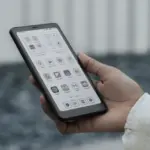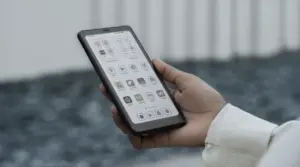









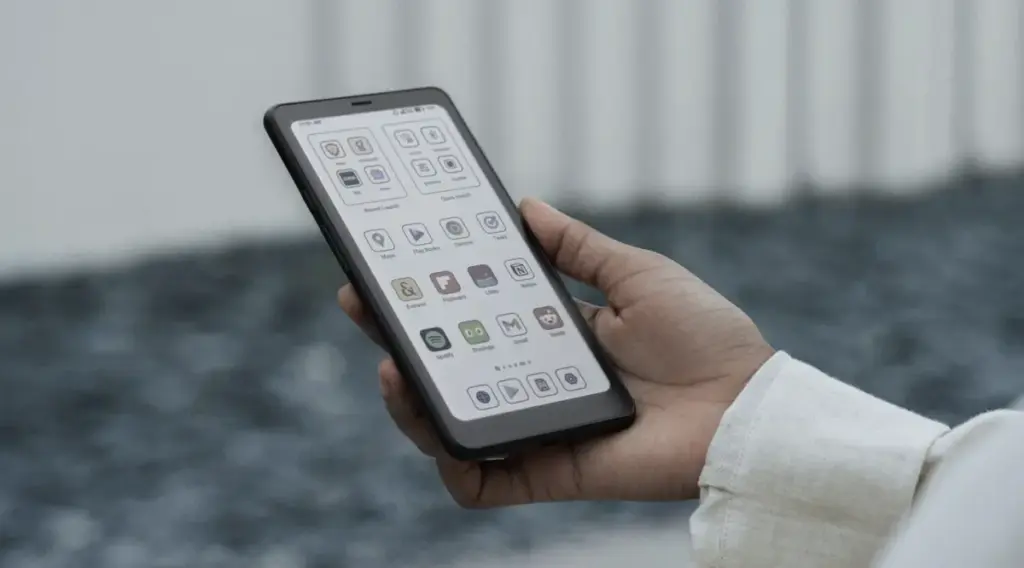
The $400 Boox Palma 2 Pro occupies a unique and somewhat paradoxical space in the current consumer electronics landscape. On the surface, it is a smartphone-sized e-reader, specifically engineered for users who desire the distraction-free, paper-like experience of an E Ink display but are tired of the cumbersome, oversized nature of traditional e-readers. However, to categorize it simply as an e-reader would be to ignore its primary differentiator: it runs a full version of Android and supports the Google Play Store. By allowing access to third-party applications, the Palma 2 Pro functions less like a dedicated book reader and more like a hybrid—a cross between a classic Kindle and a compact, specialized Android tablet.
For many digital readers, the primary struggle is finding a balance between the convenience of a smartphone and the eye-friendly benefits of E Ink. The impetus for reviewing the Palma 2 Pro stemmed from a common, real-world scenario: the desire to read comfortably while lying on one’s side before bed. Traditional e-readers are often designed with a squarish, tablet-like form factor that, while excellent for stability on a desk or a stand, becomes unwieldy in bed. Without accessories like a PopSocket or a specialized case, these devices can feel too large and difficult to hold for extended periods while resting on one’s side.
This ergonomic hurdle is precisely why many readers, despite owning dedicated e-readers, find themselves defaulting to their smartphones for late-night reading. The iPhone or Android device is naturally balanced for one-handed use, fitting comfortably in the palm. Yet, this convenience comes at a well-documented cost: eye strain. Staring at a backlit, high-frequency OLED or LCD screen for hours before sleep is far from ideal for visual health. Over the course of a two-month testing period, the Palma 2 Pro emerged as a compelling solution to this dilemma, offering the ergonomic familiarity of a smartphone with the soothing, non-emissive properties of an E Ink display.

A Tailored Visual Experience
One of the standout features of the Palma 2 Pro is its sophisticated front-lit screen. Unlike standard smartphones, which rely on light being projected directly into the eyes, the Palma 2 Pro utilizes a front-lit system that directs light across the surface of the display. This allows for a significant level of customization, enabling the user to fine-tune the color temperature between cool and warm lighting.
This functionality is particularly beneficial for those who share a sleeping space. In a dark bedroom, the ability to adjust the warmth of the display means that the user can read without casting a harsh, blue-light glow that might disturb a partner. While modern smartphones offer "Night Shift" or "Blue Light Filter" modes, they often lack the granular control required to dim the display to the exceptionally low levels achieved by the Palma 2 Pro. Even in pitch-black conditions, the screen remains readable without the visual fatigue that typically accompanies prolonged exposure to smartphone backlighting.
Furthermore, the physical build of the device contributes significantly to this comfort. Weighing just 175 grams, it is noticeably lighter than most modern smartphones. This weight reduction may seem marginal on paper, but it is palpable during long reading sessions, significantly reducing the strain on the wrist and hand.

Portability and the “Smartphone Alternative”
Beyond the bedroom, the device’s form factor redefines the portability of E Ink technology. Because it is sized similarly to a modern smartphone, the Palma 2 Pro fits into small pockets and bags that would be unable to accommodate a traditional Kindle or Kobo reader. This shift in portability changes how and when one chooses to read. During testing, the device became a constant companion, accompanying the user to the doctor’s office, the airport, and daily commutes.
In these "in-between" moments—periods where one might habitually reach for a smartphone to scroll through social media or check emails—the presence of the Palma 2 Pro encourages a different behavior. Because it is as accessible as a phone but lacks the dopamine-triggering distractions of a standard mobile device, it effectively facilitates more reading time throughout the day.
The integration of the Android operating system is the engine behind this versatility. Because the device is not locked into a proprietary ecosystem, users have the freedom to download a wide variety of applications. Whether one prefers Kindle, Kobo, Libby, or other digital library services, the Palma 2 Pro accommodates them all. Beyond books, the ability to install apps for audiobooks, podcasts, read-it-later services, and even email turns the device into a surprisingly capable productivity tool. It offers the ability to curate a bespoke reading environment that is not tethered to a single storefront.
Performance and Trade-offs
However, this versatility comes with certain limitations. Because the device is running a full Android interface on an E Ink display, users may encounter performance hurdles. While the software is functional, animations and complex interfaces are not as fluid as they are on a high-refresh-rate smartphone screen. Not all Android applications are optimized for the specific refresh characteristics of E Ink, which can lead to a sense of sluggishness when navigating through menus or scrolling through web pages.
Additionally, while the display is technically capable of rendering color, it does not possess the vibrant saturation or deep contrast found on modern mobile devices. Images, diagrams, and cover art will inevitably look muted and less vivid. These are compromises inherent to the technology, and they serve as a reminder that while the Palma 2 Pro is a versatile tool, it is ultimately designed to prioritize text-based content over multimedia.
The device also boasts additional hardware features, including a rear camera for document scanning, a built-in speaker for listening to audio without the need for headphones, and a hybrid SIM slot that enables cellular data access on the go. Furthermore, the device is compatible with a stylus, providing the ability to take handwritten notes or mark up PDFs—a feature that could prove highly valuable for students or professionals.

Battery life is another point of consideration. During testing, the Palma 2 Pro lasted between five and seven days on a single charge. While this is certainly impressive compared to a standard smartphone, it may be perceived as a drawback by those accustomed to traditional e-readers, which can often go for several weeks without needing to be plugged in. Users can mitigate this by turning off Wi-Fi when not in use, but the device’s reliance on apps and connectivity means it will naturally consume more power than a locked-down, single-purpose reader.
Another noticeable issue is ghosting, where traces of text from a previous page linger on the display after a page turn or a return to the home screen. While there is a dedicated refresh button in the navigation bar to clear the display, the need to manually refresh periodically can become a point of friction for some users, particularly given the premium price point of the device.
Positioning in the Market
The Boox Palma 2 Pro is undoubtedly a niche device. It is designed for a specific consumer: the avid reader who is disillusioned with the eye strain of modern phones but remains tethered to the portability and app-centric lifestyle that smartphones provide. For the traditional Kindle enthusiast who values long battery life and a simple, focused reading experience, the Palma 2 Pro may feel unnecessary or overly complex. However, for those who have struggled to find a happy medium between a phone and a tablet, it represents a significant advancement.
The cost of the device is, by any metric, quite high for an e-reader, and prospective buyers will need to weigh the value of its portability and software flexibility against the price tag. It is also worth noting that the product ecosystem is evolving; Boox has indicated the upcoming release of a non-Pro "Palma 3" for $340, which will feature a black-and-white display and serve as a successor to the original Palma 2. As the market for compact, smartphone-sized E Ink devices continues to grow, the Palma 2 Pro stands as a testament to the fact that for many readers, the most important feature of a device isn’t just the display, but how well it fits into the rhythm of their daily lives.