








With the highly anticipated launch of the iPhone Duo now less than a month away, excitement surrounding Apple’s first foray into the foldable smartphone market is reaching a fever pitch. As the October release date approaches, prospective buyers are busy dissecting every leaked specification and hands-on report. However, for a significant segment of the consumer base, one fundamental question remains: how will this unique form factor accommodate left-handed users?
The iPhone Duo’s design, while revolutionary for the Apple ecosystem, presents a distinct set of ergonomic challenges for those who do not primarily use their right hand. While mainstream smartphone design has largely settled into a universal language of flat glass slabs, the shift toward a folding mechanism introduces physical asymmetry that cannot be ignored. The hinge, the placement of the dock, and the distribution of weight all play a critical role in how the device feels in the palm, and for the left-handed community, the current design language appears to prioritize right-handed interaction.
Analyzing the iPhone Duo’s Right-Handed Bias
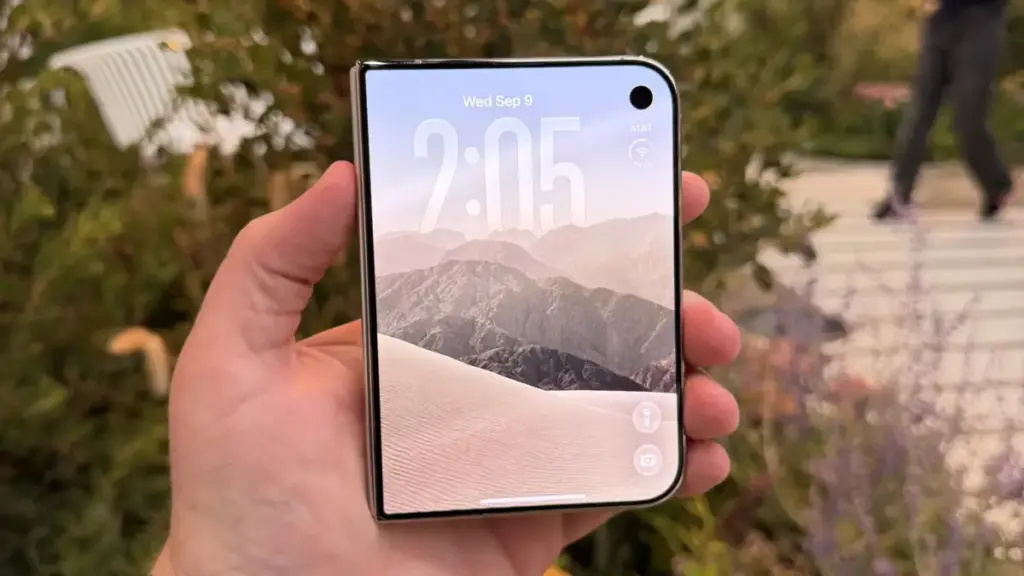
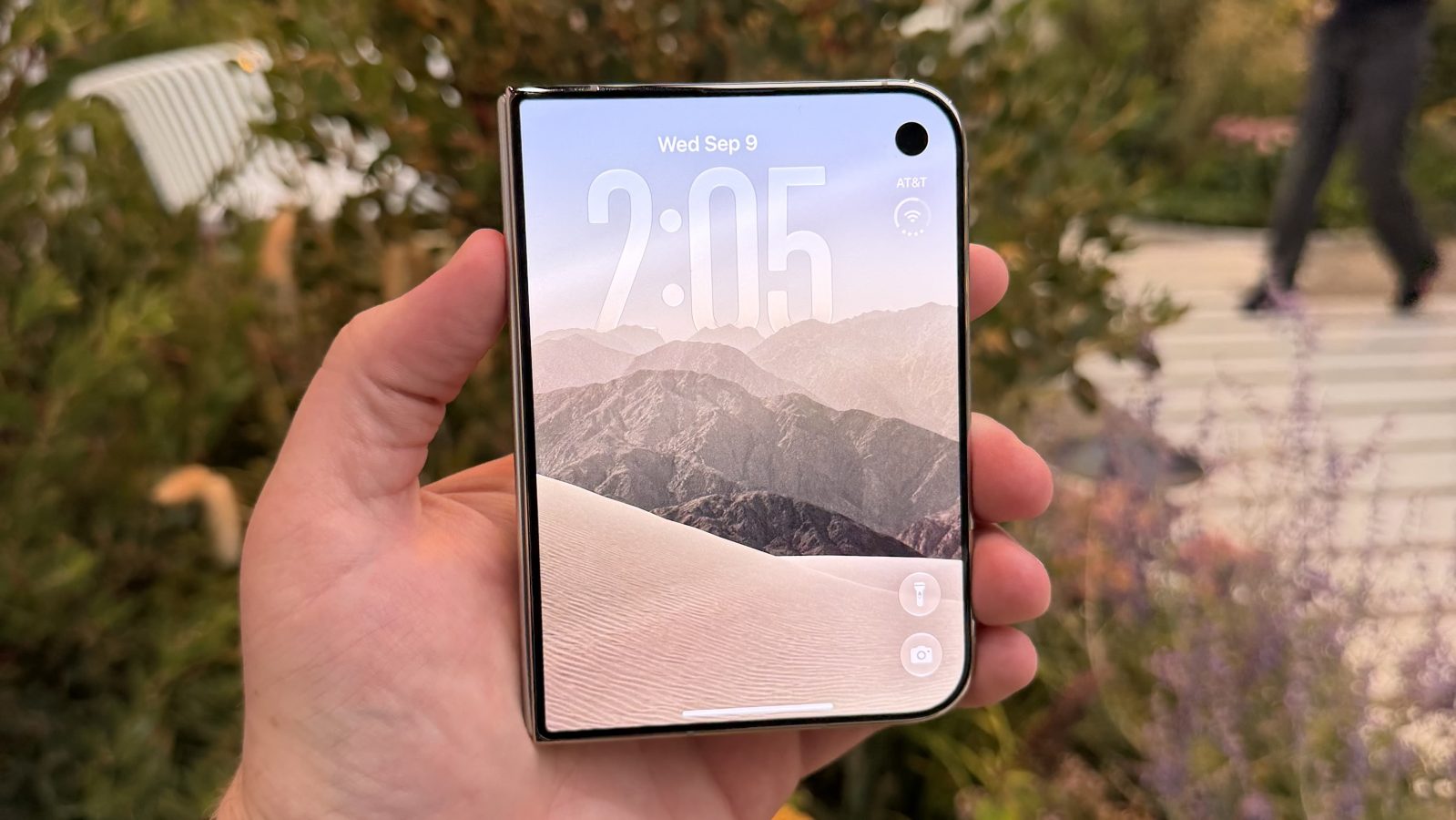
The core of the ergonomic concern lies in the physical architecture of the device. When the iPhone Duo is in its closed, "outer display" mode, the left side of the device features a flat, rigid edge—a necessity dictated by the mechanical requirements of the hinge. Conversely, the right side of the device sports the characteristic curved corners that users have come to expect from modern iPhones. This design choice serves as a visual and tactile cue, inviting the user to open the device like a traditional book, moving from right to left.
Furthermore, software interface elements appear to reinforce this orientation. The dock, which acts as the primary navigational hub for apps, is positioned on the right side of the display. As of now, Apple has not confirmed whether there will be a specific accessibility setting that allows users to mirror the interface or move the dock to the left side of the screen. For a left-handed user holding the phone in their left hand, reaching across the entire width of the display to interact with the dock could become a recurring point of friction.
This has sparked a broader conversation about whether Apple’s design team prioritized aesthetic symmetry over functional inclusivity. In an era where user experience (UX) is paramount, the inability to easily customize the interface for left-handed use could be seen as a notable oversight. While right-handed users will naturally find the device intuitive, those who are left-handed are left wondering if they will have to adjust their natural habits to accommodate the hardware, rather than the hardware adjusting to them.
Examining Real-World Usage: The Byte Review Test
The lack of official information regarding accessibility features has led many to turn to early adopters and reviewers for answers. Recently, a video posted by Tom Hitchins, known as @bytereview on Instagram, provided the first real-world look at how the device handles left-handed interaction. The video has become a focal point for prospective buyers, as it is one of the few instances where someone has attempted to navigate the device in a non-traditional way.
In the clip, Hitchins demonstrates the iPhone Duo while using his left hand. While he is able to operate the device, his movements appear slightly tentative. However, it is essential to contextualize this demonstration: Hitchins later clarified in the comments section that he is, in fact, right-handed. His attempt to use the device left-handed was an experiment intended to provide clarity for his followers, rather than a reflection of his own daily habits.
The consensus from the video is that the device "works well enough," provided the user is willing to stretch their thumb across the display to reach the right-aligned dock. For many, this confirms that while the device is not physically unusable for left-handed individuals, it may not offer the seamless, one-handed experience that Apple users have grown accustomed to. The adjustment period for a left-handed user might involve a learning curve, or perhaps the adoption of a two-handed grip that, while effective, might negate the convenience of a compact, foldable smartphone.

The Complexity of Personal Ergonomics
The debate over the iPhone Duo highlights a broader truth about consumer electronics: ergonomic comfort is deeply personal. Hand size, grip style, and prior experience with different smartphone form factors all influence how a device feels. A user with larger hands may find the reach to the right-side dock to be a non-issue, whereas someone with smaller hands may find it cumbersome regardless of which hand they use.
Interestingly, the challenge of left-handed use is not limited to those who are left-handed. There is a large demographic of right-handed users who habitually hold their phones in their left hand, often to keep their dominant hand free for tasks like writing, drinking, or operating a mouse. For these users, the iPhone Duo presents a unique dilemma. They are accustomed to the efficiency of using their non-dominant hand for phone navigation, but the right-handed optimization of the Duo might force them to switch their habits.
For these users, the transition to using a phone in their right hand will be a significant adjustment. As one observer noted, the "muscle memory" developed over years of smartphone usage is difficult to overwrite. Whether the benefits of the foldable display will outweigh the frustration of changing one’s grip remains to be seen.
The Importance of Hands-On Experience
Given the subjective nature of these ergonomic concerns, the most prudent advice for any potential buyer—left-handed or otherwise—is to wait for the device to hit retail shelves. Testing the iPhone Duo in an Apple Store will likely be the only definitive way to gauge whether the device fits an individual’s specific needs. Physical handling allows for an assessment of weight distribution, hinge tension, and the tactile experience of the outer display that no video or written review can fully replicate.

Apple’s retail environment is specifically designed to facilitate this kind of exploration. By spending a few minutes with a demo unit, users can see if the software interface feels intuitive or if the physical dimensions of the phone create an unnecessary barrier. If the current software does indeed lack a "left-handed mode," those who find the device uncomfortable will have to decide if they are willing to accept the compromise in exchange for the foldable technology.
Looking Ahead to the October Launch
As the launch date draws near, the conversation around the iPhone Duo will likely shift from initial ergonomic concerns to actual user experiences. Once the device is in the hands of the public, we will gain a much clearer picture of how it performs in diverse, real-world scenarios. We may find that iOS 18 (or the version shipping with the Duo) includes hidden accessibility features that haven’t been highlighted in promotional materials, or that users find creative workarounds for the interface layout.
For now, the ambiguity surrounding the device only adds to the mystery and anticipation. Whether the iPhone Duo will be remembered as a triumph of hardware design that demands a slight shift in user behavior, or as a device that needed further refinement for inclusivity, remains to be seen. What is clear is that the tech community is watching closely.
For those who are currently deciding whether to pre-order, the best course of action is to stay informed. As more reviews emerge and as the public gets their hands on the device in October, the "left-handed question" will be answered with the only thing that truly matters: actual, daily usage. Until then, the debate continues, reflecting the high stakes and high expectations surrounding Apple’s most ambitious hardware project in years. Whether you are left-handed or simply a right-handed user who prefers the left-hand grip, the arrival of the iPhone Duo will surely be a landmark moment in mobile technology, forcing us to rethink how we hold, use, and interact with the devices that have become extensions of our daily lives.