








For many smartphone users, the native Phone app has long felt like a legacy utility—a functional but largely static tool that hasn’t seen the same level of innovation as the rest of the iOS ecosystem. However, in recent years, Apple has begun to aggressively modernize the calling experience. Through a series of strategic updates introduced in iOS 26 and the upcoming enhancements arriving with iOS 27, the company is shifting the Phone app from a simple dialer into an intelligent, proactive assistant designed to reclaim our time and simplify our interactions with businesses.
While the modern smartphone is primarily a pocket computer, the fundamental act of making a voice call remains a necessary, if often frustrating, component of daily life. Between the endless cycle of spam calls and the tedious experience of waiting on hold, the traditional telephone call is ripe for disruption. Apple’s latest software initiatives directly target these pain points, utilizing the power of on-device intelligence to mitigate the annoyances that have plagued mobile telephony for decades.
Mastering the Art of Waiting with Hold Assist
One of the most significant quality-of-life improvements introduced in iOS 26 is the feature known as Hold Assist. We have all experienced the irritation of calling a customer service line, navigating a labyrinthine automated menu, and finally being placed on hold, only to listen to repetitive, distorted music for an indefinite period. This process is not only time-consuming but also requires the user to remain tethered to the device, constantly monitoring the call to ensure they don’t miss the moment an agent finally answers.

Hold Assist fundamentally changes this dynamic by leveraging the device’s processing capabilities to monitor the audio stream of a call. When the system detects that you have been placed on hold, it signals its readiness to help. Upon detection, a subtle but effective pop-up appears on the user’s screen, offering the option to enable the feature. Once activated, the user is effectively liberated from the call. They can set the phone down or even navigate away to perform other tasks, secure in the knowledge that the device is "listening" for the return of a human voice. When the representative on the other end of the line finally returns to the call, the iPhone provides a proactive notification, alerting the user that it is time to pick the phone back up.
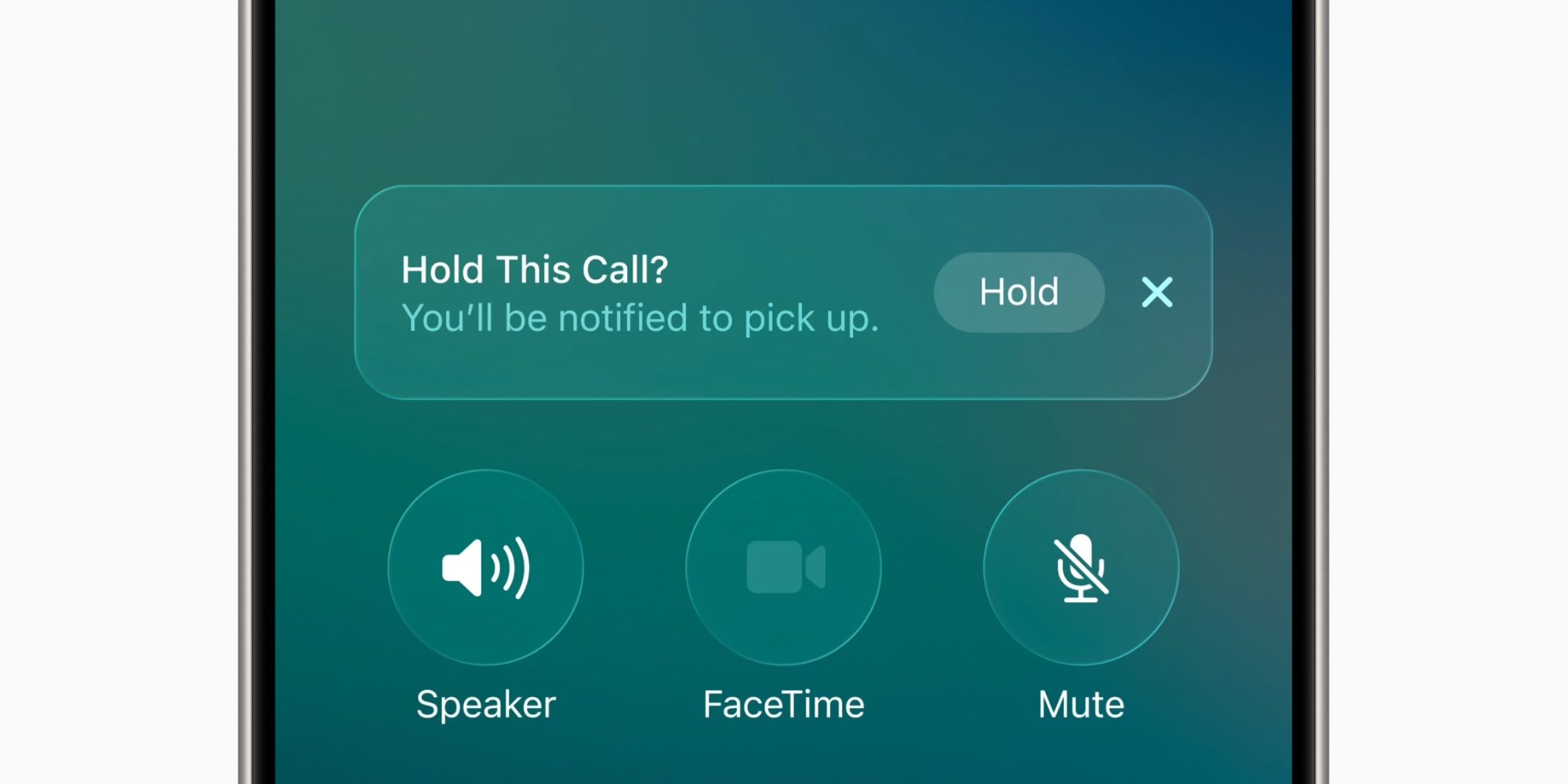
This feature represents a sophisticated application of ambient intelligence. It does not require a cloud connection to transcribe your entire conversation; rather, it performs the necessary analysis locally to identify the acoustic signatures associated with being on hold. For users looking to utilize this, the setting is located within the Settings app under the Apps menu, specifically within the Phone section. By toggling "Hold Assist Detection" to the on position, users can reclaim minutes, if not hours, of their time previously lost to the hold music abyss.
Combating the Spam Epidemic via Call Screening
If Hold Assist solves the problem of waiting, Call Screening—also introduced in iOS 26—tackles the pervasive issue of unwanted interruptions. In an era where spam calls have reached an all-time high, the utility of a standard ringer has been significantly compromised. Many users now find themselves ignoring legitimate calls simply because they originate from unknown numbers, fearing that answering will only confirm their line is active and lead to an influx of further solicitations.
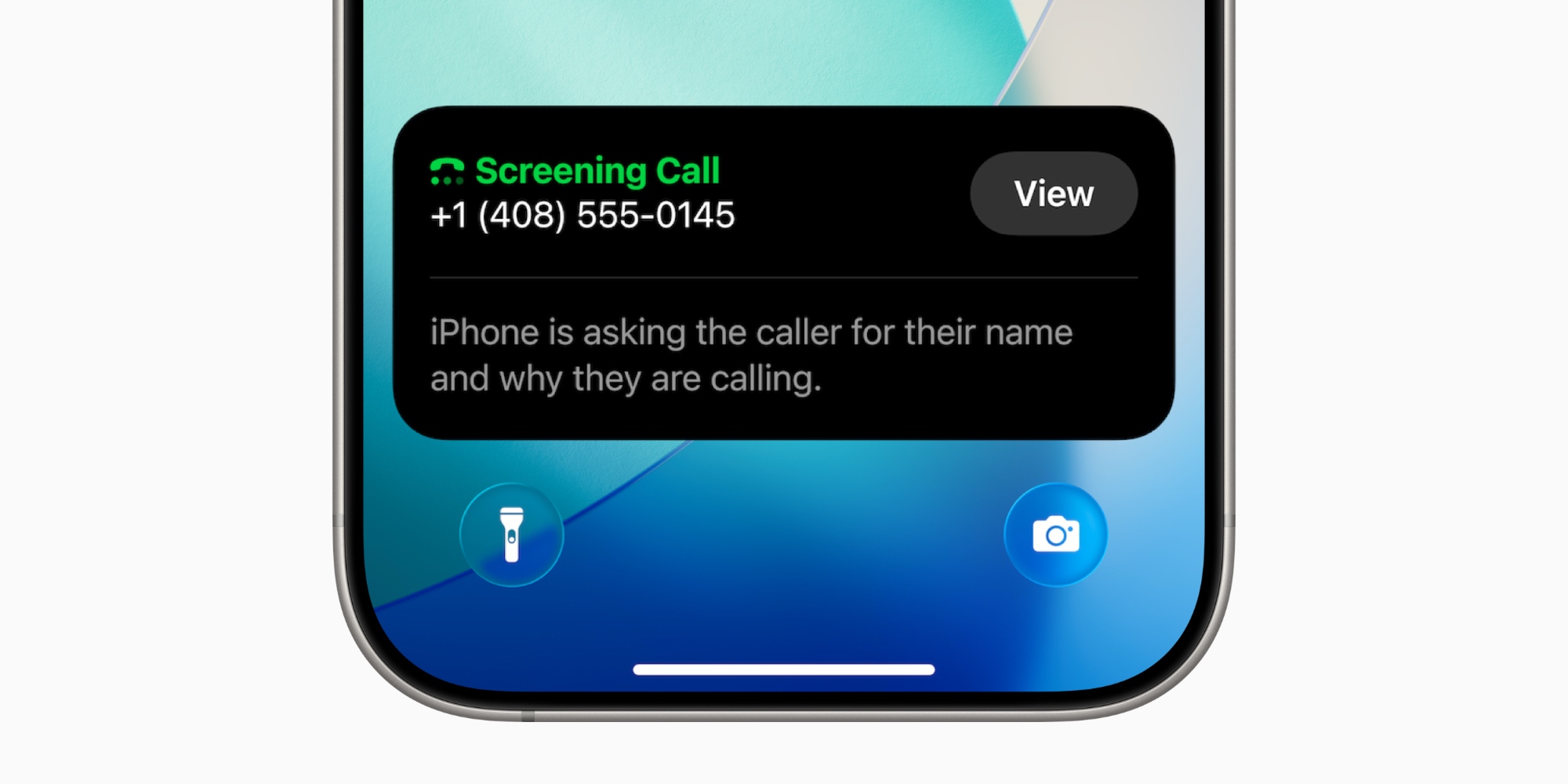
Call Screening acts as a digital gatekeeper, providing a layer of verification before the phone even rings. When an incoming call arrives from an unsaved number, the system automatically prompts the caller to identify themselves and state the reason for their call. This process happens in real-time, and the resulting information is presented to the user directly on the Lock Screen. Instead of a generic "Unknown Caller" notification, the user is presented with a brief explanation from the caller.
This empowers the user to make an informed decision: they can choose to answer the call if the context is relevant, or, if it is clearly an automated marketing attempt, send it directly to voicemail with a single tap. By forcing the caller to provide context, Apple has restored the value of the "Unknown" notification, transforming a source of anxiety into a manageable data point. Like Hold Assist, this feature can be managed in the Settings app under the Phone menu, and it is widely considered an essential tool for anyone struggling with the modern nuisance of robocalls.
Enhancing Productivity with Call Context in iOS 27
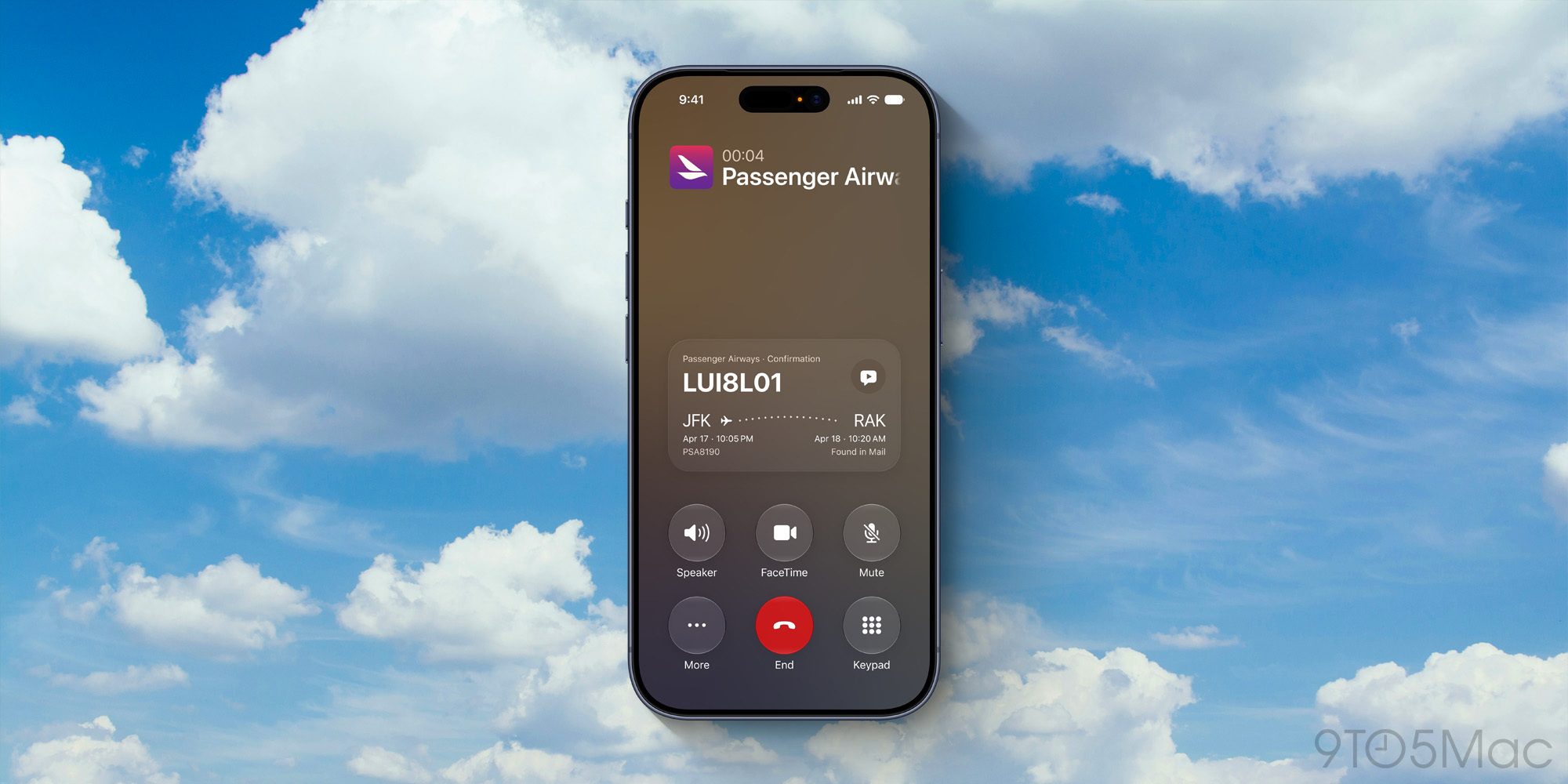
Looking ahead to the release of iOS 27 next month, Apple is preparing to take this intelligence a step further with a feature called Call Context. While Hold Assist and Call Screening focus on the mechanics of the call itself, Call Context focuses on the information necessary to make that call productive. This new addition, powered by Apple Intelligence, aims to solve the common frustration of being caught unprepared when a customer service representative finally answers.
Often, when calling a business, we are required to have specific details ready—such as an order number, a confirmation code, or a support ticket reference. Searching through emails or digital receipts while frantically trying to communicate with a representative can be a stressful and inefficient process. Call Context proactively mitigates this by bridging the gap between the Phone app and the rest of the user’s digital life.

For instance, if a user initiates a call to an airline to address a flight issue, the iPhone will intelligently scan the user’s Mail app to locate relevant booking information. During the call, the system will surface the confirmation code directly on the screen, ensuring the user has the necessary information at their fingertips before they are even asked for it. Similarly, if a user calls a retailer regarding a recent purchase, the device will pull up the relevant order number and associated details, presenting them in a clean, non-intrusive interface.
Crucially, this feature is built with privacy at the forefront. The system does not listen to the content of the conversation to "understand" what you are saying; rather, it uses the metadata of the call—specifically the number being dialed—to cross-reference relevant information stored on the device. It looks at who you are calling to provide context, not what you are saying, ensuring that the personal nature of the conversation remains protected.

Call Context is currently slated for the iPhone 15 Pro and later models, reflecting the hardware requirements for the advanced on-device processing necessitated by these new intelligence features. As iOS 27 moves through its final testing phase with developers and public beta participants, the integration of these tools marks a significant step forward in Apple’s broader strategy to make the iPhone a more proactive, context-aware companion.
The evolution of the Phone app is a testament to the fact that even the most fundamental tools of communication can be revolutionized through thoughtful software design. By addressing the specific friction points of holding, spam, and preparation, Apple is not just improving an app—it is improving the way we interact with the world through our devices. For the average user, these tools represent a long-overdue reclamation of control, turning the daily necessity of phone calls into a far more manageable and efficient experience. As we look toward the wider release of these features in the coming weeks, it is clear that the future of mobile communication is becoming significantly more intelligent.