









The long-standing speculation surrounding Apple’s hardware roadmap appears to be nearing a definitive conclusion. For years, the tech community has wondered when, or if, Apple would ever break its self-imposed barrier against touchscreen laptops. According to recent reports from Bloomberg, that wait may finally be reaching its end, as the company is reportedly preparing for a significant product unveiling scheduled for late October.
Mark Gurman, citing sources familiar with Apple’s internal plans, has indicated that the company is targeting a debut "on or around" October 27. While this remains a fluid window rather than a set-in-stone date for a keynote, it represents the most concrete timeline yet for the arrival of a device that has been the subject of rumors since 2023. This potential launch would signal a massive shift in Apple’s computing philosophy, bridging the gap between its highly successful macOS ecosystem and the tactile, interactive nature of its iPad lineup.
The Evolution of the Touchscreen MacBook
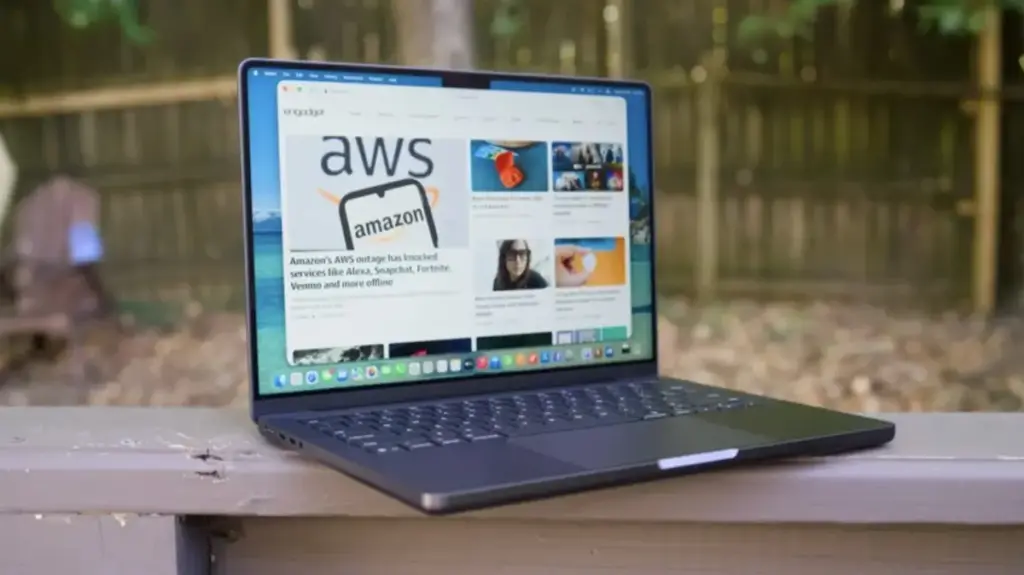
The rumors concerning a touchscreen MacBook Pro have been circulating for years, often met with skepticism by industry analysts who pointed to Apple’s historical insistence that the iPad and Mac serve distinct purposes. However, the narrative has shifted significantly in recent months. Reports suggest that the new device—frequently referred to in tech circles as the "MacBook Ultra"—will not simply be a traditional laptop with a digitizer slapped onto the screen. Instead, it is expected to feature a highly sophisticated dynamic interface.

This adaptive interface is designed to recognize and respond to different modes of input. Whether the user is utilizing a trackpad and keyboard, an external peripheral, or direct touch, the system is reportedly engineered to adjust its UI elements to facilitate a seamless experience. This approach aligns with Apple’s design language, which prioritizes usability and intent. By moving into the touchscreen laptop space, Apple is clearly looking to reclaim ground in the premium professional market, where competitors have long offered 2-in-1 hybrid devices and touch-enabled displays.
Regarding the hardware specifications, the consensus is that the device will be powered by Apple’s high-performance M5 Pro and Max chips. Earlier industry analysis suggested that the new M6 architecture might not be ready for the top-tier "Pro" and "Max" chip variants in this release cycle. By sticking with the proven power of the M5 Pro and Max, Apple is likely aiming to ensure that the initial rollout of its touchscreen laptop offers immediate, top-tier performance for creative professionals and power users who require stability alongside innovation.
A Renewed iPad Mini and Refreshed Portables
The October event is shaping up to be a broader showcase of Apple’s hardware ecosystem beyond the headline-grabbing laptop. Among the anticipated announcements is a redesigned iPad Mini. The small-form-factor tablet, which remains a favorite among those who prioritize portability, is expected to receive a significant visual and functional upgrade, most notably the transition to an OLED display.
The move to OLED for the iPad Mini would bring it in line with the high-end display standards now expected across Apple’s premium products, offering deeper blacks, improved contrast ratios, and better power efficiency. This update is likely aimed at keeping the device competitive as a portable powerhouse for reading, note-taking, and mobile creative work.
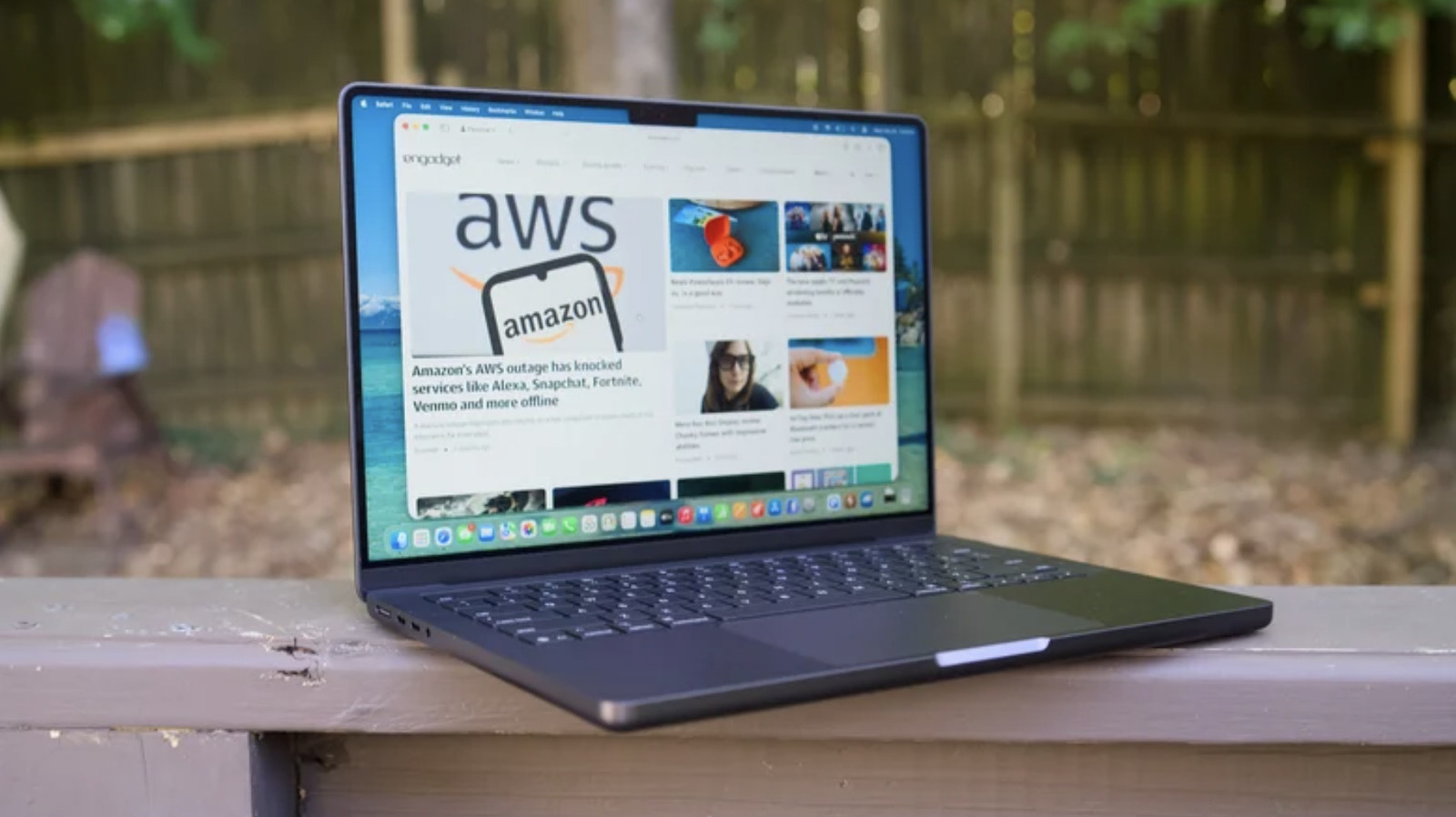
Furthermore, the company is reportedly planning to refresh its more traditional computing staples. Both the 14-inch MacBook Pro and the iMac are slated for internal updates to house the new M6 chip. This follows the successful debut of the M6 processor in the recent Mac mini refresh. By updating these machines, Apple is streamlining its silicon roadmap. Currently, the entry-level 14-inch MacBook Pro operates on the M5 chip, while the iMac has remained on the M4. Integrating the M6 across these lines will likely provide a noticeable boost in speed and energy efficiency, ensuring that the entire Mac family remains at the cutting edge of consumer hardware performance.
A Busy Autumn for Cupertino
The October 27 timeframe is just one part of a remarkably dense autumn schedule for Apple. The company has already laid out plans for an earlier event on October 13, which is expected to focus heavily on the smart home sector. This push into home automation represents a strategic move for Apple as it seeks to deepen its integration into the daily lives of its users.
This string of hardware announcements comes on the heels of a transformative summer for the company, which saw the release of the "iPhone Duo," Apple’s first foray into the foldable smartphone market. The successful launch of that device proved that Apple is willing to experiment with new form factors when the technology reaches a point of maturity that satisfies its rigorous standards.
The combination of the iPhone Duo, the upcoming smart home hardware, and the potential arrival of the touchscreen MacBook suggests that Apple is in the midst of its most aggressive hardware refresh cycle in years. By diversifying its offerings, Apple is attempting to capture new demographics while simultaneously incentivizing its existing user base to upgrade their current hardware.
For consumers and industry observers alike, the late October event is highly anticipated. If these reports hold true, the introduction of a touchscreen MacBook would represent the most significant design departure for the Mac in over a decade. It forces a question about the future of the company’s operating systems: will the line between iPadOS and macOS continue to blur, or will the new "dynamic interface" allow for a unique, touch-first experience that retains the power and complexity of the Mac environment?
As October approaches, the industry remains focused on these developments. While supply chain constraints and internal development shifts can often lead to last-minute adjustments, the current momentum behind these products suggests that Apple is prepared to unveil a new chapter in its computing history. Whether these devices will meet the high expectations set by years of rumors remains to be seen, but the sheer breadth of the rumored launches indicates that Apple is aiming to assert its dominance across every category in which it operates. From the palm-sized iPad Mini to the professional-grade MacBook Ultra, the message from Cupertino is clear: the hardware landscape is set for a major overhaul, and the next few weeks could prove to be a watershed moment for the company and its customers worldwide.