









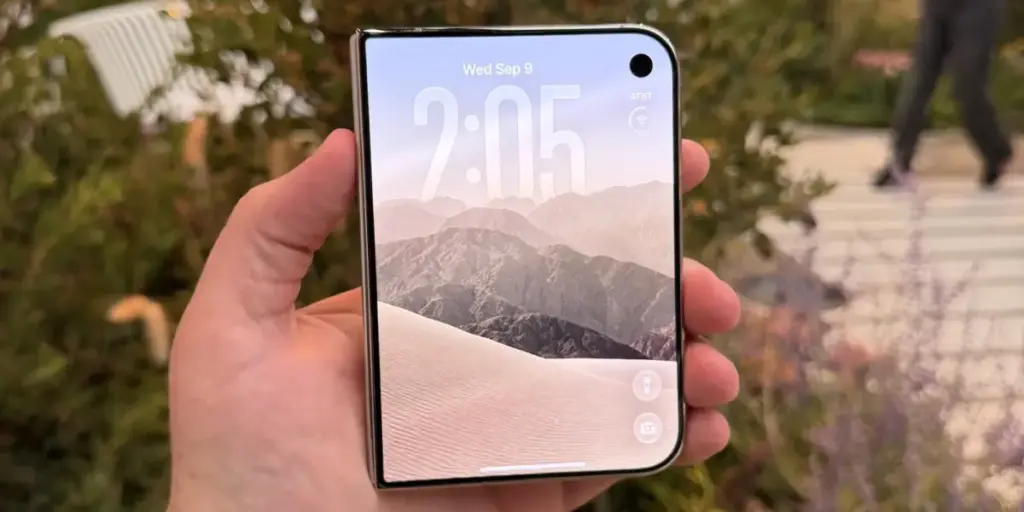
The highly anticipated launch of the iPhone Duo is set for this coming Friday, marking a significant milestone in Apple’s mobile hardware evolution. As excitement builds for the new device, early reviews have begun to surface, providing a comprehensive look at the hardware’s capabilities and design philosophy. However, even as the device prepares to hit shelves, Apple has confirmed that a key software feature designed to optimize one-handed usability—a specialized version of "Reachability"—will not be available at launch. Instead, users can expect this functionality to arrive in a software update scheduled for later this year.
Reachability, a staple of the iOS experience for over a decade, has long been a solution for the growing physical dimensions of modern smartphones. First introduced in 2014 alongside the iPhone 6 and 6 Plus, the feature was Apple’s answer to the challenges posed by increasingly larger displays. As the company moved away from the compact, thumb-friendly form factors of the early iPhone era, users found it difficult to interact with interface elements pinned to the top corners of the screen. The original Reachability solution was elegant in its simplicity: by swiping down on the bottom edge of the screen, the entire user interface would shift downward, bringing the upper portion of the display within easy reach of the user’s thumb.
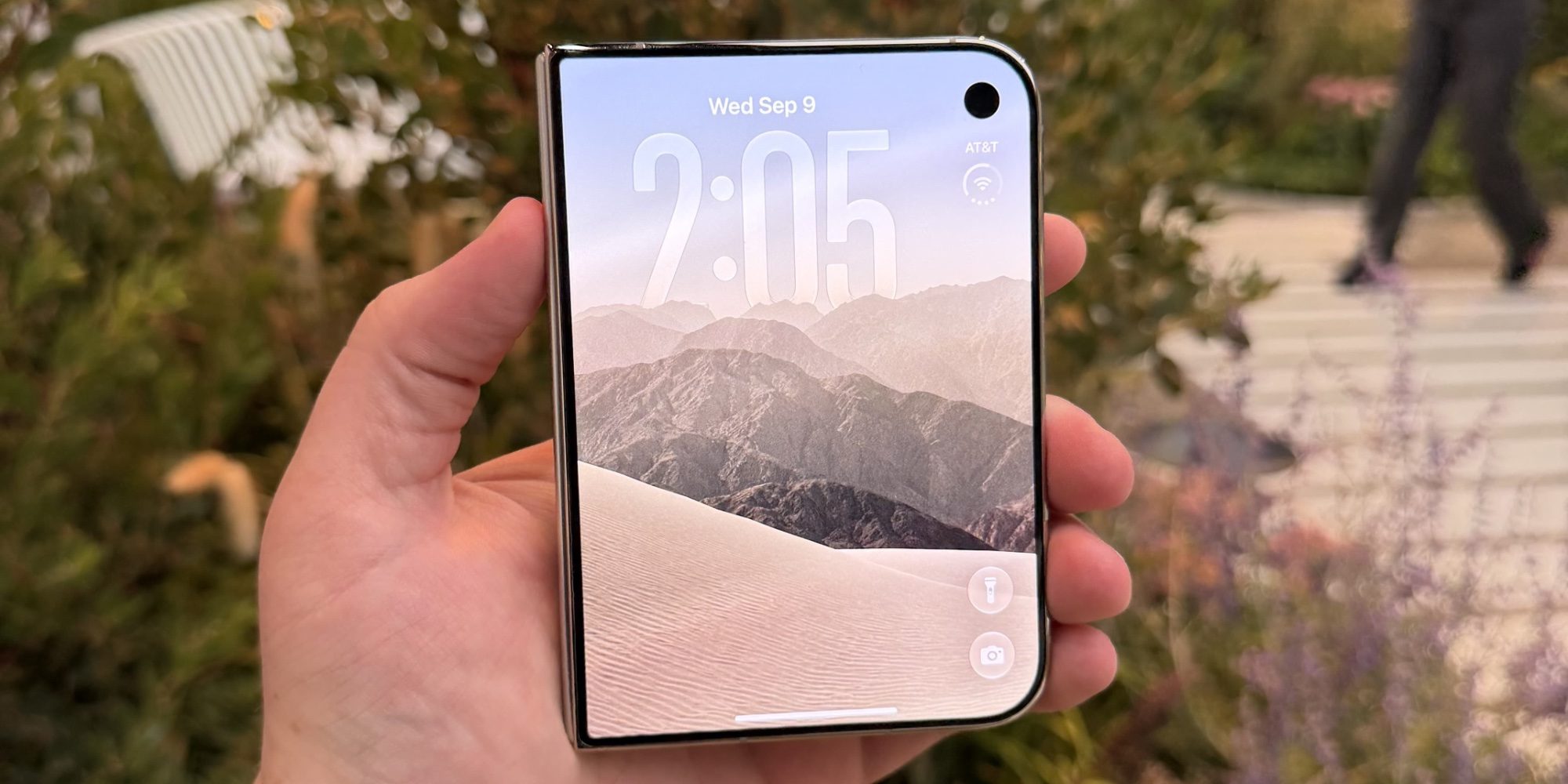
With the launch of the iPhone Duo, Apple is once again reimagining how users interact with their devices, this time focusing on a wider form factor. The design of the iPhone Duo includes both an outer display and an inner folding or dual-screen configuration that presents a broader aspect ratio than any previous iPhone model. Because of this increased width, the traditional vertical-only Reachability gesture—while still useful for the height of the device—does not address the new ergonomic challenge: accessing content on the far left or right edges of the expanded display.

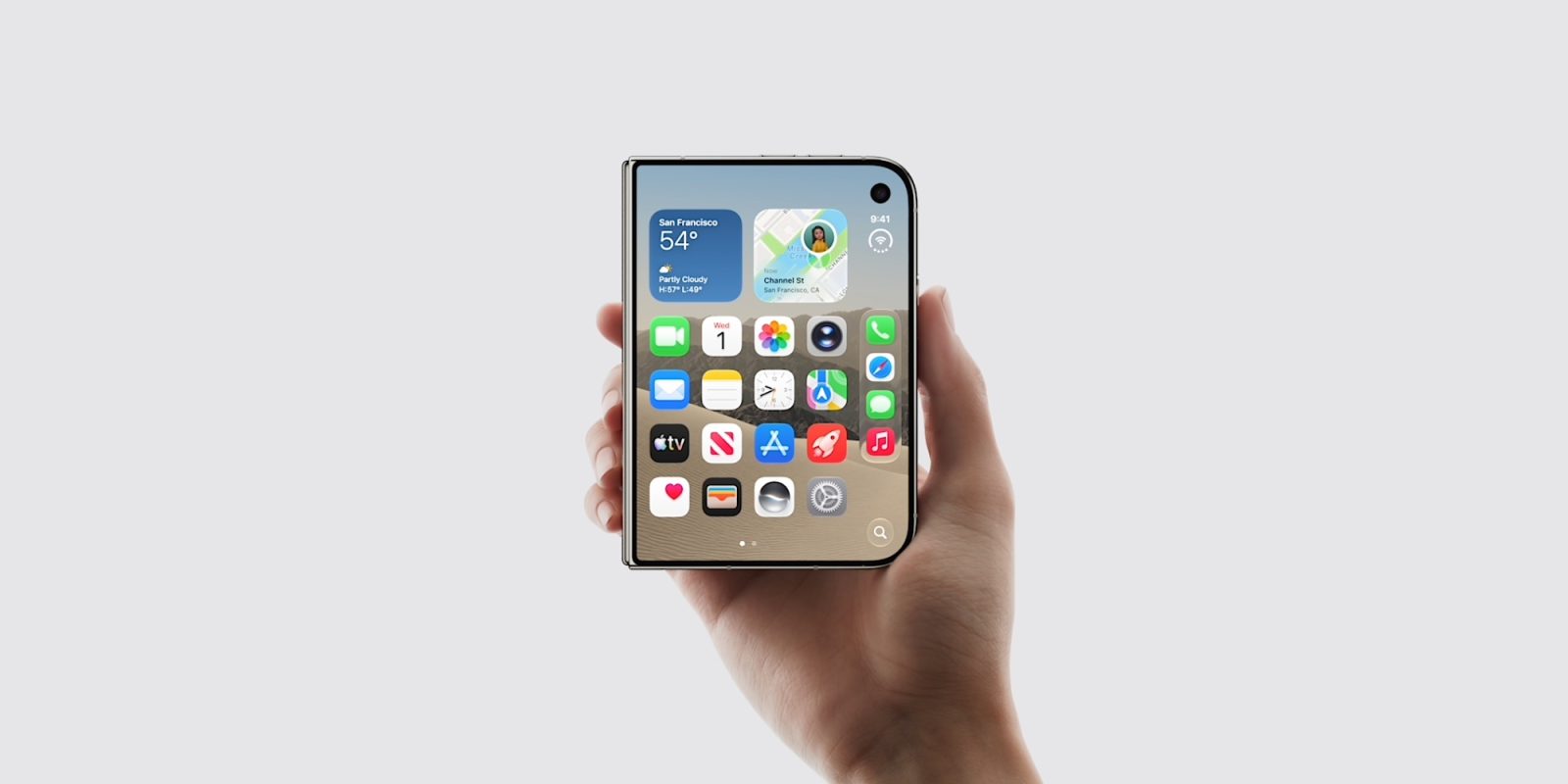
Reports from early reviewers, including those from WIRED and 9to5Mac, have highlighted that the current interface of the iPhone Duo appears to be optimized primarily for right-handed users. This design choice, while functional for a large portion of the population, creates a potential hurdle for left-handed users or those who prefer to swap hands throughout the day. In his recent review, 9to5Mac’s Chance Miller noted the distinct bias in the UI, pointing out that certain navigation elements and interactive zones are positioned in ways that necessitate a wider reach than is comfortable for many users.
To mitigate these ergonomic concerns, Apple plans to introduce a horizontal variation of the Reachability feature. According to Julian Chokkattu of WIRED, the company intends to roll out this update to allow users to pull the interface toward either the left or right side of the screen. By tapping or utilizing a gesture, a user will be able to shrink or shift the active area of the UI horizontally, effectively bringing those hard-to-reach buttons and menus into the center or toward the side of their dominant hand. This shift marks a fundamental change in how Apple approaches accessibility, acknowledging that as device dimensions change, the "reach" of the human hand must remain a primary design constraint.
The delay of this feature until later this year has sparked a conversation among enthusiasts and potential buyers regarding the out-of-the-box experience of the iPhone Duo. For many, the prospect of a device that requires two hands for basic operation is a significant shift from the "one-handed" philosophy that Apple has championed since the inception of the iPhone. While the upcoming software update promises to alleviate these concerns, it leaves early adopters to navigate the wider display without the aid of this specialized accessibility tool for the first few months of ownership.
The reliance on software to solve hardware-induced ergonomic issues is a recurring theme in the history of smartphone design. As displays have moved toward edge-to-edge designs and larger, wider, or foldable configurations, the role of operating systems in compensating for physical limitations has become increasingly critical. The iPhone Duo is the latest vessel for this balancing act, as Apple attempts to provide the benefits of a larger screen—such as increased productivity, better media consumption, and a more immersive user interface—without sacrificing the comfort that defined its earlier, smaller devices.
The implementation of horizontal Reachability also raises questions about how iOS will adapt to accommodate these shifts. It is expected that the feature will be context-aware, perhaps detecting which hand is holding the device or allowing for a manual toggle to snap the interface to the desired side. This level of customization would be a departure from the static vertical shift of the traditional Reachability, potentially offering a more fluid experience for users who are constantly adjusting their grip.
For those who have already pre-ordered the iPhone Duo or are planning to purchase it upon its Friday release, the absence of this feature is an important consideration. While the hardware itself is being lauded for its build quality and display technology, the user experience will be in a state of transition until the forthcoming software update is deployed. Apple has not yet provided a specific date for this update, other than a general timeline of "later this year," suggesting that it remains in the final stages of refinement.

As the tech community continues to weigh in on the iPhone Duo, the discourse remains focused on whether the device’s benefits outweigh the physical challenges of its size. For many, the promise of a more ergonomic software environment is enough to bridge that gap. The addition of horizontal Reachability is a clear signal that Apple is listening to feedback regarding the device’s width and is committed to ensuring that the iPhone remains accessible to users regardless of their hand size or dexterity.
Ultimately, the success of the iPhone Duo may depend as much on these nuanced software updates as it does on the hardware itself. By evolving the concept of Reachability, Apple is demonstrating its ability to iterate on fundamental interaction models to keep pace with modern display trends. As users begin to integrate the device into their daily routines this week, the industry will be watching closely to see how the current interface performs and how eagerly the user base anticipates the arrival of the promised horizontal reach features. Whether these changes will be enough to satisfy those concerned about one-handed utility remains a point of speculation, but the focus on this specific aspect of the user experience underscores Apple’s dedication to ergonomic design in an era of ever-growing mobile screens.