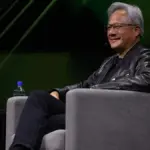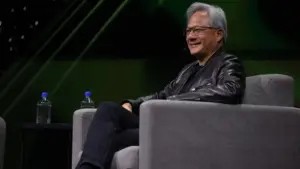








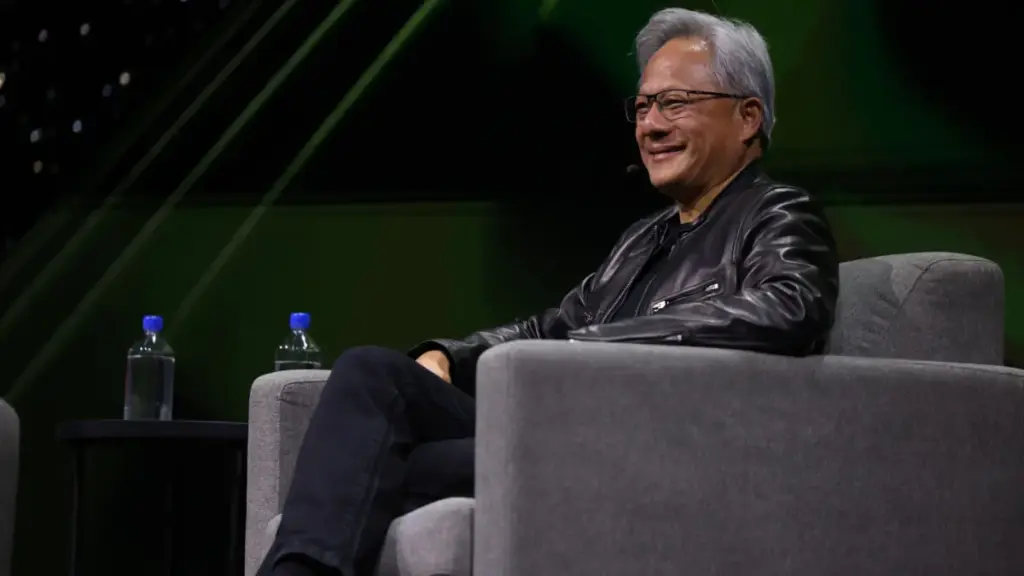
The unexpected departure of Nvidia CEO Jensen Huang has sent sudden ripples through the technology and telecommunications sectors, introducing a layer of geopolitical intrigue and corporate uncertainty to an industry increasingly reliant on the chipmaker’s hardware. As major telecom operators and cable providers forge ahead with extensive artificial intelligence initiatives, the sudden vacancy at the top of the world’s most dominant AI hardware supplier raises crucial questions about long-term execution, leadership succession, and market stability.
Huang’s exit arrives at a particularly critical juncture for telecommunications companies, which have woven Nvidia’s powerful processing units directly into the fabric of their next-generation network architectures. Over recent years, telecom operators worldwide have pivoted aggressively to embrace artificial intelligence, transforming traditional infrastructure to unlock new business revenue streams and enhance network efficiency.
Chief among these adopters are the world’s two largest cable operators, Charter Communications (operating under the Spectrum brand) and Comcast, both of which are actively developing edge-computing businesses powered by Nvidia silicon. These legacy broadband providers are effectively repurposing existing real estate, cooling systems, power grids, and high-capacity connectivity housed within their extensive networks of headends and hub sites. By transforming these distribution nodes into decentralized micro-data centers, cable operators are bringing high-performance AI processing closer to the end consumer.
At the recent SCTE TechExpo event in Atlanta, Spectrum showcased several practical use cases for this edge strategy, demonstrating live deployments that are already operational in the market. With access to more than 1,000 edge sites across its footprint, Spectrum’s demonstrations highlighted how distributed AI can handle demanding workloads locally rather than routing all traffic back to centralized cloud facilities. Comcast has similarly championed an edge-first philosophy, utilizing advanced machine learning models to optimize network traffic, enhance predictive maintenance, and roll out sophisticated video and broadband services.
Other major telecom players have deeply integrated Nvidia technology into their operational roadmaps. Verizon has launched multiple strategic initiatives leveraging Nvidia chips, embedding the silicon directly into 5G private networks and multi-access edge computing (MEC) architecture. These deployments form a foundational pillar of Verizon’s broader AI Connect strategy, which aims to handle heavy enterprise workloads with ultra-low latency. Meanwhile, AT&T took a significant step in March by joining forces with Cisco and Nvidia to support a comprehensive AI edge platform designed specifically for enterprise customers requiring robust, secure, and scalable data processing at the network perimeter.
Given the depth of these integration efforts, industry stakeholders are closely monitoring whether Huang’s departure will trigger immediate turbulence or cause delays in product rollouts. Despite the undeniable shock of losing a visionary leader who built Nvidia into a multi-trillion-dollar juggernaut, financial analysts suggest that immediate operational disruptions are unlikely.
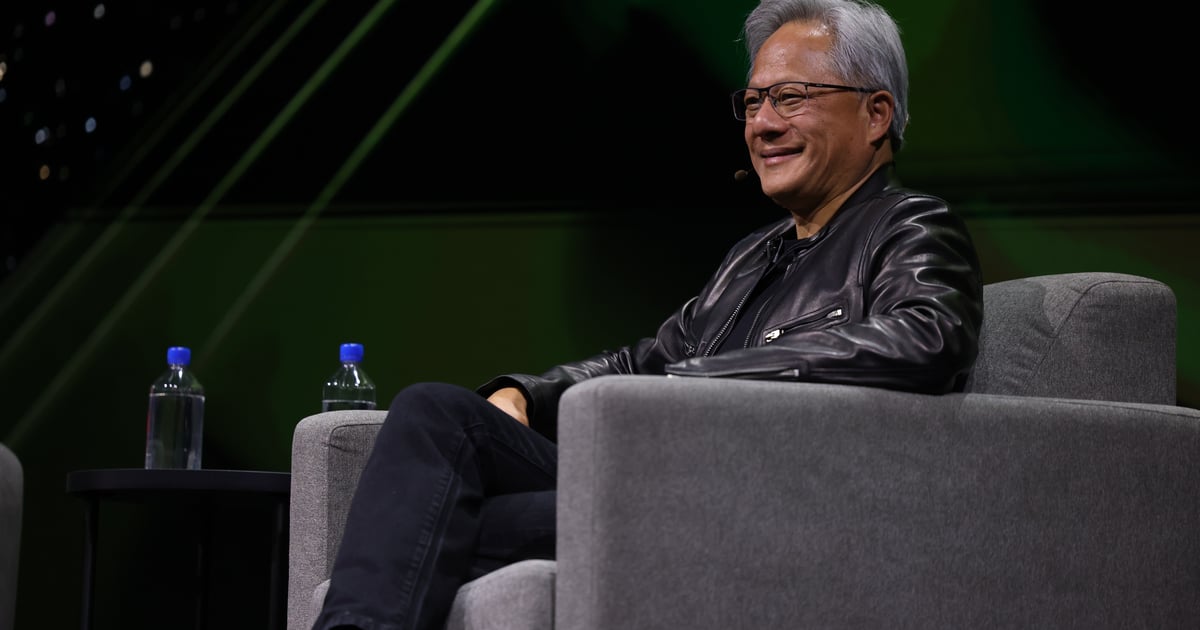
Simon Leopold, an analyst at Raymond James, noted in a recent research note that there is "limited reason" to assume near-term disruptions will plague Nvidia’s existing customer commitments or derail its carefully mapped product roadmaps. Leopold pushed back against the narrative that Huang is entirely irreplaceable, emphasizing that Nvidia is "not a one-man-band" and that its overarching fundamental business outlook "remains intact" despite the sudden leadership void.
With Huang out of the picture, however, Nvidia’s board faces a high-stakes decision regarding permanent leadership. Selecting a solid, long-term, and trustworthy chief executive officer will be crucial for maintaining investor confidence and sustaining the company’s aggressive innovation pace. Colette Kress, Nvidia’s chief financial officer and interim CEO, has been a steady hand at the company since 2013, though it remains undetermined whether she will officially enter the running for the permanent position.
The high-profile nature of Nvidia’s business has also drawn immediate commentary from prominent public figures and industry leaders, highlighting the company’s central role in the broader national and global economy.
President Donald Trump, who maintained a close working relationship with Huang amid growing recognition of AI’s critical importance to U.S. economic and national security, took to social media to weigh in on potential successors. While he heaped praise on the departing co-founder for a stellar tenure, Trump suggested an unexpected candidate for the role: former Apple CEO Tim Cook. Writing on social media, Trump remarked that "NOW THAT Nvidia CEO JENSEN HUANG, who has done a fantastic job, has resigned, there is only one man to take his place – TIM COOK of Apple. A Legend replaces a Legend!"
Meanwhile, alternative tech titans have also eyed the sudden availability of top-tier talent. Elon Musk indicated that he could potentially harness Huang’s deep technical expertise following the corporate consolidation of SpaceX and xAI. Prior to the formal announcement of Huang’s resignation, Musk posted on X that it would "be an honor" to hire the longtime chip executive, signaling the intense competition and admiration surrounding leadership figures in the artificial intelligence space.
As the dust settles on Huang’s departure, the immediate focus for telecom operators, enterprise clients, and financial markets will remain on Nvidia’s ability to maintain execution discipline. While the geopolitical undertones and sudden leadership change introduce unfamiliar volatility, the foundational demand for edge computing, 5G private networks, and localized AI infrastructure ensures that the technological momentum driving these cable and telecom strategies will continue unabated.