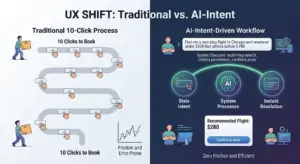










We frequently hear about shiny new tools promising to revolutionize our workflows yet again. From standalone productivity apps to complex AI-first platforms, the tech industry loves introducing standalone solutions designed to change everything. But in practice, most people simply do not need more tools to juggle in their daily lives. What workers and consumers actually need are better, more intuitive integrations of useful capabilities that neatly align with their existing and established mental models.
Users rarely get excited about navigating complicated terminal commands, jumping between endless back-and-forth chat interactions, or adopting flashy new "smart" workflows that require entirely new habits. Instead, they require seamless integrations of functional features designed to address problems characterized by high severity, high frequency, and high levels of frustration. When software designers focus on introducing new applications rather than embedding capabilities where work already happens, they risk adding to user fatigue rather than solving core productivity bottlenecks.
The debate over how artificial intelligence should enter our digital environments highlights this tension. For years, the industry has pushed toward "AI-first" products. While these systems might accelerate certain types of production, they often overlook a fundamental reality: we first need to understand what we actually want to build and how people actually work. AI-first products frequently fail to account for years of small and large design decisions that have shaped user expectations and mental models over a long period.
By contrast, an alternative design philosophy is gaining traction among UX experts—the concept of "Quiet AI." These are digital tools that remain largely invisible, sitting quietly in the background to execute small, repetitive tasks on the user’s behalf. They never scream for attention. Instead, they happily assist with the tedious, frustrating chores that can easily be automated or streamlined with a smart helper.
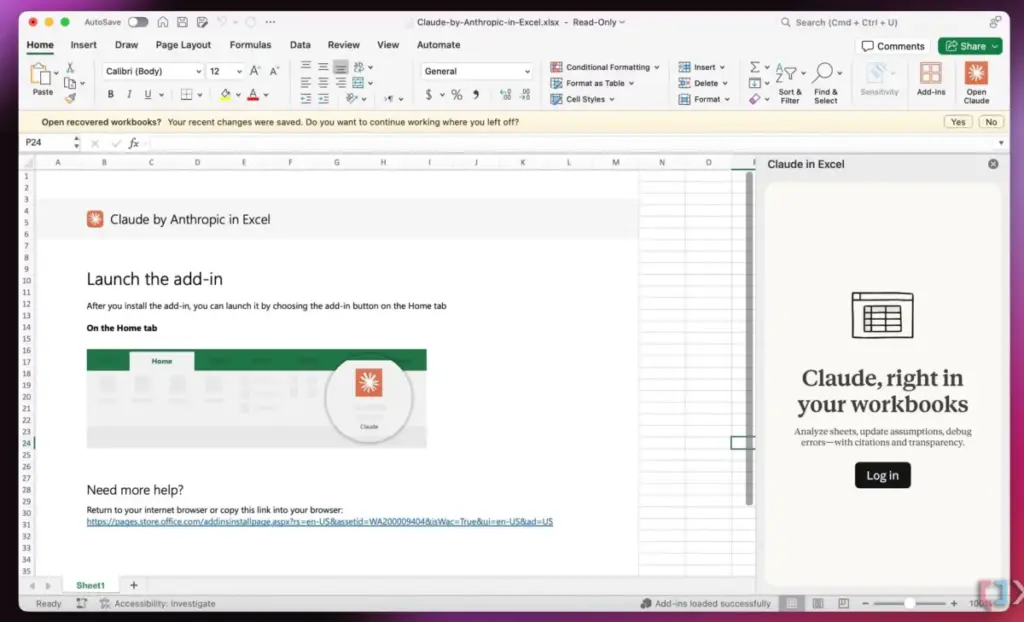
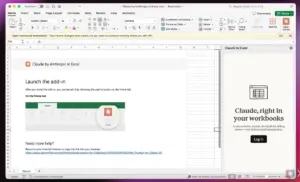
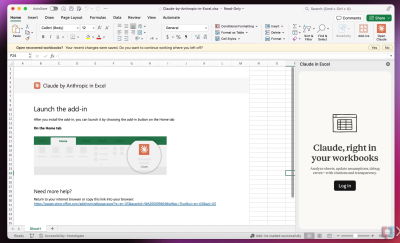
Prime examples of Quiet AI in action include native integrations such as Claude embedded directly within Microsoft Excel, PowerPoint, and Word. Rather than forcing users to copy, paste, and switch between separate windows or browser tabs, these integrations provide contextual assistance right where the user is already working. Users can study specific rows, columns, or paragraphs in their native document environment without experiencing the cognitive disruption of constantly changing tools.
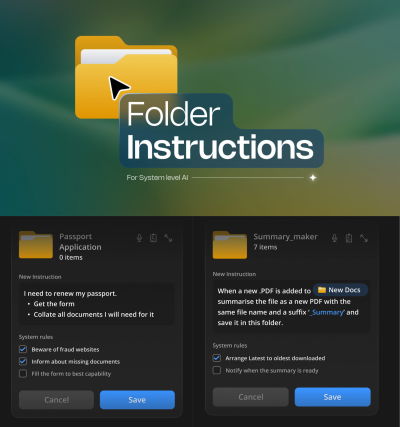
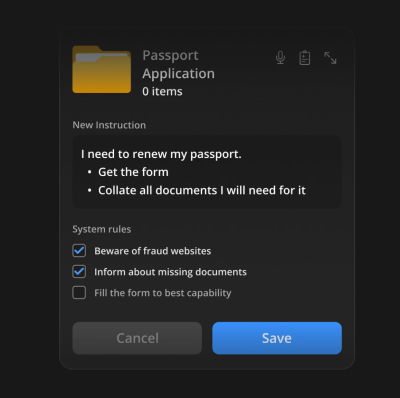
This growing preference for context-aware automation brings attention to innovative interface concepts, such as system-level folder instructions. Originally explored in system design discussions by interface researchers like Karthikeya GS, folder instructions allow users to define what a specific folder is supposed to do based on the precise purpose for which it was created. While the term might sound technically complex, the underlying idea is straightforward and deeply practical.
Through folder instructions, users can define a folder’s overarching intent, how files should be organized within it, how sub-folders should behave, and what automated actions can happen inside its boundaries. Instead of manually maintaining and sorting files day after day, a user can set the intent once and let the operating system or system-level AI follow those rules automatically.
This represents a seamless integration of helpful digital assistants right when and where users want and need them. Permissions and automated actions remain locally scoped to that specific folder on the user’s machine unless the user explicitly chooses to extend access, permissions, or system rules. Whether it is automatically summarizing incoming PDF documents the moment they are dropped into a research directory or managing the paperwork for a complex administrative process like a passport application, these systems handle routine execution where the work actually happens.
The overarching frustration for modern digital workers stems from having to juggle multiple applications, disparate views, and scattered sources every few minutes. This fragmentation slows people down, breaks their concentration, and creates fertile ground for preventable errors. True value does not emerge from forcing users to adopt yet another standalone dashboard; it comes from helping them complete their necessary tasks by reducing friction, eliminating slowdowns, and shouldering the weight of repetitive tasks that would otherwise consume excessive time and effort.
Ultimately, seamless integrations represent an underused yet incredibly impactful way to deliver rapid value. They allow developers to introduce powerful capabilities without placing the heavy burden of installing, learning, and managing yet another tool onto the end user. As the software industry continues to experiment with interface paradigms and artificial intelligence, the overarching lesson for product designers remains clear: success lies not in building louder, flashier tools, but in quietly embedding helpful capabilities directly into the workflows and mental models people already rely on every single day.