









When modern gamers think of Mario, the iconic red-capped plumber is almost invariably associated with the sprawling, colorful kingdoms of Super Mario Bros., the 1985 masterpiece that redefined platforming. Yet, for those who recall the early days of the medium, the plumber’s true origin lies not in a fantasy world of floating bricks and fire flowers, but in the gritty, claustrophobic confines of a sewer system. Before he was a global mascot, Mario was a blue-collar worker dealing with an infestation of pests in a backroom, and remarkably, that 40-year-old arcade experience remains as compelling and deceptively simple today as it was upon its debut.
Nintendo first unleashed Mario Bros. in arcades in July 1983. While the character had already made his mark in the 1981 hit Donkey Kong, Mario Bros. served a dual purpose: it provided the character with a formal identity and, more importantly, introduced his sibling, Luigi. This addition was not merely a narrative choice; it was a stroke of mechanical brilliance. By enabling two-player cooperative action, the developers essentially doubled the revenue potential of every arcade machine, as friends and siblings could finally tackle the challenge simultaneously. In many ways, the modern gaming landscape owes a debt to the simple, economic necessity of arcade-era capitalism.
The core gameplay of Mario Bros. shares a distinct DNA with the 1982 arcade classic Joust. Unlike the later Super Mario Bros., where momentum and precise platforming are key, Mario Bros. focuses on a single-screen arena where the goal is to clear enemies by striking the platform beneath them. Mario and Luigi move across platforms, capable of falling significant distances without taking damage—a design choice that feels liberating compared to the more rigid physics of later entries. However, the game is far from forgiving; making contact with the various critters emerging from the pipes results in an immediate loss of life. The only way to neutralize these threats is to "bop" them from beneath, flipping them onto their backs and allowing the player to finish them off with a follow-up kick.

The enemies themselves introduce a natural, escalating difficulty curve that keeps the experience fresh. Players begin their journey battling simple turtles, which move with a predictable, slow pace. A single strike from below is sufficient to flip them. As the player advances, the game introduces more complex threats. Crabs, for instance, require two hits to defeat, forcing the player to manage their positioning carefully. Then there are the flies, which present a unique tactical challenge. These creatures move in large, slow arcs, and they are entirely immune to damage while in the air. A skilled player must learn to anticipate these leaps, potentially running beneath the flies at the peak of their jump to execute a daring strike.
The environment itself acts as an antagonist. Beyond the standard foes, fireballs materialize along the edges of the screen, acting as roving hazards that complicate the player’s attempts to clear the stage. Some fireballs move in predictable horizontal paths, while others travel diagonally, rebounding off surfaces in a way that requires constant vigilance. Adding to the chaos is a moving ice block that can settle on platforms. If left unchecked, this block will coat the ledge in ice, making movement treacherous until the end of the stage. These environmental hazards transform the screen from a simple arena into a dynamic puzzle, where the player must balance the need to eliminate enemies with the necessity of dodging environmental interference.
Scoring plays a vital role in the game’s longevity, transforming it from a simple survival exercise into a high-stakes pursuit. Early in the game, hitting score milestones grants the player an extra life, providing a tangible incentive for efficiency. High-level players often focus on "comboing" enemies, stunning multiple creatures in close proximity to maximize point returns. What starts as an 800-point reward for a single enemy can escalate significantly when multiple foes are dealt with in rapid succession. This risk-reward dynamic is intensified as the game progresses, as the pace of the stages accelerates, leaving little room for error.

Between standard stages, the game provides bonus levels that serve as a refreshing, if fleeting, change of pace. These stages introduce floating coins that players must collect within a strict time limit. While the first few bonus rounds are manageable, the timing requirements become increasingly tight, often necessitating the cooperation of a second player to clear the board. Coins also appear periodically from the pipes during regular stages, often appearing just as the player is dealing with the final, enraged enemy of a level. This creates a moment of tension: do you risk everything for the points, or focus on the faster, more dangerous enemy currently stalking you?
Following its successful arcade debut, Nintendo sought to bring the Mario Bros. experience to a wider audience, leading to a variety of ports for different home platforms well before the release of the Nintendo Entertainment System. This era of the industry was marked by significant volatility, with various companies handling ports that sometimes saw limited or inconsistent releases. Many gamers of that generation, myself included, had their first exposure to the Mario franchise through these home conversions, such as the version ported to the Apple IIe. These early home experiences were formative, even if they lacked the technical polish of the original arcade hardware.
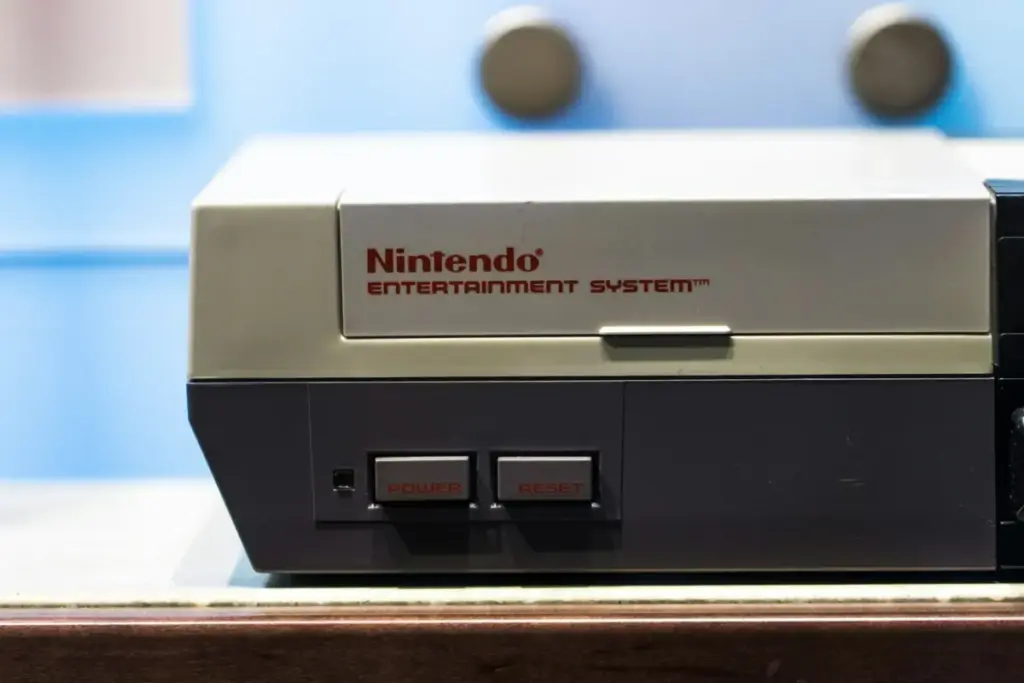
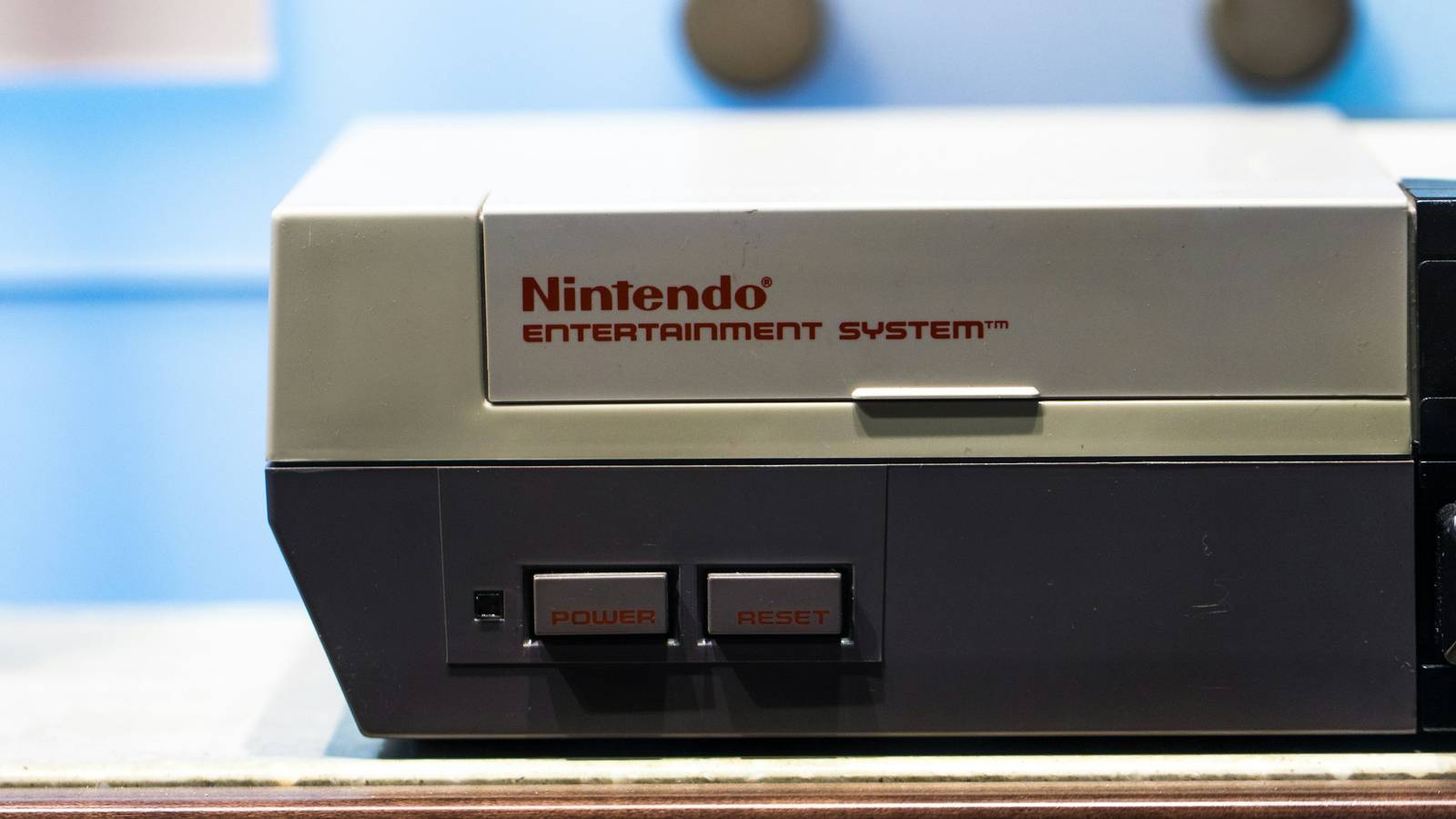
By 1986, the NES version of Mario Bros. reached North American shores, with development handled by Intelligent Systems. For the players of that era, the game offered immense value. It provided a rare opportunity for friends and siblings to play together without the frustration of taking turns, a common limitation in many other games of the time. The gameplay loop was perfectly tuned to be accessible enough for a quick session, yet challenging enough to demand mastery. It provided a steady, rewarding sense of progression that rewarded spatial awareness and reaction time.
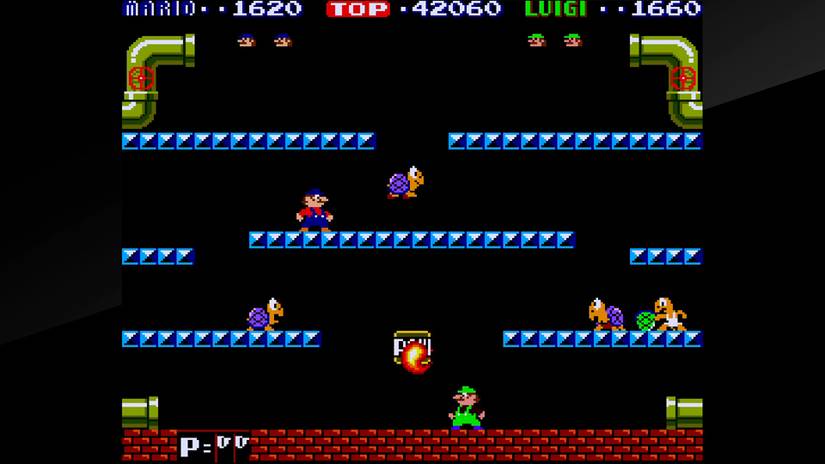
In the modern era, Mario Bros. has found a new lease on life. Its availability on platforms like Nintendo Switch Online has highlighted the timeless nature of its design. Because the gameplay requires virtually no explanation—there are no complex tutorials, no narrative heavy-lifting, and no rehashed cutscenes—it remains an ideal "palate cleanser." Modern gamers can jump into a match for five minutes between larger, more demanding titles and find the same satisfaction that arcade-goers found four decades ago.
Furthermore, the game serves as an excellent entry point for younger players just beginning to explore the medium of gaming. Its simple, single-screen structure is intuitive, and the immediate feedback of the controls provides a sense of agency that many modern, complex titles can obscure. While Mario has evolved into a global icon, known for his grand adventures across galaxies and kingdoms, his humble beginnings in the sewers remain a vital part of his history. It is a testament to Nintendo’s design philosophy that a game created in the early 80s, designed to capitalize on two-player arcade crowds, remains a staple of the industry—a perfect, bite-sized slice of gaming history that, even after forty years, remains just as fun to play as the day it was released.