






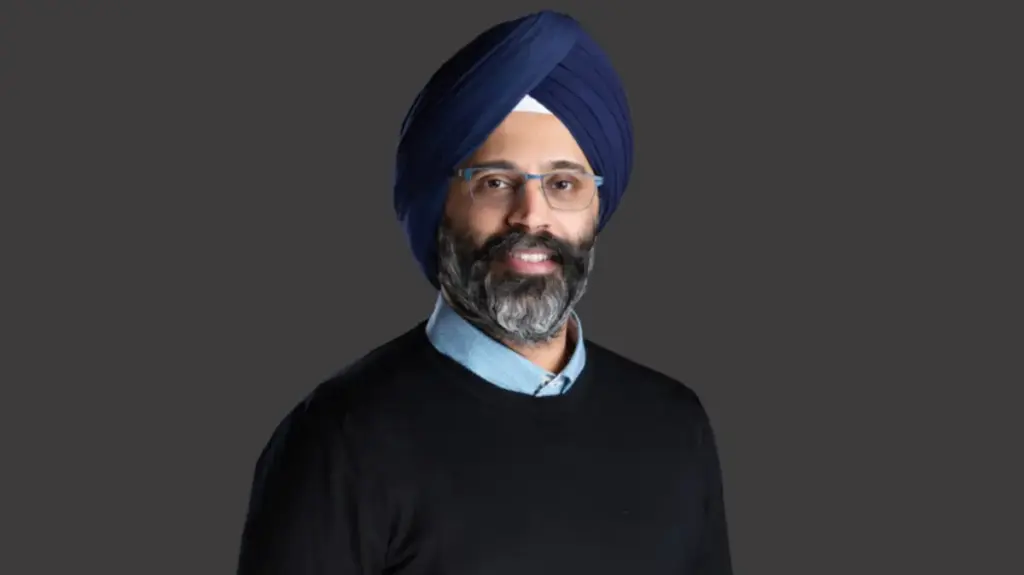
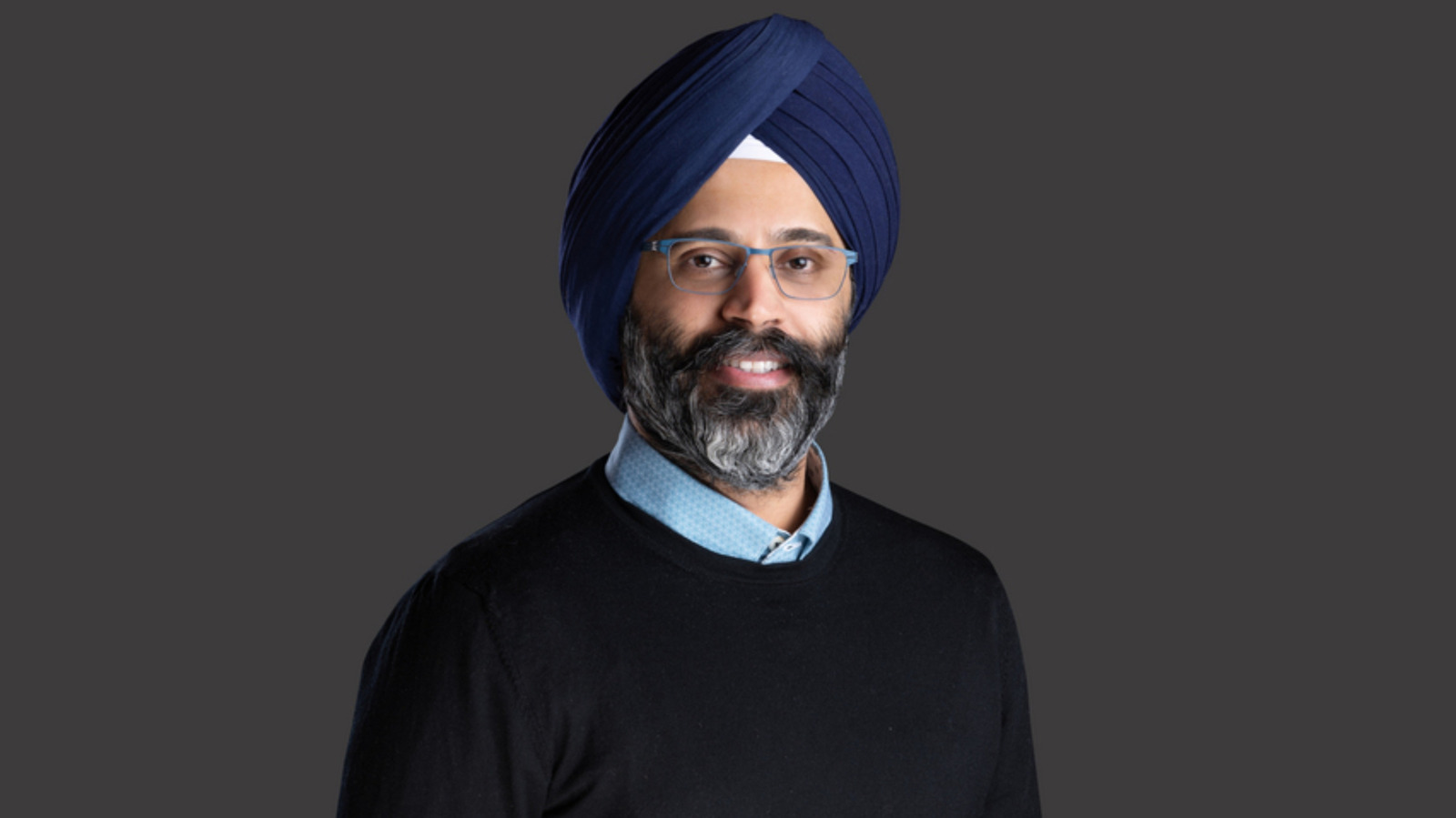
In a move that underscores the rapidly shifting relationship between traditional media conglomerates and the burgeoning generative artificial intelligence sector, The Walt Disney Company has announced the appointment of Karandeep Anand as its first-ever Chief Technology Officer. Anand, who previously served as the CEO of Character.AI, steps into this newly created role at a pivotal moment for the entertainment giant, as it seeks to harmonize its storied history of creative storytelling with the aggressive integration of modern data and AI platforms.
The appointment is particularly striking given the contentious history between the two parties. Less than a year ago, Disney was actively pursuing legal and regulatory avenues to curb the influence of companies like Character.AI, which it accused of infringing upon its intellectual property. The irony of hiring the former head of an organization that Disney once threatened with legal action highlights the pragmatic, if not complex, reality of the modern technology landscape: for Disney, the strategic value of AI expertise has seemingly outweighed past grievances.
A New Strategic Direction Under CEO Josh D’Amaro
Since assuming the role of CEO in February 2026, Josh D’Amaro has made it clear that he intends to steer The Walt Disney Company toward a future defined by technological infrastructure. D’Amaro’s vision positions Disney not merely as a studio or a theme park operator, but as a robust technology company capable of delivering premium content directly to consumers through its Disney+ platform and integrated application ecosystem.

In a formal statement announcing the appointment, D’Amaro emphasized that the role of CTO is critical to the company’s ongoing evolution. “Karandeep brings a rare mix of experience across infrastructure, consumer technology and AI, and will be a vital addition to Disney’s senior leadership team as we further our three priorities: great storytelling as our North Star, technology in service of creativity, and operating as One Disney,” D’Amaro said. He further noted that Anand possesses a "clear sense of where technology and creativity meet" and shares the company’s philosophy that technology provides the most value when it acts as a catalyst for human creativity rather than a replacement for it.
Under this new mandate, Anand will oversee the company’s enterprise technology operations, alongside its centralized data and AI platforms. Sources indicate that the transition will not be limited to leadership alone; Disney is reportedly bringing on several key technical staff members from Character.AI to bolster its internal capabilities. This influx of talent is intended to accelerate the company’s internal development of proprietary AI tools, moving away from a reliance on external third-party providers toward a more self-sufficient, integrated tech stack.
Navigating Past Conflicts and Legal Tensions
The transition from legal adversary to corporate partner marks a significant pivot for both Disney and Anand. In September 2025, the tension between the two entities reached a boiling point when Disney issued a cease and desist letter to Character.AI. At the time, Disney’s legal team argued that the platform was facilitating unauthorized use of its intellectual property by allowing the creation of chatbots based on beloved Disney characters.
Beyond the copyright concerns, Disney’s objection carried a social dimension, with the company asserting that the chatbot interactions—many of which were directed at minors—were potentially harmful and dangerous. These concerns were compounded by the broader public and legal scrutiny surrounding Character.AI, which had been named in multiple high-profile wrongful death lawsuits involving underage users who had interacted with the platform’s generative models.
Industry analysts suggest that Disney’s stance toward generative AI was, at the time, primarily driven by a desire to protect its brand identity and to ensure that it retained control over the commercialization of its characters. However, the subsequent months revealed that Disney’s opposition was not a blanket rejection of AI technology itself, but rather a negotiation over terms. By December 2025, the company had successfully reached a licensing agreement with OpenAI, allowing for the use of Disney intellectual property within the latter’s Sora application. This move signaled that Disney was more than willing to embrace AI if the terms of engagement allowed the company to participate in the financial and creative upside.
Organizational Restructuring and Future Outlook
The arrival of Karandeep Anand is part of a broader, deeper reorganization of Disney’s leadership structure designed to align its technical and creative divisions. As part of this transition, Disney is also promoting Adam Smith—formerly the chief product and technology officer for Disney Entertainment and ESPN—to the newly defined role of Chairman of Direct-to-Consumer for Disney Entertainment. This change effectively separates the company’s core technology infrastructure from its direct-to-consumer product strategy, allowing each division to focus on its specific operational requirements while remaining under the overarching corporate umbrella.
For Anand, the challenge will be to navigate the internal culture of a company that prides itself on decades of traditional creative mastery while pushing that same company toward a future that is fundamentally data-driven. The integration of the former Character.AI team is expected to be a key element of this transition. By bringing in engineers who have deep experience in building, maintaining, and scaling consumer-facing conversational AI, Disney is betting that it can bypass the trial-and-error phase that many legacy companies face when attempting to modernize their technological capabilities.
The shift also reflects a broader industry trend where media companies are increasingly viewing the “technological moat” as a necessary defensive and offensive asset. In the era of streaming and personalized content, the ability to process data, personalize user experiences, and automate back-end creative processes is seen as a requirement for maintaining market share.
Whether Disney can successfully integrate its former antagonists into its core operations remains to be seen. The company’s willingness to look past the controversies of 2025 in favor of hiring someone with direct experience in the field suggests that the executive team is prioritizing speed and technical competency above all else. For the creative teams at Disney, the hope is that Anand’s leadership will provide the tools necessary to expand the reach of their stories, while for shareholders, the appointment represents a clear commitment to the digital transformation agenda that has been the hallmark of D’Amaro’s tenure as CEO. As Disney enters this new chapter, the industry will be watching closely to see how the company balances the creative legacy that built its reputation with the rapidly evolving, and often controversial, demands of the artificial intelligence frontier.