
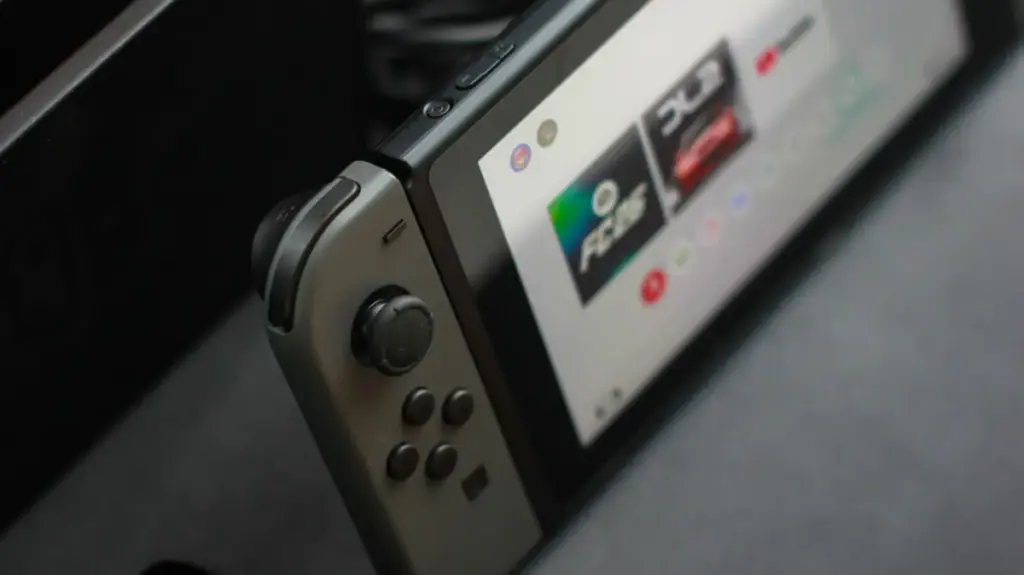
Nine years after its initial debut, the original Nintendo Switch remains a fixture in the gaming landscape, a testament to the longevity of Nintendo’s hardware philosophy. However, as we settle into 2026, the question of whether this aging console remains a sensible purchase has become significantly more complex. With the arrival of the Switch 2 and the shifting economic realities of the gaming market, prospective buyers are no longer just choosing between models—they are weighing the value of a legacy platform against a new generation of hardware.
The decision to invest in a Switch today hinges almost entirely on the price point. As of early 2026, the market is segmented by three distinct tiers: the standard Nintendo Switch, which retails at $339.99; the premium Switch OLED at $399.99; and the newly launched Switch 2, which has held steady at a $499.99 price point since its release on September 1. This landscape is further complicated by broader industry trends. Consumer electronics are not immune to inflationary pressures, and we have seen competitors, such as Microsoft, increase the pricing of certain Xbox hardware models by as much as $150, signaling a tightening of the market. For the average consumer, this makes a brand-new Switch OLED a difficult proposition to justify, given the relatively narrow price gap between it and the far more capable Switch 2.
Buying New Makes the Switch 2 Easier to Justify
When looking at the retail landscape, the allure of the Switch 2 is difficult to ignore. The newer console offers a growing library of exclusive titles, but the argument for upgrading extends far beyond software availability. The Switch 2 maintains backward compatibility with the original Switch library, and Nintendo has been diligent in refining that experience through software updates.
A standout feature in this regard is "Handheld Mode Boost." This technology allows compatible original Switch titles to run with the performance profiles and fidelity typically reserved for docked mode, even while the user is playing in handheld format. The result is a noticeable improvement in visual clarity compared to the original hardware. Furthermore, Nintendo has introduced a tiered system of game updates; some titles receive free performance patches for the Switch 2, while others offer paid upgrade packs that provide more substantial visual enhancements and higher frame rates.
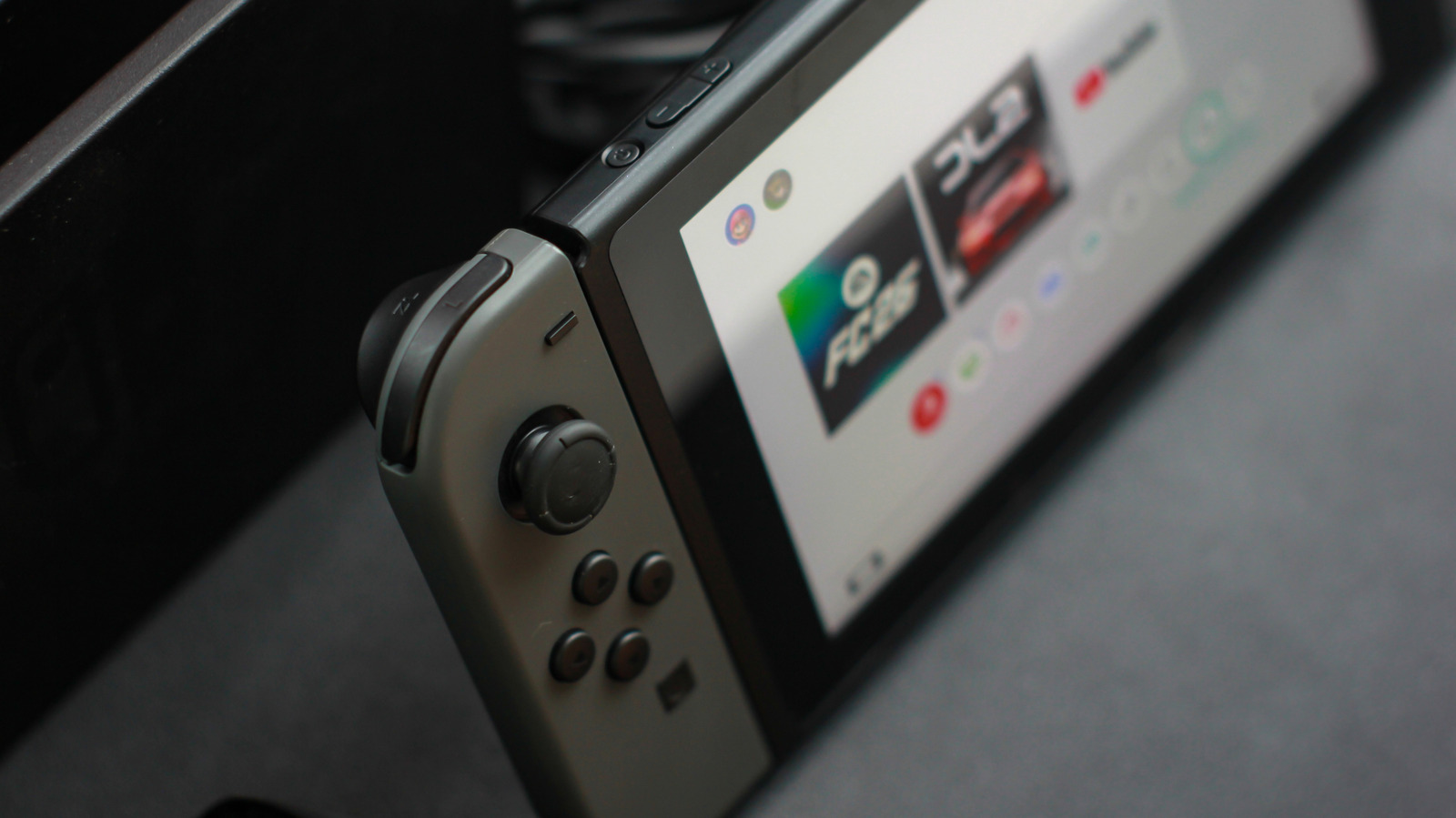
The software divide is becoming an increasingly unavoidable reality. The original Switch is gradually being treated by developers as a previous-generation device. Titles such as Splatoon Raiders are locked to the Switch 2, and the upcoming release calendar—including Fire Emblem: Fortune’s Weave on September 17 and Metroid Ravenous slated for January 2027—clearly signals where Nintendo’s focus lies. Third-party publishers are similarly shifting their development resources, effectively leaving the original Switch behind as hardware capabilities plateau.
While the Switch 2 is the more powerful machine, the Switch OLED still holds a specific niche appeal. Its 7-inch OLED panel offers superior contrast and black levels that the LCD screen of the Switch 2 simply cannot replicate. Additionally, Nintendo estimates the battery life of the OLED model to be between 4.5 and nine hours, compared to the two to 6.5-hour range of the Switch 2. For players who prioritize handheld gaming sessions away from the television, these metrics are significant. However, if a user intends to keep their console permanently docked, the $399.99 price tag for an OLED model becomes hard to defend, as it delivers essentially the same performance as the lower-cost standard Switch.
Buying Used Changes the Equation
The calculus shifts dramatically when looking at the secondary market. Pre-owned standard Switch consoles can currently be found for around $200, while used OLED models are trending closer to $250 at retailers like GameStop. For those on a stricter budget, the handheld-only Switch Lite is available for approximately $170. When comparing a $200 pre-owned unit to a $500 brand-new console, the value proposition of the older hardware suddenly becomes very attractive.
Despite its age, the original Switch library is immense. With nine years of Nintendo-published hits, expansive third-party support, and a thriving indie scene, the console offers an almost inexhaustible amount of content. Furthermore, Nintendo has confirmed that services such as the eShop and Nintendo Switch Online will continue to operate for the "foreseeable future." Crucially, digital games already owned by a user remain tied to their Nintendo Account, meaning any titles purchased today will carry over should the user decide to upgrade to a Switch 2 in the future.
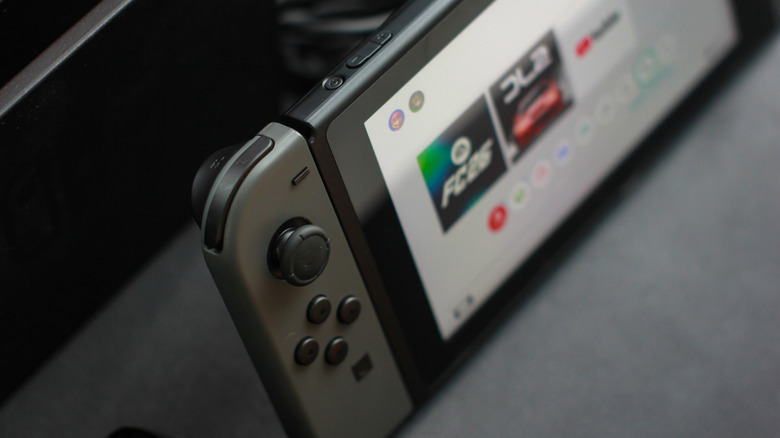
There is also a unique appeal for collectors regarding physical media. The transition to game-key cards for the Switch 2 has been met with mixed reactions, as these cards often do not contain the full game data, requiring a secondary download to function. While these cards can still be traded or sold, there is a certain charm and permanence to the traditional Switch cartridge, which houses the complete game data on the physical medium.
However, purchasing used hardware requires a degree of due diligence. Prospective buyers should avoid the earliest production models and instead seek out consoles with a serial number beginning with "XKW." These later revisions were engineered with improved efficiency, offering a battery life of 4.5 to nine hours, compared to the 2.5 to 6.5 hours of the original "XAW" launch units.
Beyond checking the serial number, buyers should conduct a thorough physical inspection. It is essential to test the Joy-Con sticks for drift, verify the integrity of the USB-C charging port, examine the screen for dead pixels, and ensure the dock functions correctly. Repairs can be a significant hurdle; iFixit currently assigns the original Switch a repairability score of 4/10. The device features a glued-in battery and a soldered USB-C port, and the scarcity of official replacement parts makes professional or DIY repairs challenging. Nintendo estimates that the internal battery will maintain approximately 80 percent of its original capacity after roughly 800 charge cycles, a factor that should be kept in mind when purchasing a device that has already seen years of use.
Ultimately, the original Switch remains a capable piece of hardware for those who understand its limitations. If you are a budget-conscious gamer or a collector who values the vast library of titles already available, a well-maintained used console is a sensible acquisition. But for those looking for the definitive, future-proofed Nintendo experience, the hardware advancements and software support of the Switch 2 make it the logical, albeit more expensive, choice for 2026.