









MapQuest, the pioneer of digital mapping that fundamentally altered how the public navigated the world when it launched in 1996, is making a bold play to regain its footing in the modern automotive landscape. The company has officially announced the launch of a beta version of its mapping service for Android Auto. This strategic move aims to challenge the dominant positions held by tech giants Google and Apple, providing drivers with a long-standing alternative that has recently seen a meteoric rise in public interest due to a highly publicized stand regarding geographical nomenclature.
For years, the mapping industry has been effectively monopolized by the navigation suites integrated into major mobile operating systems. However, MapQuest’s latest expansion into the vehicle dashboard environment comes at a moment of unprecedented momentum for the brand. The recent surge in user engagement—which saw daily usage rates climb to 50 times their historical average and resulted in over 1.5 million new app downloads—has propelled the service to the top of the Apple App Store charts. This sudden, massive influx of users has effectively revitalized the brand’s visibility, and the company is moving quickly to capitalize on this interest by rolling out its Android Auto beta via the Google Play Store.
A Controversial Stand on Geographical Naming
The catalyst for this unexpected resurgence is tied to a heated political and cultural debate regarding the name of a specific body of water in North America. When political pressure from the administration of President Donald Trump was applied to major tech companies to rename Lake Ontario, both Google and Apple opted to comply, updating their digital maps to reflect a new, government-sanctioned nomenclature. MapQuest, however, firmly refused to alter the lake’s 380-year-old name.

This decision to maintain the traditional title in the face of significant institutional pressure resonated deeply with a large segment of the public. By refusing to bow to political influence, MapQuest inadvertently transformed itself from a legacy software provider into a symbol of digital integrity for many users. The resulting spike in downloads was not merely a functional choice by consumers looking for a new map app, but a clear signal of support for the company’s decision. Doug Berger, the general manager of MapQuest, acknowledged the phenomenon in a recent statement, noting that hundreds of thousands of individuals had effectively voted with their keyboards by choosing to install the application during that pivotal weekend. This surge has provided the company with the necessary capital and public attention to accelerate the development of its vehicle-integration features.
Bringing the MapQuest Experience to the Dashboard
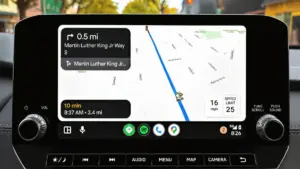
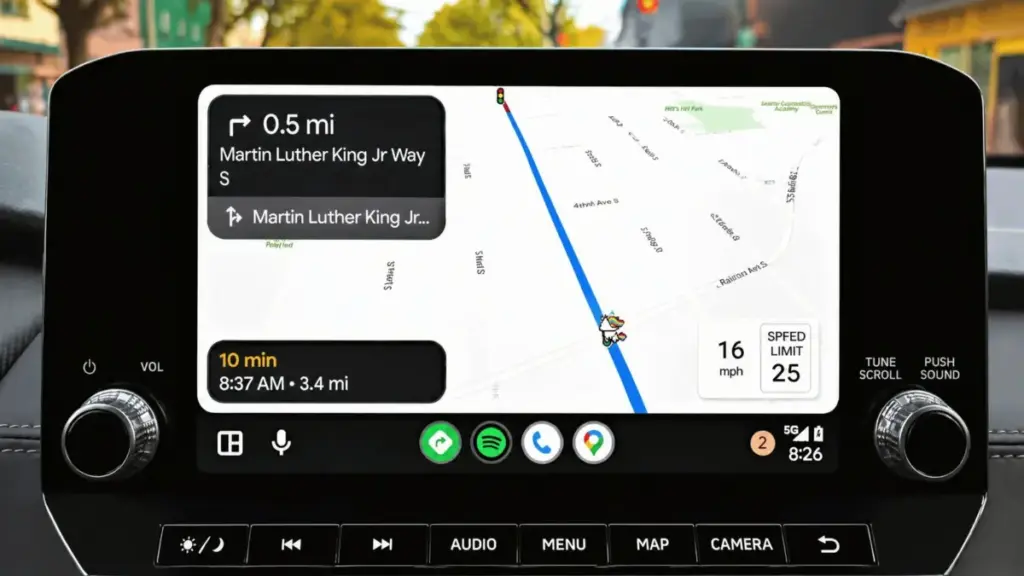
The integration of MapQuest into the Android Auto ecosystem is designed to provide a familiar interface for those who have relied on the service for decades, while offering a fresh alternative for drivers who are dissatisfied with the status quo. To begin using the service in a compatible vehicle, users must first join the designated beta program through the Google Play Store. Once the beta enrollment is confirmed and the necessary updates are applied to the device, the MapQuest interface should populate within the vehicle’s Android Auto dashboard, allowing for a seamless transition from mobile phone to car display.
While the expansion is a significant milestone, it is important to contextualize the current state of the software. Because the project is still in the beta phase, the user experience is not yet as polished as the more mature, entrenched competitors. Initial feedback from early adopters has highlighted that the software remains somewhat rough around the edges. Reports from the user community have pointed to instances of application instability, such as sudden crashes, as well as latency issues where response times for routing or map updates lag behind user input. Furthermore, there have been documented instances of voice navigation prompts cutting off prematurely, which can be a point of friction for drivers who rely on audible directions while navigating complex traffic scenarios.
Additionally, some users have expressed frustration regarding the geographical limitations of the service. Currently, many of the advanced, real-time features that distinguish the app are restricted specifically to North America, primarily the United States and Canada. This limitation is a common hurdle for legacy mapping services that are in the process of rebuilding their global infrastructure, but it nonetheless represents a barrier for international users or those expecting the same global parity found in Google Maps.
The Path Forward for MapQuest
Despite these early technical hurdles, the development team at MapQuest appears committed to refining the experience. The company’s social media channels indicate that developers are actively monitoring user feedback and are already in the process of issuing regular software patches to address the bugs identified during this testing phase. This iterative process is standard for beta software, and it is a necessary step as the company seeks to bring its legacy service into the modern, high-stakes world of connected car interfaces.
The features currently included in the MapQuest Android Auto solution focus on core navigation necessities. The app provides turn-by-turn navigation, real-time traffic updates, and destination searching, all optimized for the simplified, safety-oriented interface required by the Android Auto platform. The aim is to provide a reliable, distraction-free environment that prioritizes ease of use, even if the feature set is not yet as exhaustive as its competitors.
For those drivers who are eager to move away from Google or Apple Maps but find the current MapQuest beta to be too experimental for their daily commute, there are other alternatives available within the ecosystem. The navigation market remains diverse, with platforms like Waze—known for its community-driven traffic reporting—as well as specialized navigation suites like Sygic and TomTom Go, continuing to offer robust solutions for both Android Auto and Apple CarPlay.
As MapQuest continues to navigate its own transition, the company finds itself in a unique position. It is no longer just a digital relic of the 1990s internet era; it is an active, relevant player in the competitive space of vehicle navigation. Whether it can convert its recent surge in popularity into long-term retention depends heavily on its ability to stabilize the Android Auto beta and provide a level of reliability that matches the expectations of modern drivers. By balancing its heritage with the rigorous demands of the automotive sector, MapQuest is attempting a rare feat: successfully pivoting a legacy brand to compete in a market that has fundamentally changed since the company first arrived on the scene. For now, the focus remains on the "beta" label, with both the company and its new wave of users looking toward the next round of updates to see if the service can truly deliver on its promise of a viable, independent alternative in the dashboard.