











As geopolitical tensions and security concerns reshape the European technology and telecommunications landscape, industry players are increasingly prioritizing sovereignty, infrastructure resilience, and advanced technological integration. From the battlefield in Ukraine to the corporate boardrooms of Scandinavia and the UK, telecommunications operators and tech enterprises are rolling out strategic initiatives designed to mitigate operational risks, protect critical infrastructure, and prepare for future computational threats.
Nokia and Iceye Forge Sovereign Satellite Path for Ukraine
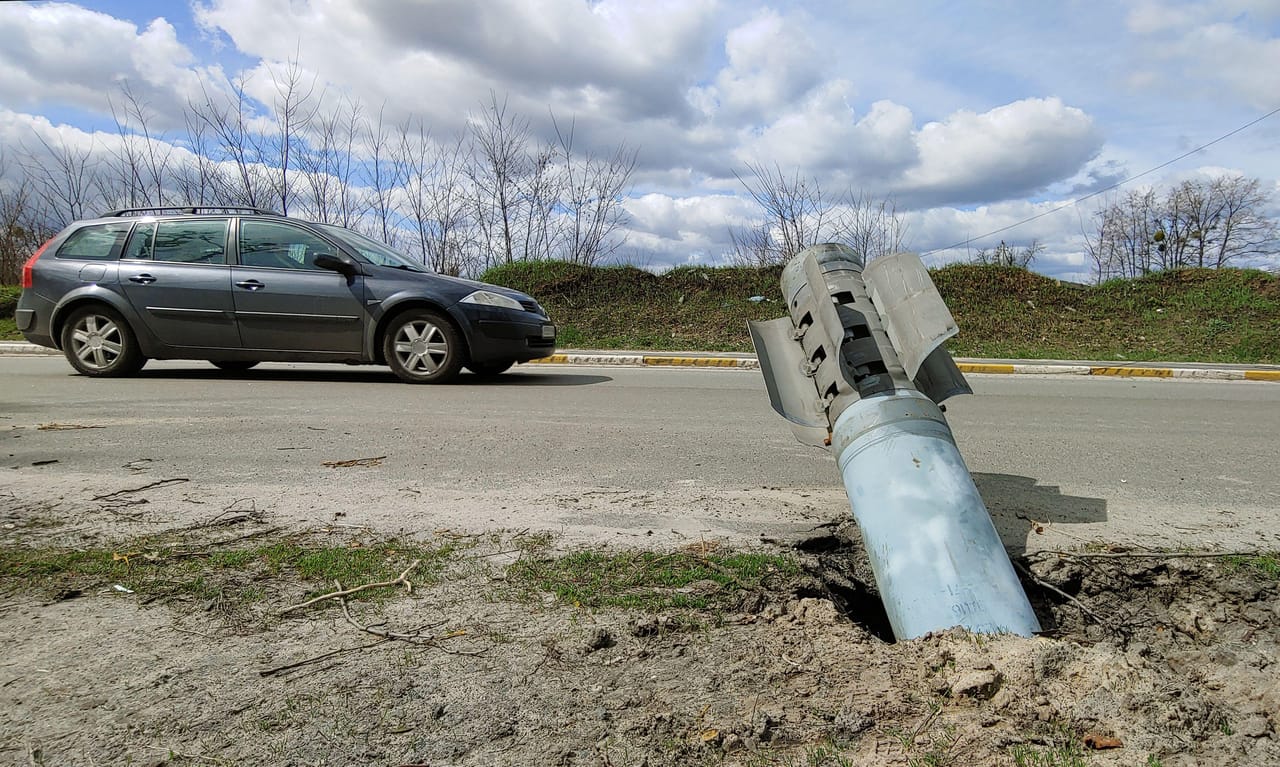
Amid ongoing concerns regarding the reliance on commercial satellite networks for critical military communications, Nokia and Finnish satellite company Iceye have signed a letter of intent with the Ukrainian military. The agreement aims to develop "sovereign" satellite connectivity that Ukraine’s armed forces can reliably depend upon.
Iceye currently operates what it maintains is the world’s largest and most advanced synthetic aperture radar (SAR) satellite constellation. Earlier this month, Nokia and Iceye formally announced a broader partnership aimed at developing secure, sovereign low-Earth orbit (LEO) satellite communications systems tailored for government use. The overarching objective of these initiatives is to provide individual nations with direct ownership and operational control over their satellite assets, shielding them from the potential vulnerabilities of depending entirely on external commercial providers or shifting geopolitical dynamics.

UK Gets Tough on Subsea Cable Damage
In the face of escalating threats directed at critical undersea infrastructure from sovereign states, the UK government is proposing significantly tougher legal punishments for individuals or entities that deliberately damage subsea communication cables and energy pipelines.
Under the newly proposed legislative measures, perpetrators caught damaging vital conduits carrying international data, electricity, and gas could face lengthy prison sentences alongside unlimited financial penalties. Furthermore, subsea telecommunications operators will be required to comply with heightened security and resilience obligations. These include stricter regulatory mandates focused on identifying, assessing, and effectively managing potential risks to their subsea networks.
Sunrise Rows Back on Job Cuts
In Switzerland, major telecommunications operator Sunrise has successfully concluded its mandatory consultation process regarding a previously announced corporate restructuring. As a result of the discussions, the company has reduced the total number of redundancies involved in its multi-year business transformation from an initial 450 down to 358 positions.
Sunrise stated that a robust social support plan has been put into place to assist the employees affected by the downsizing. This package includes expanded benefits and specialized support structures, with particular emphasis placed on providing enhanced provisions for older workers facing employment transitions.
Telia Surprises Itself with Strong Q3 Financials
Sweden-based telecommunications giant Telia has reported a stronger-than-expected financial performance for the third quarter of the year. Adjusted third-quarter earnings before interest, tax, depreciation, and amortization (EBITDA) increased by 2.9% year-over-year on a like-for-like basis, reaching 8.87 billion Swedish kronor (approximately $890 million). This performance was supported by total quarterly revenue that rose 4.5% to 21.30 billion Swedish kronor ($2.14 billion).
Telia’s Chief Executive Officer, Patrik Hofbauer, acknowledged that the results exceeded internal expectations, attributing the positive surprise to solid growth in service revenues alongside disciplined control over operational expenses. Consequently, the company has upgraded its full-year EBITDA growth outlook slightly, shifting from an earlier projection of around 3% to a revised range of 3% to 4%.
The positive financial update follows Telia’s announcement earlier in the month regarding plans to eliminate approximately 900 jobs before the end of the year. That workforce reduction forms part of an ongoing localization and efficiency drive designed to achieve roughly 1 billion Swedish kronor ($100 million) in annual gross savings.
Telefónica Brings Quantum Computing to Madrid
Telefónica has continued its strategic exploration of quantum computing by partnering with IQM Quantum Computers to deploy a physical quantum computer for research and development purposes within the Madrid region of Spain. The initiative builds upon previous engagements in the quantum sector, including a collaboration agreement signed in January 2025 with IBM aimed at developing cybersecurity measures robust enough to withstand future quantum computers capable of breaking current encryption standards.
The newly acquired IQM Spark quantum computer is scheduled to be installed at the Technical University of Madrid before the conclusion of the year. It will serve as a foundational resource to drive the development of industrial use cases and regional technological advancements.
Openreach Helps Out with Water Leak Detection
In the United Kingdom, Portsmouth Water has established a partnership with Lightsonic to deploy innovative water leak-detection technology across a portion of its distribution network, utilizing existing fiber optic infrastructure managed by Openreach.
The deployment employs distributed acoustic sensing (DAS) technology, which effectively transforms standard fiber optic cables running adjacent to underground water pipes into a continuous acoustic sensing network. By picking up the distinct sounds of water escaping from damaged pipes, the system enables utility operators to identify and repair leaks with greater speed and accuracy as winter approaches.
Looking Back: BT’s Off-Grid Mobile Sites
Efforts to enhance the environmental sustainability and energy independence of telecommunications infrastructure have been underway for several years. Two years ago, UK operator BT announced the activation of its first "self-powering" mobile network site. The facility was designed to generate approximately 70% of its total operational energy requirements directly on-site through a combination of solar panels and an integrated wind turbine, highlighting the industry’s gradual shift toward renewable energy integration and off-grid resilience.