








By Nicole Ferraro
November 13, 2026
The ongoing transformation of America’s digital infrastructure continues to accelerate across multiple states, bringing high-speed connectivity to tens of thousands of new homes, businesses, and municipal facilities. In this installment of The Buildout, our regular tracking column following broadband network deployments nationwide, we examine the latest construction updates, newly secured grants, and strategic service launches spanning over 90,000 locations. From major regional fiber pushouts to municipal network agreements, broadband providers are aggressively expanding their footprints despite a shifting economic and regulatory landscape.
Kinetic Touts Q3 Connections in Several States
Kinetic, a major broadband provider and subsidiary of Uniti Group—which completed its high-profile merger with Windstream in August 2025—reported a massive wave of new customer connections during the third quarter of 2026. Across its sprawling operating footprint, the company successfully integrated tens of thousands of additional locations into its fiber-to-the-home network, leveraging a combination of private capital, state-level initiatives, and federal funding programs.

In Kentucky, Kinetic connected 19,000 homes and businesses over the quarter. The new builds span more than 80 communities, reinforcing digital infrastructure in regions such as Lexington, Albany, Greenup, Hazard, Ashland, Leatherwood, and Mount Vernon. Meanwhile, to the south, Kinetic added 18,600 locations to its Texas footprint in Q3. These connections cover more than 100 communities, bringing multi-gigabit capabilities to areas including Sugar Land, Texarkana, Hemphill, Cresson, Buffalo, Frost, and Lovelady, according to corporate announcements.
Georgia also saw substantial growth during the third quarter, with Kinetic adding 26,000 locations to its footprint. This expansion reaches across 140 communities, including Valdosta, Springfield, Folkston, Rincon, Canton, Moultrie, Fairmount, White Plains, Dalton, and Trion. Notably, a portion of these Georgia deployments received financial backing through grant support from the 2021 American Rescue Plan, underscoring the vital role public-private partnerships play in bridging the digital divide in rural and underserved areas.
Kinetic’s momentum continued into North Carolina, where the provider added 15,800 homes and businesses across 40 communities, featuring builds in Concord, Harrisburg, Wingate, Indian Trail, Granite Quarry, and Hemby Bridge. This particular expansion benefited from partial grant funding provided by the state and the US Department of Treasury. Finally, in Oklahoma, Kinetic connected an additional 7,000 locations across more than 30 communities during Q3, servicing regions such as Broken Arrow, Coweta, Wagoner, and Burns Flat.
TDS Wraps Build, Gets Grant in Wisconsin
In the upper Midwest, TDS Telecommunications has reached significant milestones with both the completion of a major infrastructure project and the securing of fresh public funding. This week, the company announced the official completion of its fiber build in Jefferson County, Wisconsin. Work within the city of Jefferson has concluded, bringing advanced, high-speed fiber-optic connectivity directly to 2,600 local homes and businesses.
Building upon this momentum, TDS secured new financial backing in nearby Portage County. The Public Service Commission of Wisconsin awarded TDS a $3.1 million grant earmarked for expanding fiber broadband to more than 500 additional locations within the county. Under the terms of the award, construction must be fully completed by the fall of 2029. TDS, which operates as a subsidiary of Telephone and Data Systems, continues to execute its strategic rollout supported by financial backing from Oaktree Capital Management, which previously invested heavily in the company amid broader corporate restructuring and wireless strategy shifts.
Optimum Grows Reach in Louisiana
Even as it navigates complex financial pressures and strategic evaluations—with industry analysts recently pointing toward potential lender negotiations or restructuring paths—Optimum is continuing targeted expansions of its broadband footprint. The company is currently expanding its advanced fiber network into New Iberia and St. Martinville, Louisiana, bringing high-speed digital infrastructure deeper into Cajun Country.
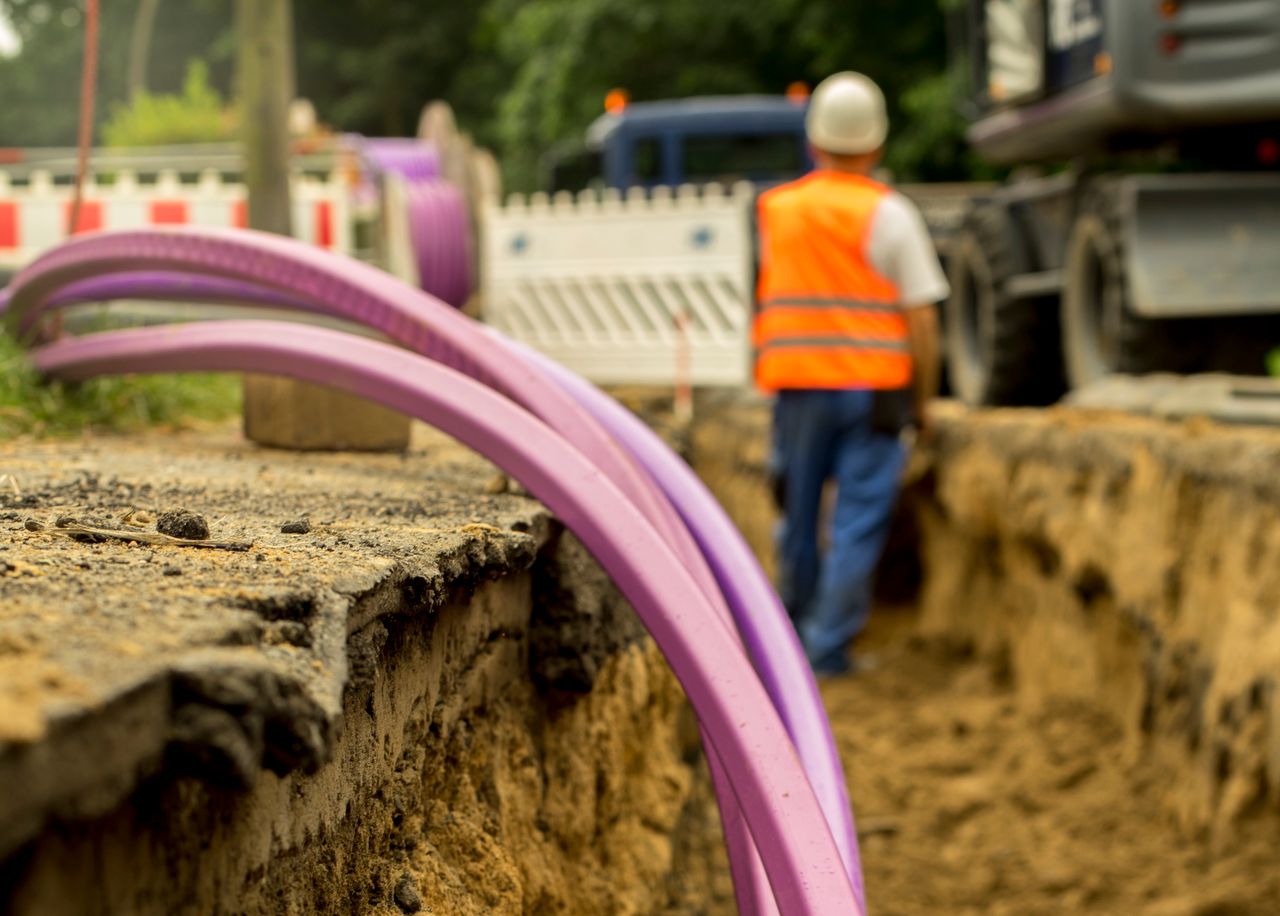
According to company press releases, the ongoing network deployment is expected to ultimately connect 15,000 homes and businesses across these communities, delivering multi-gigabit internet speeds to residents who have historically had fewer connectivity options. Optimum Communications, originally formed in 2016 following Altice’s acquisitions of Suddenlink Communications and Cablevision, is actively weighing its strategic and financial options as it manages several billion dollars in legacy debt. Despite these macro-level headwinds, local network buildouts in core markets remain a visible part of the operator’s operational focus.
Ezee Fiber to Build Muni Network in Washington
Moving to the Pacific Northwest, Ezee Fiber has secured a landmark 20-year agreement valued at a maximum cost of $3.88 million to construct a state-of-the-art municipal fiber network for the city of Kent, Washington, situated in King County. Under the terms of the agreement, Ezee Fiber will construct and operate a secure dark fiber network connecting 12 vital city facilities.
This new municipal infrastructure will directly replace the city’s existing iNet system, which is scheduled to wind down operations in 2029 alongside the expiration of Comcast’s legacy franchise agreement. Initial construction planning for the Kent municipal network is already underway, with phased activations expected to begin next year.
The footprint expansion in King County does not stop there. Ezee Fiber also announced that the SeaTac city council unanimously approved a separate franchise agreement with the operator. This regulatory clearance clears the path for Ezee Fiber to launch residential and business fiber construction across the broader Puget Sound region. Detailed construction schedules, neighborhood-by-neighborhood deployment plans, and anticipated service availability dates will be announced as engineering and design milestones progress. Ezee Fiber was originally established in 2021 by infrastructure investment firm I Squared Capital through the acquisition of Houston-based fiber provider ICTX WaveMedia.
United Kicks Off Construction in Tennessee
In Tennessee, United Communications has officially broken ground on a brand-new fiber buildout in Mount Pleasant. The regional provider is investing $1.8 million to add 45 miles of fiber to its existing 170-mile regional network, effectively extending its service reach to an additional 1,800 homes and businesses on top of the 1,250 locations it already services in the immediate area.
Construction activities across the Maury County community will take place in structured phases over the next nine to 12 months, according to corporate statements. The first waves of local customers are anticipated to be hooked up and receiving active service by the fall of 2027. United Communications operates as a subsidiary of Middle Tennessee Electric, a cooperative model that frequently integrates utility-grade fiber deployment with regional electrical distribution.
Spectrum Connects More in Madison County
Rounding out this week’s widespread infrastructure updates, Spectrum has successfully connected an additional 3,100 homes and businesses in Madison County, Kentucky. This latest milestone brings the provider’s total expansion reach in the region to more than 5,000 newly served locations.
According to company disclosures, the newly activated fiber-optic network is now fully available to residents in and around the communities of College Hill, Dreyfus, Kirksville, Speedwell, and other surrounding incorporated parts of the county. Spectrum’s ongoing deployment in Madison County forms a localized component of its broader, multi-year $7 billion rural construction initiative. This massive national undertaking relies heavily on a combination of private capital investment alongside federal and state grant funding programs designed to eliminate digital deserts across rural America.