










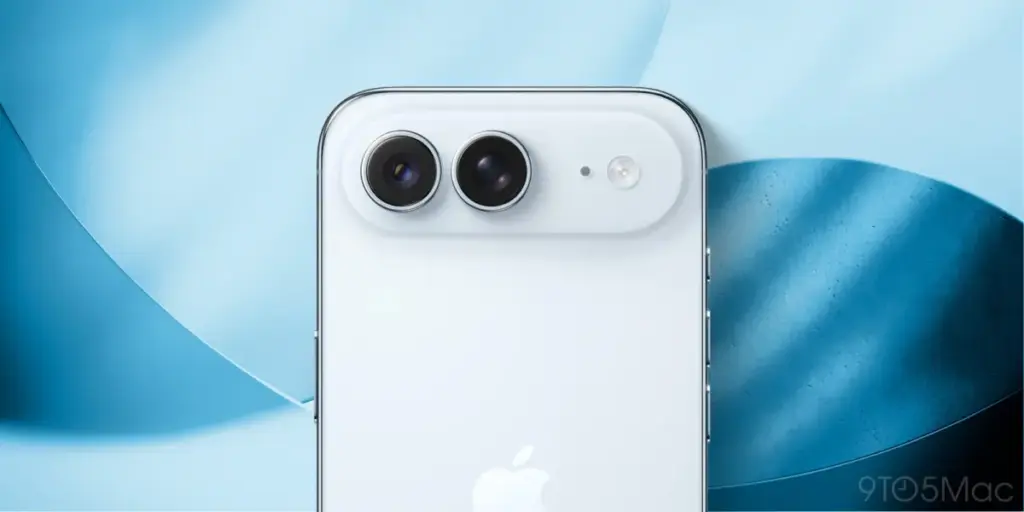
Apple’s product roadmap, long defined by a predictable September unveiling of its flagship handsets, is undergoing a significant transformation. Following a fall launch that exclusively featured the high-end "Pro" and "Duo" variants, the tech giant appears to be preparing to round out its current lineup with the introduction of the iPhone 18 and the follow-up to its ultra-slim offering, the iPhone Air 2. According to a new report from ETNews, suppliers are currently coordinating their production schedules for a market debut in early 2027, signaling a strategic shift toward a semi-annual release cadence for the company’s smartphone portfolio.
iPhone 18 and iPhone Air 2 Suppliers Planning for March Launch
Industry insiders and supply chain analysts have tracked the possibility of a non-traditional launch window for these specific models for over a year. While Apple has historically reserved the autumn months for its marquee hardware events, the company has increasingly utilized the spring as a secondary opportunity to refresh its mid-tier or specialized device offerings. The latest intelligence, reported by Kim Yeong-ho of ETNews, suggests that major display manufacturing partners Samsung Display and LG Display have begun aligning their operational timelines with an anticipated launch in March 2027.
The production distribution between these two key suppliers provides a clear glimpse into Apple’s strategy for these upcoming devices. Samsung Display has reportedly been tapped as the exclusive supplier for the panels destined for the iPhone Air 2, underscoring the high-precision requirements inherent in the design of Apple’s ultra-thin model. Conversely, the production volume for the iPhone 18 displays will be shared between Samsung and LG. This split-sourcing strategy is a hallmark of Apple’s supply chain management, designed to mitigate risk, ensure consistent supply, and maintain leverage during price negotiations.
According to the report, the timing for these production runs is deliberate. Samsung Display is slated to begin mass production in January, while LG Display is expected to initiate its portion of the output late this year. These schedules are meticulously synchronized to ensure that sufficient inventory is available to meet consumer demand following a March rollout. For Apple, this timing is not merely a logistical necessity but a strategic play to maintain momentum in the market during the mid-cycle phase of its fiscal year.
Adapting to a New Seasonal Rhythm
The move toward a March launch for the iPhone 18 and iPhone Air 2 is consistent with Apple’s recent efforts to diversify its product release calendar. By separating its flagship Pro-level devices from its more accessible models, the company effectively avoids the "cannibalization" effect that can occur when too many new products compete for attention during the peak holiday shopping season. Instead, Apple is fostering a rhythm where it introduces three distinct models in the fall and potentially another three in the spring.
This shift also serves to keep the company’s retail stores and online storefronts relevant during the quieter winter months. The precedent for this "spring refresh" is well-established. Earlier in 2026, Apple officially introduced the iPhone 17e in March, bundling it alongside updates to its Mac lineup and the iPad Air. The reception to that release suggested that there is a significant segment of the consumer base waiting for mid-cycle updates that don’t necessarily demand the premium price or feature set of the fall flagships.
However, the calendar is not always set in stone. In the previous year, the iPhone 16e hit the market slightly earlier, in February 2025. This fluidity suggests that while Apple aims for a general "early year" window, the specific month of release remains subject to manufacturing yield, component availability, and broader macroeconomic conditions. Despite these fluctuations, the consistency of a spring event has become a reliable feature of Apple’s modern corporate strategy.
Strategic Implications of the iPhone Air 2
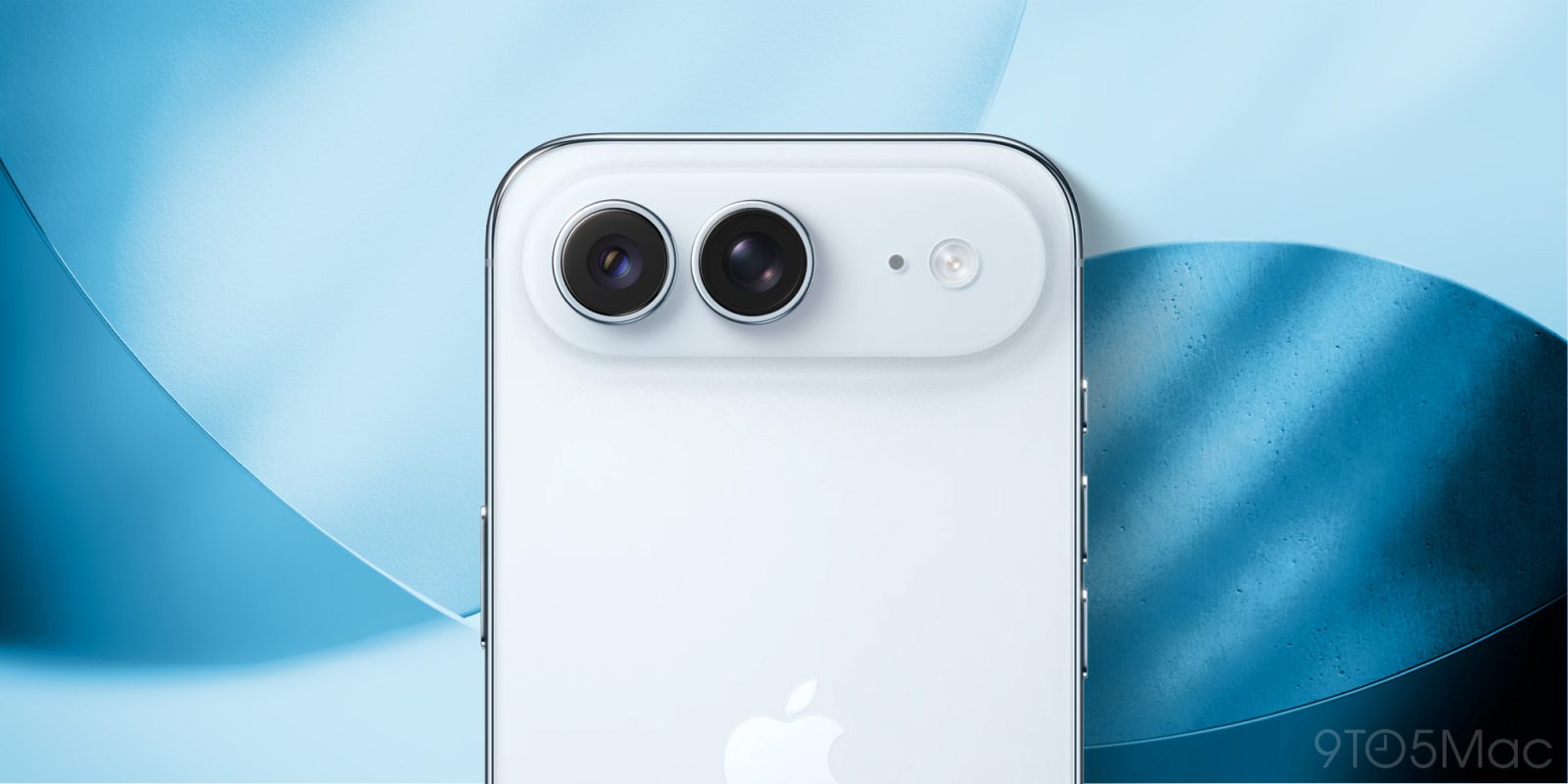
The iPhone Air 2, in particular, carries significant weight in this upcoming release. As a successor to a device designed to prioritize portability and a lightweight aesthetic, its integration into the product lineup is a test of whether the "Air" branding can sustain long-term consumer interest. The original concept was built on the premise of a slimmer form factor, which often forces trade-offs in camera technology and battery density.
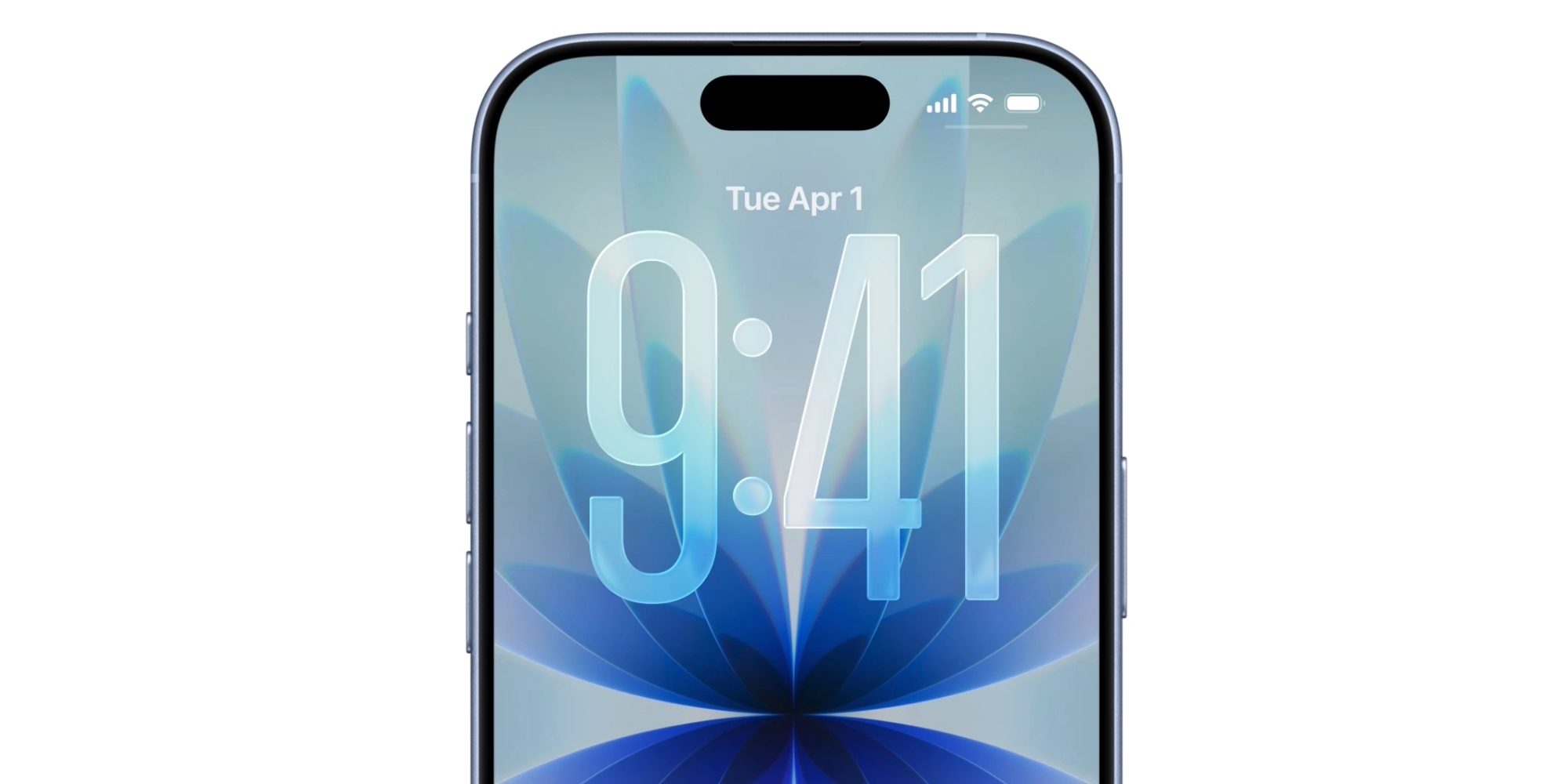
A recurring topic of debate among enthusiasts and industry observers is the camera configuration for this model. Speculation has persisted regarding whether Apple will opt for an ultrawide sensor or a telephoto lens as the second camera module on the device. Because the Air line is defined by its thinness, the internal physical constraints are severe. The decision to include one or the other will likely dictate how the device is marketed—either as a versatile creator’s tool or a compact, everyday shooter.
By pushing the launch of the Air 2 to March, Apple gains a few extra months to refine these internal components, ensuring that the final product meets the high standards of performance expected of the brand despite its restrictive design profile. It also allows the company to differentiate the Air 2 from the more robust, hardware-heavy iPhone 18.
The Role of the iPhone 18
While the Air 2 captures attention for its design, the iPhone 18 represents the evolution of Apple’s standard, non-Pro device. It serves as the workhorse of the lineup, balancing performance with affordability. By launching it in the spring, Apple provides a compelling option for consumers whose current contracts or upgrade cycles expire halfway through the year.
This semi-annual approach creates a more dynamic market presence for the company. Instead of a single "iPhone season," Apple is moving toward a model where its hardware remains in the news cycle for a longer portion of the year. This helps to sustain retail traffic and provides Apple’s services division with a steady stream of new users who are upgrading their devices throughout the spring and summer months.

Furthermore, the involvement of Korean display giants like Samsung and LG indicates that these models will likely feature high-quality OLED technology, consistent with the standards Apple has set for its entire mobile portfolio. As these suppliers ramp up their production, the focus will shift to the quality control and final assembly processes, which are typically managed in facilities across Asia to prepare for the massive logistics operation of a global launch.
Looking Ahead to Spring 2027
As the industry prepares for the spring, all eyes will be on the specific event date Apple chooses. While the current reports point to a March timeframe, the official announcement will ultimately depend on the final stages of the production cycle. For now, the coordination between Apple’s Cupertino headquarters and its manufacturing partners in South Korea suggests that the company is confident in its ability to deliver these new models to market without significant delays.
For the consumer, the prospect of a refreshed lineup arriving in March is a welcome development. It provides more choice and allows for a more tailored upgrade experience. Whether users are drawn to the ultra-thin form factor of the iPhone Air 2 or the reliable performance of the iPhone 18, the upcoming spring season promises to be a busy one for Apple. The shift to a twice-a-year major release schedule appears to be more than just a tactical adjustment—it is a fundamental change in how Apple approaches the lifecycle of its most important product.
As the weeks progress and we approach the new year, more specific details regarding the technical specifications and pricing tiers of the iPhone 18 and iPhone Air 2 will likely surface. For now, the confirmation that supply chains are locked in for a March launch provides the clearest signal yet of what to expect from Apple in the coming months. The company continues to demonstrate its ability to navigate complex global supply chains to maintain its competitive edge, ensuring that no matter when a customer chooses to upgrade, there is a modern, capable device ready to meet their needs.