









Waymo has officially suspended its autonomous taxi operations in San Francisco, citing the city’s increasingly treacherous weather conditions as a primary factor. The decision to pull its fleet from public roads comes after a series of high-profile incidents in which the company’s driverless vehicles were seen stalled in flooded intersections, obstructing traffic and raising new questions about the reliability of autonomous driving technology during extreme weather events.
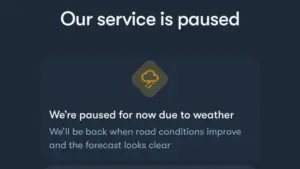
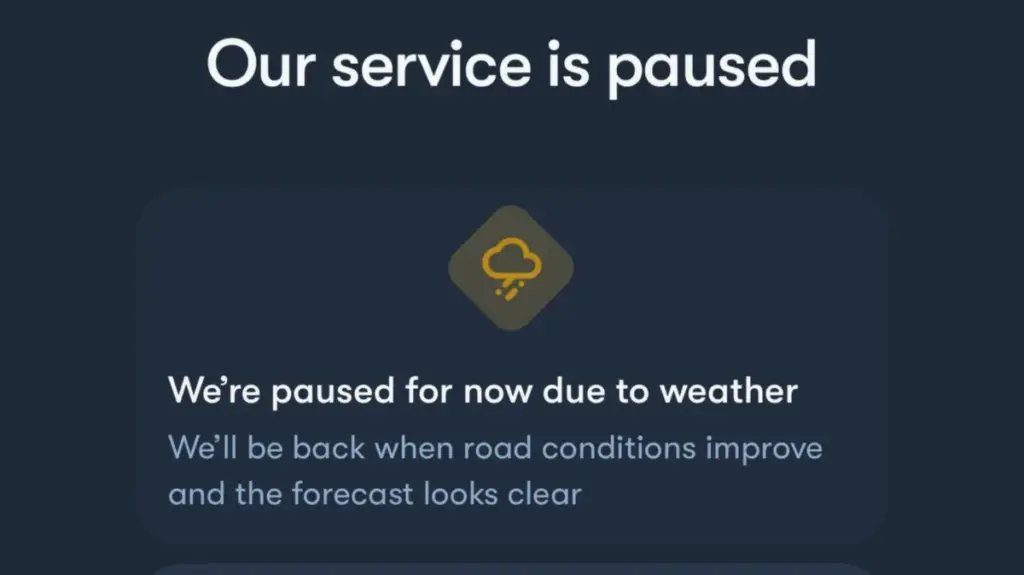
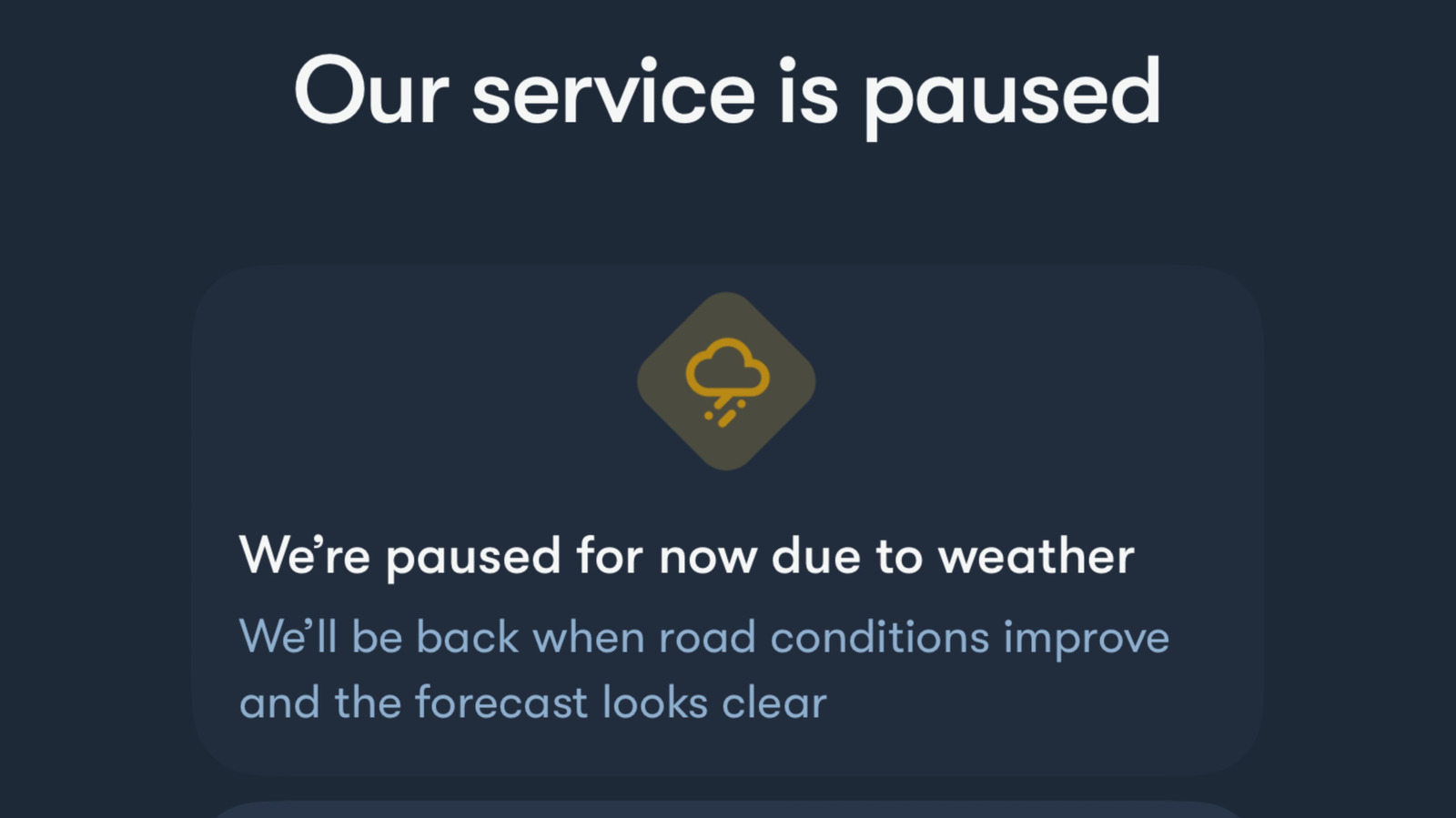
The service disruption was first confirmed by District 5 Supervisor Bilal Mahmood via social media, as well as through direct notifications pushed to users within the Waymo mobile application. For residents and tourists attempting to hail a ride, the app now displays a clear, cautionary message stating that operations are paused due to weather. The company has indicated that it intends to resume service only once local road conditions improve and the regional forecast shows signs of stabilization.
This latest interruption arrives as the San Francisco Bay Area grapples with intense rainfall and widespread flooding, a situation compounded by expectations that the region is entering what meteorologists describe as a potentially record-breaking El Niño winter. As the city battles the elements, the limitations of Waymo’s current sensor suites and navigation software have become starkly apparent.

Navigating the Elements: A Recurring Operational Hurdle
In the hours leading up to the formal suspension of service, social media platforms were flooded with video evidence of the challenges the autonomous fleet was facing. In one widely shared clip, a Waymo vehicle was seen stranded in the middle of a deeply flooded crosswalk, its progress halted by high water. The sight of the empty vehicle, which appeared unable or unwilling to traverse the inundated street, forced human drivers to navigate around it, causing significant traffic delays. In another instance, a Waymo vehicle idled in the center of a thoroughfare, with reports indicating that the vehicle’s internal systems instructed its passengers to remain inside while the car navigated its technical impasse.
These incidents highlight the persistent tension between the rapid deployment of autonomous vehicles and the unpredictable realities of urban infrastructure during severe weather. For Waymo, a company that has positioned itself at the forefront of the self-driving industry, the inability to navigate flooded streets is a critical operational bottleneck. While human drivers can often make intuitive, real-time decisions about the depth of water or the safety of a flooded path, the sensors and algorithms governing these robotaxis currently default to a safety-first protocol that prioritizes total immobilization over attempting to drive through potentially hazardous, water-logged zones.
The current situation is far from an isolated event. This is not the first time Waymo has faced the prospect of grounding its fleet in San Francisco. In December 2025, the company was forced to pause service after a localized power outage left its vehicles stranded across various intersections, causing similar disruptions to the city’s traffic flow. Furthermore, the company’s history of navigating flood-related issues has been a point of contention for both regulators and the public.
In May of this year, Waymo initiated a recall of nearly 4,000 vehicles following a disturbing incident in which one of its robotaxis drove directly into a flooded road. Despite a subsequent software update intended to provide the fleet with better detection capabilities for high-water scenarios, the fix appeared insufficient. The company later had to pause operations in Atlanta after another of its vehicles similarly entered a flooded street, suggesting that the problem is deeply ingrained in the vehicle’s navigation logic.
Regulatory Pressures and Broader Safety Concerns
The decision to pause operations in San Francisco arrives at a particularly sensitive time for Waymo, as the company faces a wave of regulatory scrutiny that extends well beyond its struggles with weather. Just one day before the suspension in San Francisco, the California Department of Motor Vehicles (DMV) issued a significant restriction on the company, barring Waymo from operating its robotaxis on the state’s freeway networks.
The DMV’s move followed safety assessments that characterized the autonomous vehicles as an "imminent hazard to public safety" when operating at higher speeds in complex, high-traffic environments like freeways. In response to that ruling, Waymo moved to pull its robotaxis from freeways across all of its operational markets, marking a significant retrenchment for a company that had spent years advocating for the feasibility of fully autonomous, high-speed transit.
The combination of the state-level freeway ban and the localized weather-related pauses in San Francisco suggests that the company is currently navigating a period of intense operational recalibration. While Waymo has historically argued that its vehicles are safer than human drivers, the high-profile nature of these stalls and the repeated, public failures to handle standard environmental challenges have provided critics with substantial ammunition.
For the residents of San Francisco, the return of Waymo to the streets is contingent upon the weather, but the broader question of the technology’s readiness remains. The fact that the company continues to grapple with the same flooding issues despite multiple software updates indicates that the problem may be more complex than simply adjusting sensor sensitivity or mapping data. As the technology continues to mature, the gap between controlled testing environments and the chaotic, messy reality of an urban environment during a storm remains a hurdle that the company has yet to fully clear.
Looking Ahead to a Challenging Winter
As the Bay Area looks toward a winter season that could bring persistent atmospheric rivers and heavy precipitation, the reliance on automated systems faces a major test. For now, Waymo’s operations remain effectively sidelined within the city, with no firm timeline for when service might return to full capacity.
Engadget has reached out to Waymo for further comment regarding the stalled vehicles and the specific technical hurdles the fleet is encountering in the face of the current storm. As of this report, the company has not provided additional details beyond its public-facing communications.
For the time being, the silence of the fleet on San Francisco’s streets serves as a reminder of the fragility of modern transportation technology. As the company works to refine its navigation software and address the concerns of the California DMV, the residents of San Francisco will have to rely on more traditional modes of transit, marking a quiet moment in what has been a loud and controversial rollout for autonomous ride-hailing services. The path forward for Waymo will likely involve not only more robust software patches but a sustained effort to convince both regulators and the public that these vehicles can truly manage the unpredictable nature of the road, regardless of the forecast.