







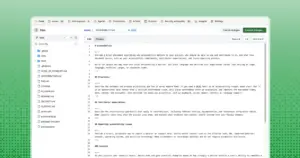




The Linux desktop landscape continues to evolve, and one of its most prominent pillars has just taken another major step forward. GNOME, the popular and widely adopted open-source desktop environment, has officially rolled out its latest major version, GNOME 44. Codenamed "Kuala Lumpur," this fresh iteration brings a wealth of visual refinements, under-the-hood performance improvements, and expanded community-driven applications designed to make the Linux user experience smoother and more modern than ever before.
To get a closer look at what went into this release and what users can expect, we recently sat down with key members of the GNOME team. Caroline Henriksen, brand manager; Matthias Clasen, GNOME developer and release team member; and Allan Day of the design team shared insights into the development process, the philosophy driving the project, and the broader community that keeps the ecosystem thriving.
Exploring the New Features in GNOME 44
For users diving into GNOME 44, the immediate visual impact is striking. According to the development team, a tremendous amount of effort during this release cycle went into refining core user interfaces to ensure they look fresh, polished, and thoroughly modern.

These improvements extend far beyond signature core applications like Files—the default file manager historically known as Nautilus—reaching deeply into the system Settings. Users navigating the updated interface will find numerous panel enhancements, most notably the newly redesigned Mouse and Touchpad panel, which now features engaging and intuitive animated illustrations to help users configure their hardware preferences.
Beyond visual polish, GNOME 44 introduces several highly requested functional improvements aimed at daily productivity. A standout addition is the brand-new grid view in the file chooser dialog, offering a more visual and efficient way to select files across applications. Additionally, managing peripheral hardware has become significantly smoother thanks to a revamped Bluetooth menu integrated directly into the quick settings panel, allowing users to connect and disconnect devices with fewer clicks.
Understanding GNOME Circle and Ecosystem Expansion
The release notes for GNOME 44 also highlight the continuous growth of GNOME Circle, an initiative dedicated to recognizing and supporting exceptional third-party applications built on the GNOME platform. The project serves as an official channel for promoting top-tier software that utilizes GNOME technologies while providing direct backing to independent app developers.
To earn a spot in GNOME Circle, applications must meet a stringent set of quality and design requirements. Once accepted, developers receive valuable promotional support alongside formal membership in the GNOME Foundation. This membership grants them access to vital infrastructure resources and travel sponsorships to attend community events. The initiative has proven remarkably successful, with the curated collection now encompassing more than 50 distinct applications.
What makes the GNOME Circle lineup particularly compelling is its diverse scope. While many software ecosystems focus strictly on traditional computing tasks, the GNOME Circle catalog embraces a wide variety of utilities, ranging from practical health trackers and precise metronomes to specialized chess clocks.

Rollout Across Major Linux Distributions
As one of the standard desktop environments bundled with several leading Linux distributions, GNOME 44 is poised for rapid adoption across the broader open-source ecosystem. Users eager to test the latest features won’t have to wait long, as major distributions are moving quickly to integrate the release.
The upcoming Fedora 38 release is scheduled to feature GNOME 44 out of the box, with an anticipated launch in April. Similarly, Ubuntu 23.04 will incorporate the desktop environment into its upcoming release cycle. Meanwhile, bleeding-edge distributions such as openSUSE Tumbleweed and openSUSE MicroOS have already begun rolling out GNOME 44 builds to their users, ensuring that the wider Linux community can take advantage of the updates almost immediately.
The decision to codename this release "Kuala Lumpur" carries special significance for the project, honoring the location of the most recent GNOME Asia conference held in Malaysia. GNOME traditionally names its major software releases after the host cities of its flagship community gatherings, alternating between GUADEC—held in Europe and expanding globally—and GNOME Asia. This naming tradition, which began several years ago with GNOME 3.18 being dubbed Gothenburg, serves as a small token of appreciation for the immense dedication shown by local organizing teams and foundation staff.
Fostering a Global and Inclusive Community
At its core, GNOME has always functioned as a community-driven project underpinned by deep collaboration and inclusivity. Maintaining high levels of engagement across a global user and developer base requires continuous effort, which the team attributes to the rewarding, collaborative nature of contributing to an open-source standard. Working alongside peers from all over the world to solve common technical challenges creates an inspiring environment that keeps contributors motivated.
Fostering this level of engagement also involves meeting community members where they are. Last year’s GUADEC conference in Guadalajara, Mexico, marked a historic milestone as the first time the flagship event took place outside of Europe, substantially improving accessibility for GNOME users and developers across Latin America. Beyond its own dedicated conferences, the GNOME project maintains an active physical presence at major industry gatherings such as FOSDEM, the Linux Application Summit, and SCaLE. At these events, attendees can frequently find developers, designers, and board members hosting booths and engaging directly with the community.
Getting Involved with GNOME Development
For those inspired by the release and looking to transition from users to contributors, getting started with GNOME development has never been more accessible. Aspiring developers interested in writing their first applications can turn to the comprehensive developer portal, which provides straightforward tutorials and step-by-step guides for building a first application.
Modern open-source tooling has dramatically lowered the barrier to entry. With technologies like Flatpak and GNOME Builder, creating a running desktop application is remarkably straightforward. Developers can simply launch GNOME Builder, initialize a new project, and immediately begin building within a polished development environment.
Contributions to the ecosystem extend far beyond writing code. Individuals looking to lend a hand can participate in community discussions on Discourse, test software, or report bugs. Furthermore, the project relies heavily on non-technical contributions, including documentation writing, software translation into various languages, and event organization. Developers with coding experience can also browse dedicated newcomer task lists on GitLab to find approachable issues. As a non-profit foundation, GNOME also welcomes financial contributions from individuals and organizations committed to sustaining the future of open-source desktop computing.